The Living Textbook: Inside sigma-dx
How a hybrid Julia and Python architecture turns static control theory into an interactive, version-controlled digital garden.
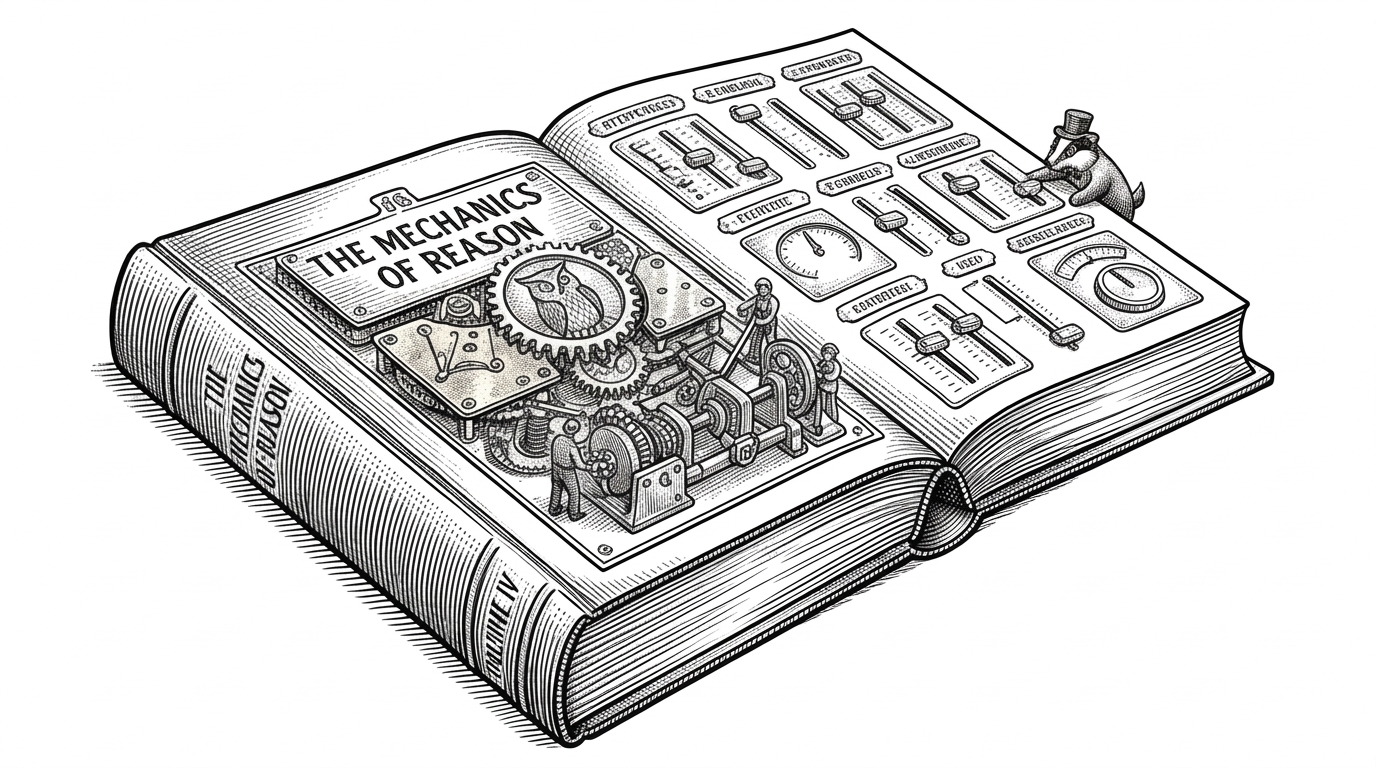
- The "Util" pattern prevents notebook rot by decoupling the narrative presentation layer from the mathematical backend.
- Julia-powered reactive macros allow users to build physical intuition through real-time tactile feedback.
- Strict dependency management via Project.toml files ensures that interactive textbooks remain executable over long periods.
The Death of the Static Textbook
Engineering knowledge usually rots in disconnected PDFs, loose scripts, and static textbook figures. Learning complex mathematical relationships through these static mediums is notoriously frustrating. When a student or engineer wants to see how a system responds to a change in parameters, they are often forced to write throwaway scripts that are quickly lost or broken by environment updates.
The sigma-dx repository attempts to solve this by treating continuous learning like a version-controlled software project. It abandons the traditional static textbook and messy MATLAB scripts in favor of a "living textbook" that combines narrative presentation with a high-performance mathematical backend.
The "Util" Pattern: Separating Math from Narrative
Jupyter notebooks are excellent for narrative presentation but notorious for encouraging tangled logic and global state mutations. The architecture of sigma-dx enforces a strict separation of concerns to avoid this trap.
The presentation layer remains in Jupyter, while all heavy mathematical lifting is pushed into a dedicated Julia backend located in the util/ directory. This "Util" pattern keeps the notebooks clean, readable, and focused entirely on the pedagogical narrative. The underlying physics and control logic are abstracted into testable, reusable Julia modules.
Reactive Control Theory
A deep dive into controls/util/FrequencyDomainMethods.jl reveals how this architecture works in practice. By leveraging Julia's robust ecosystem, the project moves away from static plotting and embraces reactive control theory.
The @manipulate macro and manual history tracking allow users to "feel" the math. Instead of viewing a pre-rendered root locus plot, users can drag sliders to adjust the system gain and watch the poles move across the complex plane in real time. This tactile feedback loop builds intuition much faster than reading equations.
# The higher-order function pattern decouples physics from visualization
function interactive_root_locus(get_roots::Function, k_range)
    # History buffer tracks pole movement across interactive frames
    history = ComplexF64[]

    @manipulate for k in k_range
        current_roots = get_roots(k)
        append!(history, current_roots)
        # Render updated plot with historical trail
    end
end
Learning as a Version-Controlled Process
The repository name combines Sigma (accumulation) and DX (differential or change). This reflects a philosophy of treating personal knowledge as an ongoing, iterative process. By managing the project like a CI/CD pipeline, the author ensures that environments remain isolated.
Dependencies are explicitly managed via a Project.toml file. This guarantees that the mathematical models and interactive plots will remain executable years later, completely avoiding the "it worked on my machine" problem that plagues traditional academic code sharing.
Beyond Monolithic Notebooks
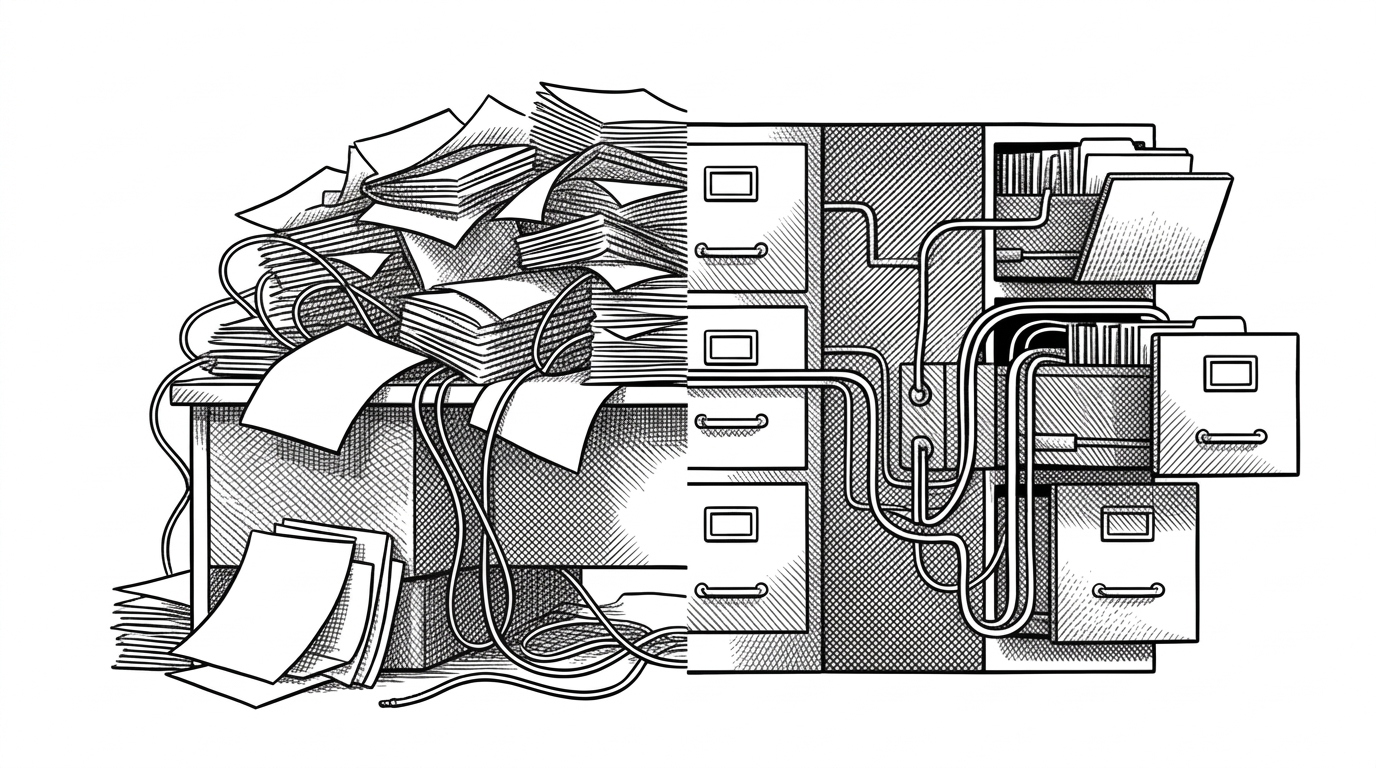
Contrasting the sigma-dx approach with standard data science workflows highlights the fundamental advantages of the hybrid model. Where traditional notebooks tangle logic and presentation into fragile monoliths, this architecture scales gracefully and maintains academic rigor over time.
| Feature | Traditional MATLAB | Standard Jupyter | sigma-dx Architecture |
|---|---|---|---|
| Logic Separation | Often tangled in single scripts | Mixed in presentation cells | Strict separation (Jupyter UI, Julia Engine) |
| Dependency Management | Global toolbox installations | Fragile requirements.txt |
Isolated Project.toml environments |
| Interactivity | Static plots or heavy GUI apps | Requires complex widget setup | Native reactive macros (@manipulate) |
Sources: sigma-dx GitHub Repository.