replicate-mcp-code-mode: When MCP Stops Picking Tools and Starts Writing Code
Replicate’s experimental server swaps endpoint sprawl for a two-step workflow: search the docs, write TypeScript, execute it in a local Deno sandbox.
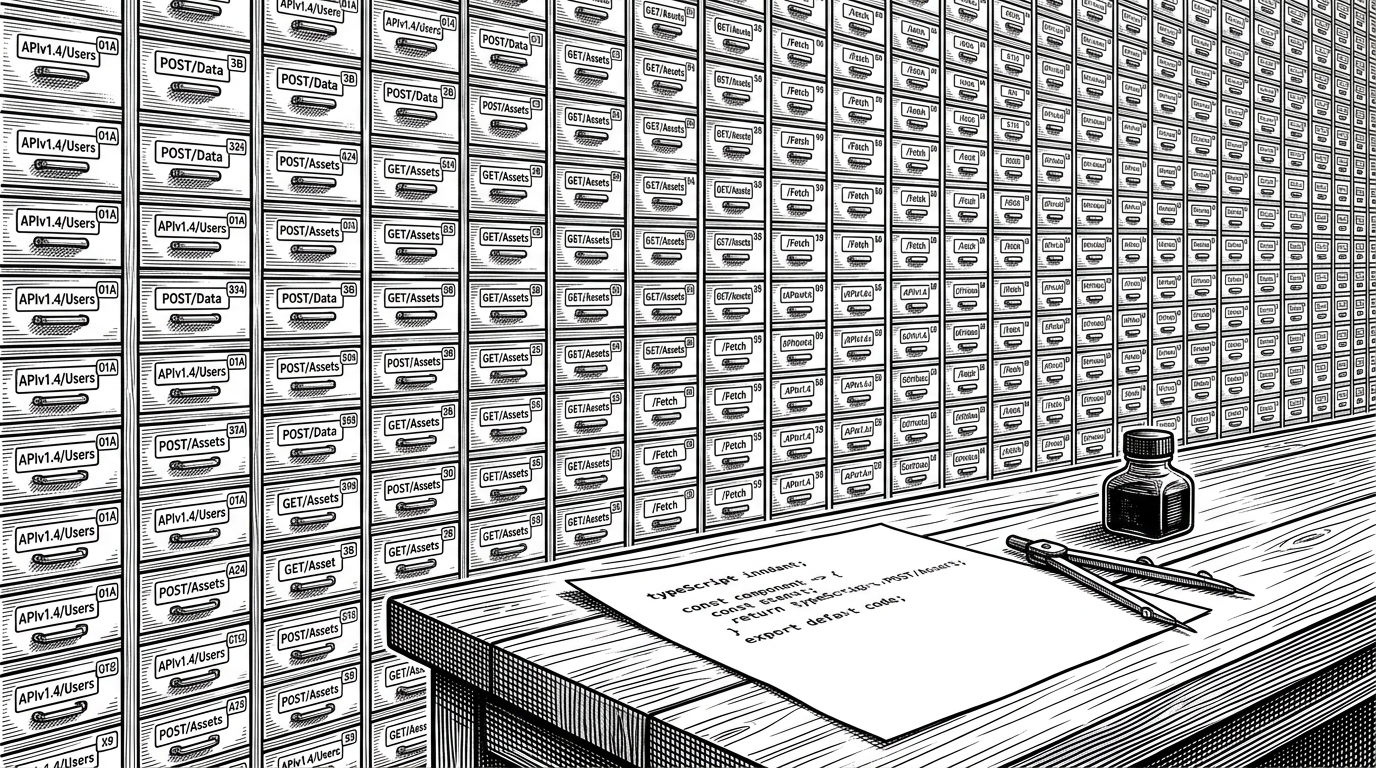
- Replicate’s Code Mode changes the unit of work from tool selection to code generation.
- The design compresses a huge API surface into two steps, docs search and sandboxed TypeScript execution.
- Deno is the trust boundary that makes letting the model write code feel plausible instead of reckless.
- The deeper implication is architectural: agents may increasingly assemble integrations instead of choosing from a shelf of predefined tools.
The real problem is tool sprawl
Traditional MCP assumes the model should pick from a menu of explicit tools. That works until the API surface gets large, the workflows get chained, and the tool list starts eating the context window before the task even begins.
Replicate is a bad candidate for the old pattern in the best possible way. It has a broad model catalog, many narrow operations, and plenty of multi-step jobs where the model would otherwise bounce between search, fetch, transform, and predict.
Replicate’s answer is not more tools
The repository’s central move is simple: expose a docs search tool and a code execution tool, then let the model bridge the gap. The LLM looks up the SDK details it needs, writes TypeScript, and runs that code in a local Deno sandbox.
That is why the project feels more like an abstraction reset than an incremental MCP server. The model is no longer navigating a shelf of endpoints. It is writing the integration layer it needs for the specific job in front of it.
import Replicate from "replicate";

const replicate = new Replicate({ auth: Deno.env.get("REPLICATE_API_TOKEN")! });

const output = await replicate.run("some-model", {
  input: {
    prompt: "A small red fox in snowfall"
  }
});

console.log(output);
The exact script changes with the request, but the shape matters more than the details. Search, synthesize, execute, return the result. The code block becomes the place where state, branching, retries, and composition live.
Why Deno is the quiet enabler
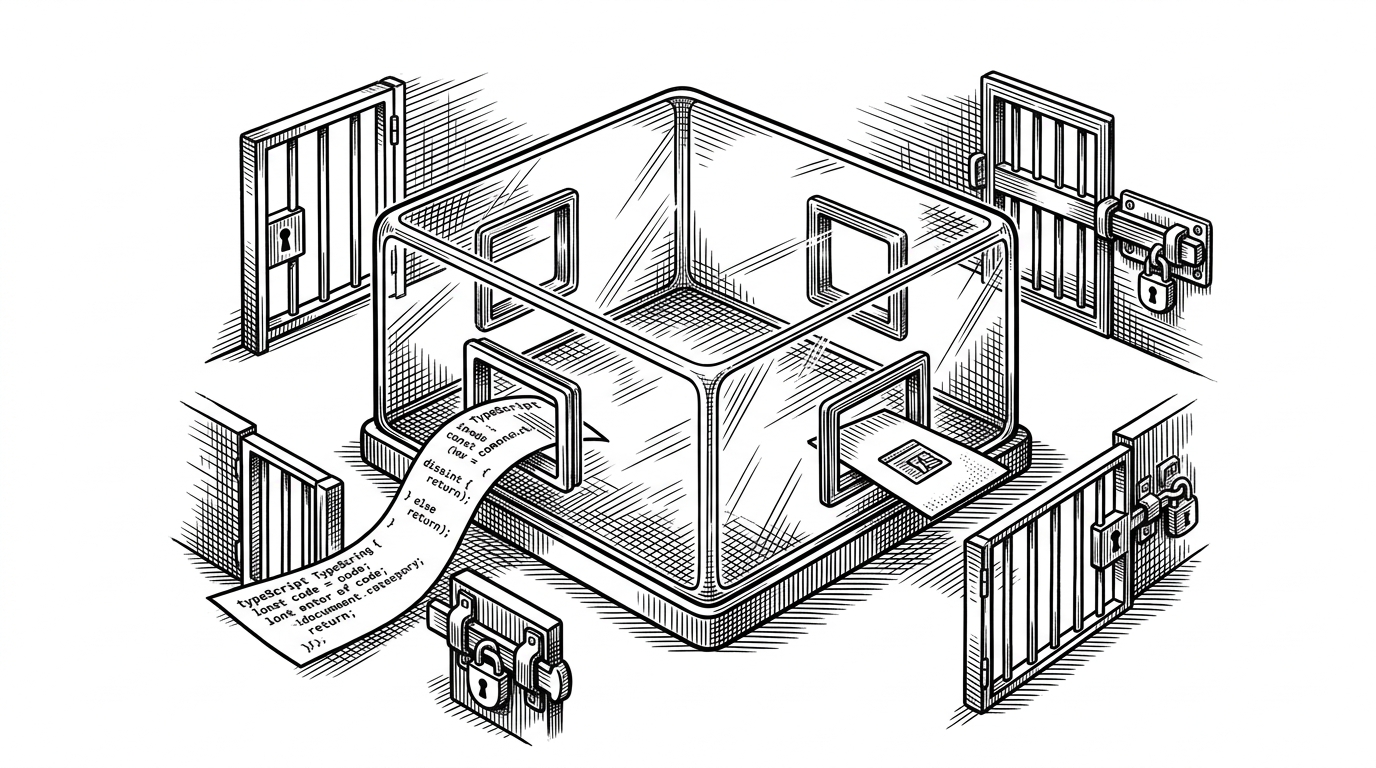
Letting an LLM write code is only interesting if the execution boundary is constrained. Deno matters because it gives the project a sandboxed runtime with a security model that is built around explicit permissions, not silent trust.
That makes the workflow legible. The model can assemble logic, but it does not get to roam the machine freely. In this design, the sandbox is not a footnote. It is the reason the pattern is usable at all.
What this changes about MCP
Code Mode is procedural where traditional MCP is descriptive. One model asks, "Which tool should I call?" The other asks, "What code should I write to finish the job?" That is a different abstraction boundary, and it is the interesting one.
| Mode | Tool surface | Context usage | Execution model | Best fit |
|---|---|---|---|---|
| Traditional MCP | One tool per API method | High, because the catalog is always present | Many small calls with intermediate JSON | Narrow, stable APIs |
| Replicate Code Mode | Docs search plus TypeScript execution | Low, because the model only pulls what it needs | One code block that can chain operations | Large, dynamic API surfaces |
| Cloudflare-style code mode | Code-first, interface-heavy | Moderate to high | Write code against loaded interfaces | Tooling where the API is already well known |
| goose-style extensible agents | Extensions activated as needed | Variable | Agent plus modular extensions | General-purpose local automation |
The table is not about declaring a winner. It is about matching mechanism to problem size. Replicate is optimizing for a broad and changing API where chained workflows are common, so the model needs composition more than it needs a bigger menu.
Where Replicate’s version fits in the broader code-mode conversation
Cloudflare engineers recently coined the term "code mode" in a blog post: Code Mode: the better way to use MCP. The approach described there is similar, but our current implementation is slightly different: Replicate's MCP server (created by Stainless) uses a "docs search" tool to teach the LLM about the SDK, rather than loading the full TypeScript interface into the context window.
That distinction matters. Replicate is not just borrowing the label. It is making a pragmatic version of the idea for a platform where the SDK is the product surface and the model catalog keeps moving.
The repository reads like a proof that the bottleneck was never "how do we expose more tools?" It was "why are we forcing models to choose tools when they could write the glue themselves?"
The bigger bet
If this pattern spreads, agent design will shift from enumerating capabilities to composing them on demand. The durable lesson is not that every MCP server should become a code runner. It is that the model may already be better used as a small software engineer than as a picker from a crowded toolbar.