The Art of the Passive Check: Inside rxerium-templates
How a boutique collection of Nuclei scripts uses metadata forensics and Base64 decoding to hunt zero-day vulnerabilities without firing a single exploit.
- rxerium-templates prioritizes speed and safety by using passive version fingerprinting to detect zero-day vulnerabilities before commercial scanners update.
- The repository leverages Nuclei's DSL to execute complex in-memory reverse engineering, decoding Base64 strings to find hidden version metadata.
- When explicit version numbers are scrubbed, the templates fall back to environmental clues like Unix timestamp conversions and MMH3 favicon hashing.
- A Python-driven CI/CD pipeline automatically aggregates CVSS scores and CISA KEV statuses into a live, self-documenting threat dashboard.
The Zero-Day Detection Gap
When a new vulnerability hits the CISA Known Exploited Vulnerabilities catalog, the clock starts. Security teams need to scan their infrastructure immediately. However, commercial vulnerability scanners often require days or weeks to push reliable detection signatures.
This lag creates a dangerous window of exposure. rxerium-templates steps into this gap as a hyper-fast, boutique feed of Nuclei templates. It provides detection capabilities for emerging threats almost as soon as the CVE drops, beating enterprise tools to the punch.
Forensics Over Force
The traditional approach to vulnerability scanning is inherently noisy and often destructive. Scanners hurl buffer overflows or SQL injections at a target, waiting to see if the server crashes or leaks data. This active scanning risks downtime and triggers Web Application Firewalls.
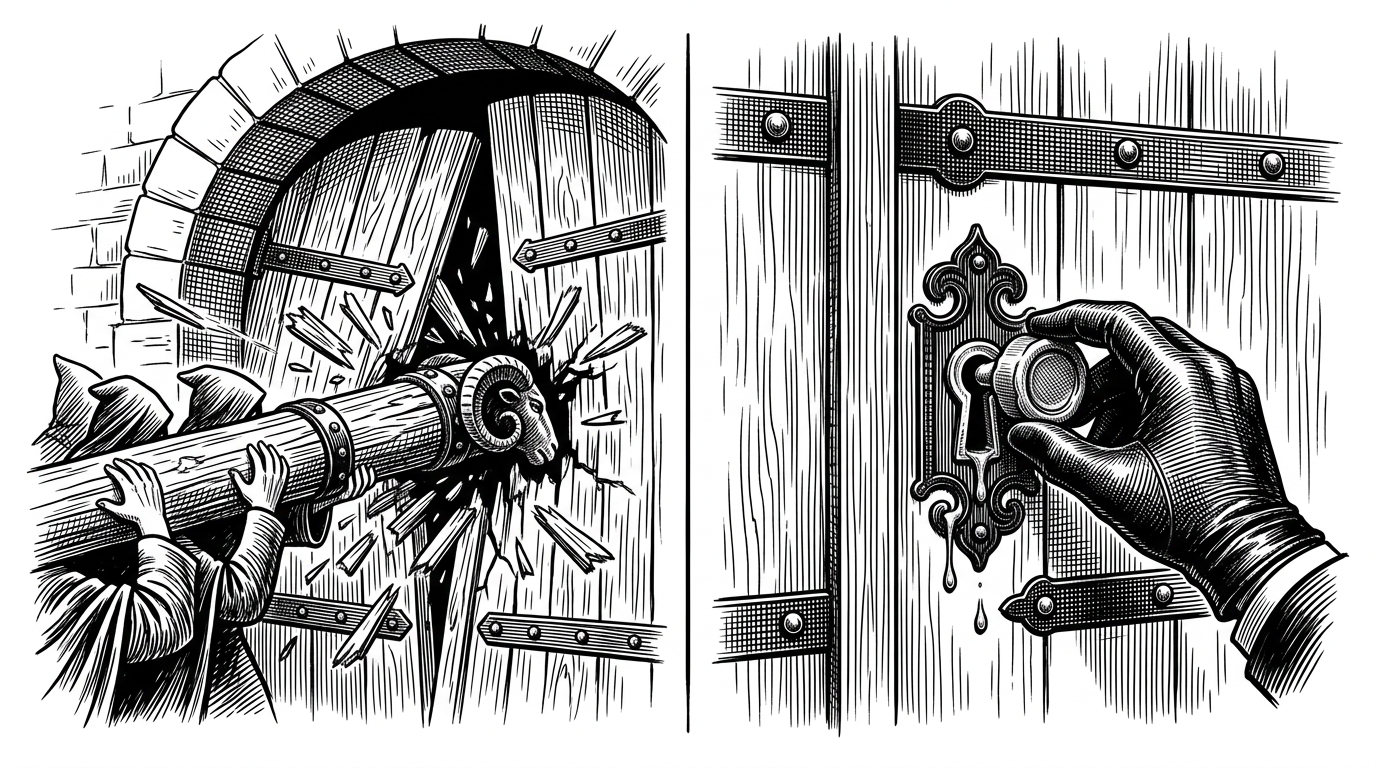
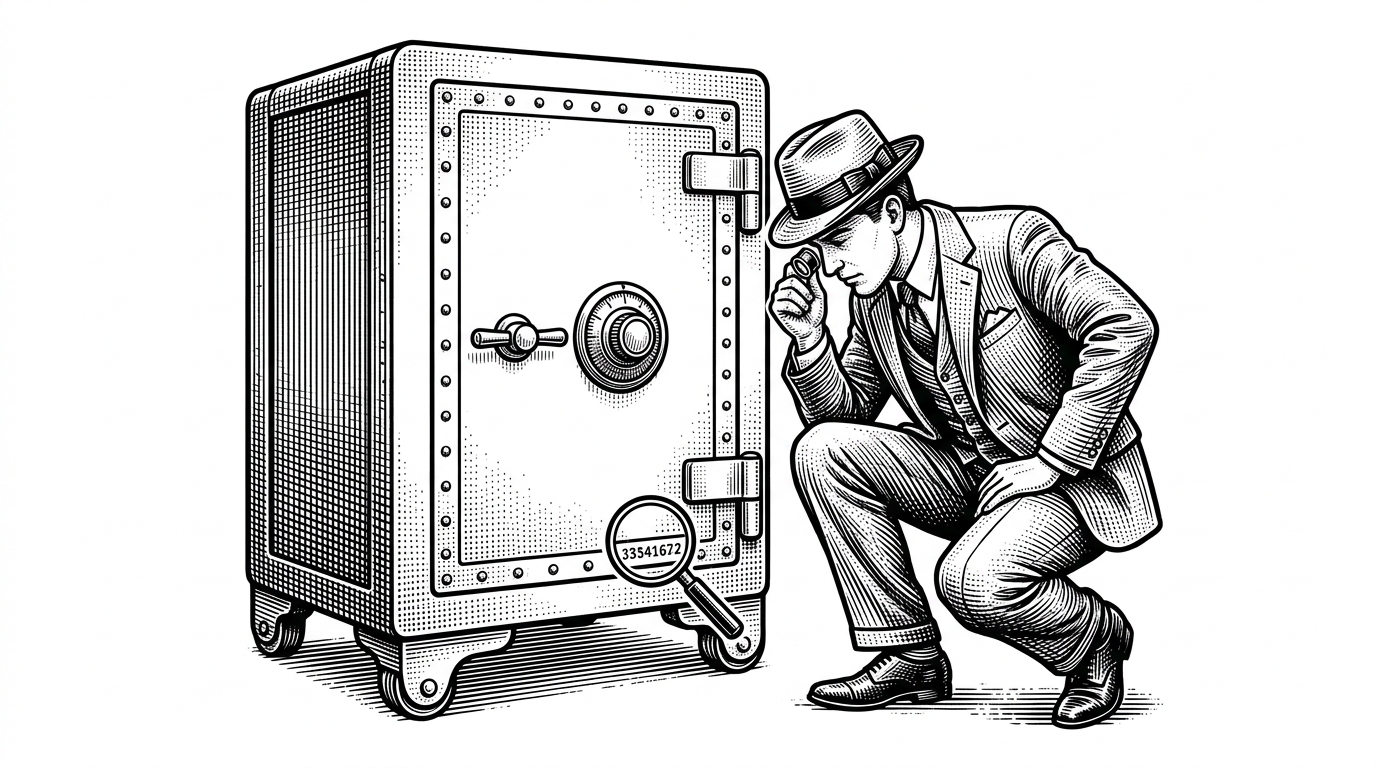
By contrast, rxerium-templates employs a strict "Passive-Active" philosophy. Instead of kicking the door down, it reads the manufacturer's serial number on the lock. By focusing on version fingerprinting and metadata analysis, these templates can conclusively identify a vulnerable system without firing a single malicious payload.
Unmasking Obfuscated Versions
The most elegant technical feat in the repository is how it handles targets that actively hide their version numbers. Take the template for the n8n vulnerability. The version string is not sitting in plain text. It is buried inside a Base64-encoded Sentry configuration block.
The template extracts the Base64 string via regex, decodes it entirely in memory using Nuclei's DSL, and then isolates the true version number. It is a masterclass in extracting maximum signal from minimal, non-destructive noise.
The Favicon Fallback
What happens when a target completely scrubs its version numbers from the DOM? The templates fall back to environmental metadata. This is a calculated design choice that prioritizes coverage over absolute certainty, which is exactly what a rapid zero-day response requires.

For example, the Citrix NetScaler templates cross-reference the Last-Modified HTTP header, converting it to a Unix timestamp. They then combine this with an MMH3 hash of the site's favicon to verify the target's identity.
A Self-Documenting Threat Feed
The repository is more than just a folder of clever scripts. It is a self-maintaining threat intelligence dashboard. A lone Python script, update_readme_stats.py, serves as the engine for this automation.
import yaml

with open(filepath, 'r') as f:
    template = yaml.safe_load(f)
    cvss = template.get('info', {}).get('cvss-score')
Triggered by GitHub Actions, this script parses every YAML file, extracts CVSS scores and CISA KEV statuses, and dynamically injects the aggregated statistics into the README. It transforms a boutique collection of templates into a trusted, automated feed.