Smart-Courier-Management-System: Smart Courier Management System: Where Orders Become Concurrent Deliveries
A Spring Boot logistics backend that separates business order, physical parcel, and delivery assignment, then pushes bulk work through a threaded pipeline with strict role checks and defensive error handling.
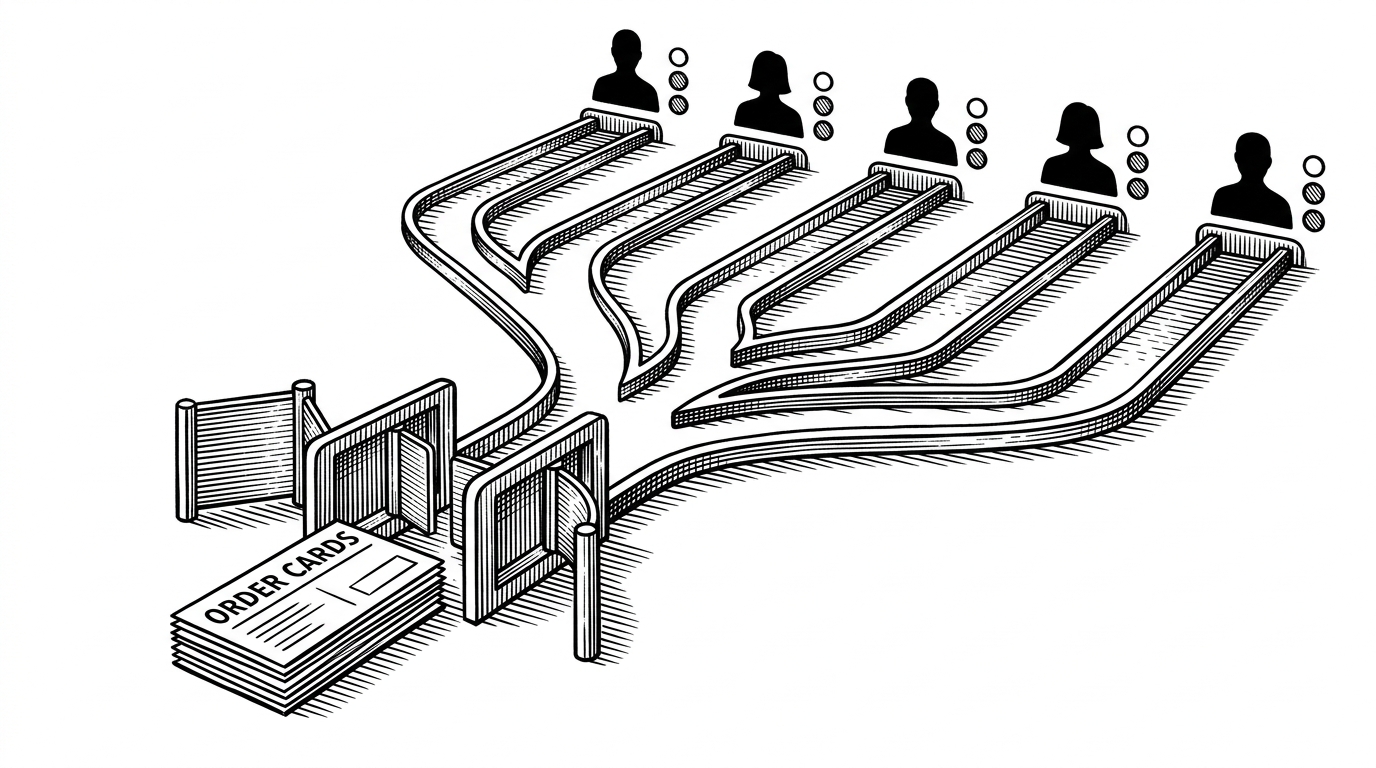
- The repo’s most distinctive idea is not courier tracking, but bulk delivery assignment as a parallel processing problem.
- Its data model draws a hard line between orders, parcels, and locations, which keeps the logistics flow flexible instead of collapsing into one generic record.
- Security and business rules live in the service layer, so identity and role checks happen before the system touches core operations.
- The codebase has solid architecture signals, but the typos, snapshot versioning, and missing test evidence still make it read like an early-stage prototype.
The hidden engine is bulk assignment, not tracking
Most courier apps start and end with a status page. This one tries to do something more operational: turn a list of deliveries into a coordinated workload. The giveaway is bulkAssignDeliveries, which fans work out through a thread pool and collects results with defensive synchronization instead of processing everything in a single pass.
That matters because it changes the project’s identity. A CRUD app stores courier records. A delivery engine has to decide what happens when many assignments arrive at once, which ones fail, and how to keep one bad task from poisoning the rest.
That is the unusual part of the repo. The project is not just persisting delivery assignments. It is trying to simulate the pressure of real logistics work, where throughput and correctness have to coexist.
Orders, parcels, and locations are deliberately not the same thing
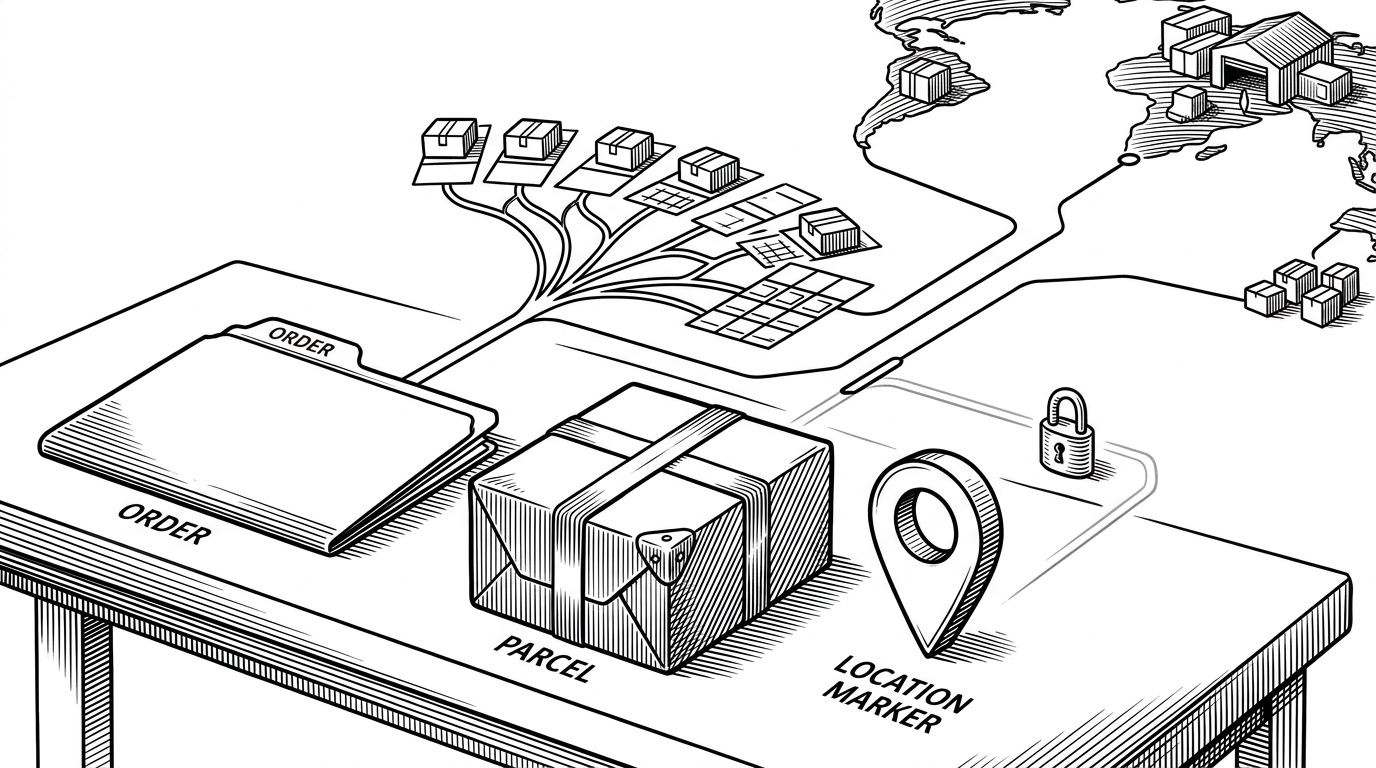
| Concept | What it means | Why the split matters |
|---|---|---|
| Order | The business transaction between sender and receiver | Keeps the commercial intent separate from physical handling |
| Parcel | The tangible item being moved | Allows weight, dimensions, and delivery state to evolve independently |
| Location | A shared place reference for origin, destination, and agent movement | Prevents the model from hard-coding one location into one role |
That separation is easy to miss, but it is the architecture’s quiet strength. It means the repo is not trapped in a one-record-per-package mindset. If the workflow expands, the model already has room for more than one parcel, more than one location update, or more than one transit state.
Security is enforced where it matters: in the service layer
if (customer.getRole() != UserRole.Customer) {
    throw new IllegalArgumentException("Only customers can create orders");
}

if (agent.getRole() != UserRole.Agent) {
    throw new IllegalArgumentException("Only agents can accept assignments");
}
That pattern is the right instinct. JWT establishes who the user is, the filter populates the security context, and the service layer decides what that identity may do. It keeps the system from relying on UI state or controller shortcuts as fake security.
The repo’s SecurityConfig also signals a practical stance: register and login stay open, while order and assignment routes require authentication. That is basic on paper, but important in code because it makes the boundary explicit.
State changes, scheduled jobs, and simulated motion
The other tell is automation. A scheduled delivery service suggests the backend is not only recording where a parcel is, but also nudging the parcel forward through a timed sequence. That moves the project from static CRUD toward a lightweight state machine.
In logistics terms, that is the difference between a log and a process. Status enums, scheduled tasks, and service-driven transitions create a system that can simulate motion even when no human is clicking through every step.
| Pattern | What it buys you | What to watch | |
|---|---|---|---|
| Single-threaded assignment | Simple control flow | Slower under load and easier to block a request | |
| Thread-pooled bulk assignment | Higher throughput and better isolation between tasks | Needs careful timeout and result handling | |
| Controller-only role checks | Fast to implement | Too easy to bypass if business logic grows | |
| Service-layer role enforcement | Rules stay close to the actual action | Requires discipline across every write path |
The trade-off is obvious. The more behavior you automate, the more you need explicit state boundaries. This repo appears to understand that, even if the implementation still reads like a system in motion rather than a finished platform.
What this repo gets right, and where it still looks like a prototype
| Signal | Looks strong | Looks unfinished |
|---|---|---|
| Architecture | Layered controllers, services, repositories, DTOs, and security are all in place | The package typo in Security weakens confidence in polish |
| Runtime behavior | Multithreaded bulk assignment and timeouts show real operational thinking | Snapshot versioning says the project is still early |
| Safety | Global exception handling and explicit role checks reduce fragility | The stray import conflict hints at incomplete cleanup |
| Domain model | Orders, parcels, and locations are separated with intent | There is no strong test evidence in the repo snapshot |
That mix is exactly why the project is interesting. It has the bones of a serious backend. It also has enough rough edges to remind you this is not a production logistics platform, just a smart prototype with unusually good instincts.
Why this matters beyond one repo
The broader lesson is not about courier software specifically. It is about what happens when a basic business app starts respecting load, identity, and state as first-class concerns. Once you add those three things, the project stops being a form wrapper and starts becoming an engine.
That is where this repository stands out. It shows how quickly a courier system becomes interesting when you treat delivery as a controlled pipeline instead of a table of records. The result is not enterprise-grade logistics software, but it is a compact demonstration of how real backend thinking changes the shape of an app.