sahuang/ctf-agent: The Autonomous Swarm Hacking CTFs
By pitting Claude and GPT against each other in a parallel race for root, this framework replaces the lone AI hacker with a ruthless, self-coordinating team.
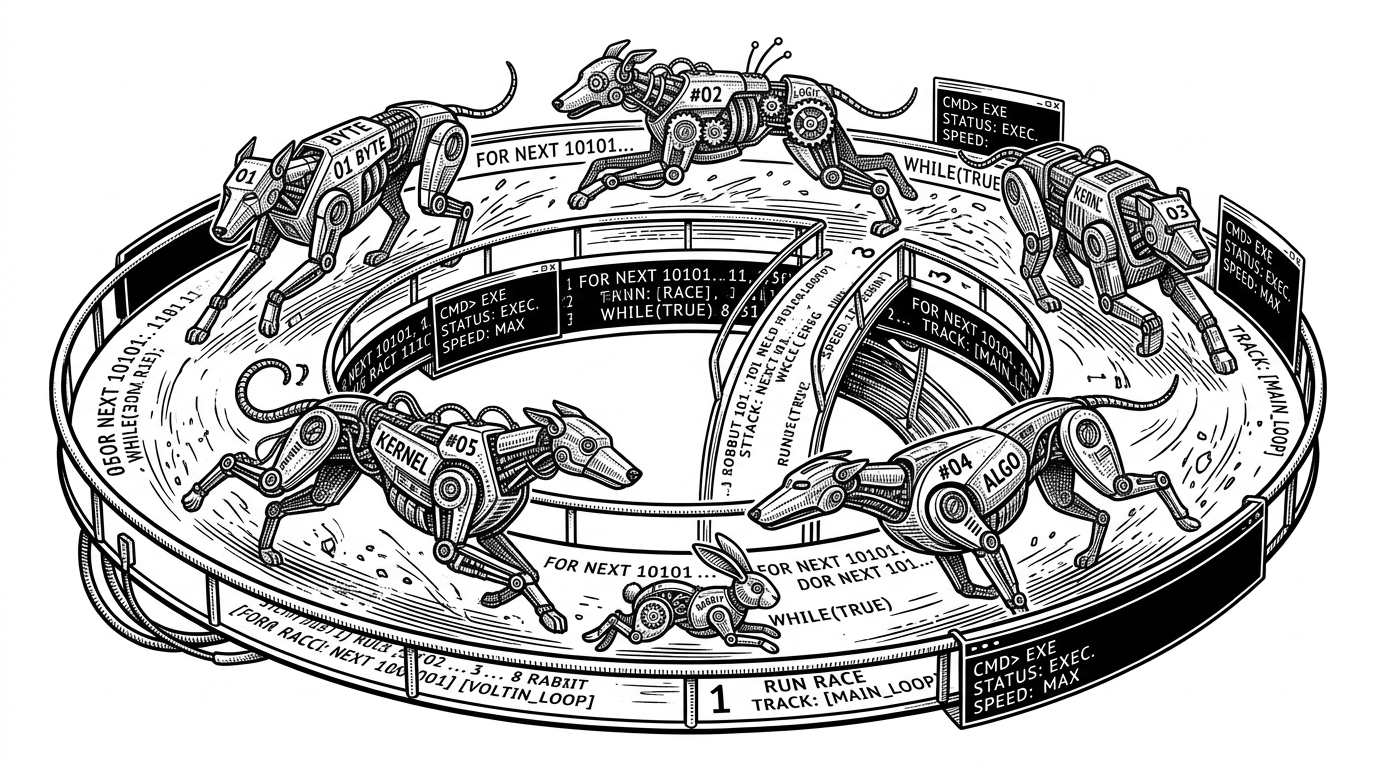
- The era of the single sequential agent is over, replaced by parallel swarms that ruthlessly race multiple models to find vulnerabilities.
- The Coordinator acts as a manager that actively injects discoveries from one model into another model's context window.
- To optimize API costs, the system instantly terminates all competing models the moment any single model captures the flag.
- A highly fortified Docker sandbox executes untrusted exploits using pre-loaded industry standard tools like pwntools and angr.
The Reckoning Point for Competitive Hacking
Human root blood times in Capture The Flag (CTF) competitions have plummeted. Autonomous systems are no longer just participating in these events; they are winning them outright. Traditional human-only infrastructure is struggling to keep up with the speed of agentic exploitation frameworks.
Jacob’s research into over 500 Hack The Box machines revealed a startling trend: a roughly 17% year-over-year decrease in "Root First Blood" times [02:16].
Enter sahuang/ctf-agent. Built by members of a top-tier US CTF team, this project is a high-concurrency, multi-model autonomous agent. It approaches vulnerabilities not as a sequential puzzle, but as an industrial race.
The Swarm Architecture
Most AI agents operate sequentially. They read, they think, they act, and they read again. If they hallucinate a bad strategy, the entire execution chain is compromised. The Coordinator in ctf-agent solves this by spawning a ChallengeSwarm for every target. It runs multiple models, typically GPT-5.4 and Claude Opus, in parallel.
Cross-Model Collaboration
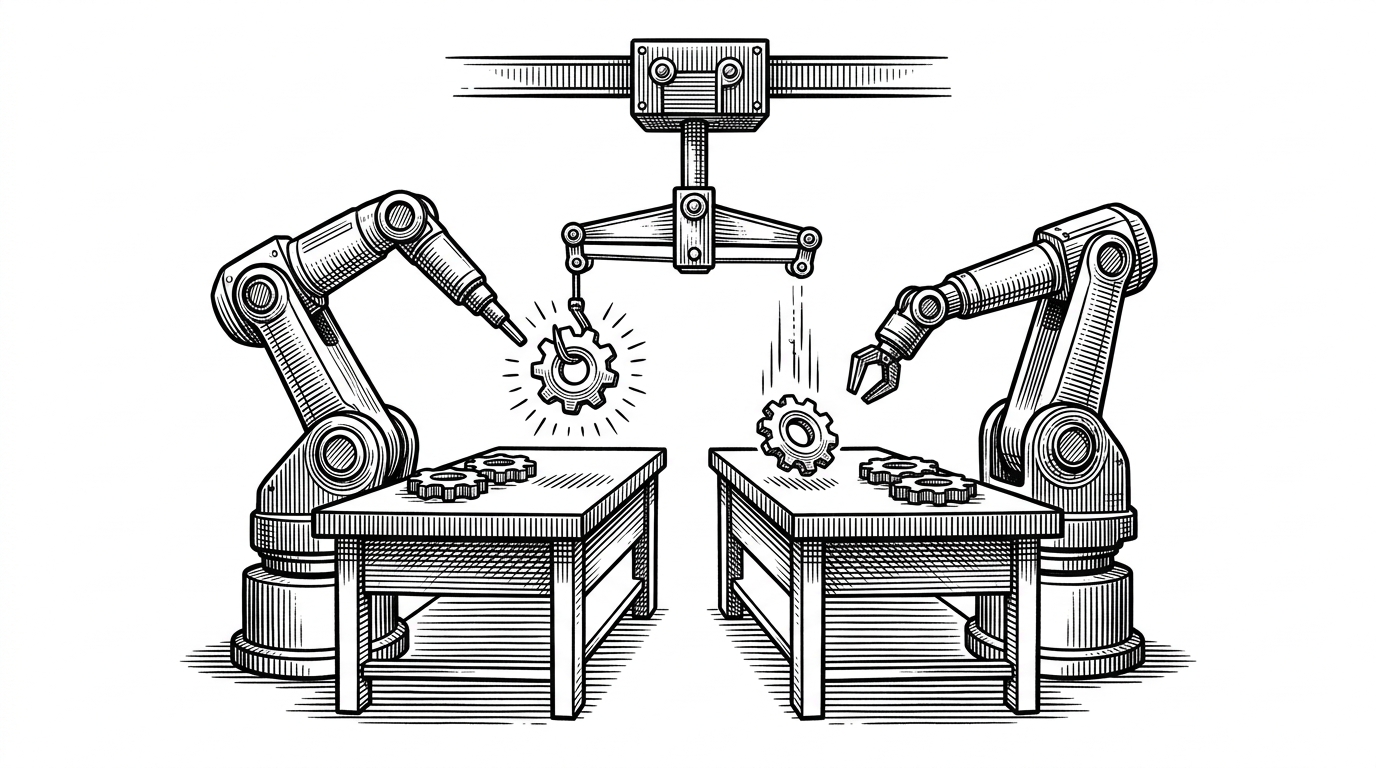
The true power of the Swarm is not just parallel execution. It is shared state managed by the do_bump_agent function. If Claude discovers an open port but fails to exploit it, the Coordinator extracts that finding and injects it directly into GPT's context window. This mimics a human CTF team sharing findings in a Discord channel.
The Fortified Sandbox
Writing an exploit is only half the battle. Executing it safely is the other. The models do not just output text. They write and execute Python scripts and shell commands inside a heavily fortified Docker container. This sandbox is pre-loaded with massive security arrays, including pwntools, GDB, and angr.
Surviving Rate Limits
In a high-stakes race, API rate limits are fatal. The system utilizes a sophisticated QUOTA_FALLBACK dictionary. If a primary model hits a rate limit during a critical exploit chain, the system automatically fails over to API-backed equivalents (like AWS Bedrock or Azure) mid-exploit without dropping state.
Parallel Swarms vs. Sequential Agents
When compared to sequential agents that rely on step-by-step reasoning, the parallel swarm architecture trades raw compute for speed and reliability. By utilizing diverse models simultaneously, it avoids the bottleneck of a single model's context window limitations.
| Feature | Parallel Swarm (ctf-agent) | Sequential Agents |
|---|---|---|
| Execution Model | Parallel racing with multiple LLMs | Step-by-step monolithic reasoning |
| State Management | Shared via Coordinator hints | Isolated to a single context window |
| Failure Mode | One model fails, others continue | Hallucination breaks the entire chain |
| Cost Strategy | Ruthless termination of losers | Linear token consumption |