portfolio-1: When GitHub Becomes a Frame for a PDF
A tiny repository with almost no code, but a very clear purpose: use GitHub as a durable, linkable showcase for visual work, and accept the tradeoffs that come with storing a portfolio as a binary artifact.
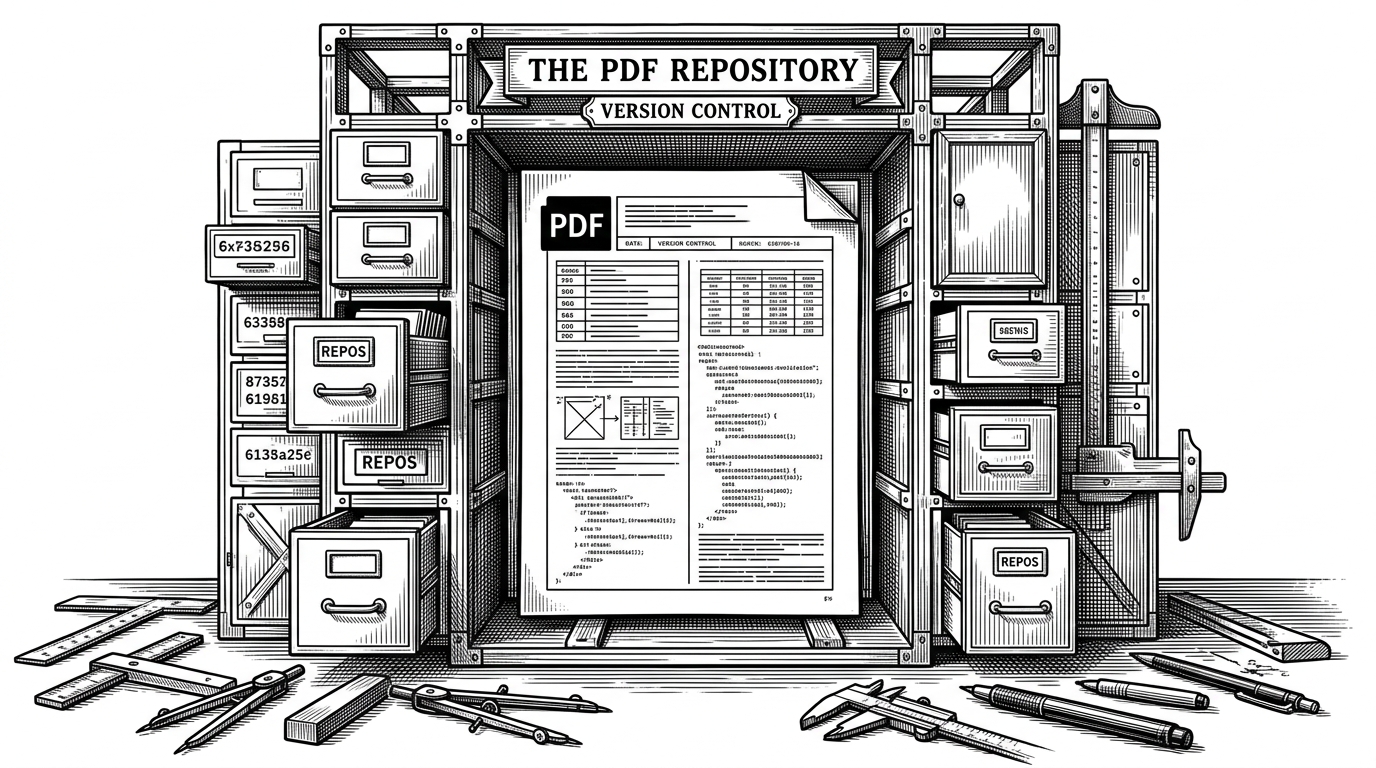
- This repository treats GitHub as a publishing surface for a finished portfolio artifact, not as a code collaboration space.
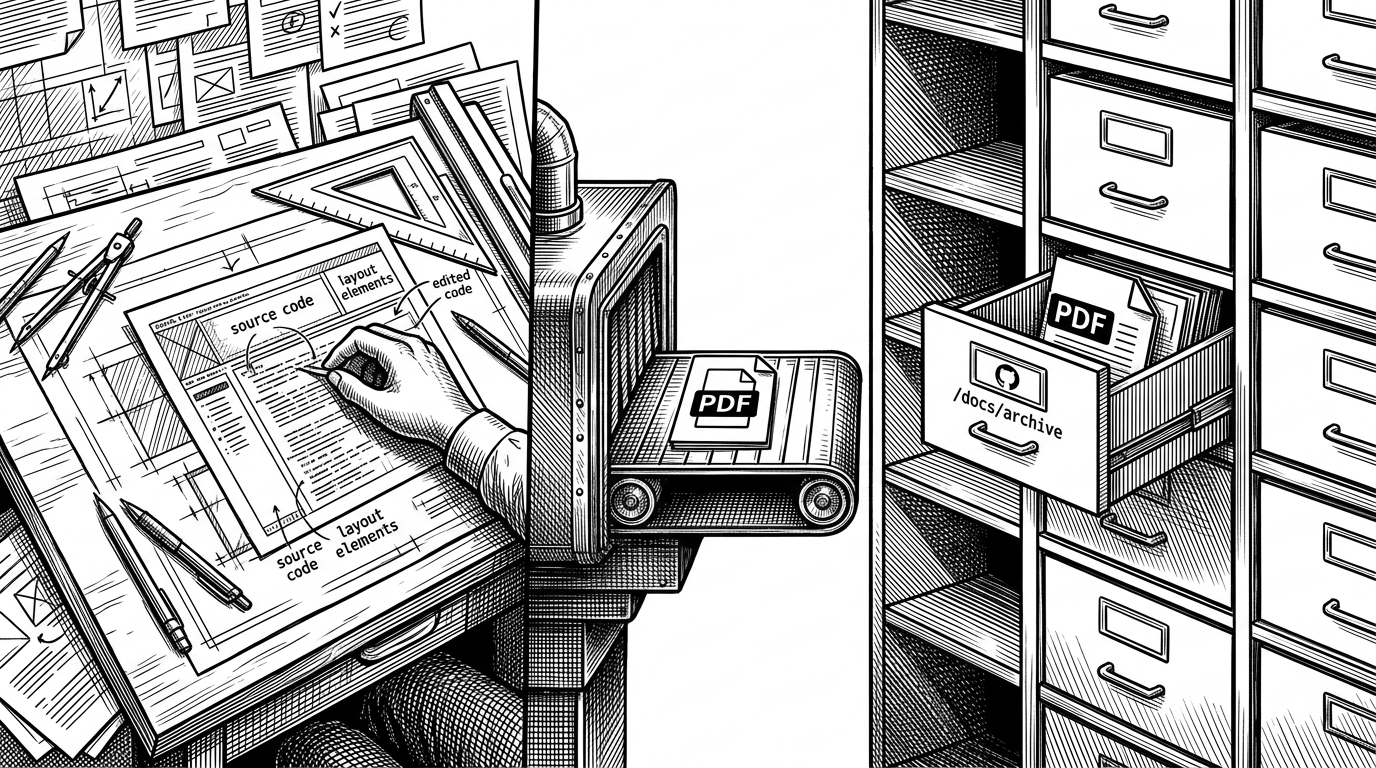
- The entire workflow is a one-way funnel from external design tools to a PDF that GitHub can host and share.
- That simplicity buys permanence and convenience, but it also hides the source process and makes version history less informative.
- The repo is a small example of a bigger shift: developer platforms are increasingly being used as trusted public presentation layers.
The most interesting thing about saikat7010-netizen/portfolio-1 is not its size. It is the role reversal. GitHub, a tool built for source code, diffs, and collaboration, is used here as the public home for a finished portfolio PDF.
A personal portfolio website built with HTML, CSS, and JavaScript.
The repository is the product
This repo behaves less like an application and more like a shipping container. The payload is a PDF, and the README is the sign on the front door. There is no visible build system, no src directory, and no runtime to inspect.
That makes the repository legible fast. You can understand its purpose in under a minute: host one portfolio file, make it linkable, and keep it public.
What lives inside a flat asset repo
portfolio-1/
├── README.md
└── portfolio.pdf
That tree tells the whole story. The PDF is the compiled artifact. The repository is not where the work is authored. It is where the work is parked.
Why GitHub is a strange but practical portfolio host
GitHub gives this portfolio three useful things. A durable URL, instant familiarity, and a place that feels trustworthy to technical reviewers. For a creator who wants a public home for visual work, that can outweigh the appeal of a richer portfolio builder.
| Approach | Setup friction | Editability | Portability | Best fit |
|---|---|---|---|---|
| PDF in GitHub | Very low | Low | High | A final artifact that just needs a stable home |
| Template-based portfolio site | Medium | High | High | A living portfolio that changes often |
| No-code builder | Low to medium | Medium | Medium | Users who want quick publishing without touching code |
The hidden cost of storing the final artifact
The tradeoff is obvious once you look for it. PDFs do not diff well. A small layout change can produce a completely new binary file, even when the design shift is minor. Version history becomes a trail of replacements, not a readable record of thinking.
That is the central compromise. You gain simplicity and permanence, but you lose source-level visibility. GitHub can show that the file changed. It cannot tell you how the design evolved.
| Question | PDF in GitHub | Source-driven portfolio repo |
|---|---|---|
| Can you inspect the design process? | No | Yes |
| Can Git show meaningful diffs? | Weakly | Strongly |
| Is the final object easy to share? | Yes | Yes |
| Does the repo invite collaboration? | Not really | Much more |
| Does it reduce maintenance? | Yes | Usually no |
How this compares with portfolio templates and site builders
Compared with React templates, static site generators, and no-code builders, this repo chooses the smallest possible public footprint. It does not try to be a product, a CMS, or a design system. It just publishes an artifact.
| Model | What the viewer gets | What the creator must maintain | Where the real source lives |
|---|---|---|---|
| PDF in GitHub | A fixed document | Almost nothing | Outside GitHub |
| Portfolio template | A navigable website | HTML, CSS, JS, assets | Inside the repo |
| No-code builder | A polished hosted site | Platform settings and content | Inside the platform |
What this repo says about developer platforms
The bigger lesson is not about architecture at all. It is about trust. GitHub has become a public publishing surface for people whose work may never need a code review. A portfolio PDF in a repository is a small but clear sign of that shift.