Zero Liability Architecture: Unpacking slimbiggins007/glnc-site
How a solo developer built a Plaid-integrated financial widget without storing a single byte of user data on their own servers.
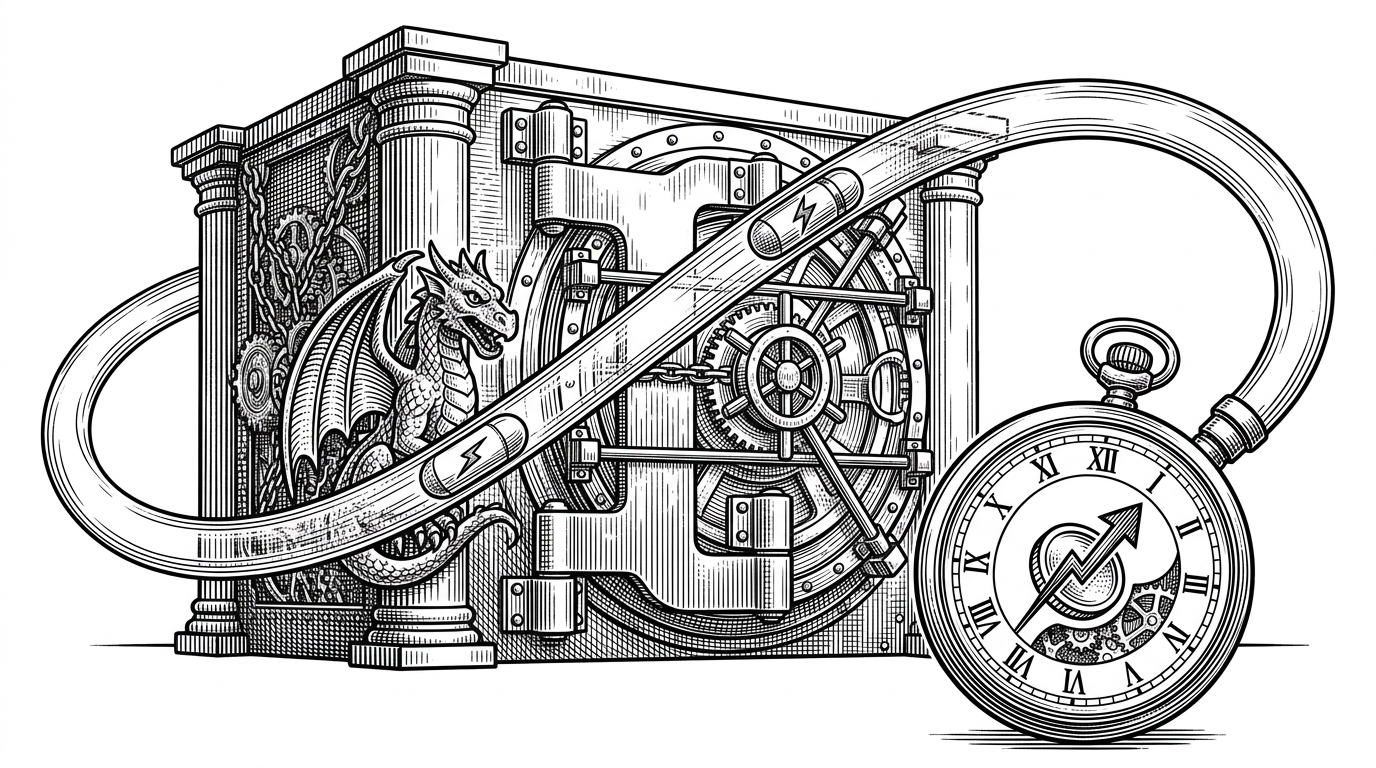
- GLNC eliminates developer liability by utilizing a zero-backend architecture that routes Plaid financial data directly into the iOS Keychain rather than a cloud database.
- The application prioritizes passive consumption over active analysis, restricting its interface to a lock screen widget that distills complex transaction histories into a single daily spend metric.
- The glnc-site repository acts strictly as a 7KB static compliance artifact, existing solely to satisfy Apple's App Store Review Guidelines without adding technical debt.
The Fintech App with No Database
Most personal finance tools act as data brokers. They ingest your transaction history into their own AWS instances, parse the data, and render complex charts on proprietary dashboards. This approach introduces immense security liability and infrastructure overhead. GLNC, an iOS-based personal finance application, takes the exact opposite approach. It explicitly operates with a no-server storage policy.
By offloading all state to the client, the developer completely sidesteps the need for a backend database. The architecture is defined by what it lacks.
Bypassing the Cloud
The technical flow of GLNC relies entirely on client-side orchestration. The app uses Plaid to generate access tokens, but these tokens are never sent to a developer-controlled server. Instead, they are stored securely in the local iOS Keychain.
When the widget needs to refresh, the client device makes the API call directly. The iPhone processes the raw transaction data, calculates the daily spend, and passes the final integer to the widget via iOS App Groups. The developer's infrastructure is completely blind to the user's financial activity.
The Death of the Dashboard
This zero-liability architecture is only possible because of a specific product philosophy. GLNC abandons the traditional analytics dashboard. Because the app only aims to show a single number on a lock screen, it has no need to store a historical ledger of transactions.
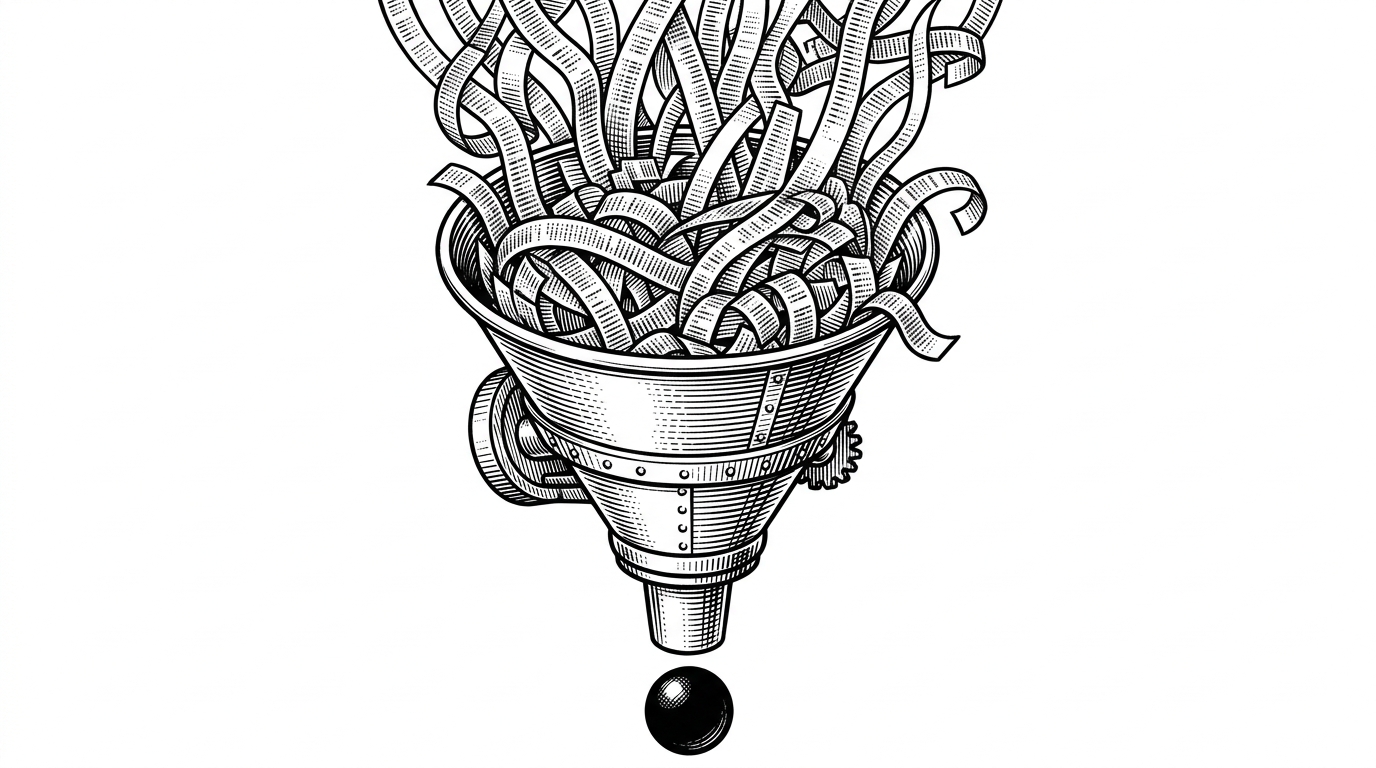
It embraces passive consumption over active chart-reading. The user gets the information they need in two seconds without unlocking their phone, and the app avoids the burden of managing state.
The 7KB Compliance Artifact
The actual glnc-site repository is a masterclass in minimalism. It contains no frameworks, no external dependencies, and no build steps. It is pure HTML5 and CSS3, styled to mimic native iOS design.
Its existence is purely administrative. Apple's App Store Review Guidelines require apps to provide a Privacy Policy and a Support URL. This 7KB static site serves exactly that purpose and nothing more, perfectly mirroring the minimal footprint of the application it supports.
| Feature | Legacy Fintech App | GLNC Micro-Utility |
|---|---|---|
| Data Storage | Cloud Database | Local iOS Keychain |
| Primary Interface | In-App Analytics Dashboard | Lock Screen Widget |
| Backend Infrastructure | AWS or GCP Clusters | 7KB Static Site |
| Developer Liability | High (Target for data breaches) | Zero (No data stored) |