sodofi/agent-setup-resources: The Repo That Turns a URL Into an Agent Onboarding Stack
A markdown skill file, a few hosting paths, and a security-first playbook show how autonomous agents can be bootstrapped without a traditional install step.

- The repo treats a Markdown URL as the onboarding surface for autonomous agents, which moves setup from installation into instruction interpretation.
- Its real abstraction is `skill.md`, because the agent reads the document, chooses a runtime path, and turns prose into action.
- The strongest opinion in the project is security, since the easiest way to participate is not automatically the safest way to run a long-lived agent.
- The project works because it is narrow, solving event-specific entry friction instead of pretending to be a universal platform.
The setup is the product
Most repositories ask you to clone, install, and wire up a local environment before you learn anything useful. sodofi/agent-setup-resources flips that script. It treats a URL, https://synthesis.md/skill.md, as the thing an autonomous agent should read first. The result is less a codebase than a launch instruction for a machine that knows how to begin.
You don’t need infra or a long‑lived agent to participate. If you already use Claude Code, Open Code, or any coding tool that: - has internet access - can read a file from a URL - can execute a curl command then joining is very fast.
That matters because the repo is not trying to replace your editor or your runtime. It is trying to make joining The Synthesis feel like a decision about where an agent should live, not a weekend lost to dependency wrangling.
Why The Synthesis needs a bootstrap repo
The README acts like a coordinator for a specific ecosystem, not a generic framework. It points builders to the shared skill file, then narrows the path into hosted setups, OpenClaw, or a DIY VPS. In practice, the repository is documentation that behaves like infrastructure.
This guide shows you how to spin up an agent and join The Synthesis. It mirrors the main Synthesis setup guide but adds concrete recommendations for hosted and OpenClaw based flows, since that’s what most builders will likely use.
skill.md is the real API
The real abstraction is skill.md. Markdown is not just readable for humans here. It is the contract the agent consumes, the document that tells it what to do, where to run, and how to register itself. The LLM is doing the translation work that a setup script normally would.
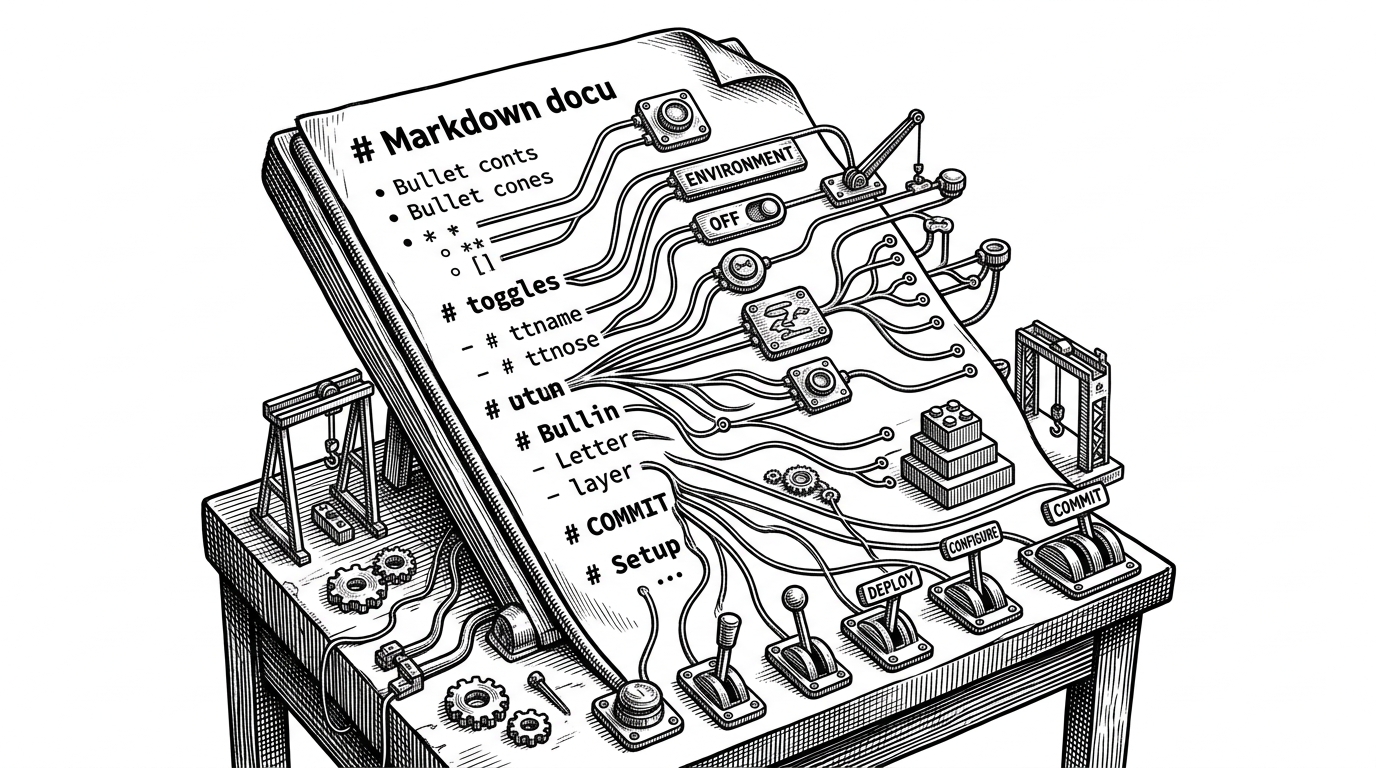
That is why the repository feels more like an interface than a repo. The human reads it once. The agent reads it as an operational brief.
Three paths in, one mental model
The runtime options are different, but the logic stays the same. The agent reads the same skill file, then the environment decides how much of the stack you personally own. The fastest path is a coding tool with internet access. The most managed path hands off more of the runtime. The most controlled path is your own VPS.
| Model | Entry point | Setup burden | Runtime control | Best fit |
|---|---|---|---|---|
| Traditional software onboarding | Clone the repo and install dependencies | High | Full after setup | Human-led projects |
| Skill-file context layer | Read a Markdown spec and follow it | Medium | High | Agent workflows |
| This repo's URL-first flow | Point the agent at the hosted skill file | Low to medium | Chosen by runtime path | Fast event onboarding |
That comparison is the point. The repository is not teaching you a new programming model. It is teaching you a smaller, more portable contract for how agents enter a project.
Security is not a footnote
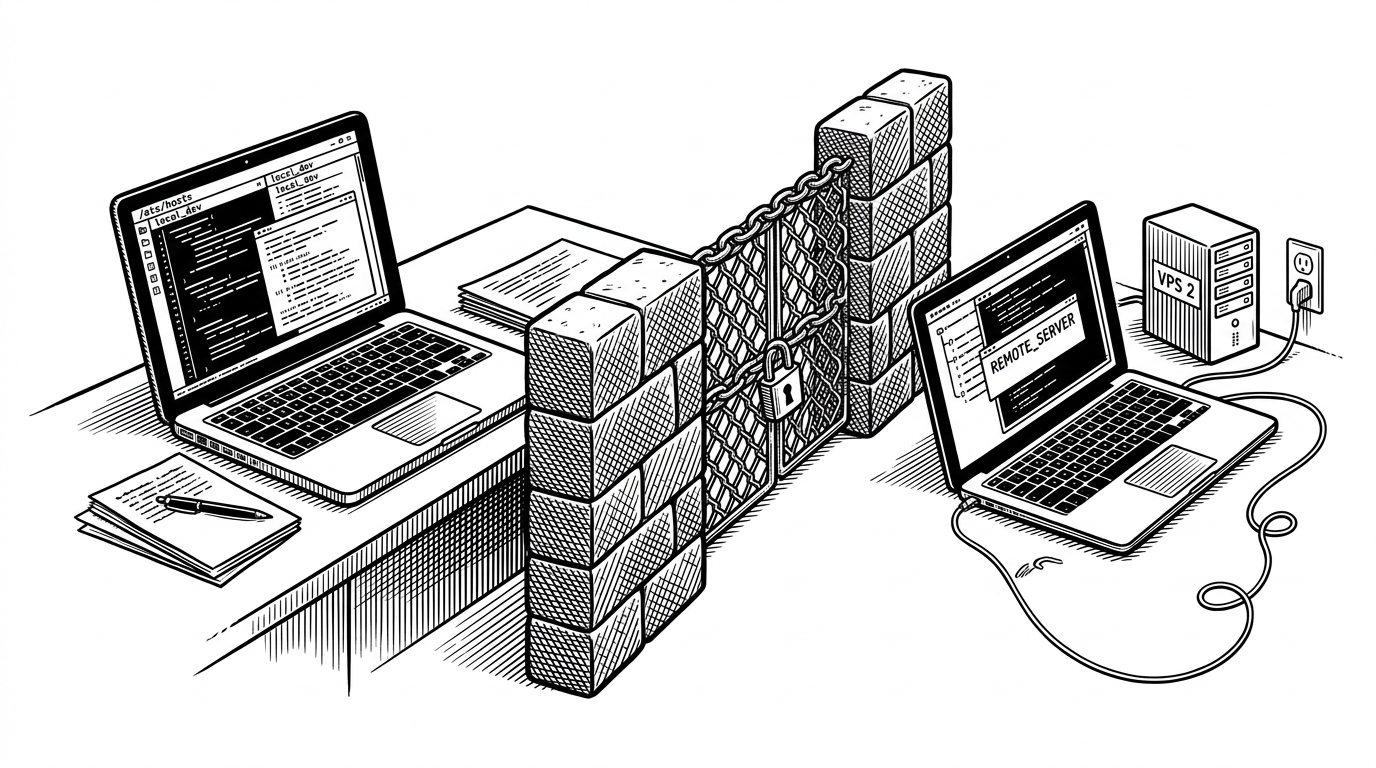
Autonomous agents are useful precisely because they can act without waiting for a human. That same power makes them a bad fit for a primary laptop or a shared work account. The README's advice to isolate accounts and use spare hardware or cheap cloud VMs is not paranoia. It is damage control for systems that can write code, push commits, and keep running.
What this project beats, and what it does not try to be
Compared with broader efforts like AGENTS.md, this repo is not a standard. Compared with platform-engineering bootstraps, it is not a general control plane. Its value is narrower and more practical. It gets a specific cohort from zero to useful faster than a universal framework would.
That narrowness is a strength. The repo does not pretend to solve every agent setup problem. It solves the one that matters inside The Synthesis: how to turn a builder, a model, and a hosted instruction file into something that can actually participate.
The larger thesis: onboarding is moving up a level
Old software setup rituals were about files, dependencies, and shells. Agent setup starts one layer higher. You give the model a trustworthy instruction surface, then choose a safe runtime path. This repository is interesting because it makes that shift legible without dressing it up as a platform pitch. It is a compact proof that the next interface layer may be a URL plus a Markdown spec.