celo-personality-miniapp Is Almost Empty, and That Is the Thesis
A tiny Celo MiniApp repo that hints at a bigger shift: mobile-native distribution, onchain identity, and personality as a product surface.

dev/acc @ethereum
- The repository's emptiness is the story, because the name already reveals a product thesis about identity and mobile distribution.
- Celo plus MiniApp points toward a lightweight, host-platform experience rather than another heavyweight standalone dApp.
- The word personality matters because it suggests identity as an evolving signal, not a static profile card.
- The real challenge is turning tiny mobile interactions into something durable enough to guide access, tone, or trust.
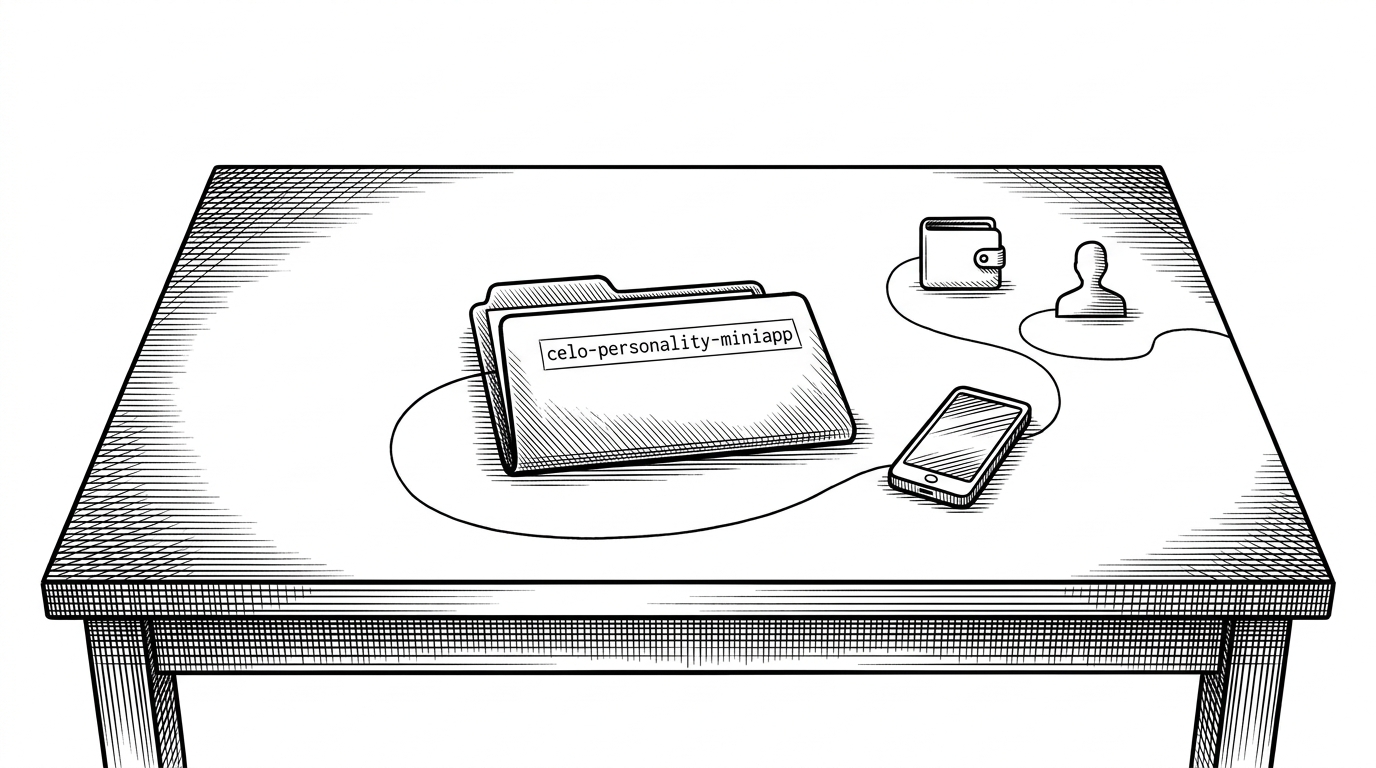
Most repos are interesting when they ship something. This one is interesting because it does not. celo-personality-miniapp reads like a product memo compressed into a folder name, where the title does more explanatory work than the tree.
The repo is almost empty. That is the clue.
There is no scaffold to audit, no dependency graph to trace, and no UI to critique. What exists is a one-line README and a name that bundles three strong signals: Celo, personality, and MiniApp. Taken together, they point at a very specific kind of Web3 product, one that cares more about mobile access and behavioral identity than about sprawling application surface.
That profile line is the closest thing to an origin story in the public record. It is short, but it places the builder squarely inside the Ethereum-native experimental lane, where the repo name is likely less a finished product than a direction of travel.
What Celo and MiniApp signal together
Celo implies a mobile-first EVM environment. MiniApp implies a product that lives inside a host surface instead of asking users to install yet another standalone app. That tradeoff matters. You give up some flexibility, but you get a distribution path that is faster to reach, easier to open, and better suited to small repeated interactions.

| Surface | What it optimizes for | What you trade away |
|---|---|---|
| Standalone dApp | Maximum control over UI, flow, and custom logic | More friction, more setup, more abandonment |
| MiniApp inside a host | Fast access, repeat use, and distribution | Less room for bespoke UI and full-stack freedom |
Why personality is the interesting word
Personality is not a neutral label. It can mean behavioral style, an onchain identity layer, AI tone, or a lightweight reputation signal. The ambiguity is useful, because it suggests the project is not just about what users do. It is about what the app learns to infer from those actions.
How the implied loop would work
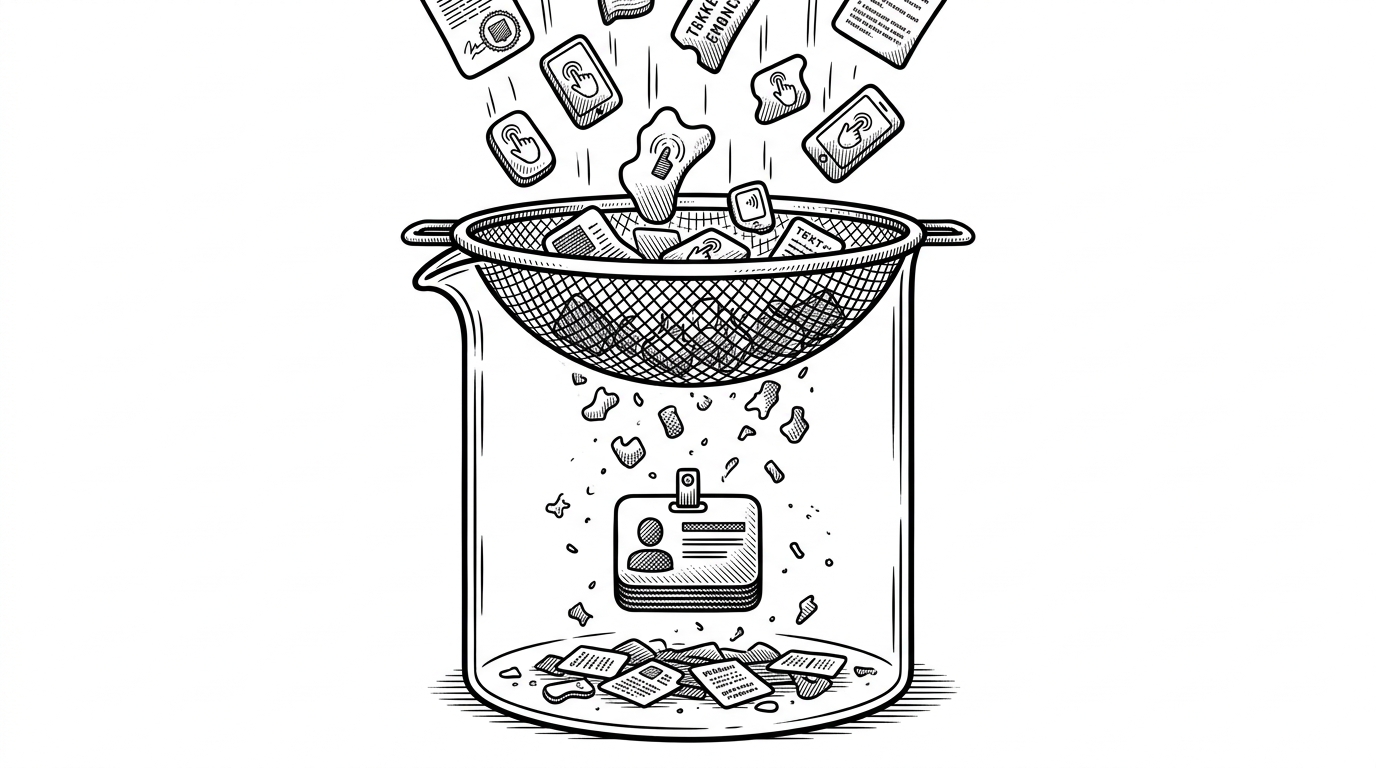
The implied product loop is simple enough to describe and hard enough to build well. A user makes small mobile interactions. The app normalizes those signals, weighs them for recency or confidence, and filters out noise. Over time, the system can turn sparse activity into something useful for personalization, access gating, or reputation hints.
What this project is up against
The useful comparison is not with a random crypto app. It is with projects that treat identity, behavior, and presentation as the product itself. That makes the contrast sharper, because celo-personality-miniapp appears to be chasing the same broad question from a different angle: how do you make an identity system feel lightweight enough to live on mobile?
| Project | What it seems to optimize for | Identity model |
|---|---|---|
| celo-personality-miniapp | Celo-native mobile distribution with personality as the premise | An implied evolving signal that could shape access or tone |
| OpenClaw identity architecture | Agent identity as explicit behavior and presentation layers | Soul plus Identity separation |
| Persona World | Simulated characters with emotional dynamics | Behavioral state inside a world model |
| Persona by morikeli | Avatar generation and visual customization | Appearance-first identity |
That table makes the lane clearer. OpenClaw is about explicit agent identity. Persona World is about simulation. Persona by morikeli is about appearance. This repo, at least by name, is trying to make personality feel native to a mobile crypto surface rather than to a desktop app or a pure avatar tool.
Why this tiny repo matters anyway
The project matters because it compresses a real market shift into a tiny footprint. Crypto UX is moving toward smaller surfaces, less ceremony, and more context-aware behavior. If this repo grows into what its name suggests, it will not just be another app. It will be a claim that identity can be built from repeated micro-interactions, then made useful without feeling heavy.