starling-developer-sdk: Programming the Vault
How the UK's leading challenger bank turned 'The Business of Money' into a modular, schema-validated JavaScript object.

- The SDK enforces strict client-side schema validation to catch financial logic errors before requests reach the network.
- An Entity Service architecture maps complex banking domains into discoverable JavaScript namespaces like accounts and cards.
- Native SDK integration provides deeper access to bank-specific features like Savings Goals compared to generic third-party aggregators.
- Developers can safely transition from a simulated sandbox to live production environments by changing a single configuration parameter.
The Client-Side Gatekeeper
Most API wrappers are simple HTTP clients. They take your parameters, attach a token, and fire off a request. The Starling Developer SDK takes a fundamentally different approach. It acts as a strict, client-side gatekeeper for financial data.
In traditional banking, moving money relies on opaque, batch-processed black boxes. In this SDK, moving money is a validated JavaScript Promise. The project's brilliance lies in its validation layer. It uses strict schema enforcement to catch financial logic errors before a single byte hits the wire.
If you pass an invalid IBAN or a malformed UUID, the SDK throws an error locally. It effectively moves the 'Bank Manager' into your client-side code, saving network round-trips and preventing malformed requests from ever reaching the production servers.
Mapping the Bank to the DOM
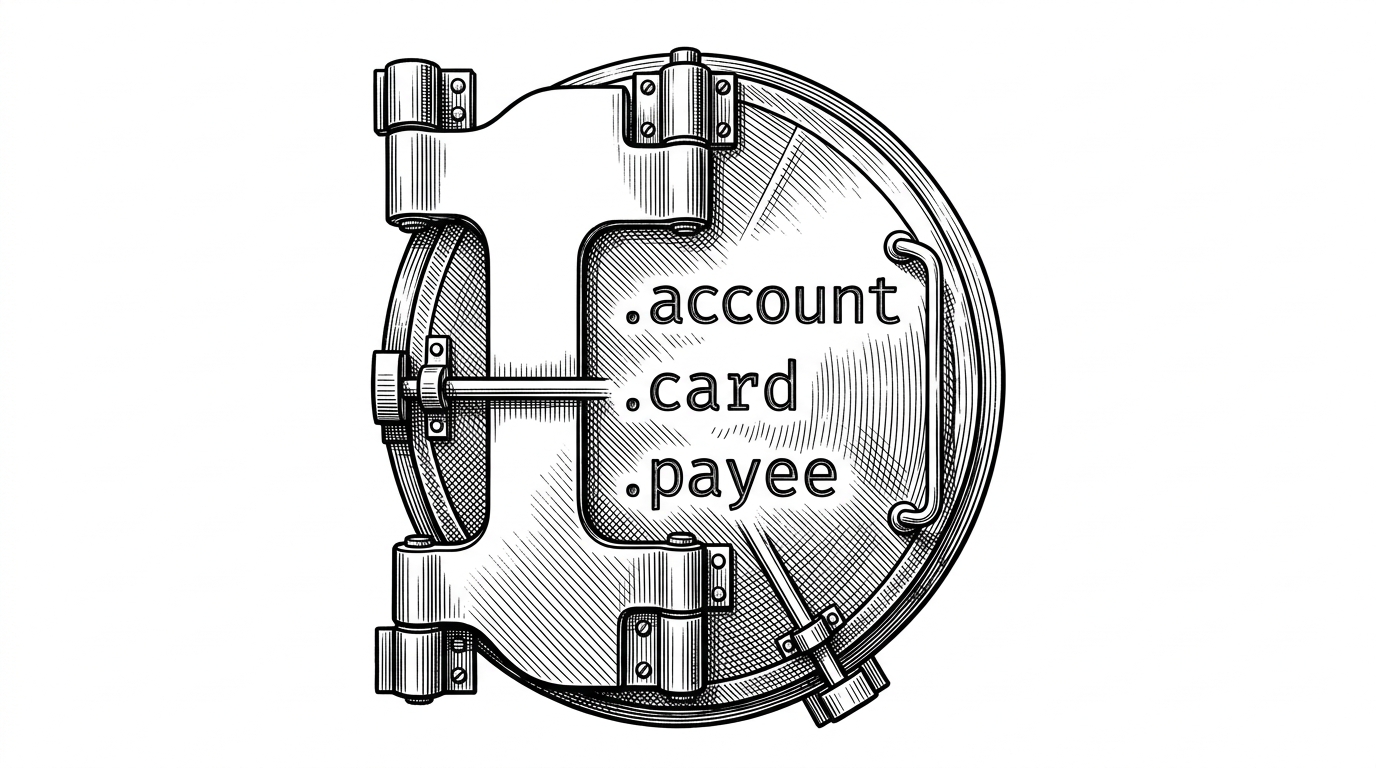
The architecture mirrors the bank's internal hierarchy. It uses an Entity Service pattern where complex banking domains are isolated into clean, predictable classes. You interact with namespaces like client.account, client.card, and client.payee.
This makes the API highly discoverable. Developers do not need to memorize complex REST paths. They simply rely on IDE autocomplete to explore the bank's capabilities.
The Fintech Differentiator
When incumbents were still struggling with XML over SOAP, Starling was building features like 'Spaces' and 'Savings Goals'. Traditional banks simply did not have APIs for these concepts. The SDK represents these modern banking features as simple, manipulatable JavaScript objects.
Aggregator or Native?
Developers building financial applications face a critical choice. Do you use a massive aggregator like Plaid or Yapily to connect to thousands of banks, or do you use a native SDK like Starling's? The answer depends on feature depth versus breadth.
Aggregators provide a normalized data model. They strip away bank-specific features to maintain a common denominator interface. The Starling SDK provides direct access to deep, bank-specific features without the middleman.
| Feature | Starling SDK | Multi-Bank Aggregators |
|---|---|---|
| Cost | Free | Per-User or Per-Call |
| Feature Depth | Full access (Savings Goals, Card Controls) | Common denominator data only |
| Setup Complexity | Direct API Key | Complex Redirect Flows |
| Maintenance | First-party, immediate updates | Third-party lag |
From Sandbox to Production
Testing financial software carries inherent risk. The SDK mitigates this through a seamless environment switch. By simply changing the apiUrl configuration, developers transition from a safe-to-fail sandbox to the high-stakes production vault.
The test suite accompanying the SDK is equally robust. It relies heavily on JSON mock responses to simulate API behavior. This provides a living schema of what the bank actually returns, allowing developers to test money movements without real-world consequences.