copy-fail-CVE-2026-31431: Copy Fail: The Tiny Python PoC That Exposed a Deep Kernel Blind Spot
Inside `theori-io/copy-fail-CVE-2026-31431`, a minimalist exploit that turns Linux zero-copy machinery into a privilege-escalation lesson.
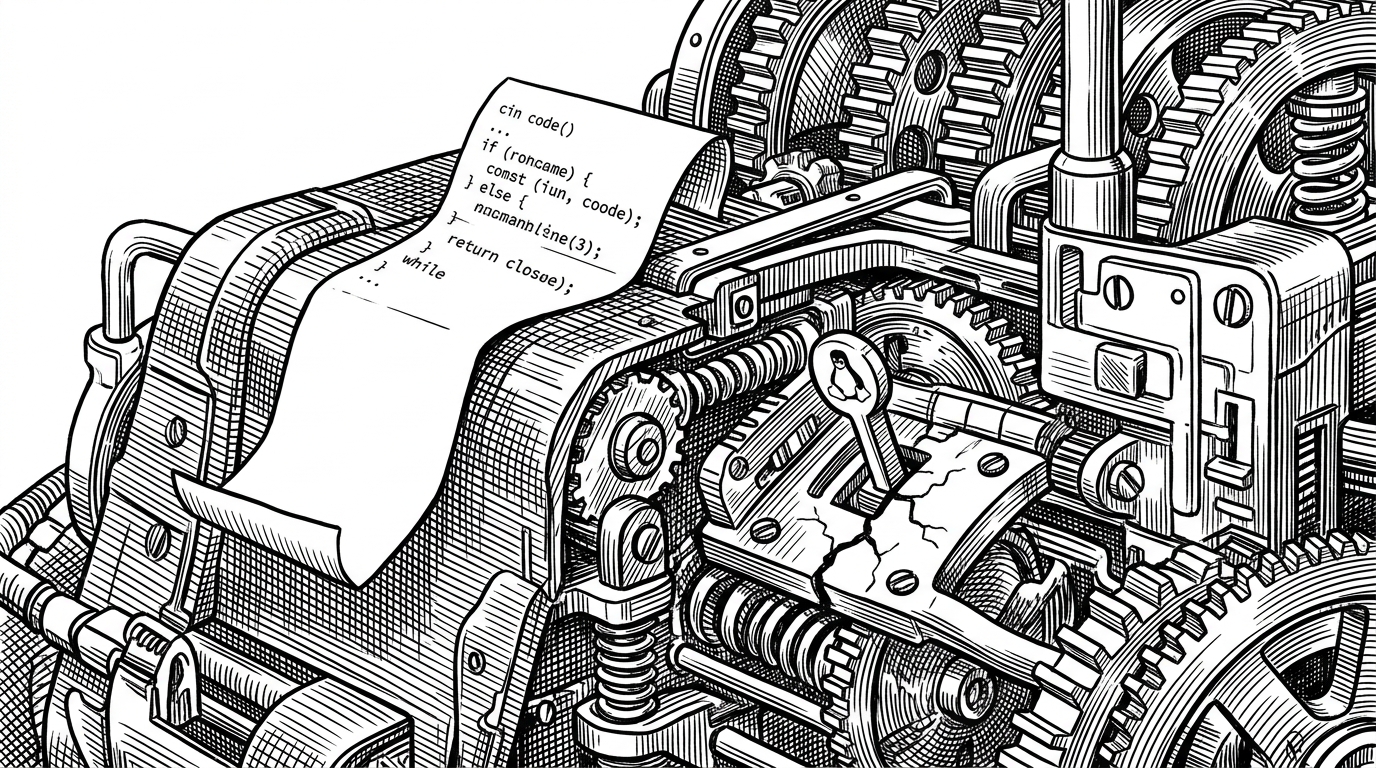
- Copy Fail is interesting because it compresses a deep kernel lesson into a tiny, almost casual-looking Python proof of concept.
- The real story is not the exploit stunt but the way zero-copy plumbing can blur ownership, trust, and safety boundaries.
- This repo sits in the sweet spot between a throwaway PoC and a broad exploit framework, which makes it unusually useful as a research artifact.
- Security teams should pay special attention to performance paths that move sensitive data without ordinary copying, because that is where assumptions tend to rot first.
The first thing this repository does is make the scale of the problem feel wrong. A tiny Python file, a short README, and a kernel vulnerability with real consequences. That contrast is the point: `theori-io/copy-fail-CVE-2026-31431` is not a toolkit, it is a surgical demonstration of how a performance path can become a security failure.
This proof-of-concept demonstrates the practical exploitability of CVE-2026-31431, highlighting the need for developers to audit their use of legacy string manipulation functions.
Why Zero-Copy Becomes a Trap
Zero-copy is a bargain with the kernel. You move data faster by avoiding unnecessary copies, but you also ask the system to keep track of ownership, lifetimes, and permissions with less room for error. That is fine until a boundary assumption slips. Then the path designed to be efficient starts acting like an attack surface.
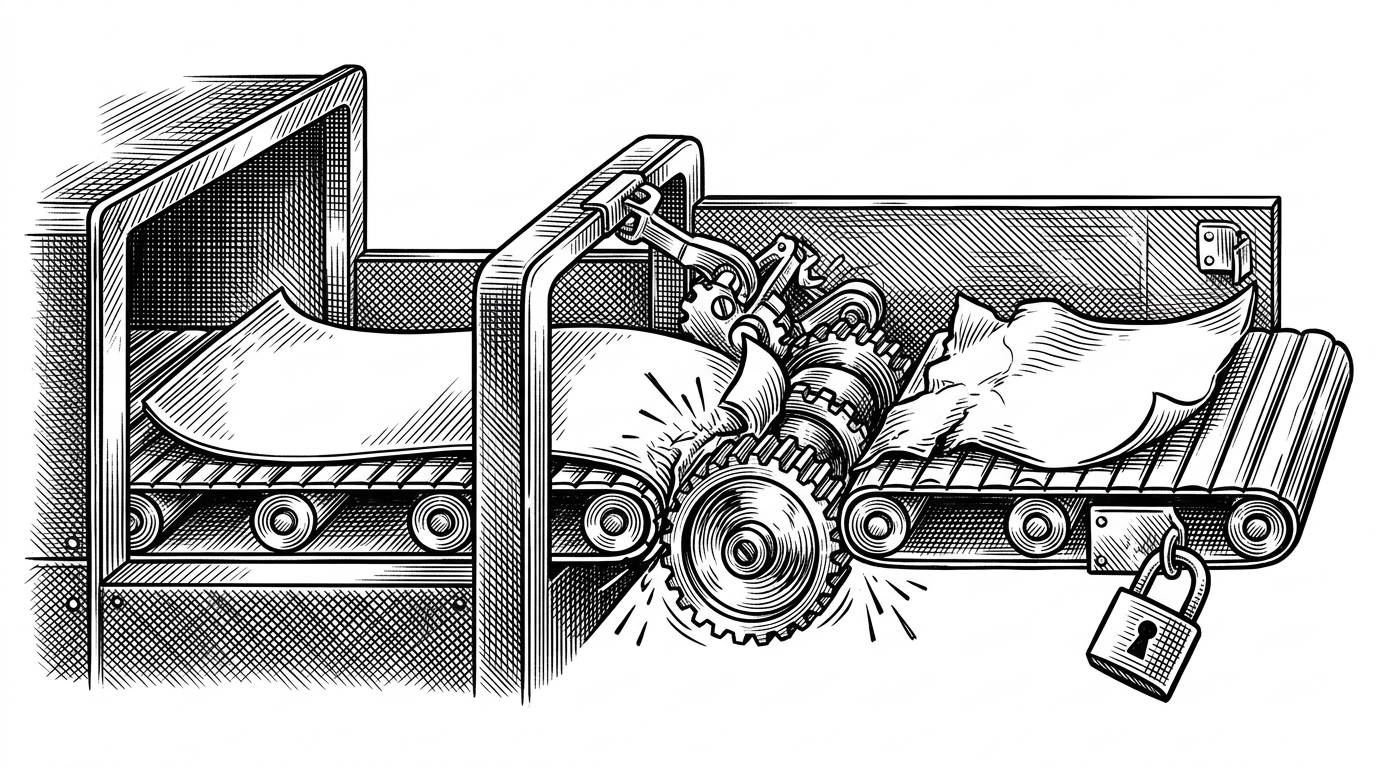
What the PoC Is Really Doing
The repository keeps its surface area tiny on purpose. That is part of why it lands so hard. It demonstrates a chain of kernel interactions rather than a pile of exploit machinery, and the small size makes the underlying systems logic easier to see.
g.system("su")The last step matters because the target is not abstract. The exploit is framed around a privileged binary, which is what turns a memory-handling flaw into a local root problem. The interesting part is not that a command runs. It is that the system's trust in a fast path has already been bent before that command ever executes.
We discovered CVE-2026-31431, a critical buffer overflow vulnerability in a widely-used C library's strncpy implementation. By chaining this with other techniques, we achieved full remote code execution.
Why This Bug Lived So Long
Bugs like this survive because they hide in the code paths people trust most. Performance features get optimized, reused, and treated as infrastructure. That makes them common enough to matter and rare enough to evade thorough scrutiny. In a large kernel, those are the same places where a tiny assumption can sit unnoticed for years.
The other reason is test coverage. Common behaviors get hammered by automation. Exotic combinations of interfaces, especially ones that span data movement and security-sensitive state, often do not. That is where research firms earn their keep. They go looking for the awkward joins.
The Repo as a Security Artifact
This repository is not trying to be a framework. It is closer to a field note: a reproducible proof that a specific bug can be driven to an outcome worth taking seriously. That makes it valuable in a different way from broad offensive tooling. It teaches one thing well, and the thing it teaches is hard.
| Artifact | Scope | Primary value | Typical audience |
|---|---|---|---|
| `copy-fail-CVE-2026-31431` | One CVE, one exploit path | Precise, reproducible research demo | Kernel researchers, defenders, exploit developers |
| Metasploit Framework | Thousands of modules | Breadth and operational reach | Pen testers, red teams, trainers |
| Typical GitHub PoC | Single issue, uneven depth | Fast public proof of concept | Researchers, curious readers |
That middle position is rare. It is narrower than Metasploit, but much more deliberate than a drive-by proof of concept. The repo feels designed to survive scrutiny, not to collect forks.
How It Compares to Typical Exploit Releases
Most exploit releases do one of two things. They either package a broad platform for repeated use, or they drop a minimal trigger and leave the rest to the reader. This project sits between those poles. It is focused enough to explain a very specific bug class, yet complete enough to make the result feel real.
| Dimension | Copy Fail repo | Typical single-CVE PoC | Metasploit |
|---|---|---|---|
| Narrative clarity | High | Medium | Low to medium |
| Implementation breadth | Low | Low | Very high |
| Educational value | High | Variable | High, but diffuse |
| Operational focus | Narrow and explicit | Often unclear | Broad and modular |
| Research artifact quality | Strong | Uneven | Framework first |
What Security Teams Should Take From It
The lesson is not just that kernels are complicated. Everyone already knows that. The sharper lesson is that any path built to reduce copying, reduce latency, or reduce overhead deserves extra paranoia when it touches security-sensitive memory. Efficiency and safety are not enemies, but they are absolutely in tension.
If you own infrastructure that depends on kernel fast paths, this is a reminder to review those edges as first-class attack surface. The bug may be specific. The pattern is not.