`ultraworkers/claw-code`: The Open-Source Harness That Tries to Rebuild a Black Box
The Rust runtime matters, but the real innovation is the parity machinery that makes an AI coding agent observable, testable, and easier to reason about.
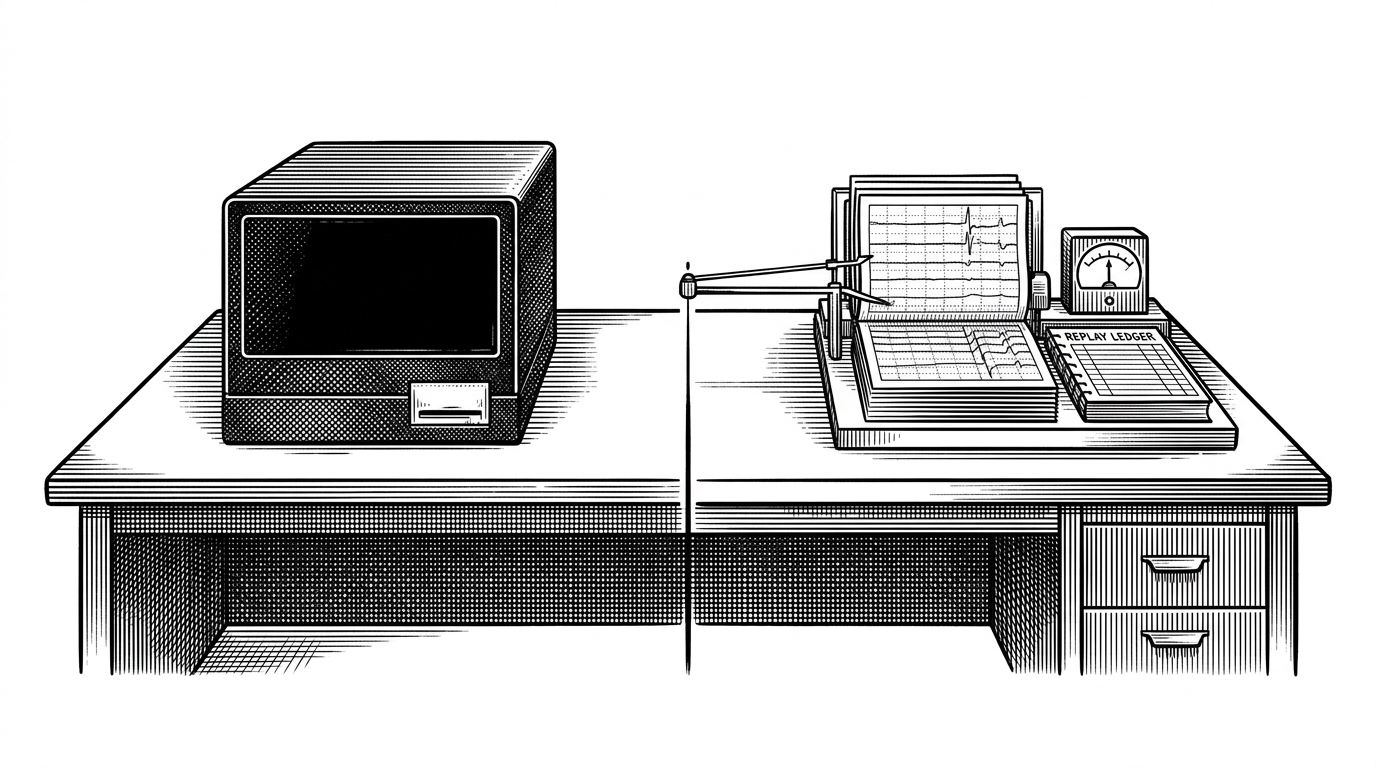
- Claw Code's core idea is not that it runs an AI coding agent, but that it wraps the agent in a parity harness that can be observed and tested.
- The Rust workspace separates provider logic, runtime execution, commands, and plugins so the model layer stays flexible while the execution layer stays strict.
- Sandboxing, policy checks, prompt caching, and compaction are product features here because they decide whether long agent sessions stay safe and usable.
- The project's real comparison with Claude Code, Cursor, and Copilot is about control and auditability, not raw model charisma.
The test rig is the product
Most AI coding tools sell capability. Claw Code sells legibility. The project wraps an agent in a harness that can be replayed, checked, and compared against a baseline, which matters because the failure mode is not just bad output. It is hidden behavior.
That is why the parity story is the hook. If a tool can change its mind, run shell commands, and touch files, then behavior drift is a product problem, not a footnote. Claw Code treats that drift as something you should be able to see, diff, and test.
Clean-room implementation
sit down and rewrite everything from scratch.
What Claw Code actually runs
The repository is a Rust workspace split into a few clear jobs. `api` speaks to model providers and handles streaming responses. `runtime` owns the conversation loop, bash execution, file operations, policy enforcement, and MCP integration. `commands` defines the slash commands, `plugins` extends the surface, and `rusty-claude-cli` renders the terminal experience.
That separation is the architecture. The provider layer keeps the model choice abstract, while the runtime decides what can actually happen on disk or in a shell. In practice, the agent is less a chatbot and more a dispatcher for commands, permissions, and tool calls.
Why Rust changes the trust story
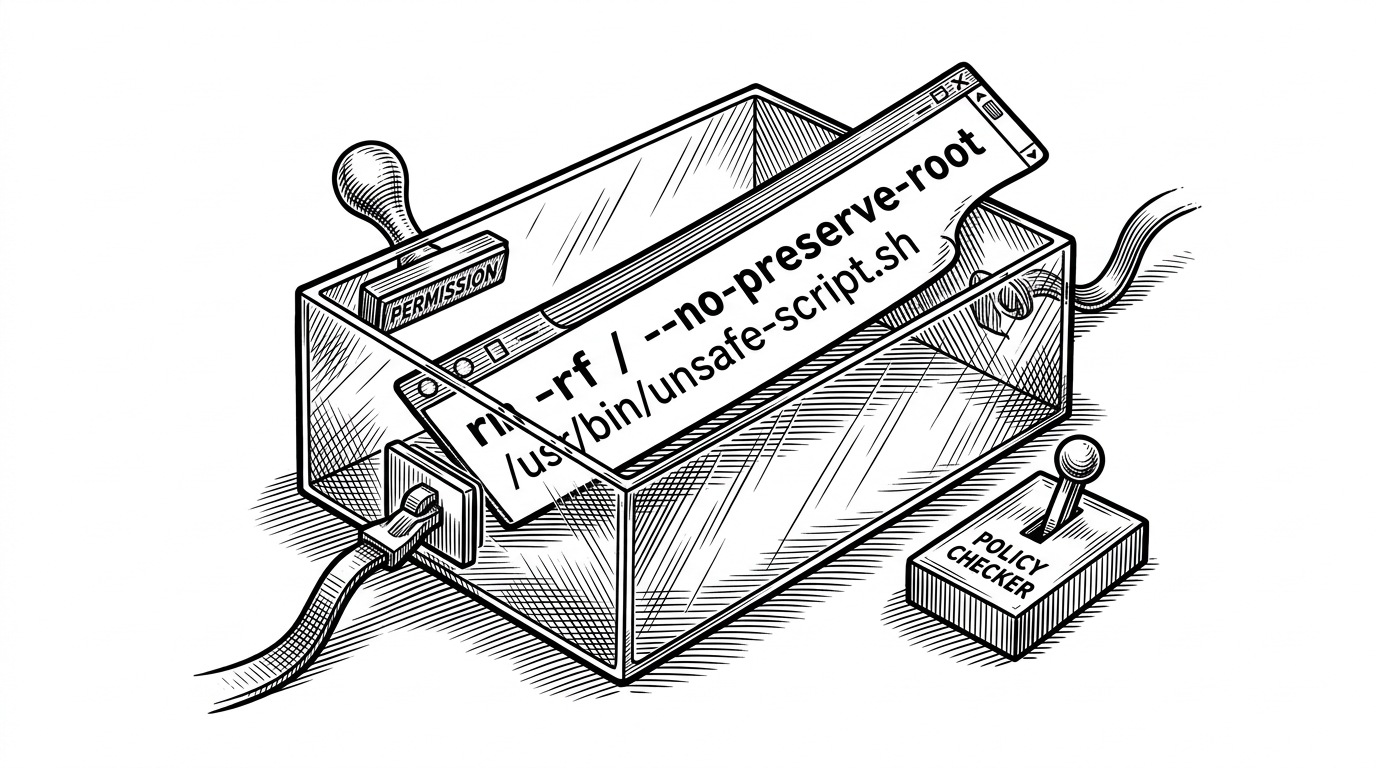
Rust is not a trophy here. It is a way to constrain a high-risk runtime. The repo forbids `unsafe_code`, leans on strong types, and keeps the boundary between orchestration and execution explicit. That matters when the product is allowed to run shell commands against a real filesystem.
The trade-off is clean. The model layer can stay flexible, because the provider abstraction can route across vendors. The execution layer can stay strict, because the sandbox, policy engine, and permission checks decide what survives the journey from prompt to action.
How Claw Code keeps long sessions usable
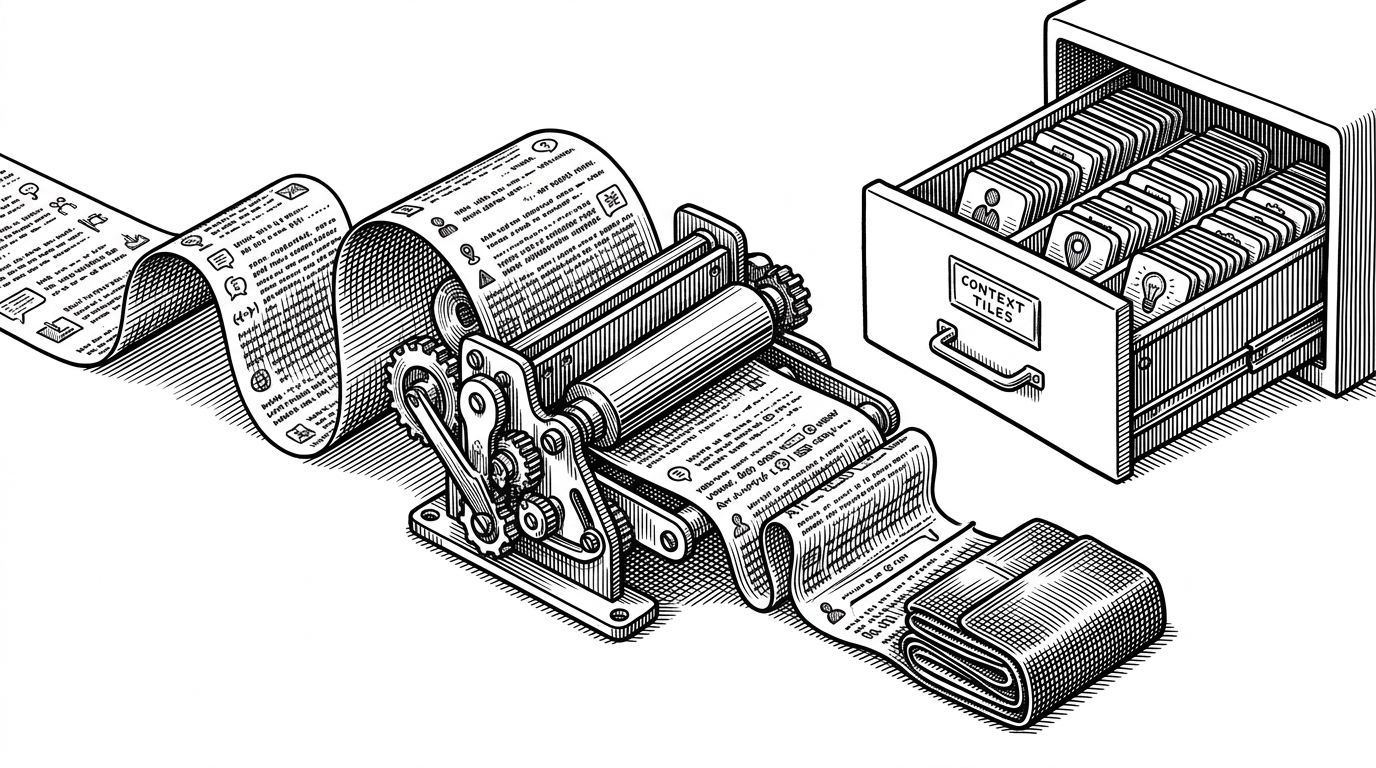
Long sessions are where agent tools usually break down. Context grows, cost rises, and the model starts carrying too much history to stay sharp. Claw Code answers with prompt caching and compaction, including a `/compact` command that folds a long thread into a shorter working state.
That sounds mundane until you think about the workflow. A tool that only works on fresh prompts is a demo. A tool that can trim its own memory without losing the shape of the task can stay in the loop long enough to finish real work.
Where the project came from
The origin story is part technical and part social. Claw Code emerged as a clean-room rewrite of a closed tool, which is why the repo carries so much attention around parity. The point was not novelty for its own sake. It was to build an auditable version of a system developers already wanted to inspect.
That also explains why the project feels bigger than a single repository. The surrounding UltraWorkers ecosystem makes it look less like a one-off clone and more like an attempt to standardize agent infrastructure around a shared runtime story. In that frame, the harness is the message.
How it compares with the incumbents
Claude Code, Cursor, and GitHub Copilot all solve adjacent problems, but they optimize for different parts of the stack. Claw Code is narrower and sharper. It offers runtime control, provider flexibility, sandboxing, and a testable core that can be forked, audited, and extended.
| Axis | Claw Code | Claude Code | Cursor | GitHub Copilot |
|---|---|---|---|---|
| Openness | Open-source Rust harness | Proprietary product | Proprietary product | Proprietary product |
| Runtime control | Sandbox, shell, filesystem, MCP under repo control | Vendor-controlled runtime | Editor-centered runtime | IDE-centered runtime |
| Provider flexibility | Anthropic, OpenAI, xAI support through abstraction | Claude-first | Multiple models inside the product | GitHub and Microsoft ecosystem first |
| Testability | Parity harness and replay-oriented workflow | Limited external visibility | Product-level telemetry | Product-level telemetry |
| Best fit | Teams who want an auditable agent infrastructure | Users who want a polished vendor tool | Developers who live in the editor | Teams already standardized on GitHub |
The comparison is not about who has the smartest model. It is about who gives you the most leverage over behavior. Claw Code's answer is to make the agent feel less like a spell and more like software.