AISTATS_VESDE: The Diffusion Repo That Already Knows the Answer
By swapping a learned score network for a closed-form Gaussian mixture, this tiny research codebase turns sampler design into a test of discretization error, correction steps, and variance schedule choice.
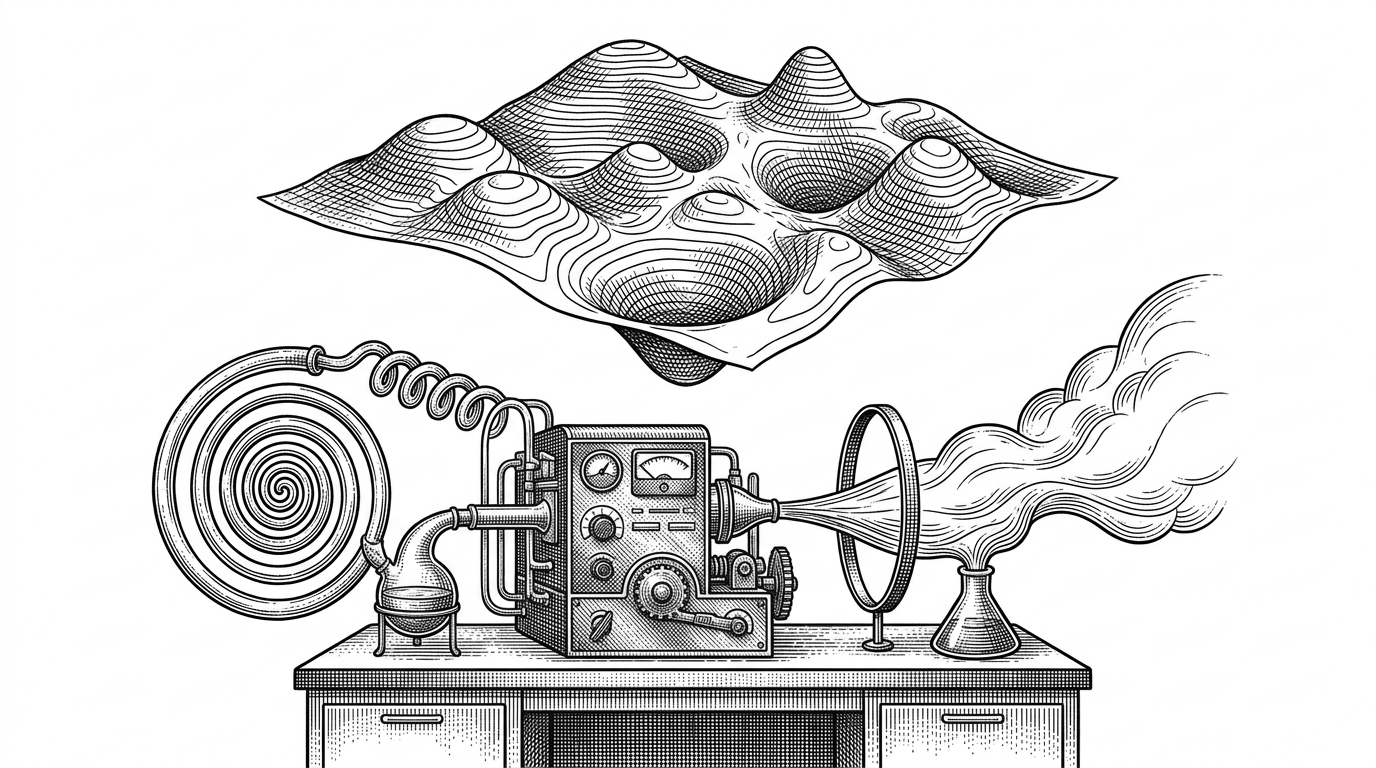
This folder contains two .py files, DPUM.py is the DPUM algorithm implemented in [1], and PFODE_Corrector_VESDE.py is the VE-based algorithm we improved on it. Readers only need to click run, the file will automatically generate a closed-form score function and run the algorithm to calculate the KL divergence.
- AISTATS_VESDE turns diffusion sampling into a controlled experiment by making the target score analytic instead of learned.
- That setup removes model approximation from the story and exposes the sampler, schedule, and corrector as the real variables.
- The repo's main contrast is geometric: a DPUM baseline on one side, a VE-style predictor-corrector path on the other.
- Its flat two-script structure is a feature because it keeps the experiment reproducible and easy to inspect.
The setup: a diffusion experiment with the answer sheet visible
Most diffusion repos try to make the score network stronger. AISTATS_VESDE takes a sharper route. It builds a Gaussian mixture with a closed-form score, then asks a narrower question: when the answer is known, which sampler gets closest with the least numerical damage?
That framing explains why the codebase feels small but serious. Two Python scripts are enough because the experiment is synthetic, reproducible, and hostile to hand-waving. Every run compares sampling behavior against the same analytic target.
Why closed-form scores change the entire experiment
In a learned diffusion model, the score estimate is part of what you are trying to improve. Here, the score comes from the target density itself. That removes approximation error from the equation and leaves the sampler, the noise schedule, and the correction step exposed.
DPUM versus VE-corrector: same target, different geometry
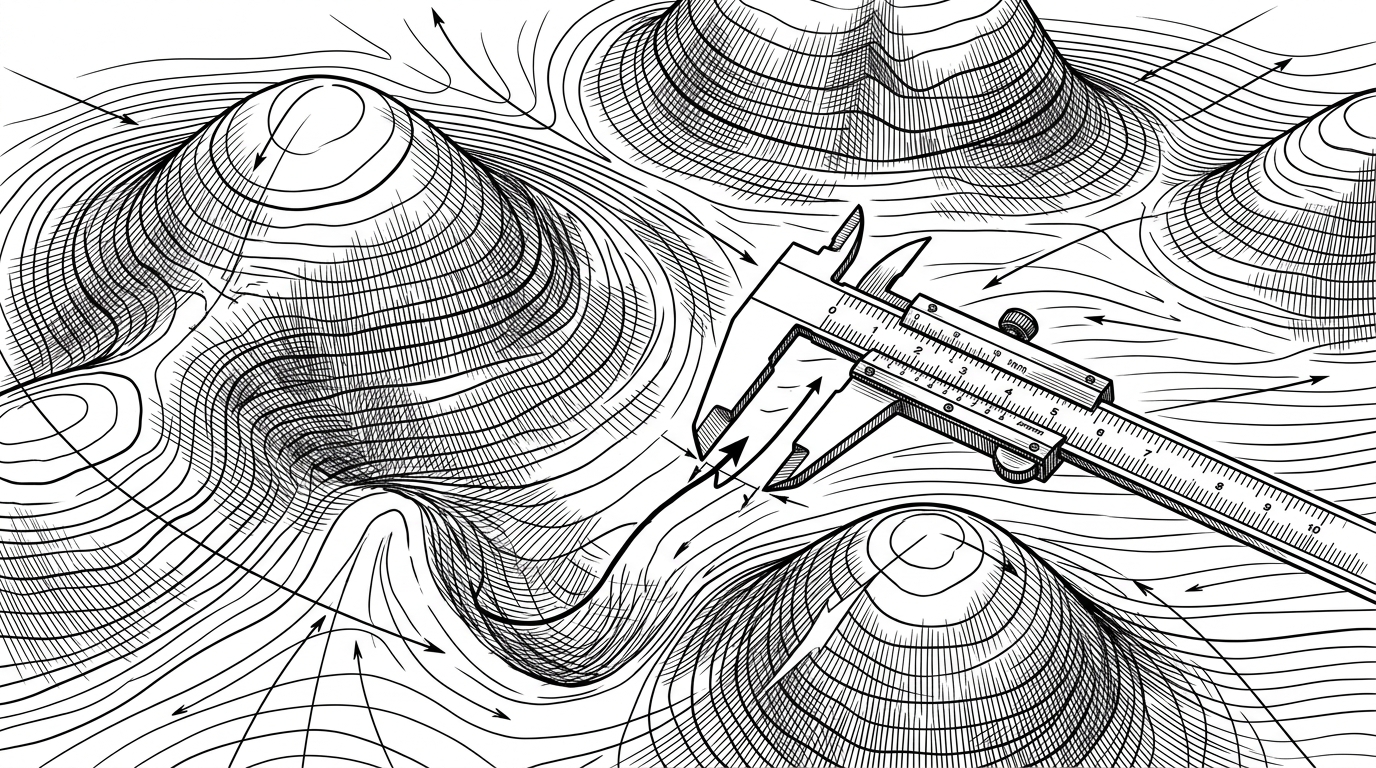
This is the repo's main technical contrast. Both scripts work against the same analytic mixture, but they push the sampler through different geometry. One follows the DPUM baseline from Chen et al. through a variance preserving path. The other shifts into a variance exploding setup and adds a predictor-corrector step to pull samples back into alignment.
| Approach | Score source | Noise geometry | Corrector | What it isolates | Practical takeaway |
|---|---|---|---|---|---|
| DPUM baseline | Closed-form score on the synthetic mixture | Variance preserving | Underdamped correction | Solver behavior under the original PFODE setup | A strong baseline for measuring discretization error |
| VE-corrector variant | Closed-form score on the same mixture | Variance exploding | Predictor-corrector with a Langevin-style nudge | Whether VE geometry stabilizes the path | The repo's main experimental twist |
| Typical learned-score diffusion repo | A neural network approximation | Usually fixed by the model family | Optional or bundled | Training error mixed with sampling error | Harder to tell what actually improved |
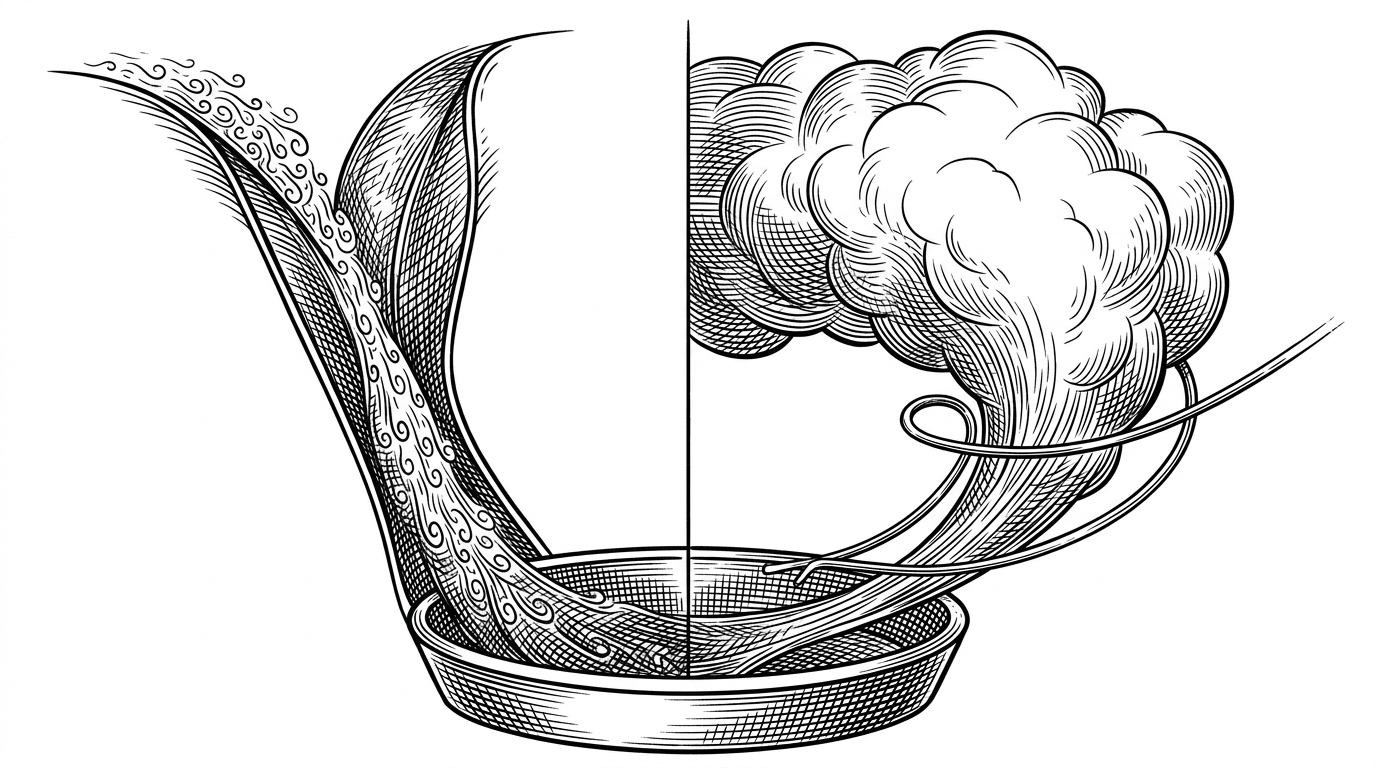
The interesting part is not that one path looks fancier. It is that the repo keeps the target fixed while changing the sampler geometry, which makes the comparison legible. That is a rare luxury in diffusion work, where training, architecture, and sampler quality usually blur together.
Inside the code: two scripts, one controlled experiment
DPUM.py and PFODE_Corrector_VE.py share the same basic experiment loop. A mixture generator creates random component means and covariances, the analytic score is computed from that synthetic density, and the sampler steps are evaluated against the same target.
That flat structure matters. There is no framework layer, no training pipeline, and no hidden abstraction stack. The repo reads like research notebook code that was cleaned just enough to make the argument reproducible.
Where this sits in the diffusion landscape
This repository is not competing with image generators or large training libraries. It sits closer to a microscope. Its job is to strip away the expensive, fuzzy parts of diffusion research and leave one question on the table: how much of the result is the solver, and how much is everything else?
That makes the project small in scope but sharp in intent. If you care about sample quality, solver efficiency, or the geometry of diffusion dynamics, this is useful precisely because it refuses to be broad.