Gopay_plus_automatic: How a Regional Payment Flow Became an Automation Playbook
A technical look at browser impersonation, rate-limit bypasses, and why the weakest layer in a payment system is often the one nobody expected.
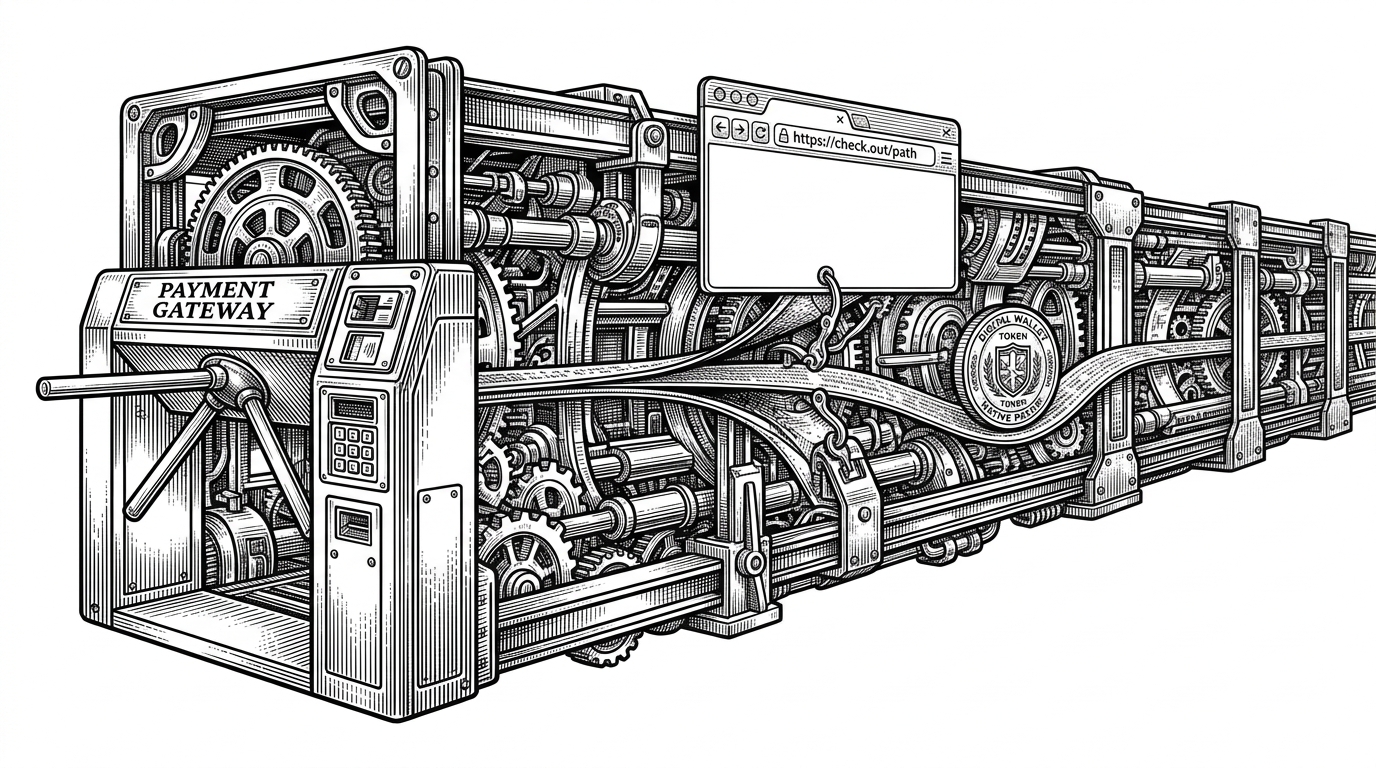
- Gopay_plus_automatic is best understood as a trust-chain exploit, not a simple subscription bot.
- Its main insight is that browser identity, request headers, and session state can matter more than raw IP-based controls.
- The repository shows how regional payment routing can create an automation surface that looks legitimate from the outside.
- The code is disposable, but the pattern it demonstrates is durable and easy to clone.
The repo is interesting for the wrong reason. It is not a clever checkout helper. It is a case study in how a payment flow can become scriptable when the system trusts the wrong signals at the wrong layers.
The One Signal That Changes Everything
The sharpest detail in this repository is the suspected rate-limit seam. The bypass is not described as a brute-force attack. It behaves more like a trust re-routing problem, where one signal, such as an authorization header, can change which guardrail fires first.
That matters because modern checkout stacks rarely rely on one control. They layer browser checks, session cookies, gateway limits, and fraud rules. This repo, at least from the documentation, appears to exploit the mismatch between those layers.
What This Repository Actually Orchestrates
At a high level, the stack is a pipeline. Python coordinates the flow, Playwright handles browser-grade automation, and curl_cffi impersonates a Chrome-like network fingerprint. The repository also references WhatsApp and SMS paths for OTP handling, which turns a single checkout into a multi-channel orchestration problem.
browser emulation -> checkout entry -> token extraction -> gateway linking -> rate-limit check -> OTP -> result

identity signals:
- TLS / JA3 fingerprint
- browser profile state
- request headers
- session cookies
The separate 429/ path is the tell. It suggests the author found a narrow edge condition and isolated it into a dedicated tool, which is usually what happens when a bypass depends on one brittle implementation detail.
⚠️ 此项目将不会再进行更新,仅供研究、娱乐、学习,有能力者自行二开。
Why Browser Trust Is the Real Battleground
The project leans hard on the idea that automation must look like a real browser. That is why persistent Chrome profile artifacts matter here. A cold, stateless request is easy to flag. A session that looks lived-in is much harder to separate from a human.
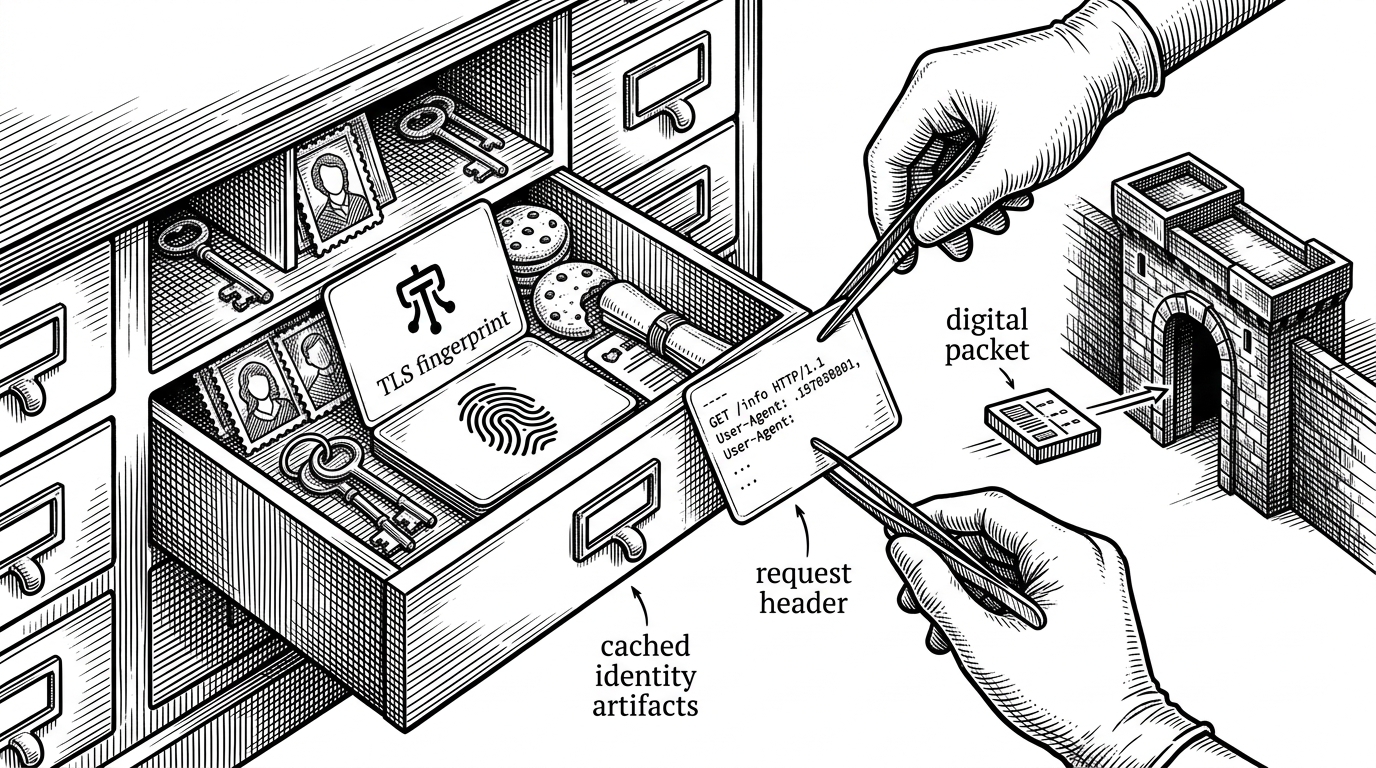
This is why tools like Playwright and curl_cffi show up together. One handles the visible browser. The other handles the low-level network fingerprint that many anti-bot systems use as a first-pass filter.
The 429 Bypass as a Design Lesson
| Manual regional checkout | Automated trust-aware orchestration |
|---|---|
| Human clicks and waits | Browser flow, token flow, and OTP flow are stitched together |
| One-off session behavior | Persistent profile state reduces cold-start suspicion |
| Requests stand out as scripted | Browser-impersonated requests blend into normal traffic patterns |
| Rate limits hit the whole flow | Header and session logic can be decoupled and tested separately |
The lesson is not that 429 is a magic number. The lesson is that edge controls are only as good as the identity model underneath them. If one layer keys off headers and another keys off cookies, the system can disagree with itself.
Why This Exists in the First Place
The regional angle is what makes the project legible. The repo is built around a specific payment chain, Stripe → Midtrans → GoPay, and a specific pricing opportunity. Once you see that, the code reads less like a generic subscription hack and more like operationalized regional arbitrage.
| Framing | What it optimizes | What it depends on |
|---|---|---|
| Official regional offer | Local payment acceptance | Policy, pricing, and payment rails |
| Automation layer | Speed and repeatability | Browser identity and gateway behavior |
| Gray-market replication | Scale | Brittle implementation gaps |
你只需要提供一个ChatGPT 的access_token,本工具会自动完成整个GoPay 付款流程,20 秒内激活Plus 会员。
That quote captures the appeal. It promises a compressed, reliable workflow. But the deeper story is that the workflow only works because the upstream system is willing to make assumptions about who is on the other side of the request.
Disposable Code, Durable Pattern
The repository is already framed by its author as non-maintained and research-only. That is typical for exploit-adjacent code. The implementation ages quickly, but the technique survives in the wild as a template.
That is the real reason to read this project carefully. Not because it is a recommendation. Because it shows how a small mismatch between browser identity, transport fingerprints, and session logic can become an entire automation economy.
不建议没有基础的用户自己部署,请使用gpt和claude的高级模型进行部署,根据需要具体选择场景和改造项目。