agentic-ai-prompt-research: Inside the Prompt Stack That Makes a CLI Agent Safer
Leonxlnx reconstructs the layered prompt architecture behind Claude Code, and shows why the real breakthrough is separation, not just scale.
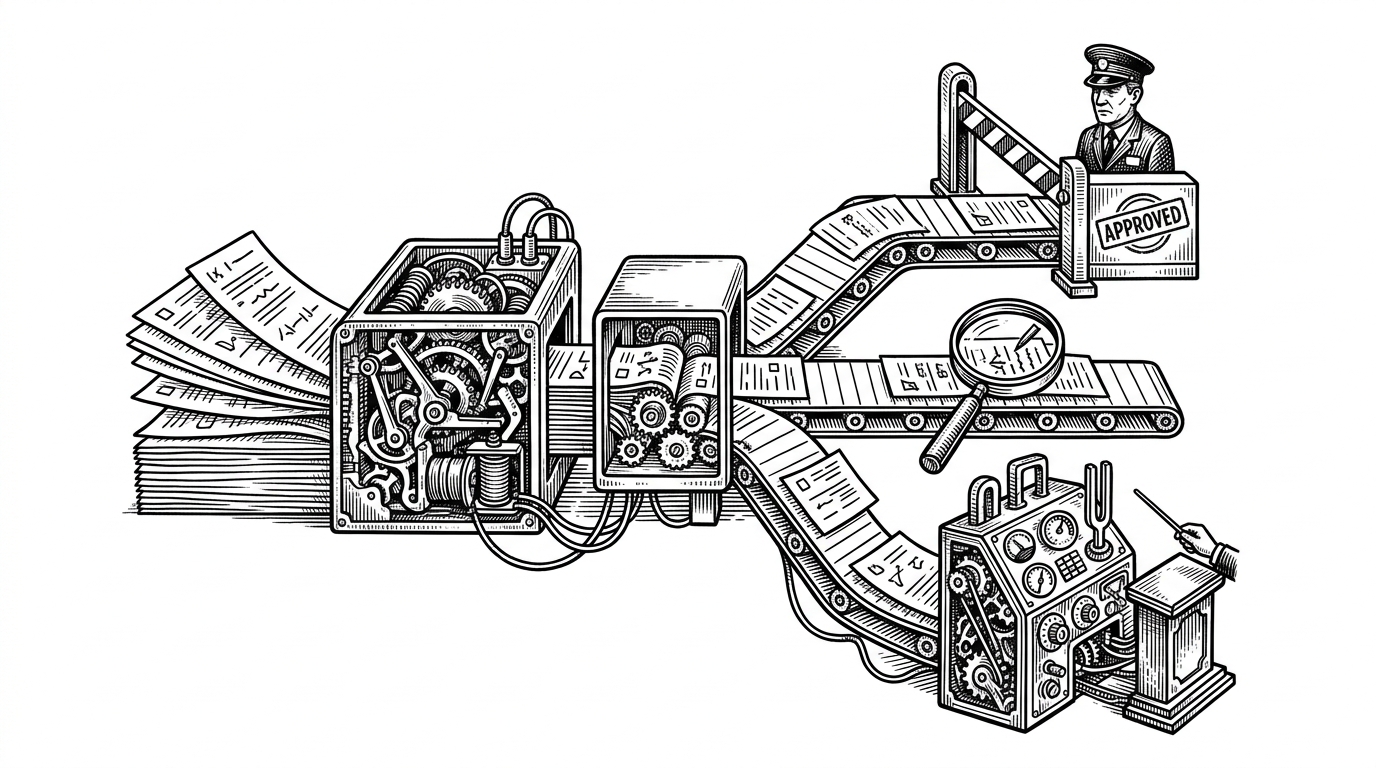

This is not a leak, dump, or direct copy of any proprietary system. The prompts documented here are our best reconstructions based on observable behavior.
- The repository treats prompts like compiled software, with modules assembled at runtime instead of one giant system prompt.
- Its central insight is separation of duties, because a coordinator, verifier, and safety classifier each block different failure modes.
- The project is valuable as a pattern library, because it turns opaque proprietary behavior into reusable design choices.
- Compared with agent frameworks, it explains why production agents are structured this way, not just how to wire them up.
Most agent demos look impressive until the first tool call. Then the real question appears: is the model improvising, or is there an architecture keeping it on rails? Leonxlnx's repository is compelling because it reconstructs that architecture as a set of prompts, roles, and gates, not as a single magical instruction.
A reconstruction, not a leak
The maintainer frames the project as research into how agentic coding assistants work. That framing matters. The value is not secret text, it is the design logic, translated into documentation that engineers can study, compare, and reuse.
That distinction makes the repo more useful than a simple prompt collection. It reads like a field guide for production agent design, showing where systems separate research, synthesis, verification, and permission.
Prompts as a compiled artifact
The core of the repository is a modular library of Markdown files. The files are numbered, grouped, and layered, moving from the main system prompt into orchestration, specialized agents, and utility patterns. Instead of one monolithic prompt, the system appears to assemble only the parts it needs for the task in front of it.
That is the subtle shift. A prompt stops being a static blob and becomes something closer to a build artifact, with environment-specific injections, role-specific sections, and a persistent memory file that keeps the system grounded.
The coordinator is the real interface
The coordinator prompt is the center of gravity. It does not do every job itself. It synthesizes, tracks workers, and consumes structured updates instead of chatting casually with them. That is the difference between a conversational assistant and an operating layer.
<task-notification agent="verification" status="completed" total_tokens="1284" duration_ms="4310"> <summary>Checks passed, no write operations performed.</summary> </task-notification>The XML boundary matters because it turns progress into machine-readable state. Once task completion, duration, and status are explicit, parallel work becomes auditable rather than fuzzy.
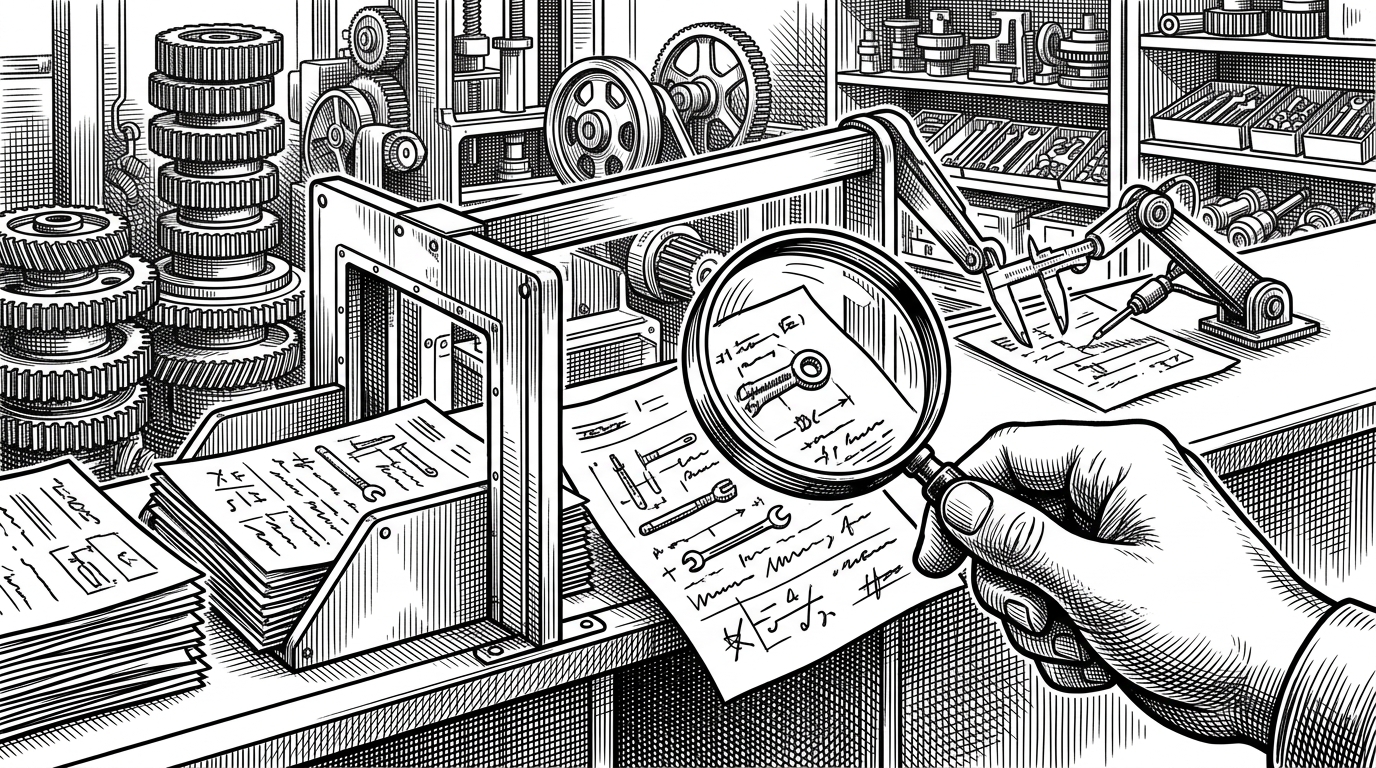
The other sharp idea is that safety is not enforced by one filter. The auto-mode classifier evaluates whether a tool action belongs in the allowed lane, while the verification agent stays adversarial and read-only. One gate judges intent, the other checks the result.
Why the comparison matters
| Project | Primary job | What this repo reveals |
|---|---|---|
| Leonxlnx/agentic-ai-prompt-research | Explain prompt architecture | A map of coordinator, verifier, and classifier patterns. |
| LangGraph | Build stateful agents | A runtime for workflows, not a reverse-engineering study. |
| AutoGen | Coordinate multi-agent conversations | Closer to implementation than analysis. |
| Research Vault | Run a research assistant | An applied workflow that echoes role separation. |
This is where the repo separates itself from agent frameworks. LangGraph and AutoGen help you build systems. Leonxlnx helps you understand the design logic behind a production-grade coding assistant. That makes it less of a toolkit and more of a map.
The goal is to help AI engineers, researchers, and builders learn from these architectural patterns and apply them in their own projects.
For builders, that is the lesson. The best agent systems are not just bigger prompts. They are systems that decide when to think, when to delegate, when to inspect, and when to refuse.