The Great CLI Hijack: Inside claw-dev
How a clever network proxy and on-the-fly bundle patching turned Anthropic's locked-down terminal client into a universal, local-first AI agent.
build an agent that even my mum can use.
- Claw Dev avoids building a new CLI from scratch by dynamically patching Anthropic's minified Claude Code binary.
- A local network proxy translates Anthropic-specific requests into formats understood by local models like Ollama.
- The project goes beyond local execution by implementing a reverse tunnel that allows a web UI to securely run commands on a local machine.
- Developers are increasingly rejecting heavy orchestration frameworks in favor of thin runtimes that grant models direct local access.
The Art of the Man-in-the-Middle
Building a world-class terminal user interface for AI agents is difficult. Instead of trying to reinvent the wheel, the creators of Claw Dev chose a more subversive route. They took Anthropic's highly polished, closed-ecosystem Claude Code client and hijacked its request pipeline. The project is a masterclass in software rebellion, proving that developers will go to extreme lengths to decouple superior UX from proprietary models.
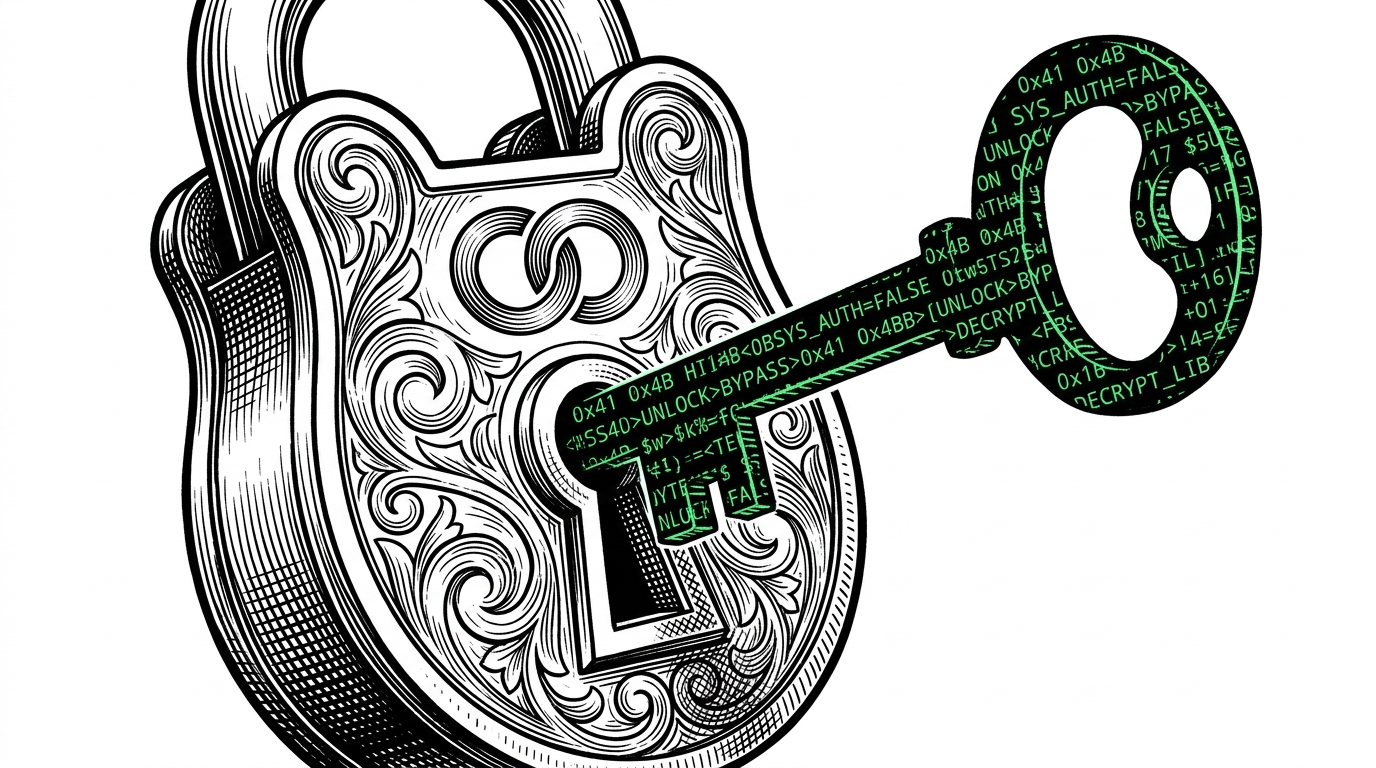
The entry point, claw-dev-launcher.js, manages this interception. Instead of forking obfuscated code, it dynamically sets process.env.ANTHROPIC_BASE_URL to point to localhost. This simple environment variable override tricks the bundled client into sending its API requests to a local proxy rather than Anthropic's servers. Before execution, a branding engine (patch-branding.js) performs string replacement on the minified official JavaScript bundle, swapping out "Welcome to Claude Code" for "Welcome to Claw Dev" and altering the terminal mascot on the fly.
A Babel Fish for LLMs
Intercepting the network request is only half the battle. The bundled Claude Code client expects to speak strictly to Anthropic's API infrastructure. To make this work with local models, Claw Dev introduces a sophisticated translation layer in anthropicCompatProxy.ts.

The proxy does not merely forward JSON payloads. It actively translates them. Local models running on Ollama often lack the massive context windows of Claude 3.5 Sonnet. The proxy implements prompt compaction logic to dense down instructions. Furthermore, it dynamically maps authentication keys, ensuring that an OpenAI or Gemini key satisfies the bundled client's strict validation checks for an Anthropic credential.
The Reverse Tunnel
Claw Dev expands beyond a simple local CLI wrapper through its bridge/ subsystem. This architecture enables Claude Code Remote (CCR) functionality, allowing a web-based UI to safely execute commands on the user's local machine.
The system maintains a secure heartbeat with a remote server via bridgeApi.ts. A local daemon continuously polls for work. When a command is received, sessionRunner.ts spawns a child process to execute it locally. A mapping engine translates raw tool calls into human-readable status updates, streaming the output back through the tunnel.
From Terminal to Daemon
What started as a clever hack quickly evolved into a persistent background agent. The creator recognized that the true power of a local-first agent is not just in responding to prompts, but in autonomous operation.
The Thin Runtime Rebellion
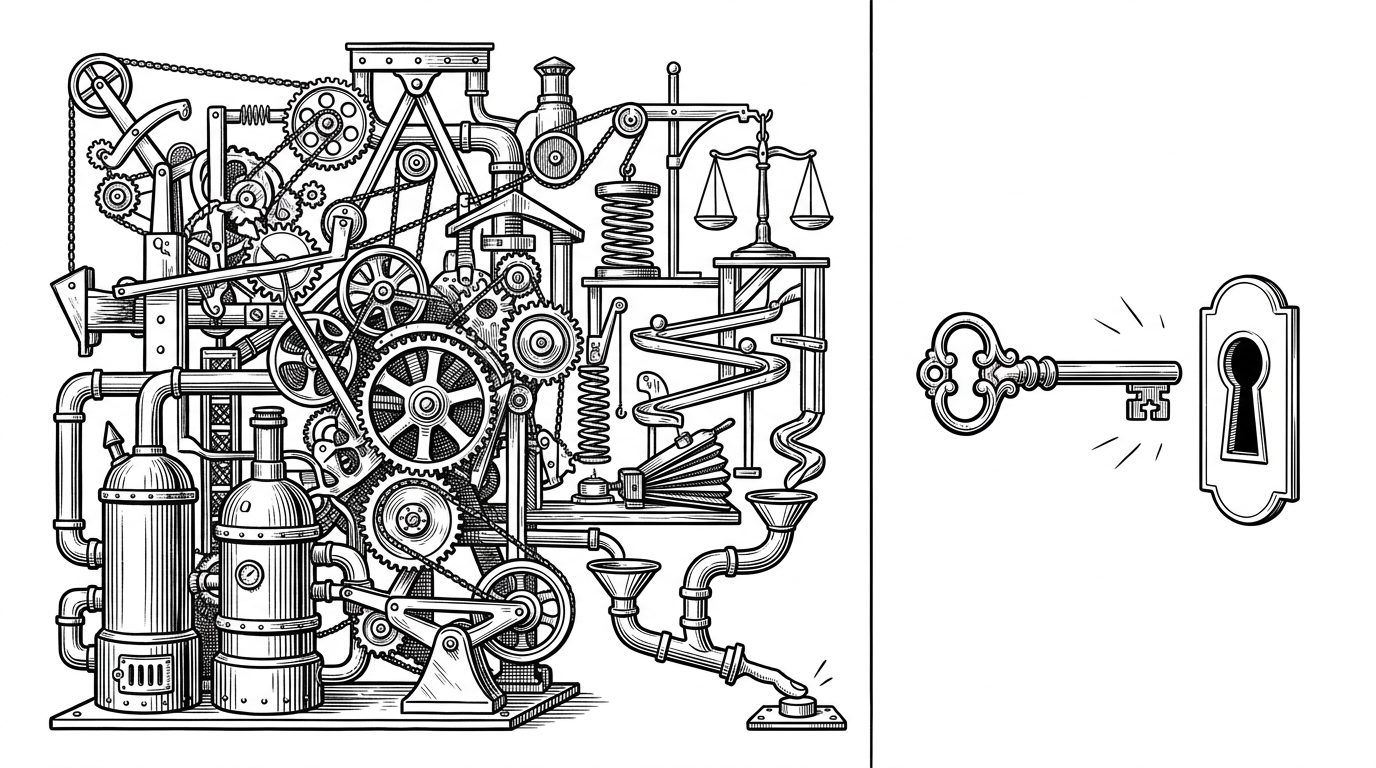
The explosive adoption of Claw Dev signals a broader shift in AI engineering. Developers are experiencing framework fatigue. Bloated orchestration layers that force models into rigid, cloud-dependent pipelines are being abandoned for "thin runtimes" that give models direct, unmediated access to local tools.
| Feature | OpenClaw (claw-dev) | Traditional Frameworks (e.g., LangChain) |
|---|---|---|
| Architecture | Thin runtime / Local-first | Heavy framework / Cloud-orchestrated |
| Execution | Always-on background daemon | Request-response pipeline |
| Primary Interface | Messaging apps & native terminal | Custom frontends & API endpoints |
| Data Privacy | Stays on-device (zero-telemetry) | Processed via external cloud APIs |
By rejecting the heavy framework approach, Claw Dev proves that the best agentic architecture is often the simplest one. It provides the necessary glue to connect a world-class interface with the burgeoning ecosystem of highly capable local models, ensuring that the future of AI development remains open, private, and fiercely independent.