NVIDIA NemoClaw: The Sandbox That Treats Agents Like Untrusted Code
A deep dive into the stack that wraps OpenClaw in OpenShell, layers declarative policy on top, and turns autonomous assistants into operator-contained workloads.
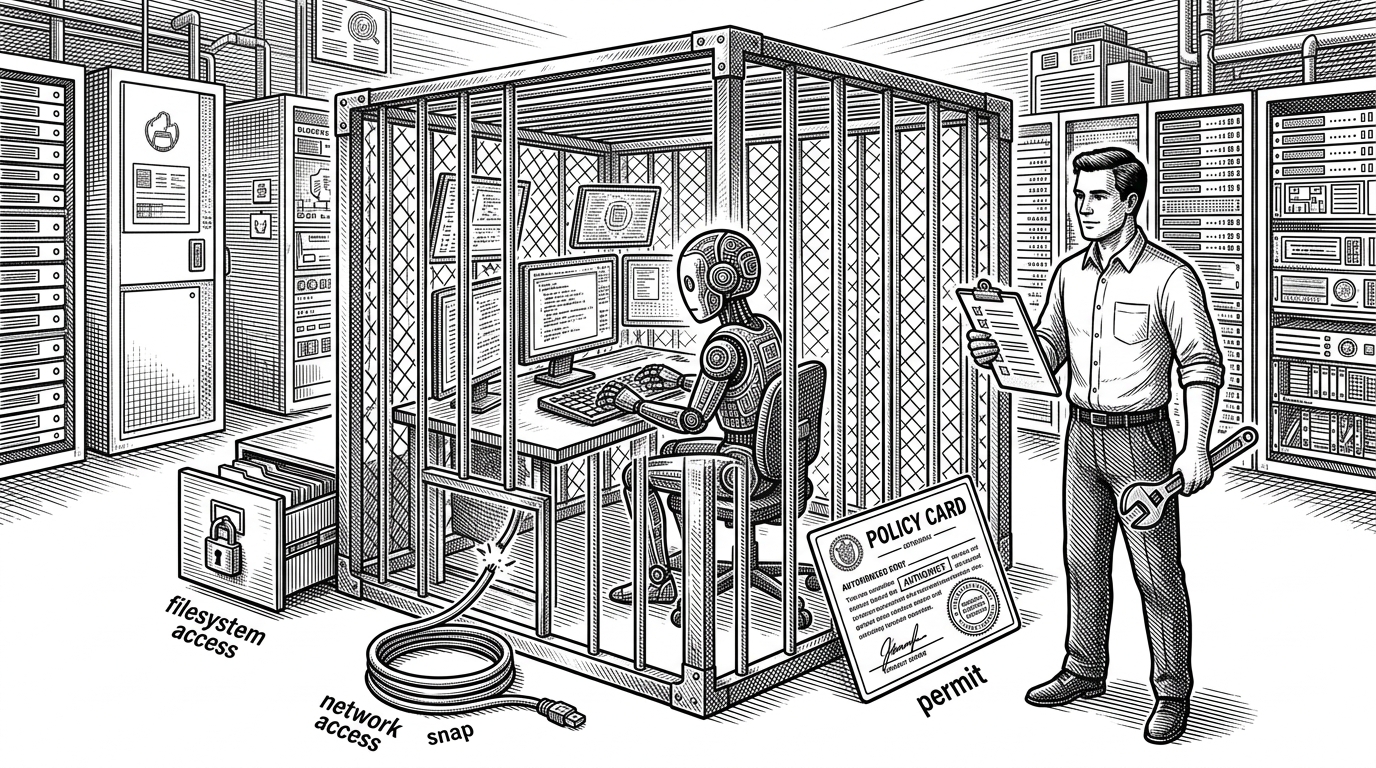
- NemoClaw's real product is containment, not more autonomy.
- It turns agent deployment into a governed pipeline with onboarding, policy merge, redaction, and cleanup.
- The stack assumes the agent will make mistakes, then uses kernel and namespace boundaries to keep those mistakes local.
- Compared with a normal OpenClaw setup, the difference is operational control, not just extra tooling.
Most agent projects ask how much a model can do. NemoClaw asks a harsher question: what happens when the agent does the wrong thing with real credentials, real files, and a live network?
The cage is the feature
That inversion is the whole story. NemoClaw is not trying to make an assistant feel more magical. It is trying to make an assistant survivable inside an enterprise environment where autonomy and trust are not the same thing.
The infrastructure to run claws more safely didn’t exist, until now.
The repo backs that up with a deployment doctrine, not a toy app. A Node CLI, a TypeScript plugin, a hardened blueprint, and a documentation stack all point toward one job: wrap OpenClaw in a runtime that behaves like a managed service, not a loose demo.
The stack is a sequence of guardrails
The clearest way to read the project is as a chain of controls. You do not just launch an agent. You onboard it, bind it to policies, run it inside OpenShell, redact what it leaks, and clean up the infrastructure when the last sandbox disappears.
openshell sandbox create --remote spark --from openclawThat single command captures the bet. If the runtime can be hardened enough, the operator does not need to rewrite the agent to get safer behavior. The safety envelope comes from the platform, not from goodwill in the prompt.
Onboarding is the first security decision
The onboarding flow is not cosmetic. It validates providers, warms up local inference, and uses secure temporary files so setup itself does not become a shortcut for privilege abuse. That matters because the earliest steps of an agent stack are often where the easiest mistakes hide.
Policies are merged, not bolted on
The policy layer is opinionated in a good way. The repo merges preset YAML into the active sandbox policy, preserves versioning, and prioritizes network policy as a first-class constraint. That is a stronger model than scattering permissions across flags, scripts, and tribal knowledge.
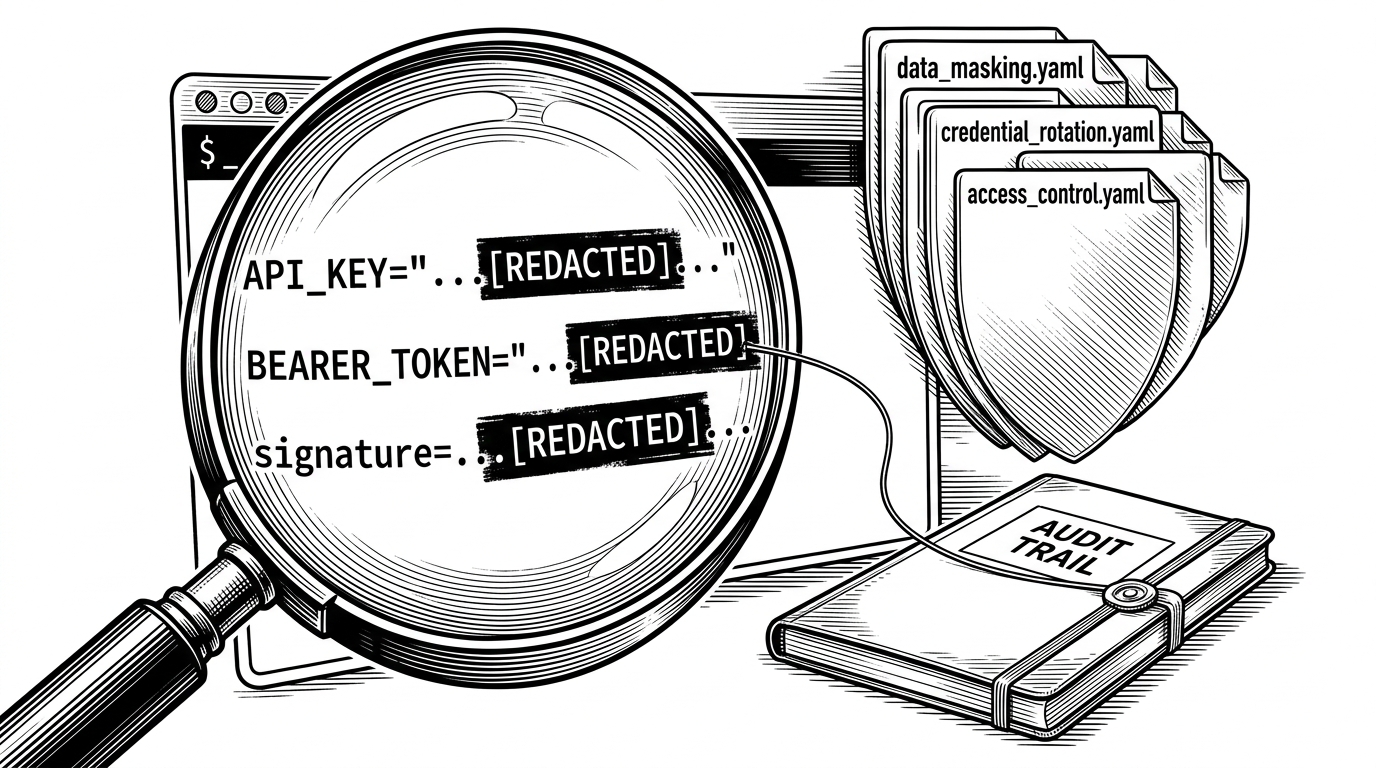
Recovery and redaction are part of the threat model
The runtime code treats partial failure as normal. Cleanup logic reaps gateways when no live sandboxes remain, and the redaction path strips secrets from logs before they escape into the terminal. That is a useful signal: the project assumes failure will happen, then tries to make the failure boring.
OpenClaw had basic permission controls, logging, and rate limiting. But these were Band-Aids on a wound that needed stitches.
What changes versus a normal OpenClaw deployment
| Dimension | Standard OpenClaw deployment | NemoClaw |
|---|---|---|
| Trust model | The agent is treated like a helpful assistant with broad privileges. | The agent is treated like untrusted code that must earn every boundary crossing. |
| Runtime | A standard process or container setup does the work. | OpenShell adds sandbox isolation with filesystem, network, and process constraints. |
| Policy | Controls are scattered across app settings and ad hoc scripts. | Declarative YAML policies are merged into the active sandbox policy. |
| Failure handling | Operators clean up problems manually after something breaks. | Recovery and cleanup logic tries to reap dead gateways and prevent resource leaks. |
| Logging | Errors can reveal more than they should. | Redaction strips secrets from failure logs before they hit the console. |
The table makes the shift obvious. NemoClaw is not primarily a new assistant. It is a new operational posture for assistants that are allowed to act on the world.
The bigger signal
The project is still an early preview, and it says so plainly. That is not a weakness in the story. It is the story. NVIDIA is showing its hand: the next enterprise agent platform will be judged less by how clever the model is and more by how much damage the runtime can absorb.
NemoClaw is available in early preview starting March 16, 2026. This software is not production-ready.
That is why NemoClaw feels like infrastructure, not hype. It is a bet that governed autonomy, with kernel-level containment and honest cleanup, will matter more than ever faster prompting.