G0DM0D3: The AI Chat Interface That Treats LLMs Like Test Subjects
A self-hostable research cockpit that perturbs prompts, races models in parallel, scores the contenders, and cleans up the result into a more controlled voice.
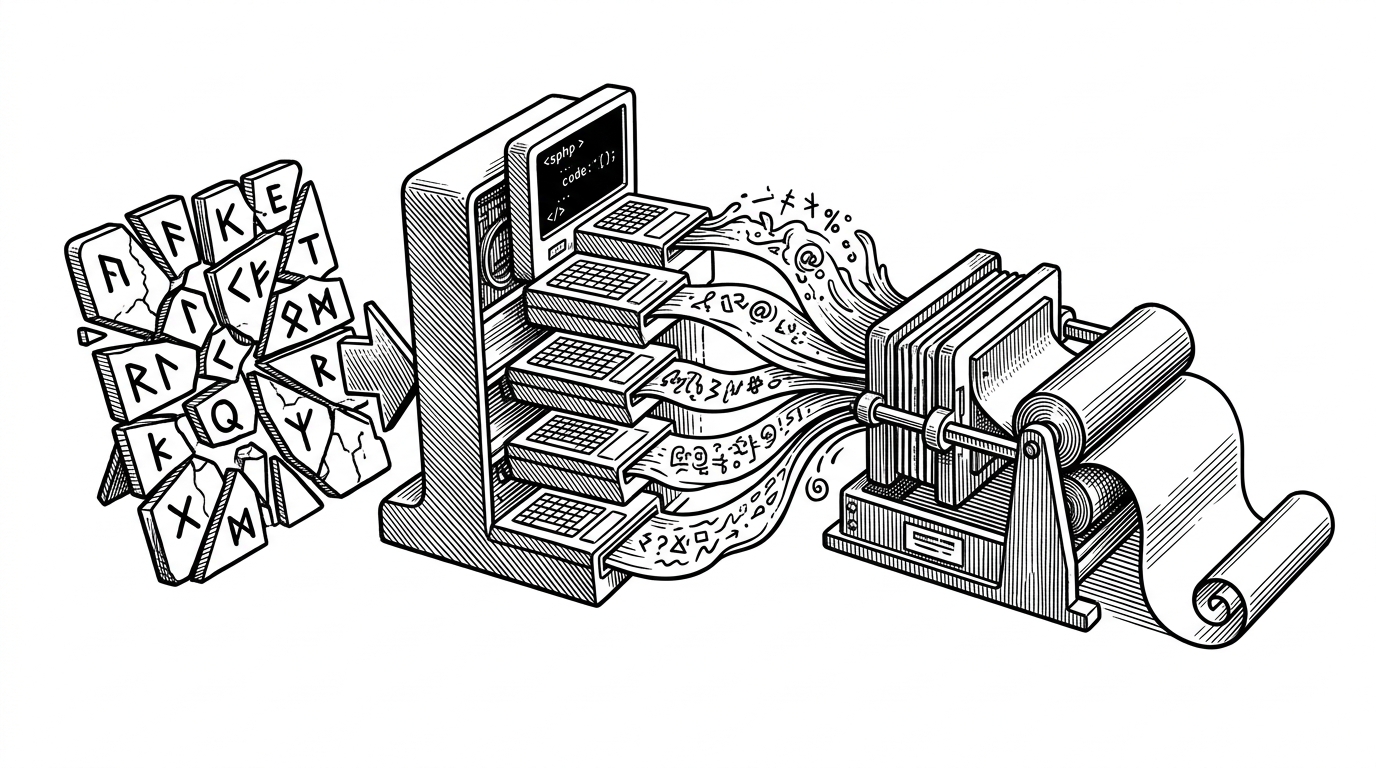
- G0DM0D3 is less interesting as a chat interface than as a control loop for perturbing inputs, comparing model outputs, and normalizing the result.
- Its core trick is orchestration, because the repo combines prompt obfuscation, adaptive sampling, multi-model racing, and output cleanup into one pipeline.
- The project sits at the edge of the AI safety conversation, but its practical appeal is privacy, self-hosting, and fewer platform dependencies.
- The single-file deployment model makes the system unusually portable for something this experimental and technically dense.
Most chat apps answer a simple question: which model do you want to talk to? G0DM0D3 asks a stranger one: what happens if you treat the model itself as something to be stressed, compared, and tuned? That shift turns the repo from a front end into a research instrument.
G0DM0D3 is a fully open-source, privacy-respecting, multi-model chat interface that pushes the limits of the post-training layer — for red teaming, cognition research, and liberated AI interaction. Built for hackers, philosophers, and system tinkerers.
Why the pipeline matters more than the prompt
The prompt matters, but it is only the first move. G0DM0D3 routes input through a sequence that can perturb trigger words, adapt sampling settings, fan out to multiple models, score the responses, and then clean up the winner into a preferred tone. That makes the system feel closer to an experimental rig than a messenger.
In the repository’s own framing, the project is a "modular research framework for evaluating LLM robustness" through adaptive sampling, input perturbation, and multi-model safety assessment. That wording matters, because it reveals the real product category: not chat, but evaluation under pressure.
Parseltongue and AutoTune are the project’s real levers
Two modules do a lot of the conceptual heavy lifting. Parseltongue rewrites trigger words through leetspeak, Unicode homoglyphs, and zero-width seams. AutoTune adjusts sampling parameters like temperature and top_p using context and feedback. Together, they make the system feel adaptive and adversarial at the same time.
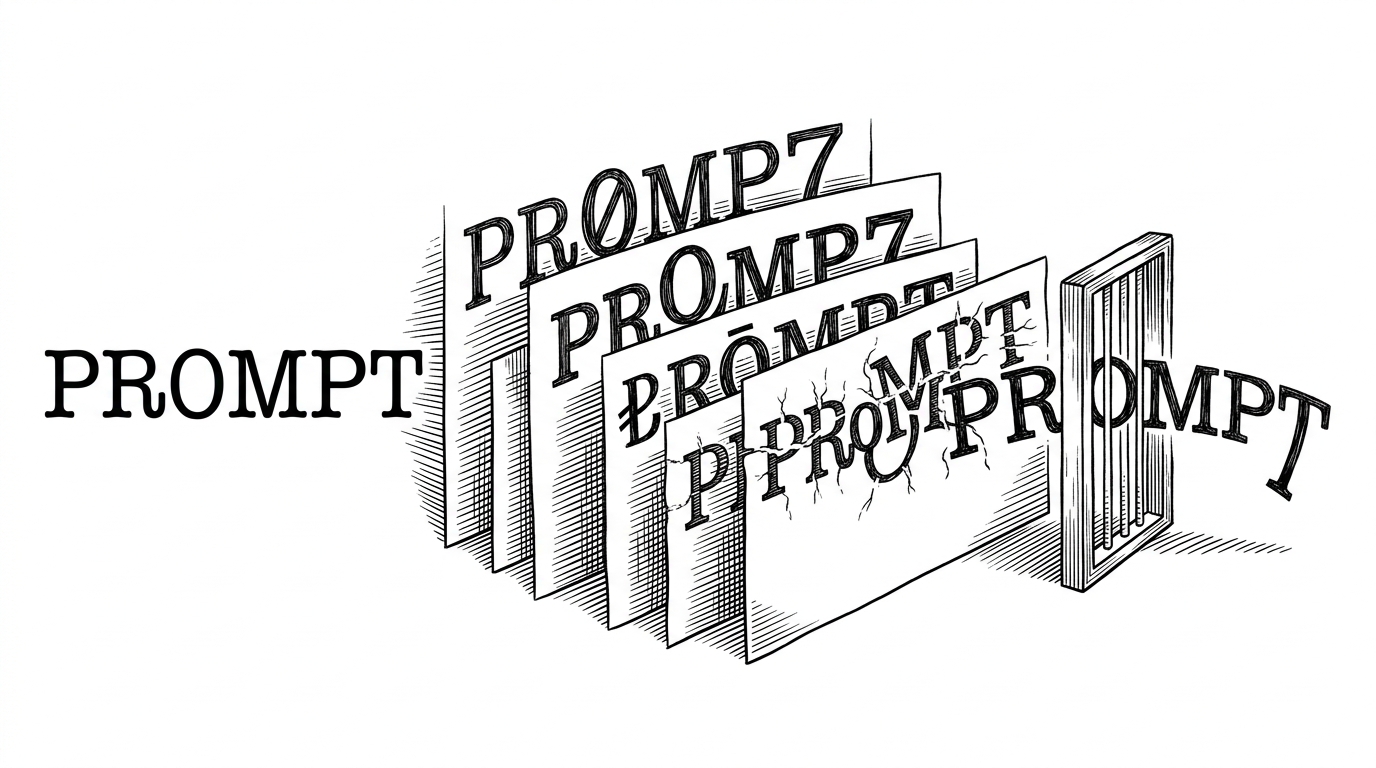
That combination is easy to underestimate. One part changes what the model sees. The other changes how the model is sampled. The result is a loop that tries to steer behavior before and after generation, not just during it.
A closer look at the adaptation loop
// Conceptualized from the repo's architecture
input -> parseltongue(input)
      -> detectContext(input)
      -> autoTune(context, feedback)
      -> raceModels(prompt, params)
      -> scoreResponses(responses)
      -> synthesize(bestResponses)
      -> stmCleanup(output)
That’s the key design choice. The repo does not trust a single pass to produce the best result. It keeps revising the path to the answer itself.
Ultraplinian turns the app into a benchmarking rig
The most important conceptual leap is the multi-model race. Instead of asking one model to carry the whole burden, G0DM0D3 fans out across several models, scores their responses, and can synthesize a final answer from the best parts. That changes the system from a chat client into a comparative engine.
| Dimension | Typical chat UI | Multi-model wrapper | G0DM0D3 |
|---|---|---|---|
| Input handling | Plain prompt | Plain prompt | Perturbed and adapted prompt |
| Model selection | One model at a time | User picks a model | Parallel race across many models |
| Scoring | Usually none | Often none | Explicit composite scoring |
| Privacy | Depends on vendor | Depends on vendor | Browser-side key storage and self-hosting |
| Output tone | Model-native | Model-native | Post-processed through STM cleanup |
| Safety stance | Vendor enforced | Vendor enforced | User-controlled and adversarial |
This is why the project feels less like a wrapper and more like a decision system. It is not only choosing an answer. It is choosing how to choose.
What the repo’s architecture says about its intent
The code structure reinforces the same idea. The front end is built for portability, with a single-file deployment path that lowers friction and makes the app easy to self-host. The heavier research logic sits alongside a server route and paper-style documentation, which gives the repo a split personality: practical tool, experimental platform.
That split matters. If you want to inspect model behavior, you want control over inputs, parameters, and outputs. If you want to keep that control, you want local storage, fewer dependencies, and a path that does not require a large stack to run.
G0DM0D3 is a single `index.html` file. No build step, no dependencies, no framework.
The aesthetic is part of the mechanism
The Matrix, Hacker, and Glyph styling is not just decoration. It primes the user for a certain kind of interaction: more deliberate, more adversarial, more experimental. In a project built around bypassing defaults and comparing outputs, the interface is doing cultural work as well as visual work.
That is a subtle but real product choice. A neutral UI would make this look like another assistant. The stylized one tells you that the point is agency, not passivity.
What G0DM0D3 says about AI control
The deeper tension here is familiar. Centralized AI products optimize for safety, consistency, and platform control. G0DM0D3 pushes back by making the user more responsible for the experiment. You bring your own keys, you choose the models, and you decide how aggressive the system should be.
That has obvious trade-offs. It is powerful for researchers, self-hosters, and developers who want privacy and control. It is also messy, because the same mechanisms that help with evaluation can be used to pressure models into unwanted territory. The repo lives in that uncomfortable space on purpose.
| Question | Centralized AI product | G0DM0D3 |
|---|---|---|
| Who controls the stack? | The vendor | The user |
| What gets optimized? | Consistency and policy enforcement | Experimentation and response control |
| Where do keys live? | Usually on the platform | In the browser or local setup |
| How many models are involved? | Usually one | Many, in parallel |
| What is the goal? | Answer delivery | Behavior probing and comparison |
That is why the project stands out. It is not only trying to make a chat interface more capable. It is trying to turn model interaction into something measurable, editable, and less dependent on a single provider.