`full-hunt-pipeline`: The Bash Glue That Turns Recon Into a One-Command Workflow
A compact shell orchestrator that chains subdomain discovery, content hunting, and vulnerability scanning into a file-driven bug bounty pipeline, with quick mode and authenticated testing built in.
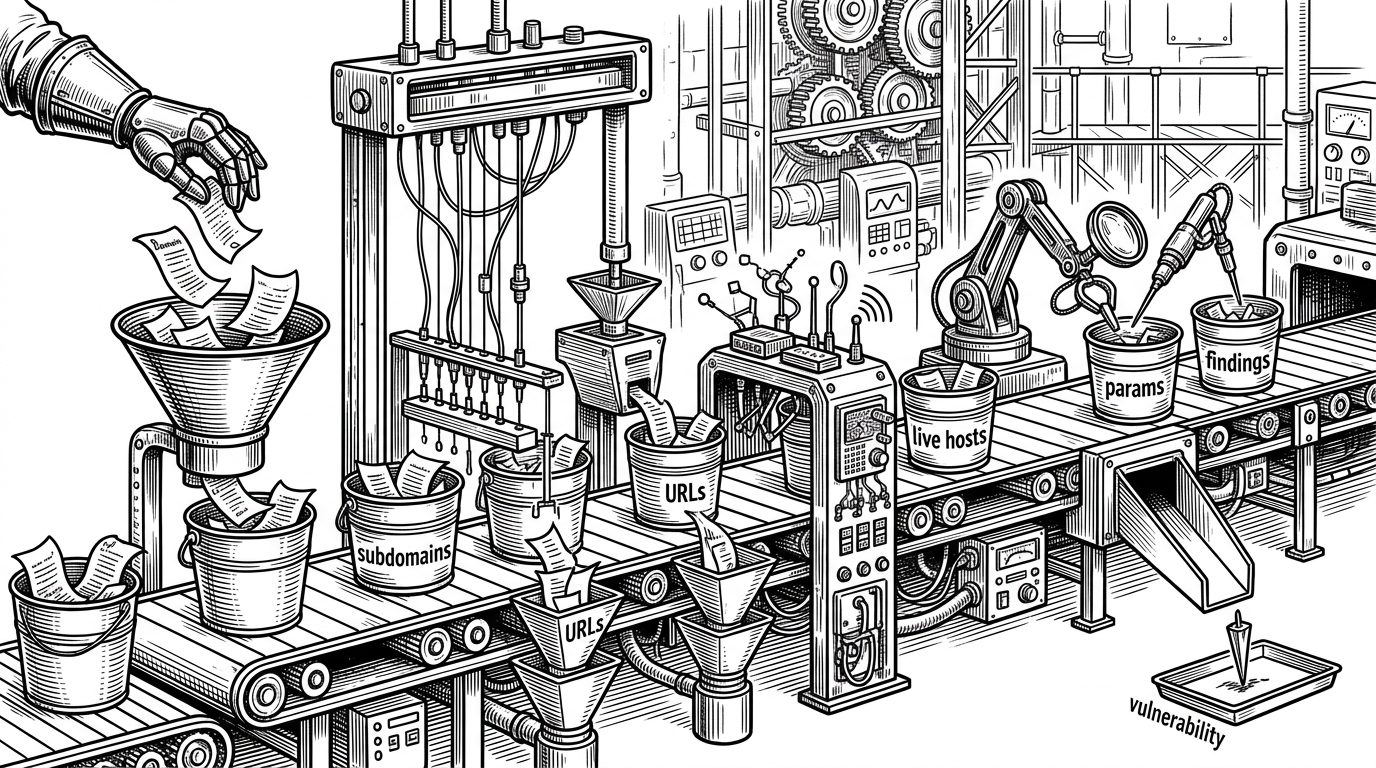
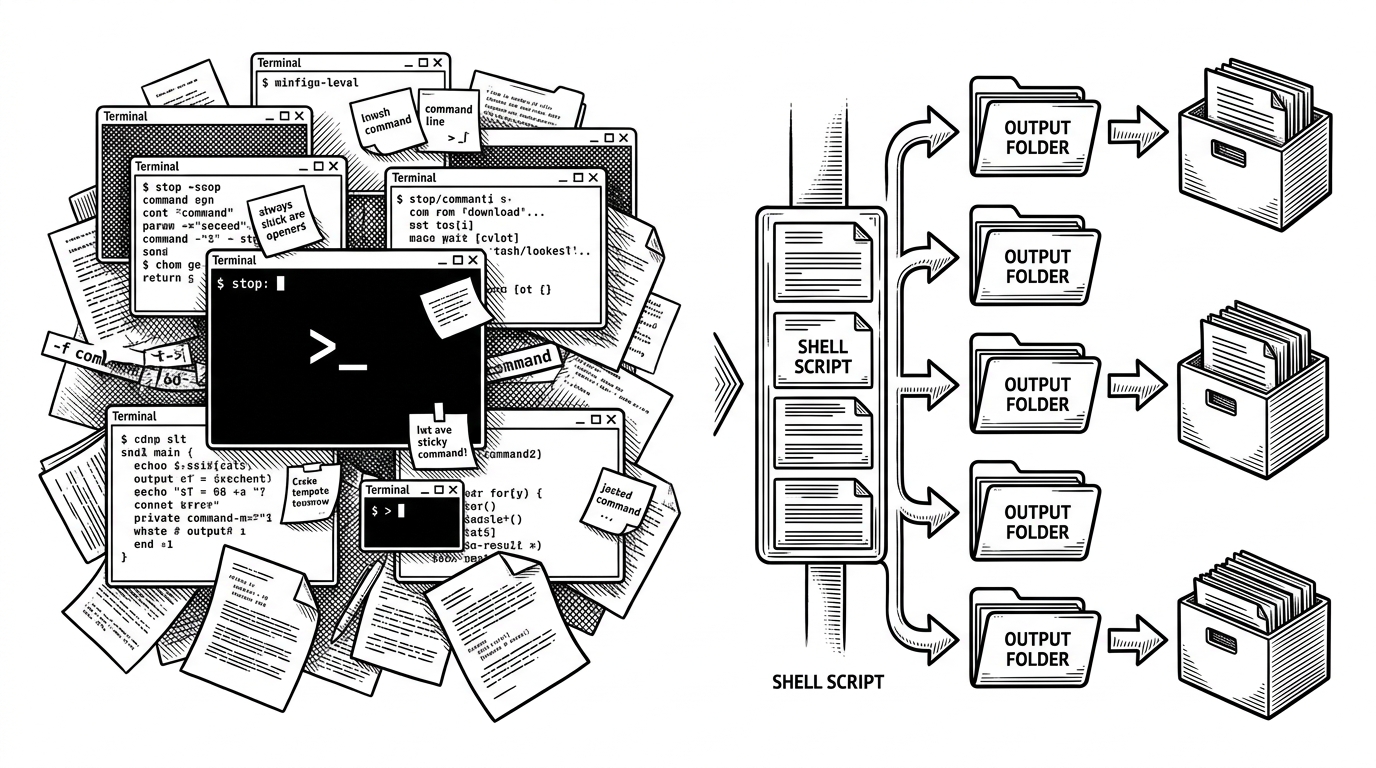
- `full-hunt-pipeline` matters because it turns recon into a staged, file-backed workflow instead of a pile of copied terminal commands.
- Its real advantage is orchestration, not novelty, because it lets specialized tools hand off cleanly through timestamped outputs.
- The script is practical by design, with quick mode, auth headers, and graceful skipping when tools are missing.
- The result is faster time-to-signal, not magical detection, which is exactly why the pipeline is useful.
Most recon scripts are command lists. This one behaves more like a small operating system for a single target. The difference is subtle until you use it: every phase writes to disk, and every later phase reads from those files instead of from your memory.
The Recon Conveyor Belt
`full_hunt.sh` treats bug bounty work as a sequence of state changes. First it finds surface area, then it filters noise, then it escalates the best candidates into active checks. That is the whole trick, and it is why the repo feels more disciplined than a pile of aliases.
# Core idea: each phase leaves an artifact for the next one
./full_hunt.sh target.com --quick

# Example outputs
recon/2026-04-08/subdomains.txt
recon/2026-04-08/live_hosts.txt
recon/2026-04-08/gf_sqli.txt
recon/2026-04-08/findings.txt
The pipeline matters because handoffs are where recon usually gets messy. A good hunter can run subfinder, httpx, katana, ffuf, nuclei, and dalfox by hand. The problem is not capability. The problem is continuity.
Why Glue Code Wins
| Approach | Strength | Weakness | Best for | State handling |
|---|---|---|---|---|
| Manual terminal chaining | Maximum flexibility in the moment | High cognitive overhead and easy to lose context | One-off experiments | Mostly in the operator's head |
| Single-purpose tools | Excellent at one job | Poor at handoffs and sequencing | Narrow tasks | Usually one file or one stdout stream |
| `full-hunt-pipeline` | Built-in workflow discipline across phases | Depends on the ecosystem it orchestrates | Repeatable bug bounty recon | File-backed and timestamped |
Inside the Shell Orchestrator
The repo is deliberately flat. One main script does most of the work, with README guidance wrapped around it. That shape is a clue: the author wants portability more than abstraction.
[ ! -f "$WL_DIRS" ] && WL_DIRS="/usr/share/wordlists/dirb/common.txt"

check_tool() {
  command -v "$1" >/dev/null 2>&1
}

[ -n "$TOKEN" ] && AUTH_HEADERS="$AUTH_HEADERS -H 'Authorization: Bearer $TOKEN'"
That fallback logic is more important than it looks. It means the script can survive differences between lab machines and real operator machines without breaking the workflow. Resilience is the feature.
AI-powered bug bounty hunting from your terminal - recon, 20 vuln classes, autonomous hunting, and report generation. All inside Claude Code.
Phase 1: Find the Surface Area
The first phase is intentionally broad. It leans on passive recon, certificate transparency data, DNS discovery, and live host checks. The goal is not precision. The goal is coverage without making noise too early.

This is where the project shows its bias. It prefers a wide first pass, then makes later stages earn the right to spend time. That is a better default than brute forcing everything from the start.
Phase 2: Turn Noise Into Targets
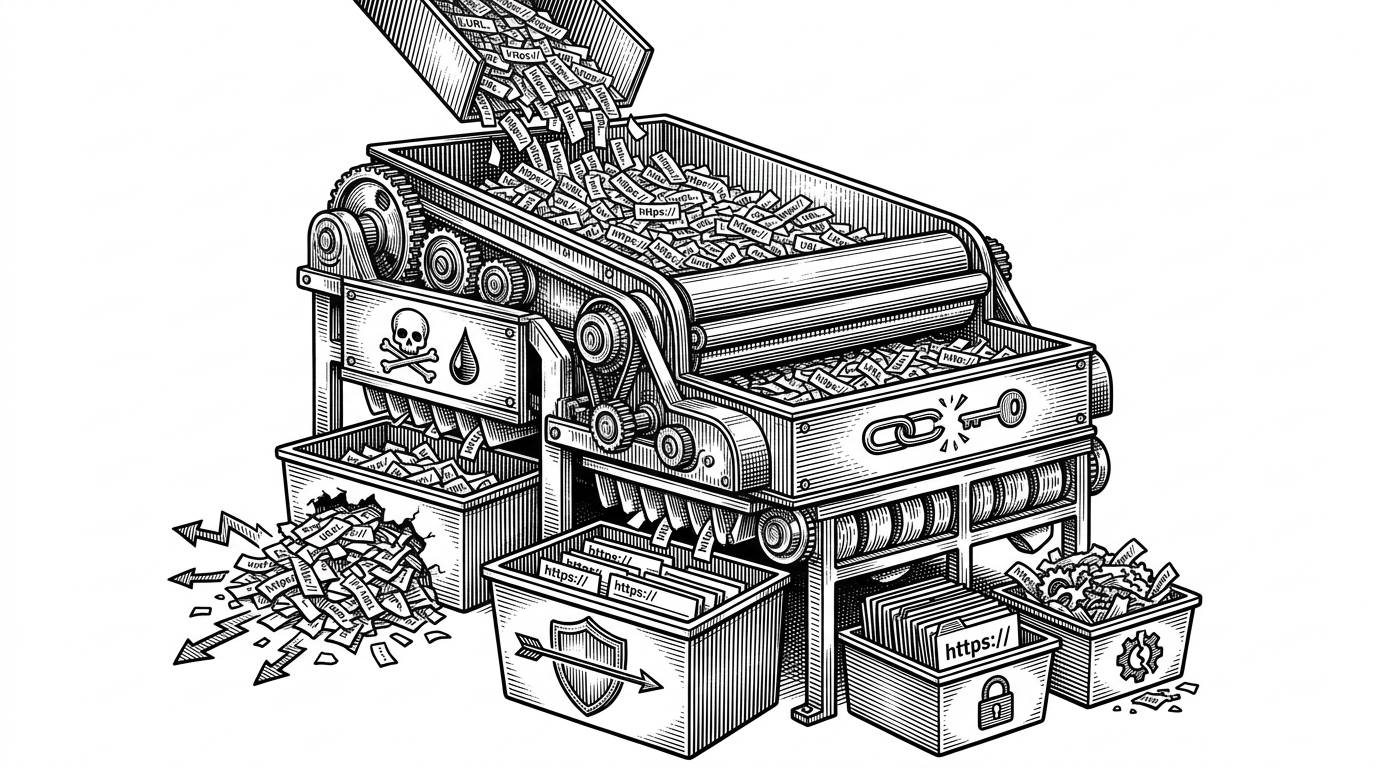
Once the live surface is known, the pipeline starts narrowing. Crawling, fuzzing, and pattern matching transform a noisy URL dump into candidate vulnerabilities. The filters matter as much as the scanners.
| Step | Input | Output | Why it matters |
|---|---|---|---|
| Crawl | Live hosts | Endpoint inventory | Finds real paths instead of guesses |
| Fuzz | Base URLs | Parameter and directory candidates | Expands coverage around known surfaces |
| gf filtering | Mixed URLs | Pattern-matched leads | Separates signal from clutter |
Phase 3: Escalate With Purpose
The last phase is about selective pressure. Live hosts and filtered parameters go into nuclei and dalfox, but only after the earlier stages have reduced the search space. The script is not trying to scan everything. It is trying to scan the right things.
# Conceptually: only promote the best leads
if [ "$QUICK" = true ]; then
  run_nuclei_with_fast_templates
else
  run_nuclei_with_full_templates
  run_dalfox_on_promising_params
fi
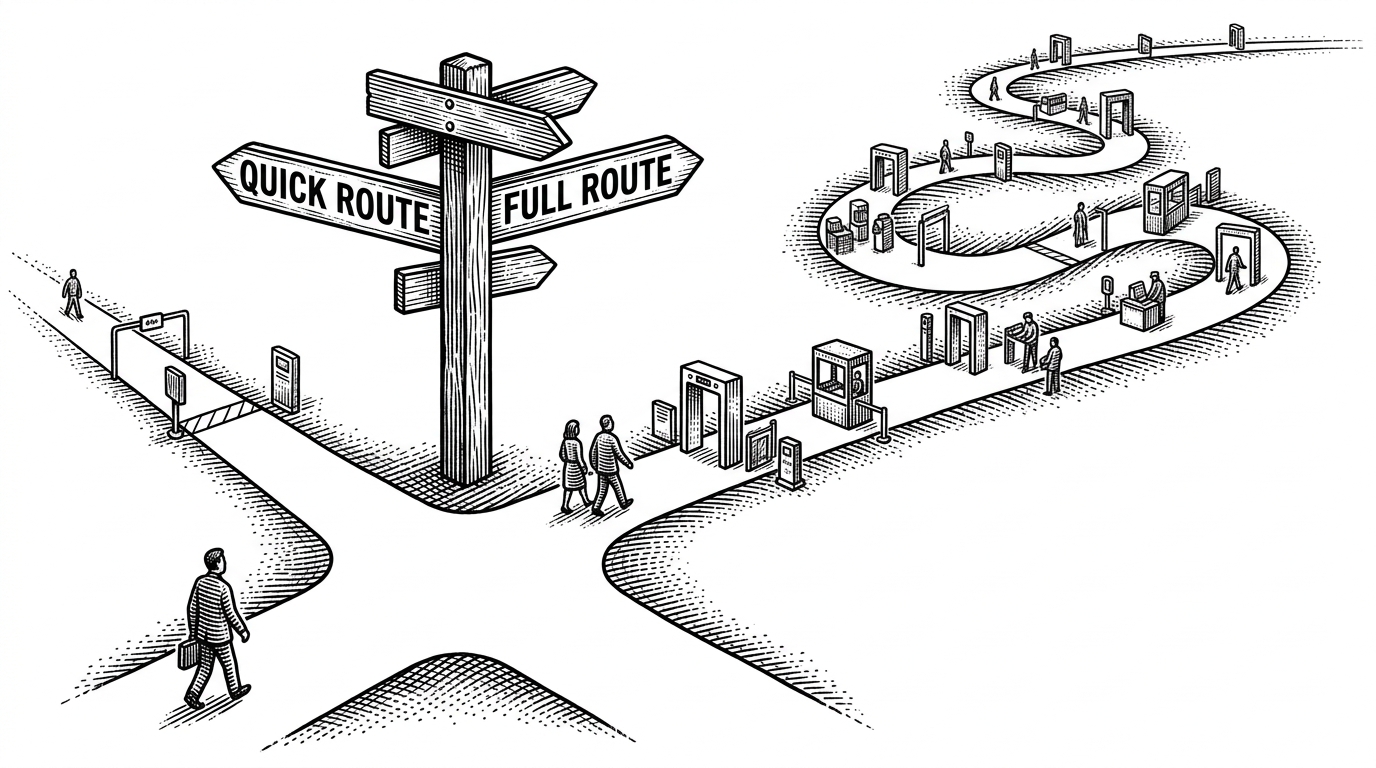
That trade-off is smart. Quick mode is not a weaker version of the workflow. It is a different operating mode that prioritizes speed and low-hanging fruit, which is often the right move in a live engagement.
What It Replaces, and What It Doesn’t
| Workflow | What you gain | What you give up |
|---|---|---|
| Manual chaining | Maximum ad hoc control | Repeatability and clean state |
| Single-purpose scanners | Best-in-class point solutions | End-to-end handoff discipline |
| `full-hunt-pipeline` | Coordination and time-to-signal | Some flexibility at each step |
This repo does not claim to outperform every tool it wraps. It does something more practical. It makes a batch of good tools easier to use together, which is often where real operational leverage lives.
That is why the project feels bigger than its size. The code is short, but the workflow is opinionated. It encodes a way of thinking about recon: broad first, narrow second, active last.