The Browser is the Bypass: How google-dork-runner Solves the Cat-and-Mouse Game of Search Recon
By abandoning the automated scraper in favor of a generated "Query Factory," this zero-dependency tool turns Google's bot detection into a non-issue.
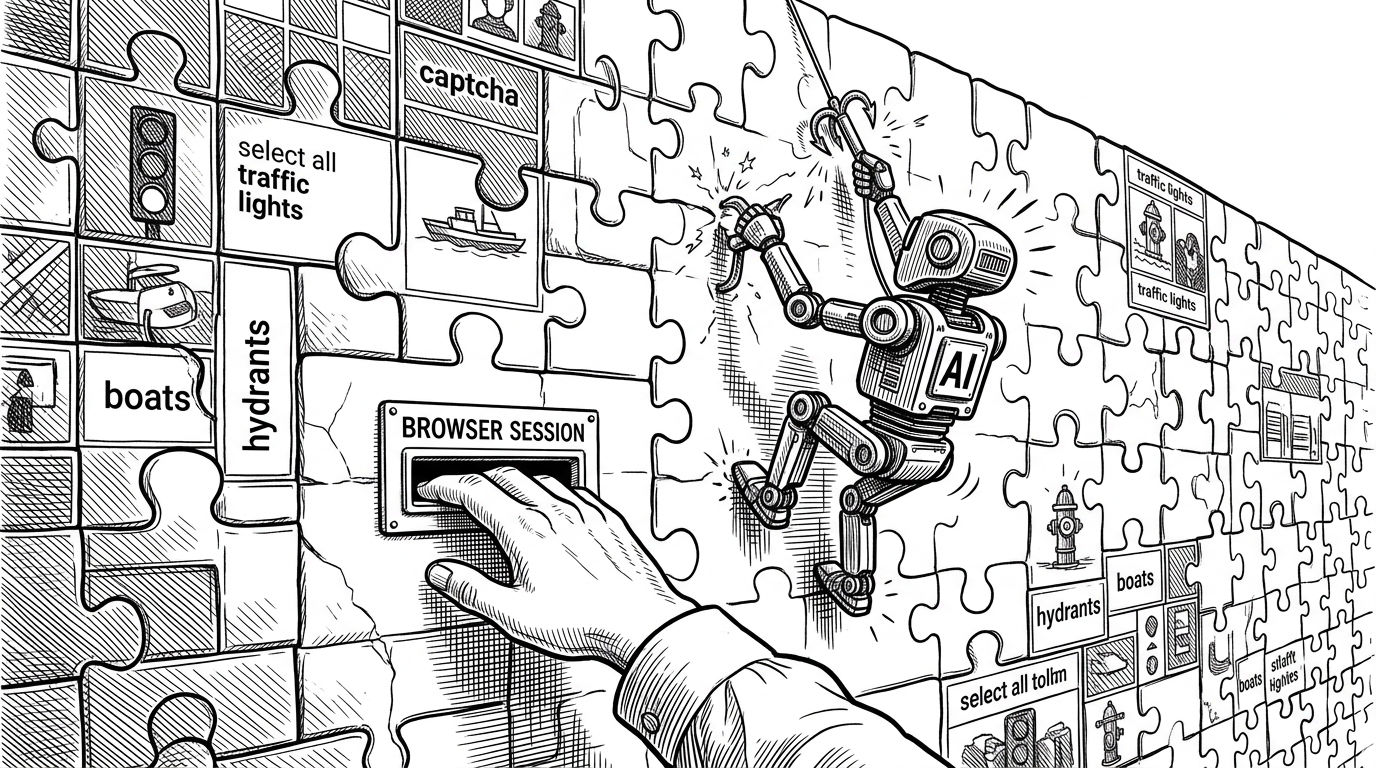
- Google-dork-runner bypasses bot detection by generating an HTML dashboard of links for manual execution in a trusted browser.
- The tool maps target domains across ten distinct threat vectors to organize reconnaissance into structured categories like PII and cloud infrastructure.
- A zero-dependency architecture allows the script to run on any system using only the Python Standard Library.
- This human-in-the-loop workflow eliminates the need for expensive proxies or brittle CAPTCHA-solving APIs.
The CAPTCHA Ceiling
In the world of open-source intelligence (OSINT) and bug bounty hunting, Google Dorking is a foundational technique. But automating it has become a Sisyphean task. Google's anti-bot measures have evolved into a multi-billion dollar fortress. A single automated script can burn a clean IP address in minutes, trapping the researcher in an endless loop of "403 Forbidden" errors and CAPTCHA challenges.
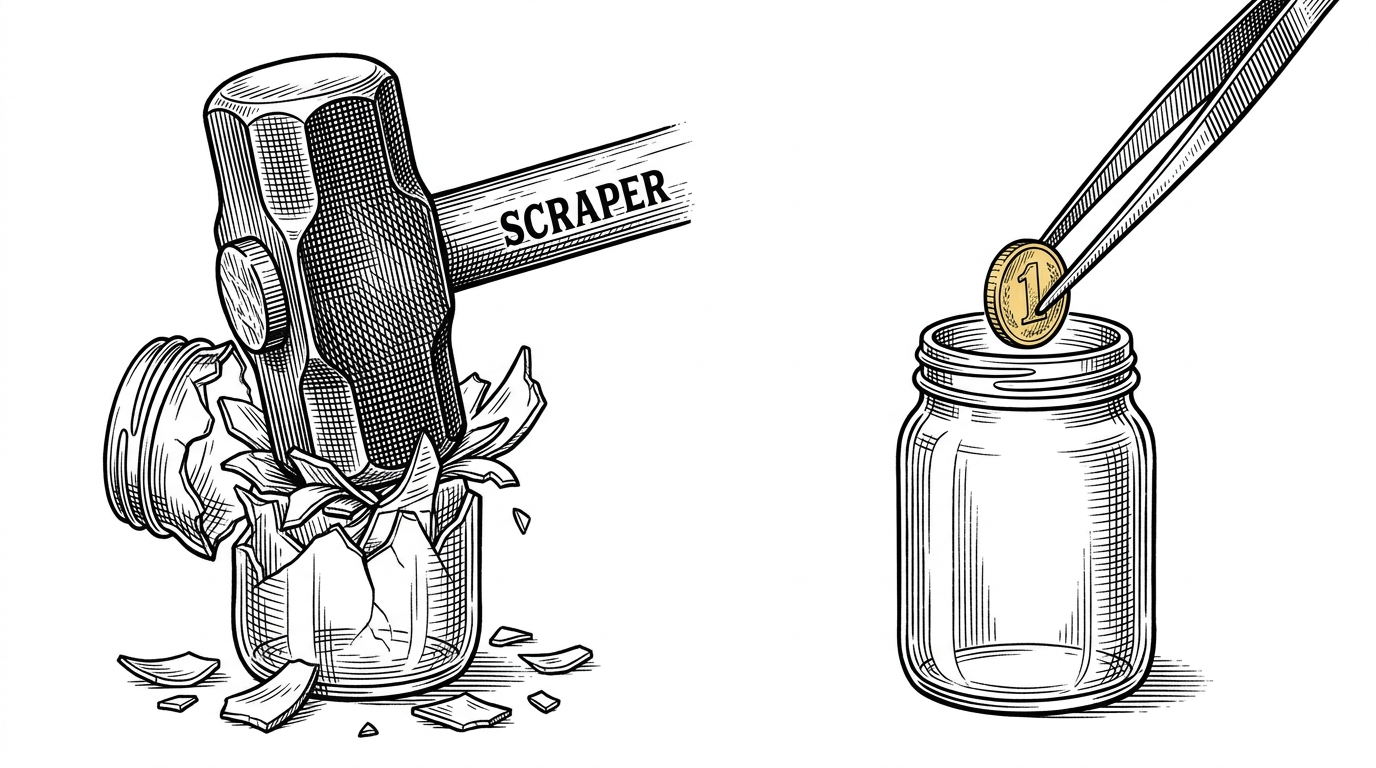
Traditional dorking tools respond to this by escalating the arms race. They integrate complex proxy rotators, headless browsing engines like Selenium, and third-party CAPTCHA-solving APIs. This makes the tools brittle, bloated, and expensive to run. google-dork-runner takes a completely different, almost guerrilla approach: it refuses to play the game.
The Query Factory Model
Instead of attempting to outsmart Google's bot detection, google-dork-runner acts as a compiler for search intent. It doesn't send a single network request to Google. Instead, it ingests a target domain and transforms it into a multi-format dashboard of pre-signed "attack links."
By generating a standalone HTML report, the tool offloads the actual searching to the user's own browser. When the researcher clicks a link in the generated "War Room," the query originates from an authenticated session with established cookies and a trusted fingerprint. The browser itself becomes the ultimate bypass mechanism.
Mapping the Attack Surface
The intelligence of the tool lies in its internal categorization. Rather than a flat list of queries, it maps a single domain across 10 distinct threat vectors, including PII, Cloud infrastructure, and exposed credentials. This structured approach allows a researcher to prioritize high-impact categories before moving on to general reconnaissance.
Particularly clever is its use of "Third-Party Dorking." Instead of solely targeting the primary domain, categories like leaks and github construct queries that search external platforms (like Pastebin or GitHub) for mentions of the target. It expands the attack surface beyond the company's own perimeter.
| Feature | Traditional Scrapers | google-dork-runner |
|---|---|---|
| Execution Model | Automated Network Requests | Local File Generation |
| IP Block Risk | High (Requires Proxies) | Zero (Uses User Browser) |
| Dependencies | Selenium, Requests, APIs | None (Python Standard Library) |
| Workflow | Set and Forget (until blocked) | Human-in-the-loop clicking |
Zero-Dependency Zen
Under the hood, the architecture is an exercise in minimalism. The entire logic is contained within a single Python script, relying exclusively on the Standard Library. There are no pip install requirements, no virtual environments to manage, and no external binaries to download.
It relies heavily on urllib.parse and f-string templating to construct complex, URL-encoded queries. This zero-dependency philosophy makes the tool a permanent fixture in a pentester's toolkit—it can be dropped onto any locked-down jump box or remote VPS and executed immediately.
The Human-in-the-Loop Advantage
In an era obsessed with end-to-end automation, google-dork-runner proves that sometimes the most efficient path involves a human. By preparing the data perfectly and stopping just short of execution, it sidesteps the hardest technical problem in modern recon: identity verification.
Clicking through an HTML report might seem manual, but it guarantees high-fidelity results without the constant friction of debugging a blocked Selenium script. It is a masterclass in solving a complex problem by simply refusing to engage with it.