vuln-scanner: The Glue Code of the Bug Bounty
How vuln-scanner transforms raw reconnaissance into a prioritized hit list for elite security researchers.

I’m just a regular guy who got curious... I broke stuff to see how it worked, then learned how to fix it. That’s how it all started.
- The tool uses a Bash orchestration layer to chain specialized security scanners into a unified triage pipeline.
- A directory-as-state architecture decouples the scanning process from initial reconnaissance data.
- Fail-fast logic prevents automated pipelines from hanging by enforcing input limits and dependency checks.
- The lightweight script allows researchers to swap underlying scanning engines without altering their reporting workflow.
The Signal-to-Noise Filter
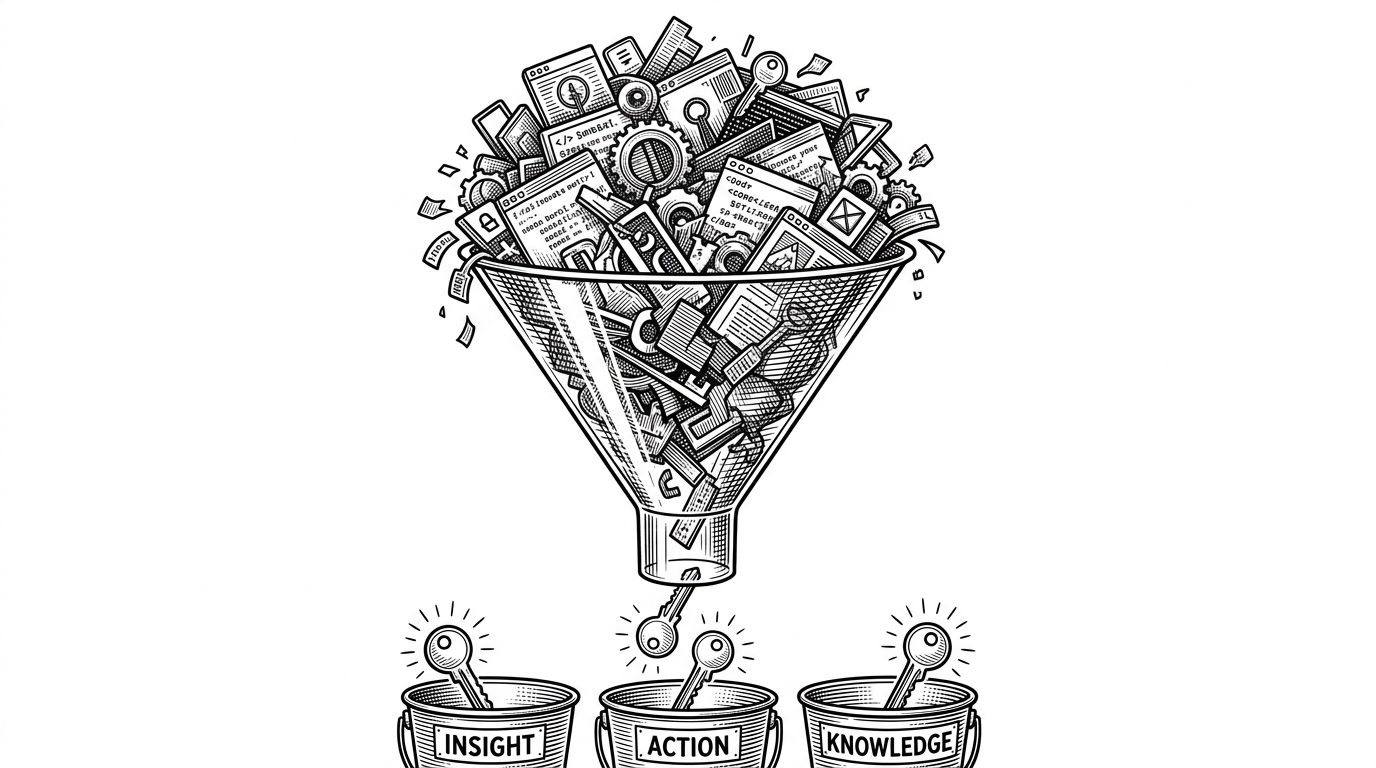
Running fifty security tools at once usually results in five thousand useless lines of text. Alert fatigue is the enemy of the modern bug hunter. When every subdomain and parameter generates a warning, finding the actual vulnerability becomes an exercise in sheer endurance.
The shuvonsec/vuln-scanner repository takes a different approach. It does not attempt to be a monolithic scanning engine. Instead, it acts as an orchestration layer. It applies the Unix philosophy to security research by chaining small, specialized tools together with a thin, intelligent layer of Bash.
From NASA to Malaysia
The tool was built by Md Shariar Shanaz Shuvon, a 17-year-old independent ethical hacker from Bangladesh studying at the University of Cyberjaya in Malaysia. His work has already led to responsible disclosures at NASA, Meta, and Amazon.
Architecture of a Second-Stage Scanner
The core engine is a Bash orchestrator that consumes structured reconnaissance data. It relies heavily on a concept of directory-as-state. The script expects a predefined filesystem hierarchy, like live/urls.txt. This allows the scanner to be entirely decoupled from the initial reconnaissance engine.
One of the most elegant features is its fail-fast logic. By limiting inputs or checking for missing dependencies before execution, it prevents automated pipelines from hanging indefinitely on massive targets.
# Example of fail-fast input limitation
head -100 "$PARAM_URLS" | dalfox pipe
The Ecosystem Play
In a landscape dominated by heavy enterprise software, lightweight orchestration scripts offer a distinct advantage. They allow researchers to swap underlying engines without rewriting their entire reporting pipeline.
| Feature | vuln-scanner | Nuclei (Standalone) | Enterprise Scanners |
|---|---|---|---|
| Primary Role | Orchestration & Triage | Rules Engine | End-to-End Suite |
| Modularity | High (Bash Pipes) | High (YAML Templates) | Low (Monolithic) |
| Setup Complexity | Low | Medium | High |
By focusing strictly on categorizing findings and managing the state of the scan, the project provides a blueprint for how modern bounty hunters scale their intuition.