Compiling the Hacker's Intuition: Inside shuvonsec/web3-bug-bounty-hunting-ai-skills
How a strictly orchestrated collection of Markdown files turns generic LLMs into economically-aware Web3 security auditors.
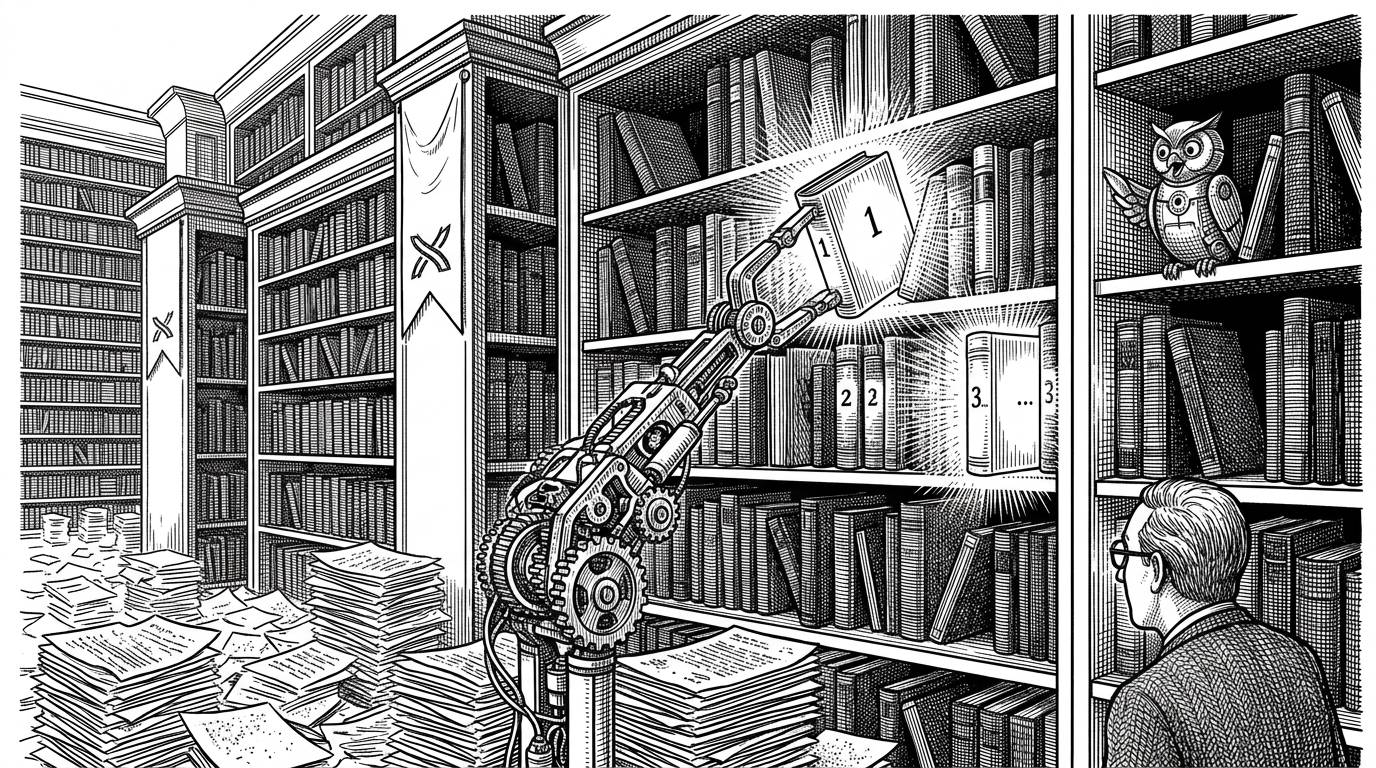
- The repository relies on structured Markdown files acting as a state machine to orchestrate sequential reasoning in LLMs.
- Hardcoded heuristics derived from over two thousand reports prevent the AI from generating low-severity noise.
- A rigid 10-point scorecard forces the model to evaluate the economic viability of a potential exploit before reporting it.
A Textbook for the Machine
We have moved past writing software for humans to execute. We are now writing curriculums for AI agents to read. This repository is not a tool, a script, or a framework. It is an operating system made entirely of highly structured Markdown files. It codifies the raw intuition of expert Web3 security auditors into deterministic skill chains that prevent LLMs from hallucinating.
Feeding a raw codebase to an LLM usually results in informational noise. The AI flags every minor deviation from best practices. This repository acts as a structured brain, curating real-world reports into readable files that teach the AI what actually matters.
18 Claude Code skill files for smart contract security — built from 2,749 Immunefi reports, 681 DeFiHack reproductions, and real hunt experience
Chaining the AI's Thoughts
The repository uses a directed graph approach to learning. Each file ends with a NEXT pointer, ensuring that an AI reading the repository maintains a logical flow from mindset to exploitation to reporting. This prevents the AI from skipping straight to hallucinated exploits.
The Sibling Rule and the War on Noise
The repository distills complex vulnerabilities into simple heuristics. One such abstraction is the Sibling Function Rule. If one function has a security modifier, the AI is instructed to immediately check its sibling function. This simple heuristic is cited as explaining nearly a fifth of all critical findings.
The Economics of the Exploit
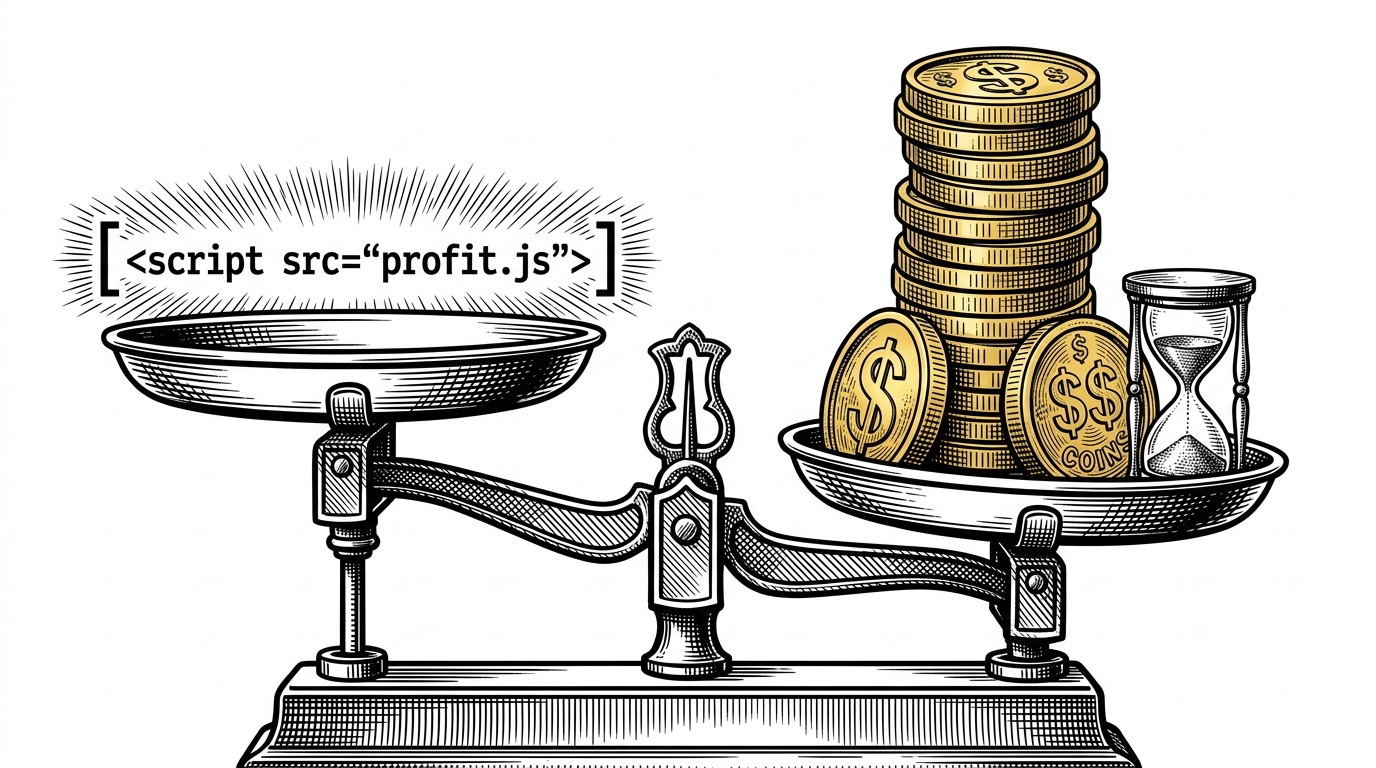
A bug is only a bug if it results in a net return on investment for the attacker. The foundation skills implement a strict 10-point scorecard. An AI usually just looks for code flaws, but this repository trains the AI to act like a mercenary.
The End of the Human Grep
Traditional security wikis are built for human readers. This repository represents a paradigm shift toward AI-orchestrated workflows. It bridges the gap between finding a theoretical bug and proving a profitable exploit.
| Feature | Traditional Security Wikis | AI-Native Skill Chains |
|---|---|---|
| Target Audience | Human Readers | LLM Context Windows |
| Structure | Categorical lists | Directed Graph with NEXT pointers |
| False Positive Filtering | Left to human intuition | Hardcoded Kill Signals in prompts |
| Final Output | Text description of the bug | Executable Foundry Proof-of-Concept |