Campus-Food-Finder: The Java EE Canteen App That Turns Lunch Lines Into Logic
A student food system built with servlets, JDBC, and JSP, but the real surprise is how it uses simple data patterns to make ordering feel intelligent, personal, and operational.
- Campus-Food-Finder is interesting because it solves a campus dining problem with a modest Java EE stack and a surprisingly disciplined flow.
- Its most clever move is not machine learning but SQL-driven recommendation logic layered on top of order history.
- The project feels more like a small marketplace system than a student CRUD demo because it tracks cart state, payment, and pickup timing end to end.
- Plain servlets, JDBC, and JSP are the point here because they make the architecture legible enough to teach and extend.
Why This Canteen App Feels Smarter Than It Should
Most student food apps stop at menus and carts. Campus-Food-Finder goes a step further: it makes lunch feel operational. The app uses order history to suggest food, then adds a simulated pickup-time estimate so the experience feels like a system, not just a form.
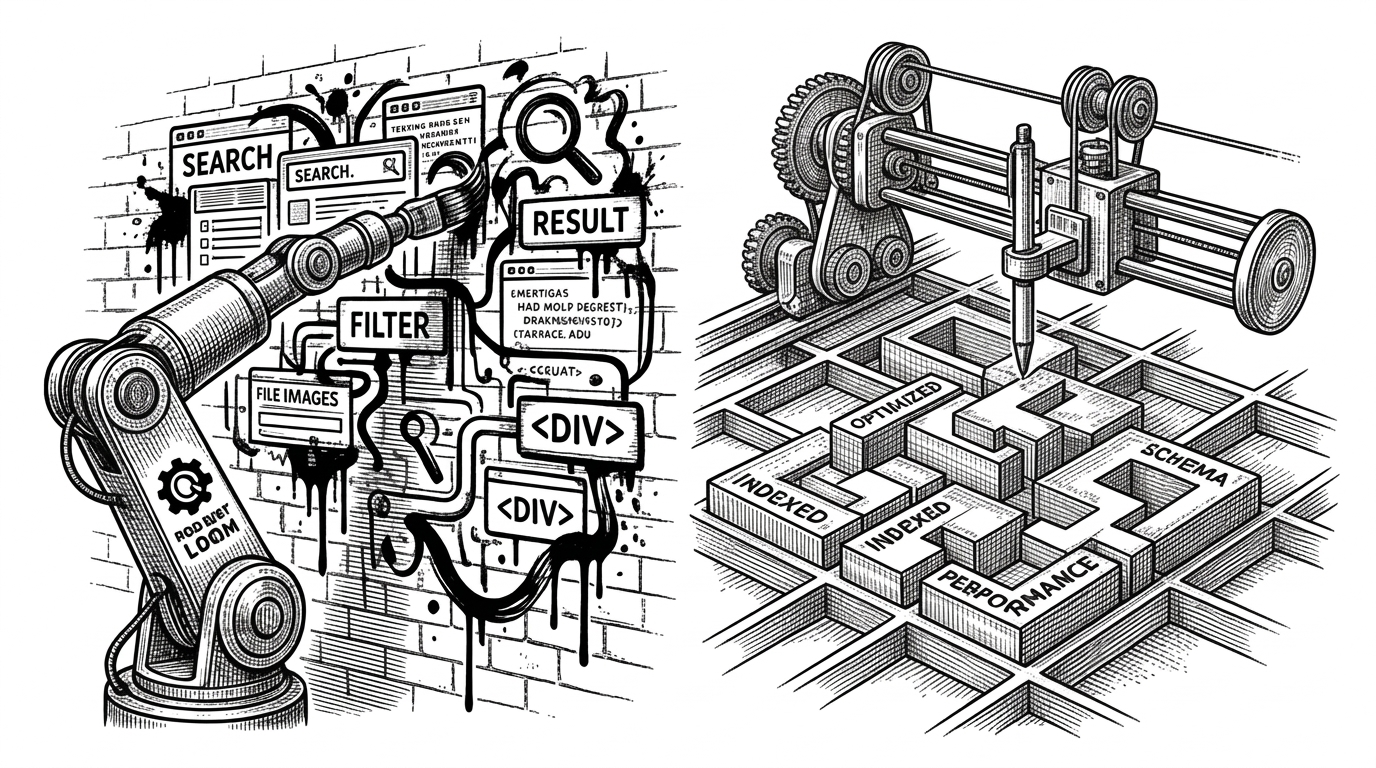
That is the editorial trick of this repo. It does not lean on frameworks, recommendation services, or a backend full of ceremony. It uses plain Java EE tools to model something campus users actually care about: speed, clarity, and fewer surprises at the counter.
What Campus-Food-Finder Actually Solves
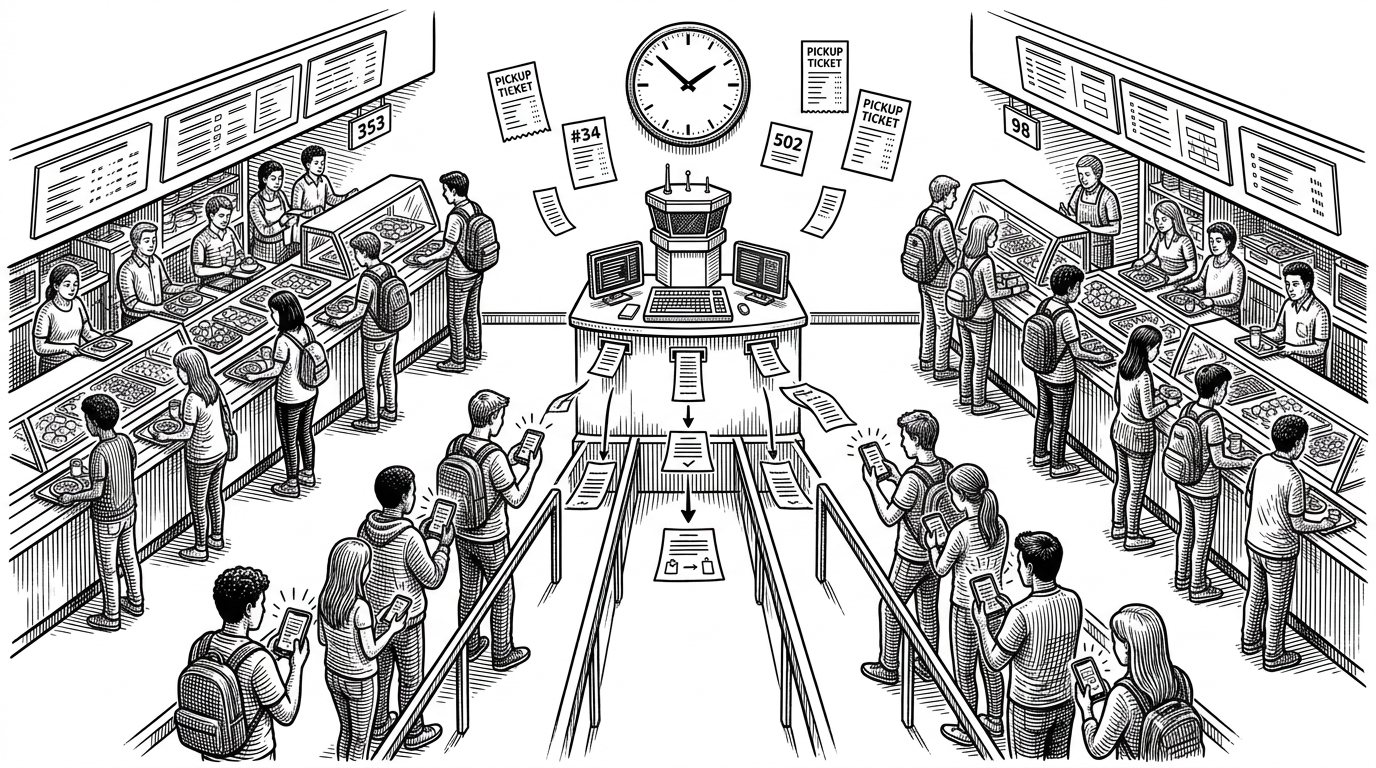
The problem is mundane and real. Campus diners need to browse multiple cafeterias, compare what is available, place an order fast, and know when to pick it up. If the workflow is unclear, the lunch rush turns into a queue problem.
This project treats that as a product and operations problem, not just a UI problem. It tracks food listings, orders, pickup timing, and user session state so the whole experience can move from browsing to collection without falling apart in the middle.
Built Like a Textbook MVC App, On Purpose
The architecture is classic MVC. Models represent users, food items, and orders. DAOs handle MySQL access through JDBC. Servlets act as controllers, and JSP pages render the views.
That conventional structure matters. It keeps the project legible. A reader can follow the request path from a JSP form to a servlet, then into a DAO, then back into the session or rendered page without guessing where the logic lives.
The Interesting Part Lives in the Data Layer
The DAOs do more than move rows around. FoodItemDAO fetches items by canteen or across the full catalog, and it defensively maps nullable database fields to safe defaults. That is small, but it signals a developer who expected incomplete data and built for it.
SELECT DISTINCT f.*
FROM food_items f
JOIN orders o ON f.name = o.food_name
WHERE o.user_id = ?
ORDER BY RAND()
LIMIT ?;
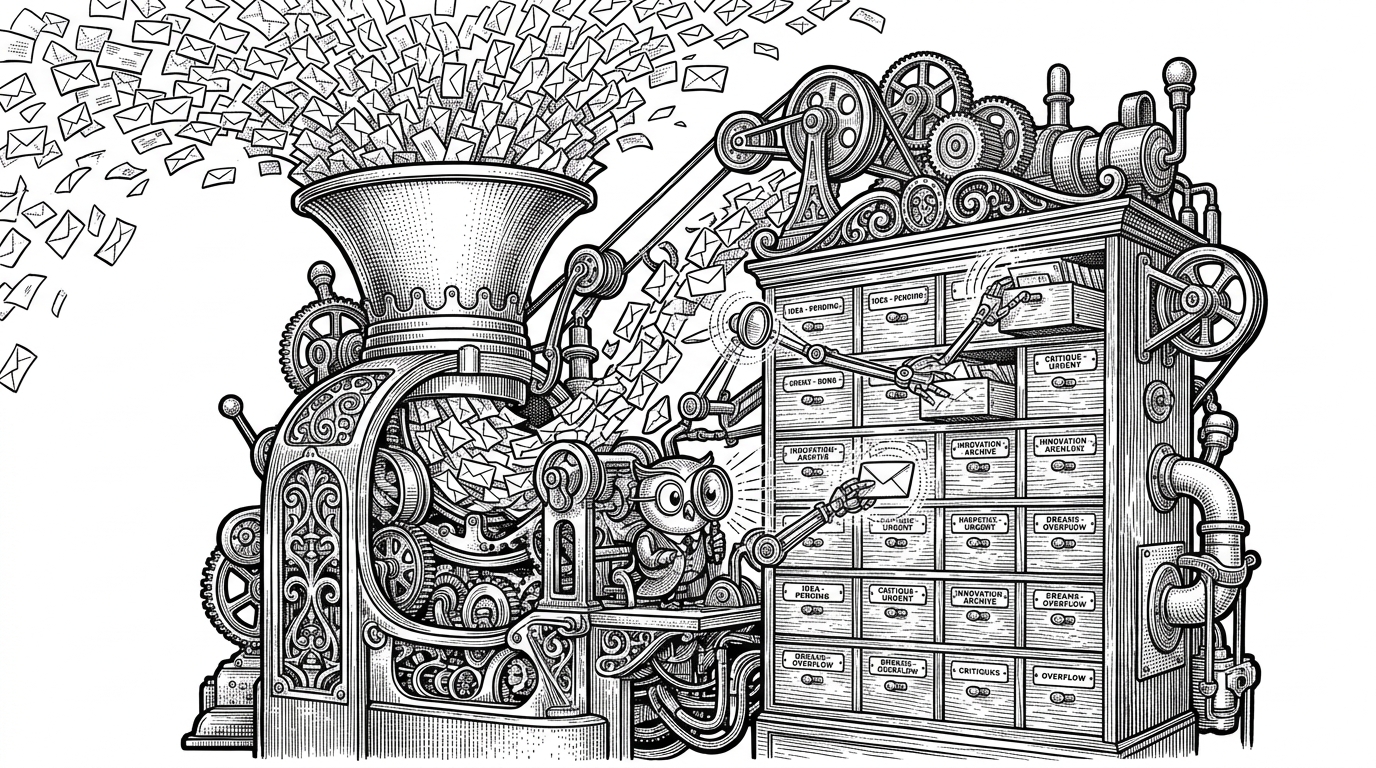
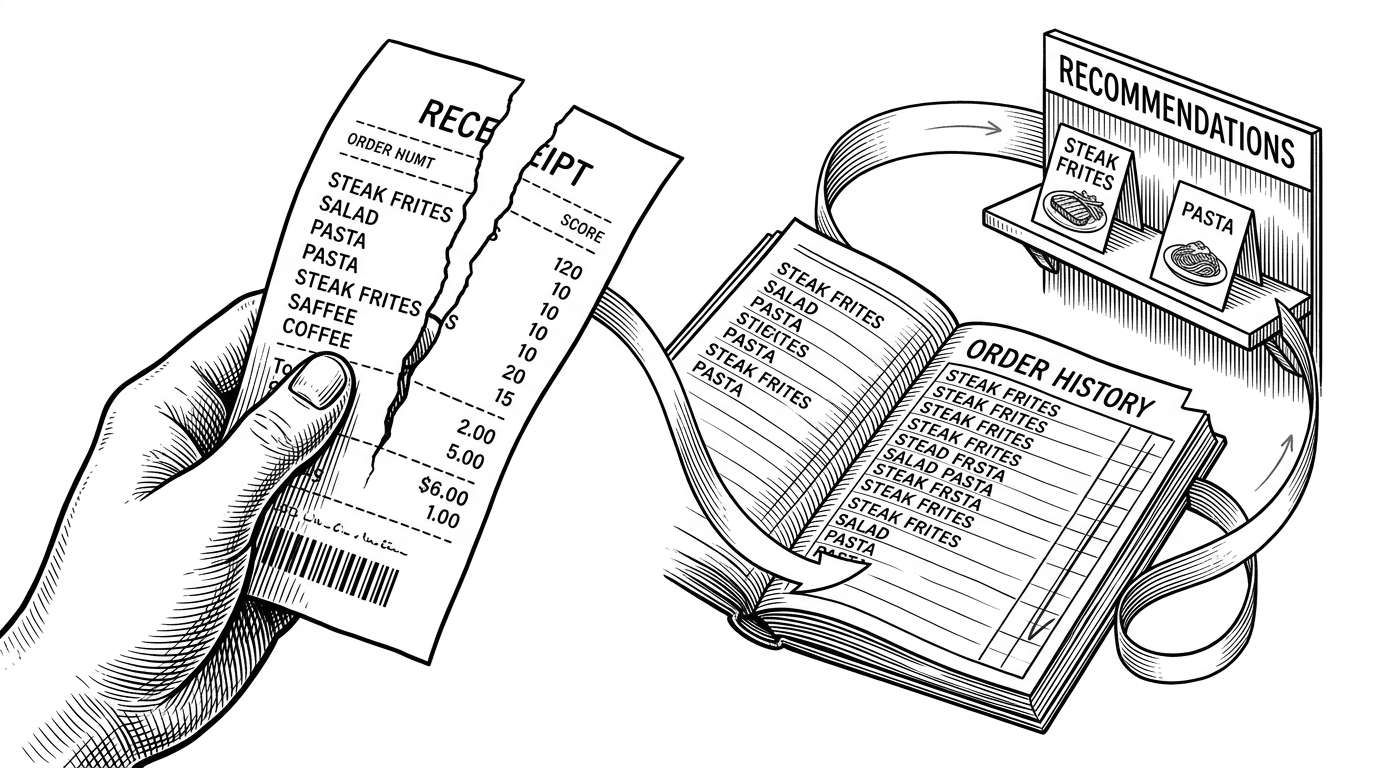
The recommendation query is the cleverest line in the repo. It joins orders to food items by name, filters by user, and uses random selection to surface familiar dishes without pretending to be a neural network. The effect is personalized discovery with almost no machinery.
That is not a weakness. It is the point. The app shows how far thoughtful data design can go when the problem is small enough to deserve restraint.
The Recommender Is Not AI, and That’s the Point
This is recommendation logic as a teaching tool. It borrows the shape of collaborative filtering, but it lives entirely inside SQL and straightforward Java code. You can read it, trace it, and explain it in one sitting.
| Approach | Ordering flow | Personalization | Operational complexity | Best use case |
|---|---|---|---|---|
| Manual cafeteria process | Walk up, ask, wait, pay, hope the line moves | None | Low tech, high friction | Very small, informal canteens |
| Campus-Food-Finder | Browse, cart, order, estimated pickup | Lightweight history-based suggestions | Moderate, but legible | Campus systems that need clarity without heavy infrastructure |
| Full modern delivery stack | Search, algorithmic ranking, payments, dispatch, tracking | Deep behavioral personalization | High, with many moving parts | Large-scale commercial food delivery |
What matters here is the middle ground. The project is more useful than a static CRUD demo, but far lighter than a production delivery platform. That makes it a strong educational artifact and a credible prototype.
Order Flow: Cart, Session, Payment, Pickup
The order lifecycle is clean. Items live in an in-memory session cart. The user logs in and stays identified through HttpSession. The checkout path accepts a simulated UPI payment and returns a pickup estimate generated from a small random range.
That pickup estimate is important because it changes the product from an ordering form into a coordination tool. It manages expectation, which is often half the work in campus service design.
cart.removeIf(ci -> ci.getFoodId() == foodId);Even the cart logic shows the tone of the repo. It is compact, direct, and readable. No over-engineering, no hidden abstraction layers, just the minimum code needed to keep the workflow coherent.
Why This Stack Matters
Plain Java EE, JDBC, and JSP are not trendy. They are useful because they expose the shape of the web app instead of hiding it. You see request handling, persistence, and session state as separate concerns instead of one blurred framework experience.
| Stack choice | What it teaches | What it hides | Trade-off |
|---|---|---|---|
| Servlets + JSP + JDBC | Request flow, SQL, session state | Very little | Great for learning, slower to build |
| Heavier framework stack | Convention, DI, richer ecosystems | A lot of plumbing | Faster at scale, less transparent |
| Managed SaaS backend | Product wiring and integration | Most internals | Quick to ship, weak for learning architecture |
That is why this project lands. It is simple enough to understand, but not so simple that it stops being interesting. It teaches architecture by making each layer visible.
What Holds It Back
This is still a prototype. The database access appears tied to direct utility calls, there is no obvious build tool configuration, and the test surface looks thin. The project also simulates payment and pickup flow rather than closing the loop with a kitchen-side fulfillment system.
Those gaps do not undermine the idea. They define the next step. A stronger build pipeline, clearer test coverage, and a fuller staff workflow would make this a much sturdier campus product.
The Bottom Line
Campus-Food-Finder is a useful reminder that smart software does not have to be glamorous. It just has to connect data, workflow, and user expectation in a way that makes the day run smoother.
That is why the repo stands out. It treats lunch like a system, not a screenshot. And it does it with a stack most developers can still read without translation.