TikTokDownloader Is Not a Downloader. It’s a Scraping Platform With a Firewall Around the Hard Parts
A modular Python system for Douyin and TikTok that blends async downloads, metadata extraction, storage backends, and externalized signature logic into one archival engine.
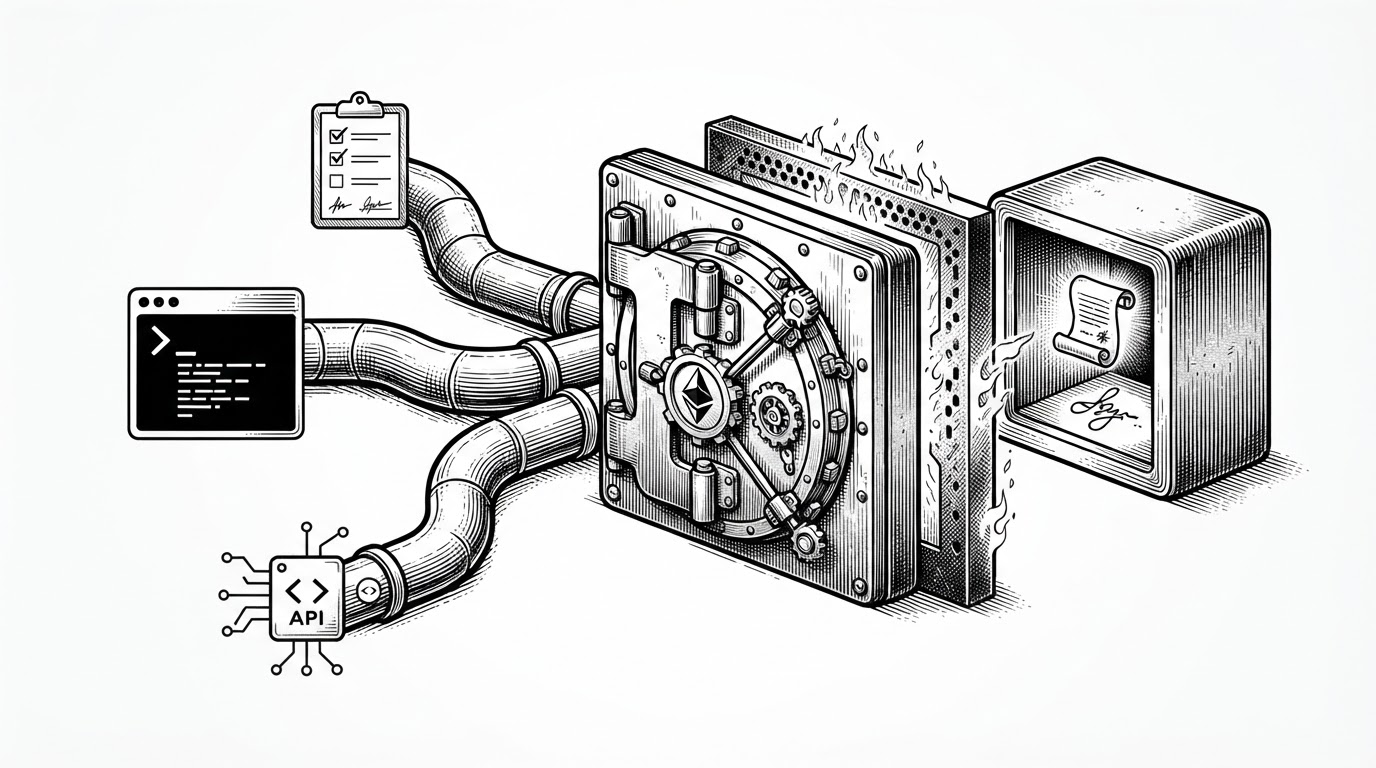
- TikTokDownloader behaves like a platform because one async engine serves three different entry points without duplicating the hard parts.
- The repo treats anti-bot signature logic as a boundary problem, which keeps the rest of the codebase cleaner and easier to extend.
- Its real edge is archival depth, with metadata, storage adapters, and file migration tools built for repeated use, not one-off grabs.
- Compared with generic downloaders, it is stronger on Douyin handling, persistence, and automation-friendly integration.
The hard part is hidden on purpose
Most downloaders try to solve the visible problem first: paste a link, get a file. This repo starts somewhere more interesting. It treats signature generation and anti-bot friction as a separate boundary, with the risky logic isolated from the rest of the application in a way that keeps the core cleaner and more durable.
That matters because the project is not really organized around one feature. It is organized around containment. The downloader, extractor, storage layer, and user interface can stay boring while the volatile platform-specific logic lives in a narrow, explicitly managed seam.
本项目的加密参数算法已过期失效;为确保项目合法合规,参数算法不再维护,部分功能可能无法正常工作。 如需使用,请自行准备加密参数生成代码,配置方法请查阅文档!
That README note is the key to the architecture. The project does not pretend the platform’s security layer is stable or portable. It draws a hard line, and the rest of the repository is free to behave like software instead of a pile of one-off workarounds.
Three faces, one engine
The repo supports three access patterns: a terminal app, a clipboard monitor, and a FastAPI service. That is the point where it stops looking like a utility and starts looking like a platform. The same core pipeline can serve a person at a console, a background watcher, or another application over HTTP.
| Mode | Primary strength | Best for | Operational feel |
|---|---|---|---|
| Terminal | Fast manual control | Power users and one-off sessions | Interactive and direct |
| Clipboard monitor | Passive link capture | Casual batch harvesting | Background and low-friction |
| Web API | Structured integration | Other apps and services | Headless and programmable |
The difference is not just ergonomics. Each mode exposes the same engine through a different surface, which means the code can stay centralized while the usage can stay flexible. That is the right split for a tool that wants both daily convenience and integration value.
How the async pipeline actually moves
Under the hood, the repo leans on modern Python conventions that fit the job: asyncio for concurrency, httpx for network I/O, aiofiles for disk writes, and aiosqlite when storage needs to stay non-blocking. The result is a pipeline that can keep moving while downloads, metadata extraction, and persistence all happen in parallel.
async with TikTokDownloader(config) as app:
    result = await app.run(url, mode="full_archive")
    await app.storage.save(result)
    await app.shutdown()
The important thing is not that the code is asynchronous. It is that asynchronous work is used to preserve throughput across the whole flow. Input arrives, interfaces normalize it, extractors shape the platform response, the downloader fetches assets, and storage adapters write the result without freezing the rest of the machine.
Why Pydantic and storage adapters matter
Scraping projects often fail at the handoff between messy platform JSON and durable local data. This one leans on Pydantic models to make those handoffs explicit. That turns unpredictable responses into typed objects, which makes validation and downstream logic much less fragile.
The storage layer follows the same idea. CSV, XLSX, SQLite, and MySQL are not treated as afterthoughts. They are adapters, which is exactly how archive software should think about persistence. The point is not just to download content. It is to make the content reusable later.
A self-taught programming enthusiast driven purely by passion and curiosity, exploring computer technology as a non-professional.
That mindset shows up in the codebase. The repository is not chasing a single happy path. It is trying to reduce friction for people who need repeatable archives, structured metadata, and a system that can survive platform churn.
The project is optimized for the long haul
The most convincing sign of maturity is not a flashy feature. It is the unglamorous tooling around file management. Rename compatibility, folder migration, and legacy path handling all point to the same assumption: people will run this more than once, on more than one machine, across more than one version of the project.
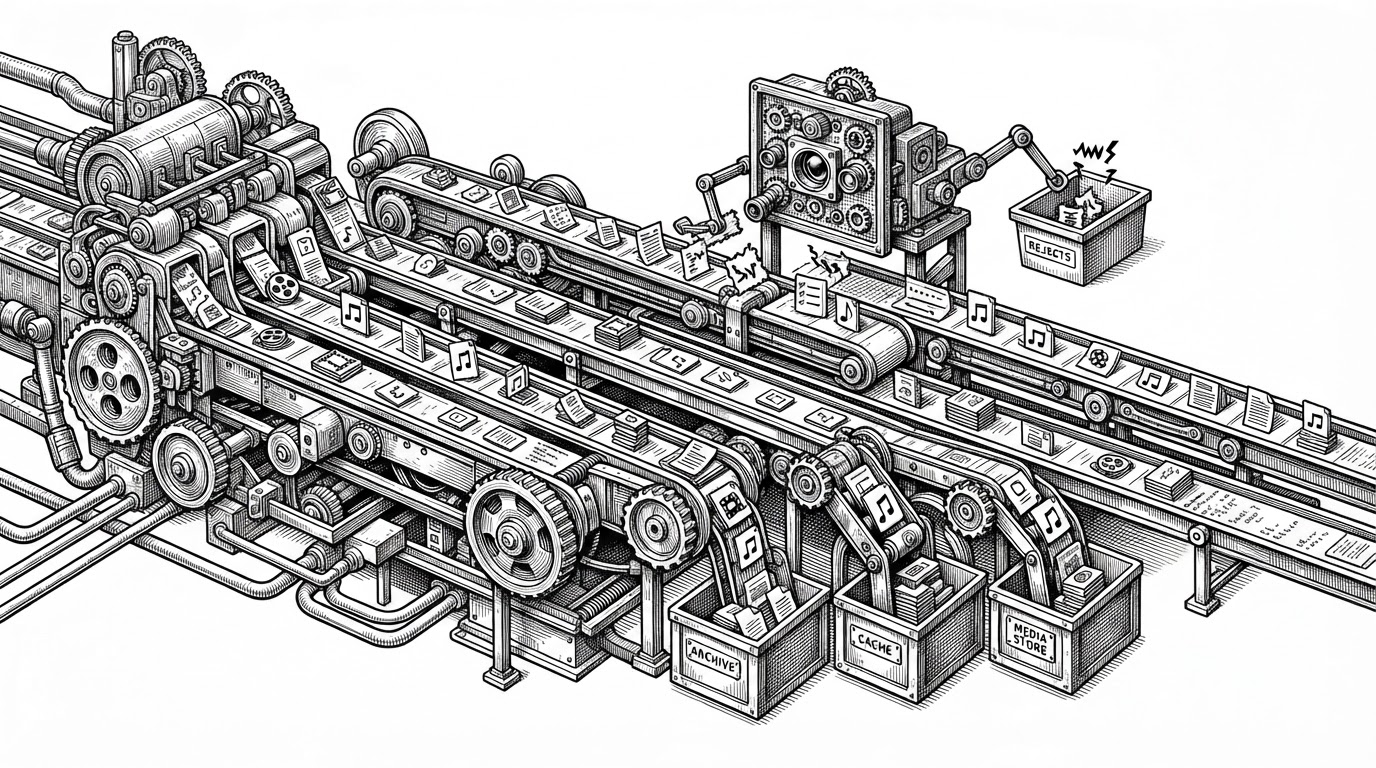
That is why the project feels more like infrastructure than a script. The files are expected to move, the folders are expected to evolve, and the archive is expected to outlive the session that created it.
How it compares to the rest of the field
This repo is not a direct substitute for a general downloader like yt-dlp. yt-dlp is the broader, more universal tool. TikTokDownloader is narrower, but deeper in the ways that matter for Douyin and archival workflows.
| Tool | Primary strength | Metadata depth | Douyin focus | API / automation support | Storage options | Best use case |
|---|---|---|---|---|---|---|
| TikTokDownloader | Platform-aware archival workflows | High | Strong | Strong | CSV, XLSX, SQLite, MySQL | Repeated collection and reuse |
| yt-dlp | General video extraction | Moderate | Limited | Moderate | File-centric | Broad media downloading |
| API-centric scraper | Structured endpoints | Varies | Often strong | Strong | Often limited | App integration and quick lookups |
The category difference is the real story. TikTokDownloader is not trying to win by being the simplest tool in the room. It is trying to be the most useful when the goal is persistence, automation, and repeated use across a platform that changes constantly.
Why this matters
Platforms like TikTok and Douyin are built around ephemerality, friction, and constant change. A tool like this pushes back by treating acquisition as only the first step. The larger value is structure: metadata, storage, migration, and access surfaces that make the archive usable after the download finishes.
That is why the repo stands out. It does not just extract media. It turns a hostile scraping problem into a modular archival system, and it does so by isolating the unstable parts instead of pretending they are ordinary application code.