SageX: The Learning RPG That Treats AI Tutoring Like a Game System
A 2D Space Academy built in Next.js turns prompts, quests, and XP into a deterministic learning loop, with AI grading, fallback content, and a soft-capped progression engine.

- SageX makes AI tutoring feel fair by wrapping model output in a deterministic quest pipeline instead of treating the LLM as the final product.
- Its real innovation is not the space theme, but the discipline around seed-based generation, JSON validation, and fallback content.
- The XP system is designed like an economy, with pure scoring logic and soft caps that discourage grind abuse.
- The stack reads less like a toy front end and more like a product backend built to support replayable learning.
The Tutor Is the Game
SageX starts with a simple promise: do the thing, get graded, earn XP. That sounds like a game, but it is also the answer to a familiar learning problem. Video courses are passive. Chat tutors can be helpful, but they often drift into one-off answers with no sense of pacing or replay.
This project takes the opposite route. It turns AI tutoring into a loop with state. A player enters the Space Academy, attempts a quest, gets evaluated, and then advances through progression that is visible, bounded, and repeatable.
Why SageX Feels Different
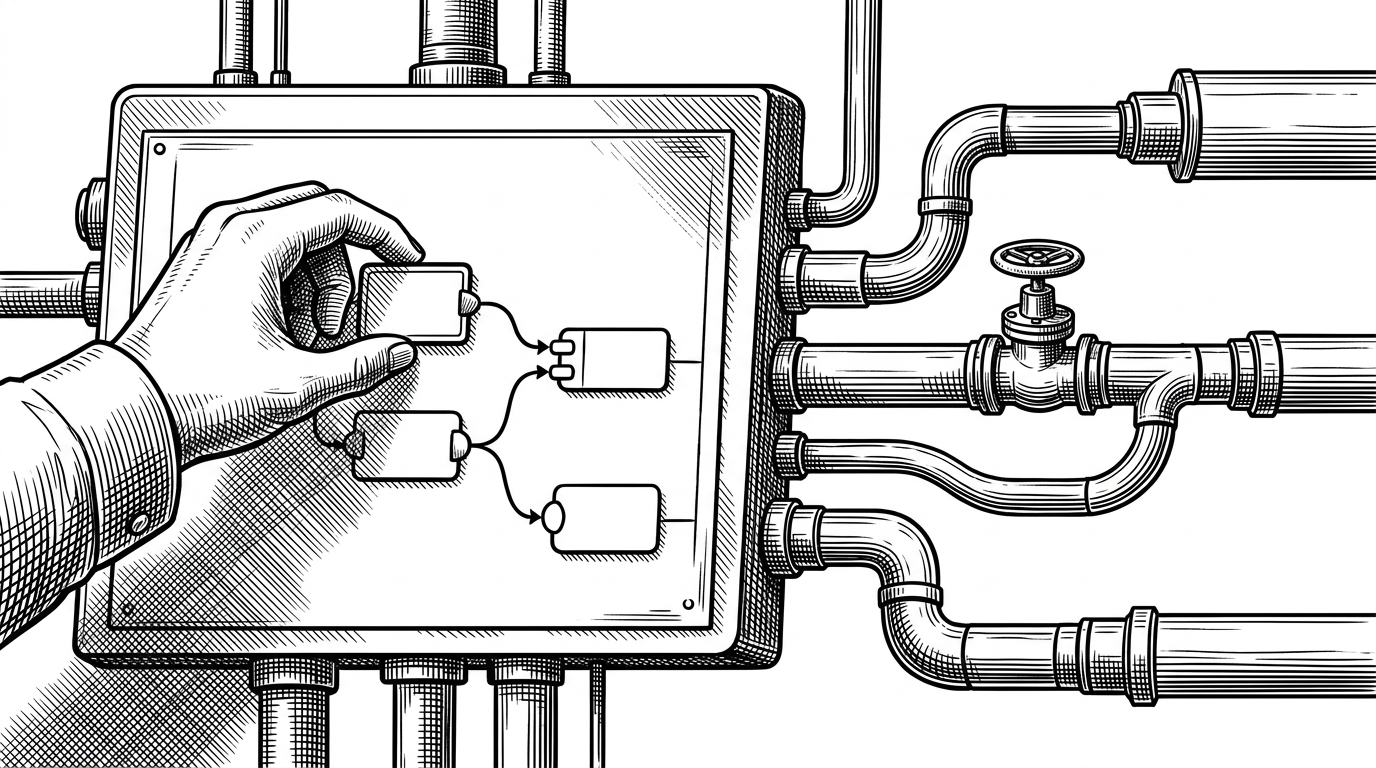
Most AI learning tools use the model as a conversational layer. SageX uses it as one step in a larger system. The game decides what the model may generate, how that output is checked, what happens when it fails, and how progress is rewarded.
That is the product insight. The AI is not the experience. The experience is the rules around the AI. The result is a tutor that feels playful on the surface and disciplined underneath.
The Determinism Layer
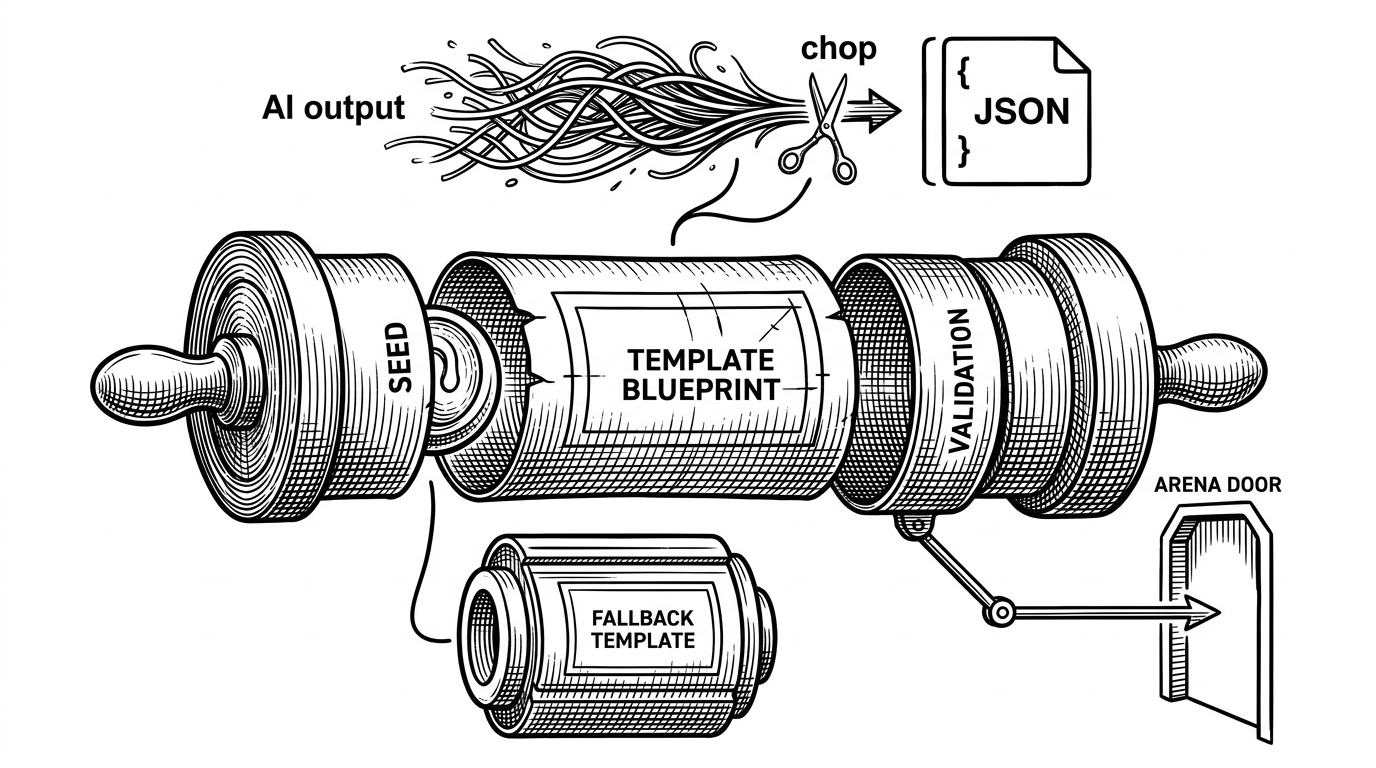
The sharpest idea in SageX is that it wants deterministic variety. Quests are tied to a seed and a templateId, which means the system can feel fresh without becoming random. If the same player runs the same seed, the game can produce the same outcome again.
That matters because fairness depends on reproducibility. If an AI-generated quest can mutate every time, then retries become meaningless and leaderboards stop making sense. SageX closes that loophole by validating model output and falling back to hardcoded templates when the generation path breaks.
How the XP Engine Prevents Grind
The XP service is where the game stops being decorative. It is pure logic, which makes it predictable and testable. Leveling uses an exponential curve, and reward math incorporates streak and difficulty multipliers.
The crucial detail is the soft cap. Once a player crosses a daily threshold, rewards taper off. That is not just a balancing trick. It is an anti-exploit mechanism that keeps progression from turning into repetitive farming.
const baseReward = quest.baseXP;
const streakBonus = 1 + streakMultiplier;
const difficultyBonus = 1 + difficultyMultiplier;
const cappedReward = applyDailySoftCap(baseReward * streakBonus * difficultyBonus, dailyXpTotal);

return {
  xpGained: cappedReward,
  level: getLevelFromXP(totalXP + cappedReward),
};
The Architecture Behind the Mascot
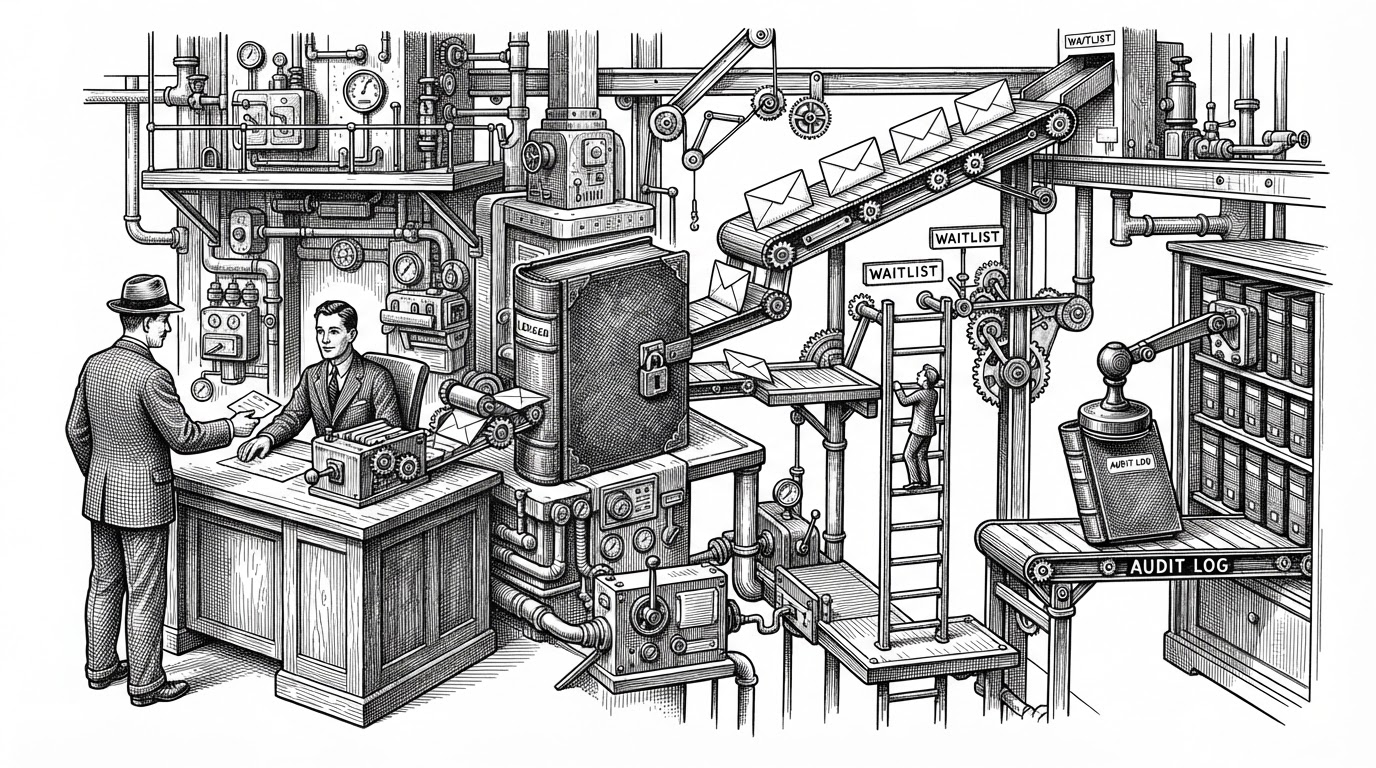
Under the hood, SageX is structured like a real product. Next.js App Router handles the surface layer. Services handle AI, XP, and OAuth. Orchestrators coordinate quest flow. Models define the data. Assets and animation logic make the world feel alive.
That layering is the reason the concept works. The browser front end is not doing all the thinking. It is asking a set of narrower systems to do the jobs they are best suited for, which keeps the game responsive and the AI logic contained.
From Anonymous Pilot to Persistent Player
The identity model matters more than it first appears. SageX treats new users as pilots, then links them to durable accounts through OAuth and session sync. That lets a player slip between anonymous exploration and authenticated persistence without losing the game state.
In a normal learning app, identity is bookkeeping. In SageX, identity is part of the fiction and part of the system design. The player can inhabit the world before the account is fully resolved, which lowers friction without sacrificing continuity.
Why Not Just Build This in a Game Engine?
SageX is not trying to outgame a game engine or outteach a course platform. It is optimized for fast iteration, model integration, and product-shaped learning flows. Next.js is doing the job of a runtime, a shell, and an app framework all at once.
| Dimension | SageX | Video courses | Chat-based tutors | Traditional game engines |
|---|---|---|---|---|
| Learning model | Replayable quests with XP | Linear lessons | Conversation | Simulation or gameplay |
| Feedback timing | Immediate grading | Delayed or none | Immediate, but unstructured | Depends on the game design |
| Progression system | Soft-capped leveling | Module completion | Mostly absent | Usually custom-built |
| Determinism and fairness | Seeded and validated | High | Low unless constrained | High if engineered well |
| Content generation method | LLM plus fallback templates | Human authored | LLM chat responses | Scripted content and assets |
| Best use case | Practice that feels game-like | Passive instruction | Ad hoc help | Rich interactive worlds |
The comparison makes the positioning clear. SageX is not a replacement for every learning format. It is a system for structured practice, where repetition has to feel fair and AI output has to stay inside guardrails.
What SageX Signals About AI Education
SageX points toward a broader shift in AI education. The next generation of learning tools will probably look less like chat windows and more like systems with rules, state, progression, and recovery paths. In that world, the interesting question is not whether AI can generate content. It is whether the product can control that content well enough for people to trust it.
That is the real lesson here. SageX is not exciting because it adds a mascot or a space theme. It is exciting because it treats AI tutoring like an engineered game loop, and that makes the experience feel both playful and credible.