ZernFlow: The Visual Chatbot Builder That Hides a Real Execution Engine
An open-source ManyChat alternative with a graph runtime, multi-platform message adaptation, and a CRM model built for pause, resume, and scale.
- ZernFlow’s real differentiator is not the canvas, but the resumable graph runtime underneath it.
- The project treats channel differences as a translation problem, not a reason to fragment the flow model.
- Its AI node, CRM schema, and session state all point to one architecture: conversation as durable orchestration.
- Compared with ManyChat, ZernFlow shifts the category from SaaS workflow builder to self-hostable execution layer.
The interesting thing about ZernFlow is not that it can build chatbot flows. Plenty of tools can draw boxes and arrows. The real surprise is that those boxes and arrows are wired to a headless runtime that can pause, persist, and resume a conversation later across humans, AI, webhooks, and very different social platforms.
The Canvas Is Not the Product
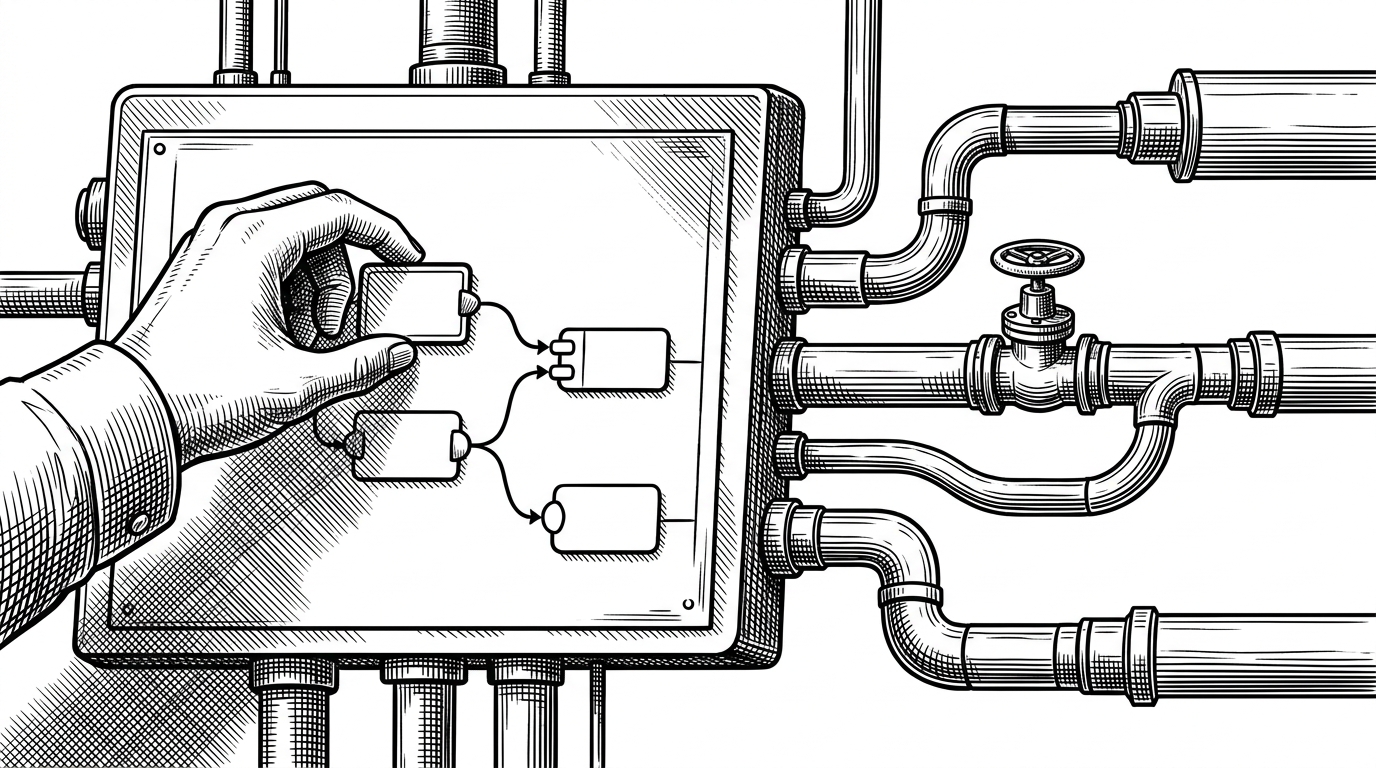
ZernFlow presents as a drag-and-drop builder, but that is only the front door. Underneath, the project treats the flow graph as the core data model, then executes it like a state machine. That changes the design problem completely. Instead of asking how to make a prettier builder, the question becomes how to keep a conversation alive when the user disappears, the platform changes, or a human needs to step in.
The architecture report points to a simple but important pattern in lib/flow-engine: recursive traversal with a traversal depth cap, plus session persistence in Supabase. In practice, that means a flow can walk forward, stop when it needs input, write down where it is, then pick up from the same node when the next message arrives. That is much closer to orchestration than to a classic chatbot script.
// Conceptual shape of the engine
async function traverseNodes(nodeId, session) {
  if (session.depth > MAX_TRAVERSAL_DEPTH) return;

  const node = await loadNode(nodeId);
  const result = await executeNode(node, session);

  if (result.status === 'waiting_for_input') {
    await saveSession({
      current_node_id: nodeId,
      waiting_for_input: true,
      contact_id: session.contactId,
      channel_id: session.channelId,
    });
    return;
  }

  if (result.nextNodeId) {
    return traverseNodes(result.nextNodeId, {
      ...session,
      depth: session.depth + 1,
    });
  }
}
Managing customer conversations across Facebook, Instagram, Twitter, Bluesky, Reddit, and Telegram requires constant context switching. A unified social media inbox solves this by aggregating all messages into a single interface, letting your team respond faster without jumping between platforms.
A Graph Runtime That Can Stop and Restart
That runtime matters because social messaging is full of interruptions. A lead may reply hours later. A webhook may land after a user leaves. A human may take over in the middle of a conversation. ZernFlow’s engine is built to treat those interruptions as normal, not exceptional.
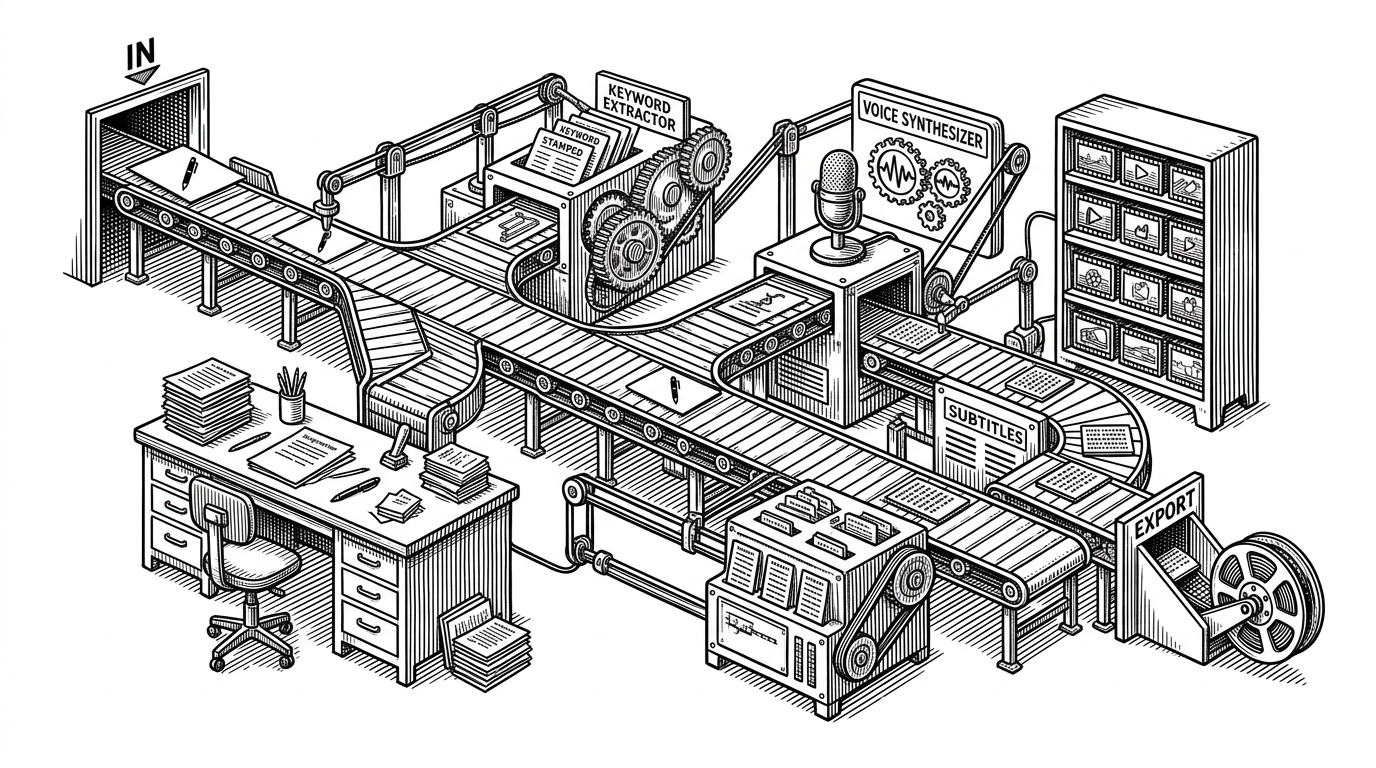
The flow engine is the brain of the system. It traverses nodes, applies conditions, invokes AI, and writes state when a node cannot finish immediately. The saved session becomes the bridge between the visual graph and the live conversation. In other words, the flow is not just rendered. It is remembered.
One Message Model, Six Very Different Platforms
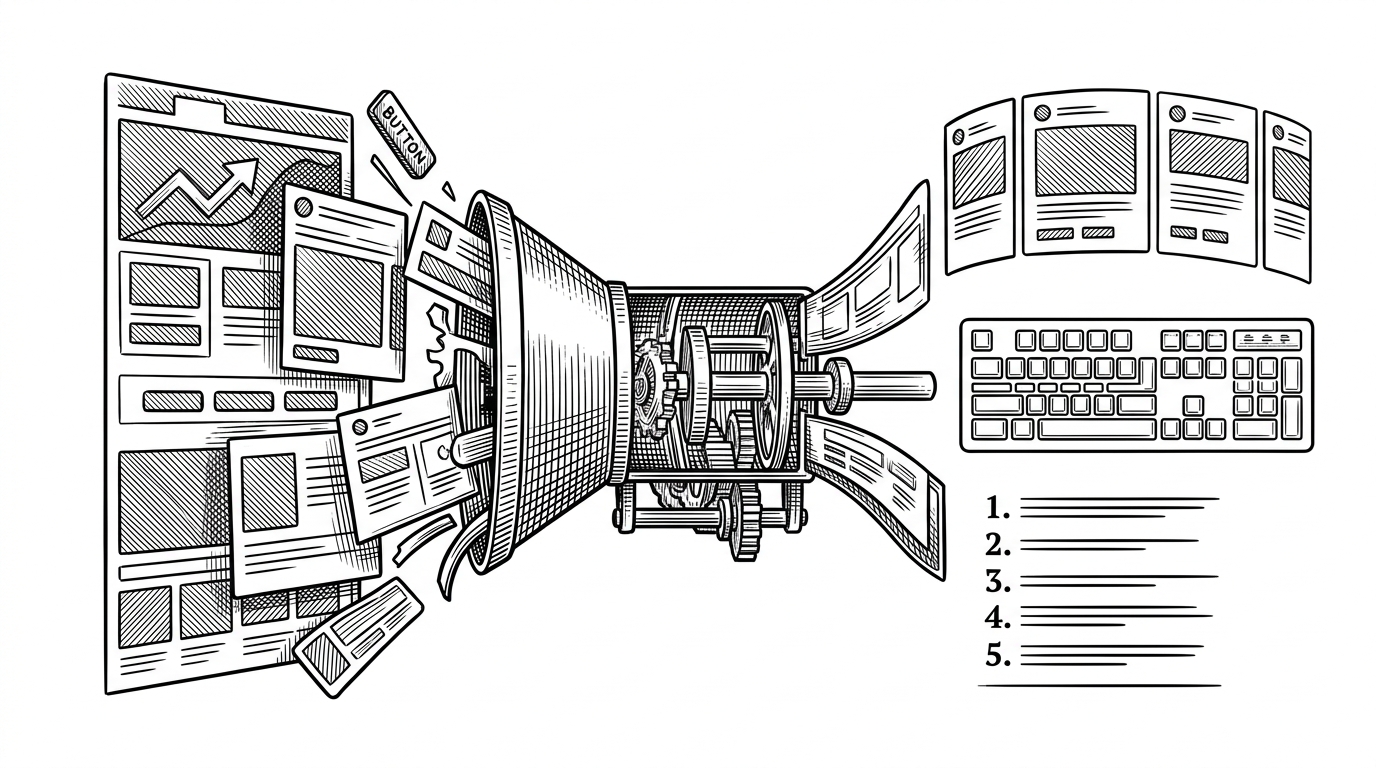
This is where ZernFlow gets practical. Its platform adapter turns a generic message into platform-specific output, then degrades gracefully when a feature is unavailable. A carousel can become text. Buttons can become an inline keyboard. Rich media can collapse into a numbered list without breaking the flow.
| Category | ManyChat | ZernFlow | Why it matters |
|---|---|---|---|
| Ownership | Commercial SaaS | MIT licensed and self-hostable | You can own the stack instead of renting it. |
| Execution model | Flow builder as product surface | Graph runtime with pause and resume | The conversation survives interruptions. |
| Platform handling | Platform-specific workflow limits | Generic message adapted per channel | One flow can travel across mismatched platforms. |
| AI flexibility | Integrated automation features | AI node through Vercel AI SDK | You can swap providers without rewriting the system. |
| CRM extensibility | Vendor-defined data model | Custom fields, contact-channel mapping, flow versions | The CRM can bend to the business, not the other way around. |
| Lock-in | High | Low | Self-hosting changes the economics and the risk profile. |
The bigger difference is architectural, not cosmetic. ZernFlow is closer to a programmable orchestration layer than a polished SaaS clone.
AI Is a Node, Not a Gimmick
ZernFlow does not isolate AI in a side panel. It gives AI a place in the graph. That matters because it keeps the model in the same execution system as buttons, conditions, handoffs, and human intervention. The AI node can pull recent messages, generate a response, and then hand the conversation back to the flow when needed.
// Conceptual AI node behavior
const history = await getRecentMessages(contactId, 10);
const reply = await generateText({
  model,
  messages: history.map(m => ({ role: m.role, content: m.content })),
});

if (reply.needsHumanTakeover) {
  await routeToHumanInbox(sessionId);
} else {
  await sendMessage(channelId, reply.text);
}
That framing is more durable than a gimmicky chatbot demo. AI becomes one step in a broader control system, not the whole system. And because the engine already understands state, the bot can hand off to a human without losing the thread.
The Hidden CRM Layer
The database schema makes the same point from another angle. ZernFlow is not just storing prompts and replies. It is modeling contacts, channels, custom fields, flow versions, and interactions as a multi-tenant CRM. One person can map to multiple platform identities, which is exactly what real customer conversations demand.
That is a serious product choice. It means the bot builder is tied to customer data, and customer data is tied to workflow history. When you combine contact-channel mapping with custom fields and versioned flows, the system stops looking like a toy and starts looking like infrastructure.
| CRM capability | Simple bot tools | ZernFlow | Implication |
|---|---|---|---|
| Contact identity | One platform at a time | One contact mapped to multiple channels | The system can recognize the same person across networks. |
| Custom data | Fixed fields | Dynamic custom fields | Teams can model their own sales or support process. |
| Workflow history | Loose logs | Versioned flows and interactions | Automation can be audited and revised safely. |
Why Open Source Changes the Category
ZernFlow’s comparison with ManyChat is not just about features. It is about control. Open source turns a marketing automation tool into software you can inspect, extend, and host yourself. That matters when the workflow is central to revenue, support, or lead capture.
The repo’s use of TypeScript, Supabase, and a dedicated messaging abstraction through Zernio suggests a practical split of responsibilities. ZernFlow focuses on orchestration and product logic. Zernio handles the messy platform integration layer. That division keeps the codebase cleaner and makes the system easier to reason about.
Zernio emerges as a premier choice for building sophisticated social media automation, offering a developer-first unified API that streamlines scheduling across ten major platforms. It consolidates posting to X (Twitter), Instagram, TikTok, LinkedIn, Facebook, and more into a single, reliable endpoint.
That is also why the project feels more like a category shift than a feature checklist. ZernFlow is not only a cheaper ManyChat alternative. It is a different ownership model for the same business problem.
What ZernFlow Suggests About the Next Wave of Chat Automation
The next wave is probably not about ever-more-clever message prompts. It is about portable orchestration across fragmented channels, with AI and humans sharing the same state machine. That is a much harder system to build, but it is also the one that matches how real conversations work.
ZernFlow’s best idea is simple: stop treating chatbot automation as a script and start treating it as durable execution. Once you do that, the builder becomes a control surface, the CRM becomes memory, and the platform adapters become translators instead of bottlenecks.