MoneyPrinterTurbo: The Open-Source Machine That Turns Prompts Into Shorts
A deep dive into the Python pipeline that translates fuzzy ideas into scripts, footage searches, voiceover, subtitles, and final video files.
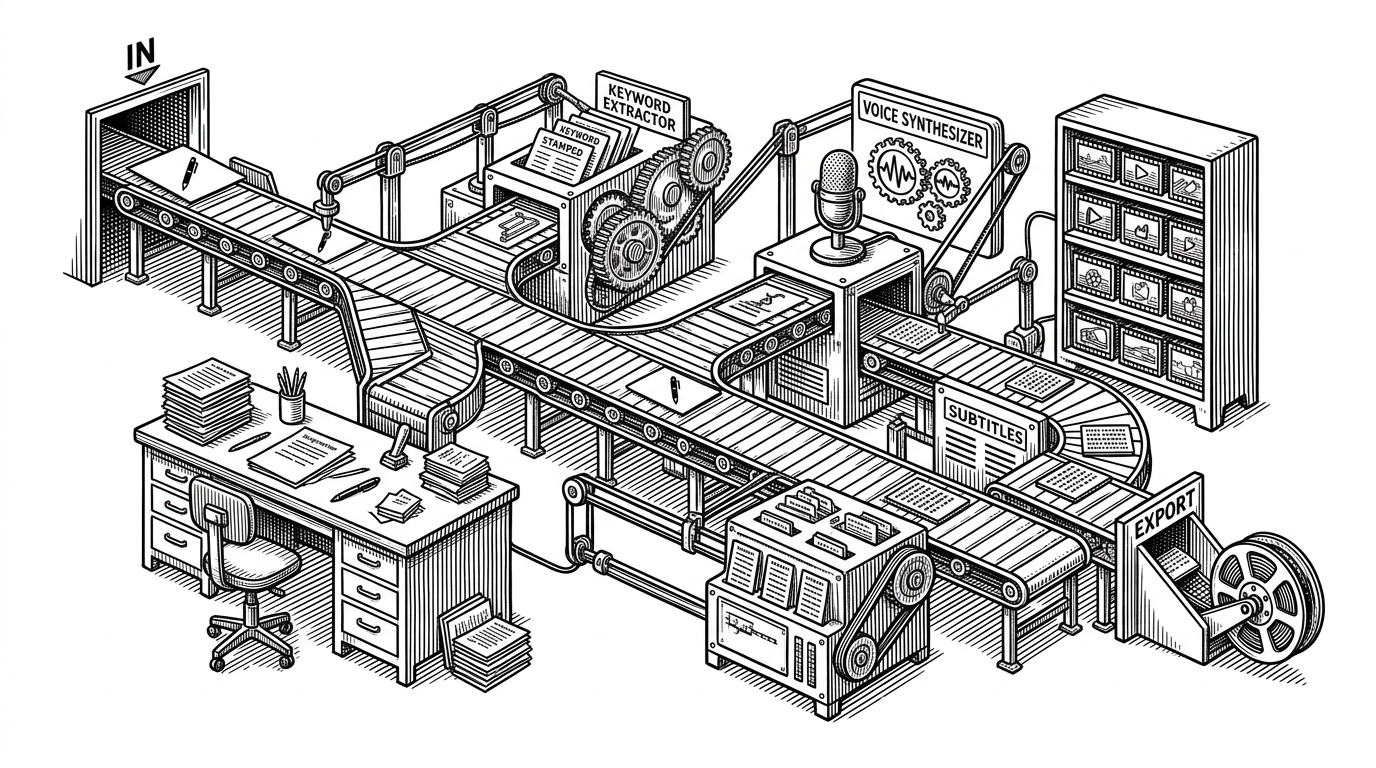
- MoneyPrinterTurbo is less a video generator than a translation layer that turns vague language into a sequence of machine-executable media decisions.
- Its real advantage is orchestration: scripts, search terms, TTS, asset retrieval, subtitles, and export are coordinated as one pipeline.
- Task IDs, storage paths, and background execution make the system resumable and easier to debug than a typical one-off AI script.
- The repo’s open-source, multi-model design gives users cost control, privacy, and flexibility that commercial SaaS tools usually trade away.
The Hard Part Is Not Writing the Script
A prompt can be fuzzy and still useful. A video cannot. Once the system has to pick a voice, a clip, a subtitle timing strategy, and an export preset, ambiguity becomes a liability.
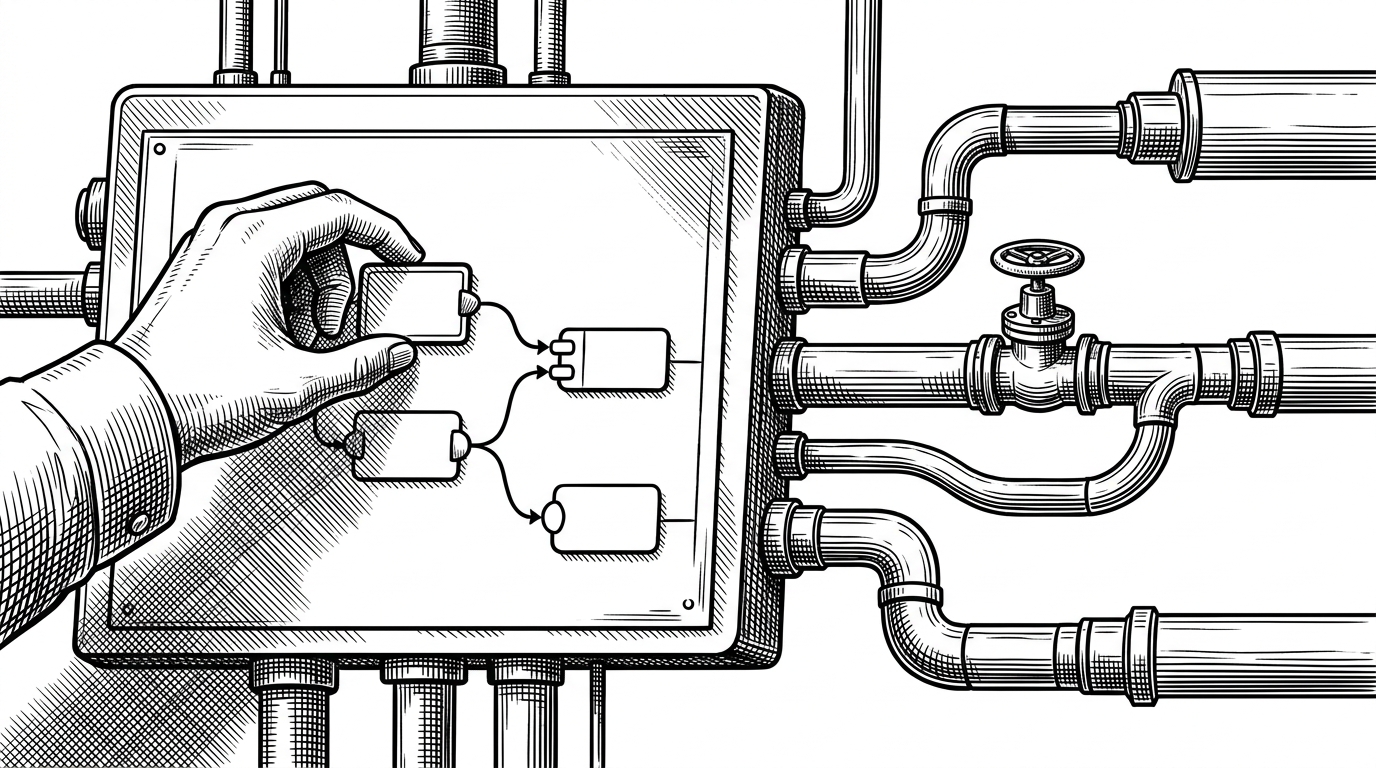
That is why MoneyPrinterTurbo is more interesting than the category label suggests. It is not just asking an LLM to "make a video." It is converting a creative brief into a sequence of editorial and technical decisions that downstream tools can actually obey.
只需输入一个视频主题,就能全自动生成视频文案、视频素材、视频字幕、视频语音,并最终合成为一个高质量的短视频。
MoneyPrinterTurbo’s Real Product Is the Glue
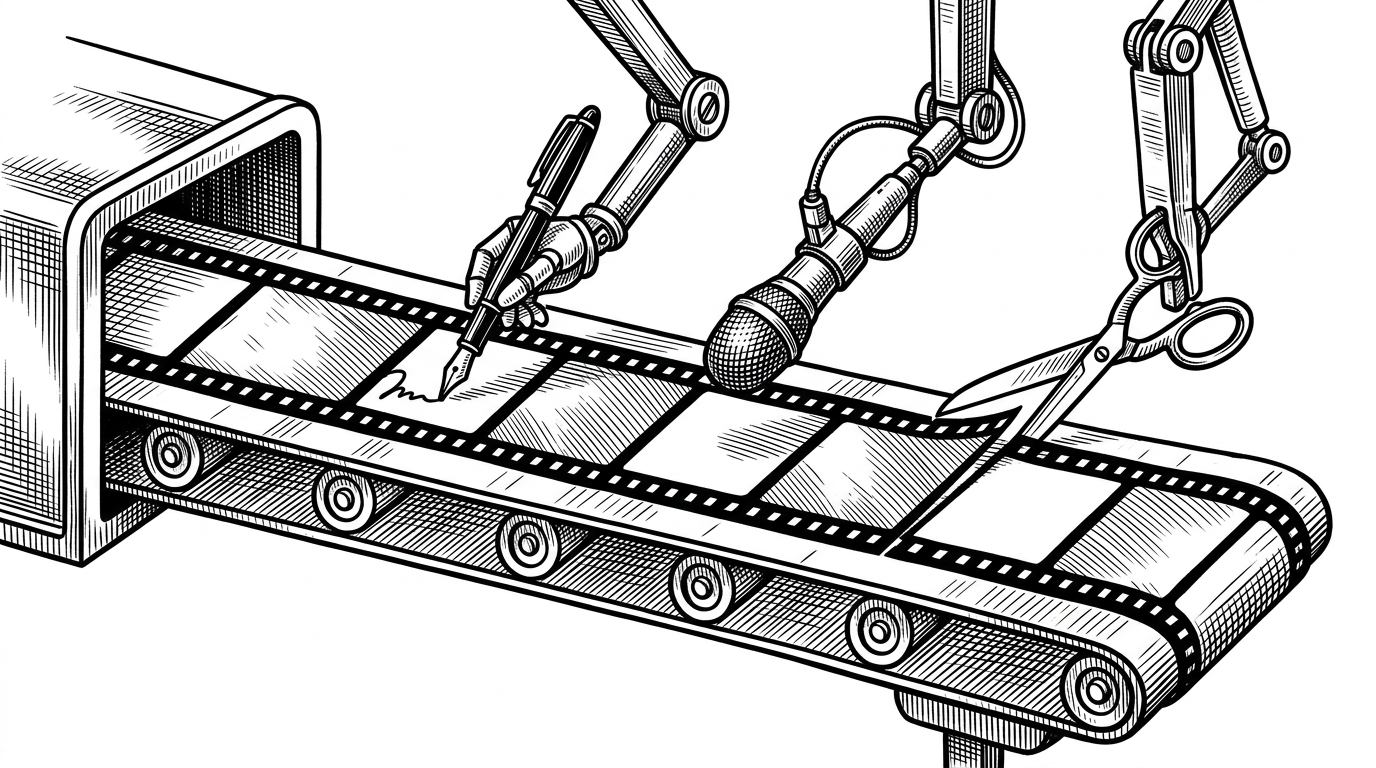
The repo’s defining move is orchestration. It chains script generation, keyword extraction, audio generation, asset lookup, subtitle assembly, and rendering into one path. No single model is the product. The product is the glue between them.
One Task ID, One Video Pipeline
A lot of AI wrappers are easy to launch and hard to trust. MoneyPrinterTurbo is built to be the opposite. The task_id threads through storage, background work, and render artifacts, which gives the system a stable identity from request to export.
task_id = create_task_id()
base_dir = f"storage/tasks/{task_id}"
script = generate_script(topic, task_id=task_id)
terms = generate_terms(script, task_id=task_id)
audio = generate_audio(script, task_id=task_id)
video = render_video(base_dir, script, terms, audio, task_id=task_id)
That structure matters because it makes the pipeline resumable. If asset retrieval fails, or TTS needs a fallback, the system can keep its place. This is the difference between a demo and an operational tool.
Why Multi-LLM Support Changes the Business Model
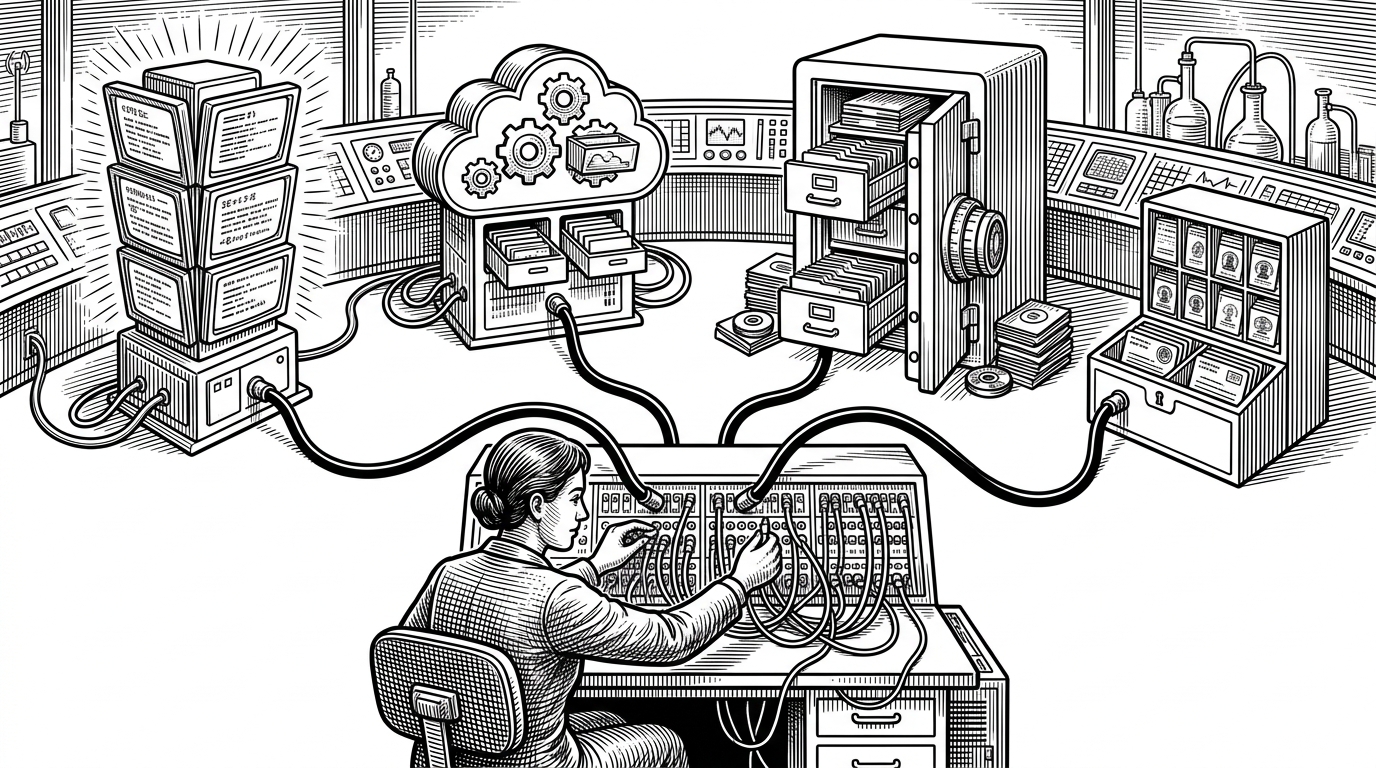
MoneyPrinterTurbo’s multi-model setup is not just a feature checklist. It is an economic strategy. Through litellm and custom wrappers, the project can route work across OpenAI, DeepSeek, Moonshot, Gemini, or local Ollama deployments.
| Dimension | MoneyPrinterTurbo | Commercial SaaS video tools |
|---|---|---|
| Cost | Own API keys and infrastructure | Subscription or per-video pricing |
| Hosting | Self-hosted or locally run | Cloud-hosted |
| Model choice | Swappable across providers | Mostly fixed to the platform |
| Privacy | Data can stay under your control | Data usually leaves your environment |
| Customization | Code-level modification is possible | Limited to product features |
| Failure mode | Can fall back to another provider | You wait for the vendor to fix it |
The practical upside is cost and latency arbitrage. The strategic upside is resilience. If one provider gets expensive or flaky, the pipeline does not have to stop.
The Asset Trick Nobody Sees
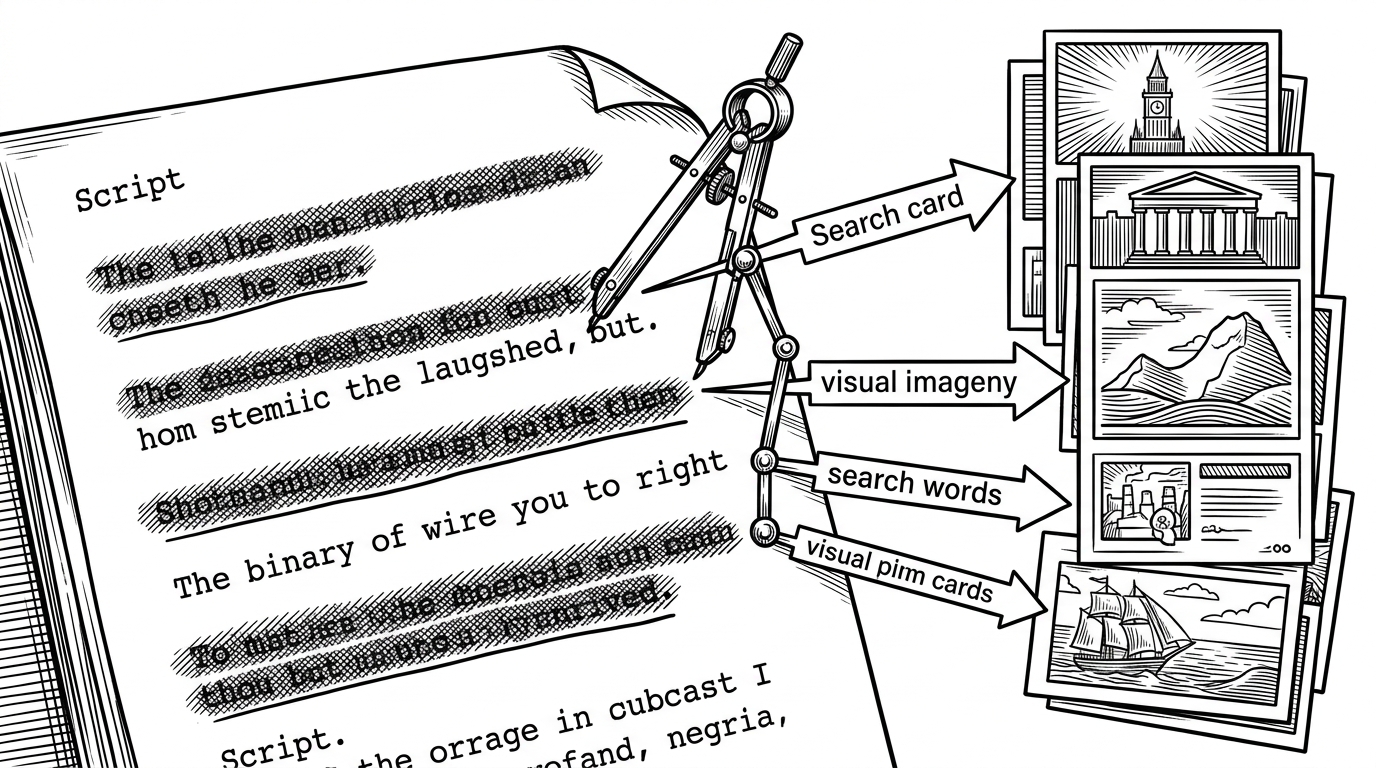
This is the repo’s sharpest move. It does not stop at narration. It extracts terms from the script and uses them as search intent for Pexels or Pixabay. That turns prose into shot selection.
The result is a very specific kind of automation. Not just content generation, but editorial direction. The model is effectively doing a first pass at visual planning.
MoviePy Is the Last Mile, Not the Magic
The rendering layer is where the project stops sounding magical and starts sounding serious. MoviePy, FFmpeg compatibility choices, audio bitrate settings, codec selection, and subtitle handling are all the boring details that decide whether a video exports cleanly.
clip = SubClippedVideoClip(source_path, start=0, end=12)
clip = clip.set_audio(audio_clip)
clip.write_videofile(
    output_path,
    codec="libx264",
    audio_codec="aac",
    audio_bitrate="192k",
    fps=30,
)
That last mile is the whole game. A system can generate brilliant intermediate artifacts and still fail if the final encode is brittle. MoneyPrinterTurbo pays attention to the export layer, which is one reason it feels more like infrastructure than a toy.
Built Like a SaaS, Used Like a Tool
The structure is platform-shaped. FastAPI handles the backend, Streamlit gives non-technical users a UI, task managers separate request handling from rendering, and container-aware config makes the project easier to run in different environments.
| Layer | What it does | Why it matters |
|---|---|---|
| FastAPI backend | Accepts requests and manages tasks | Gives the app a real service boundary |
| Streamlit UI | Lets users launch jobs without touching code | Reduces friction for creators |
| Task manager | Tracks background work | Enables resumability and scale |
| Config layer | Adjusts for local or container execution | Makes deployment less fragile |
| Video service | Handles compositing and export | Turns AI output into an actual file |
That is why the repo feels larger than a script. It has moved into the category of software that can be extended, deployed, and embedded.
Open Source Content Automation Has a Sharp Edge
MoneyPrinterTurbo sits in the middle of a larger argument about automation. On one side, it lowers the cost of producing short-form video. On the other, it makes industrial content generation easier, cheaper, and more scalable.
全流程自动化:从文案到视频,无需人工干预。
That tension is the point. The same architecture that gives creators control also makes high-volume media automation trivial. The repo is best understood as a tool, not a moral position.
Compared with commercial SaaS tools, it is less polished but far more controllable. Compared with simpler forks, it is more reliable, more modular, and more willing to treat video generation as an engineering problem instead of a prompt trick.