The Headless Content Studio: Unpacking youtube-shorts-pipeline
How a resilient Python script orchestrates Claude, Whisper, and FFmpeg to replace an entire video production team.
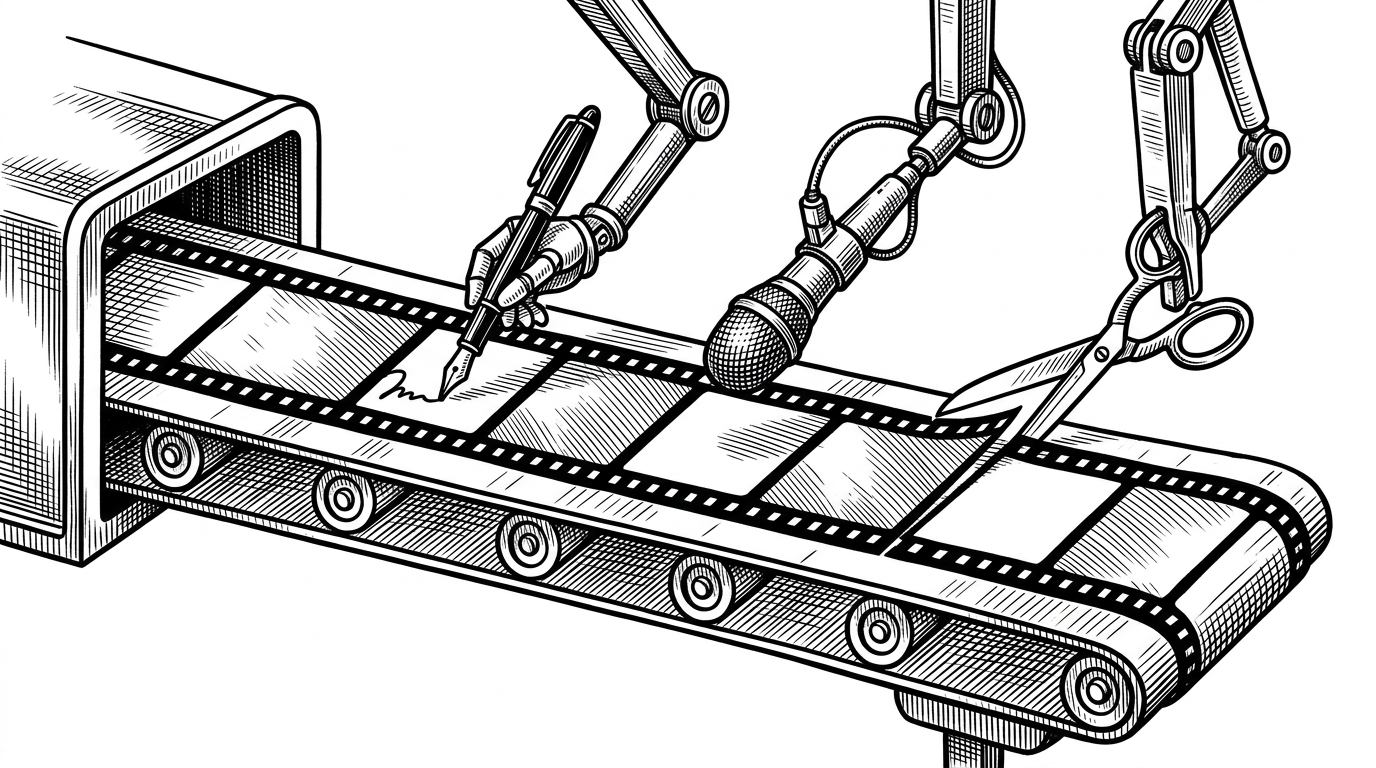

Automated YouTube Shorts pipeline: news → script → AI visuals → voiceover → captions → upload
- The pipeline replaces graphical video editors by compiling programmatic FFmpeg filter strings to handle complex tasks like audio ducking and dynamic zooming.
- A custom DuckDuckGo scraper grounds LLM prompts in raw text snippets to prevent hallucinations without relying on expensive vector databases.
- JSON-based state tracking allows the heavy rendering process to resume after a crash without re-triggering paid API calls.
The 11-Cent Production Team
The commoditization of AI models has altered the economics of media creation. We are entering the era of the headless content studio. A repository called youtube-shorts-pipeline demonstrates this shift by chaining together Google Gemini Flash, Anthropic Claude, ElevenLabs, and OpenAI Whisper. It replaces researchers, scriptwriters, voice actors, and video editors with roughly a hundred lines of Python.
Running this stack locally costs pennies per video. The true innovation is not the AI generation itself, but the orchestration. It stringently guides untrusted outputs through a resilient assembly process.
Say goodbye to video editors. This open-source tool turns a news headline into a published YouTube Short in one command. It's called YouTube Shorts Pipeline and it chains Claude, Gemini Imagen, ElevenLabs, and Whisper together into one pipeline. The cost breakdown is brutal: h
Editing Video with Algorithms
The hardest part of video automation is the edit. Most developers reach for heavy abstractions or commercial APIs to stitch media together. This pipeline bypasses graphical user interfaces entirely by treating FFmpeg as a programming language.
The script calculates speech regions from Whisper timestamps. It uses these coordinates to programmatically duck background audio and generate Advanced Substation Alpha (ASS) subtitle highlights natively. By feeding a complex filter_complex string directly into the FFmpeg binary, the script achieves dynamic zoom effects and precise audio balancing without ever launching a timeline editor.
The Just-In-Time Researcher
To prevent LLM hallucinations, the pipeline employs an anti-hallucination gate before the scriptwriting phase. Instead of deploying an expensive vector database for Retrieval-Augmented Generation, it relies on a custom HTML parser.
The system scrapes DuckDuckGo search snippets and injects them as untrusted raw data into the Claude prompt. The LLM is strictly instructed to use only the provided facts. This creates a highly grounded, lightweight research module perfect for fast-moving news cycles.

Surviving the Render
Rendering video is inherently brittle. Network calls fail, and media processing demands heavy compute. The pipeline is designed as a crash-only system. It implements a JSON-based state tracking mechanism that records the output paths of each completed stage.
If the process crashes during final assembly, restarting the script simply reads the state file. It skips the completed ingestion, drafting, and generation phases, resuming exactly at the drop-off point. This prevents wasting paid API credits on duplicate generation.
Code vs. The Canvas
Commercial AI video generators like InVideo or HeyGen offer polished, drag-and-drop interfaces. They are designed for marketers, not developers. A code-driven approach trades visual comfort for extreme scale and extensibility.
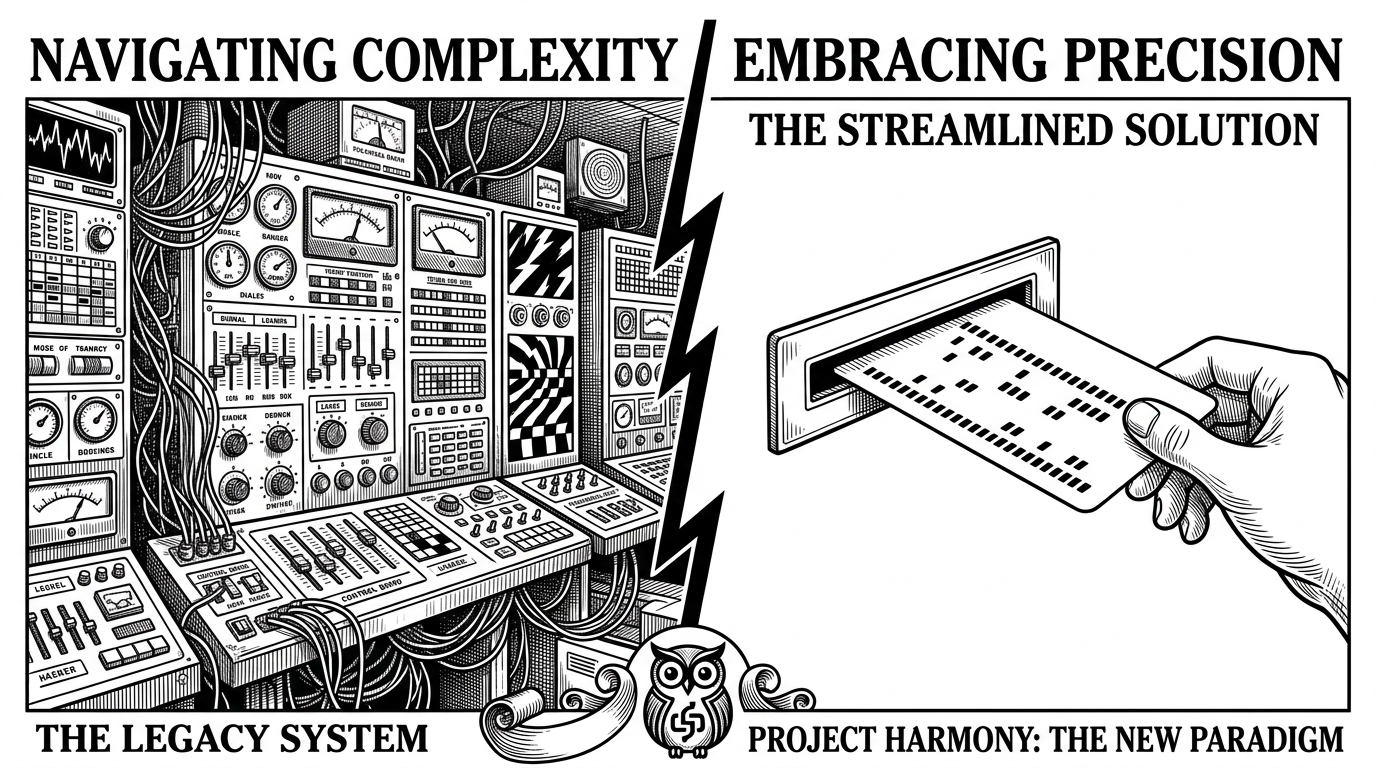
| Feature | youtube-shorts-pipeline | SaaS Video Generators |
|---|---|---|
| Interface | CLI / Code-driven | Web GUI / Drag-and-drop |
| Cost Structure | Wholesale API costs (~$0.11/video) | Monthly retail subscriptions ($20-$50/mo) |
| Data Grounding | Real-time DDG scraping | Opaque internal LLM knowledge |
| Extensibility | Forkable and swappable models | Vendor lock-in |
By owning the pipeline, developers can swap out components as models improve. If a cheaper TTS engine emerges, the code adapts. The headless studio is not just a tool, it is an architectural pattern for the automated web.