Devise: The Rails Authentication Stack That Made Login Feel Native
A deep look at how Devise wraps Warden, injects modules into models, and bakes hard-earned security defaults into the Rails way of doing things.


A little more than a decade ago, I worked with my colleagues at my previous company, Plataformatec, to create a flexible authentication solution for Rails called Devise. As time passed, Devise became the de-facto authentication solution for Rails and one of the most used Rails packages.
- Devise won by making authentication feel like a framework feature instead of a pile of app code.
- Its real trick is orchestration: routes, mappings, model modules, and Warden strategies all cooperate behind one familiar Rails surface.
- Security is part of the product, not an add-on, which is why paranoid mode and serialization safeguards matter so much.
- The tradeoff is abstraction, because the same convenience that speeds teams up also hides behavior that advanced users eventually need to learn.
The login system Rails developers never had to think about
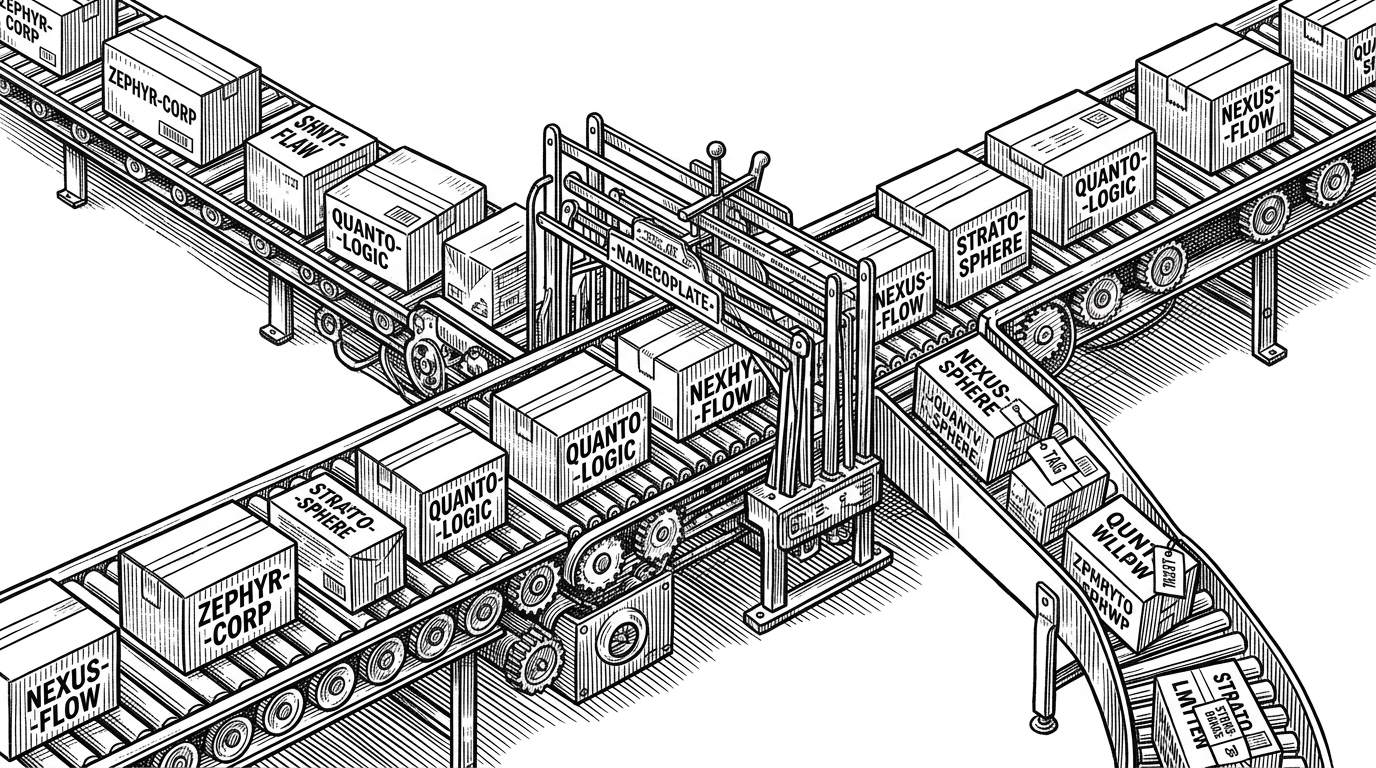
Devise is easy to mistake for a login gem. It is really a Rails-native coordination layer that makes authentication feel ordinary. A request comes in, Devise figures out the scope, hands off to Warden, and routes the result through models, controllers, and views that already feel like Rails.
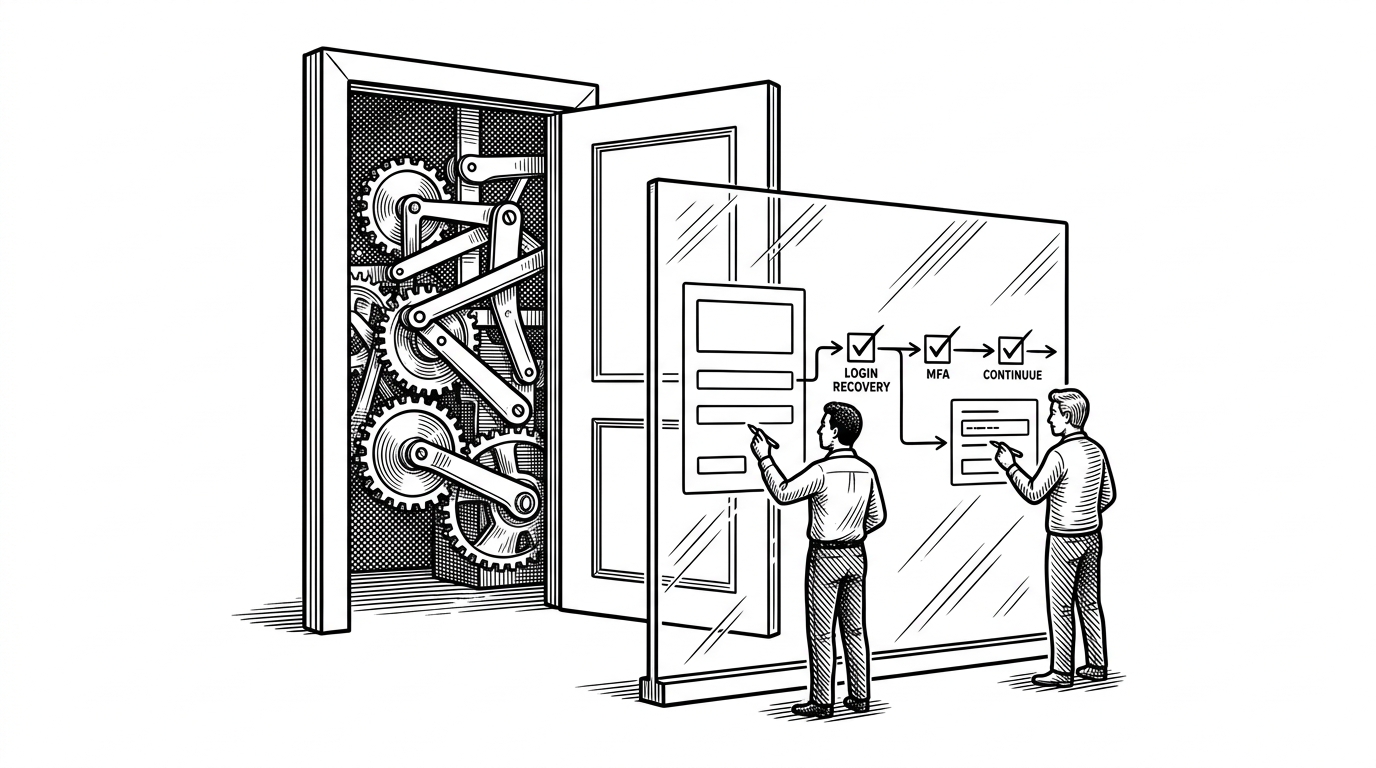
That matters because auth is one of those areas where teams want less invention and more confidence. Devise gives them a standard path without forcing them to give up control of the important parts.
Why Devise became the default
Devise fit the Rails ecosystem because it shipped the whole stack. Generators, routes, views, controllers, mailers, and model modules all came wrapped in one engine, so teams could get to a production-ready baseline fast.
The brain of the system: mappings, modules, and strategies
The key abstraction is the mapping. A path like /users/sign_in is not just a route. Devise resolves it into a scope, chooses the matching controller set, and hands the request to the right Warden strategy. That is how one engine can serve users, admins, or any other authenticated class without collapsing into special cases.
| Layer | What Devise does | Why it matters |
|---|---|---|
| Mapping | Translates a URL into scope and controller context | Lets one app handle multiple auth domains cleanly |
| Modules | Injects behavior like confirmable or recoverable into models | Keeps auth features composable instead of monolithic |
| Strategies | Lets Warden perform the actual login handshake | Separates Rails-specific UX from low-level session handling |
| Engine | Packages routes, generators, views, and defaults | Makes the system feel native to Rails teams |
Under the hood, Devise leans hard on Ruby metaprogramming. The devise call inside a model dynamically mixes in the modules you ask for, then checks that the database actually has the fields those modules need. That is a small detail with a big payoff: the framework fails early instead of letting missing columns turn into runtime surprises.
How Devise keeps security defaults on by default
The best security software is often invisible. Devise’s paranoid mode is a good example: when a record is missing, it still burns time on a dummy password hash so the response looks the same to an attacker. The goal is simple. Do not let the login form reveal whether a user exists.
As a SWE and infosec guy, please don't just roll this stuff yourself. Maybe Devise is more complicated than it needs to be, but a lot of this stuff is far more subtle than people realize and trivially easy to get catastrophically wrong.

class Users::SessionsController < Devise::SessionsController
  def create
    super
  end
end

# In Devise, the interesting work happens lower in the stack:
# mapping -> Warden strategy -> resource lookup -> password verification
# paranoid mode keeps the timing profile consistent when the resource is missing.
Devise also protects against accidental leakage in places developers forget to audit. Its authenticatable layer trims sensitive fields from serialization and inspection, which reduces the odds that a password digest or reset token slips into JSON, logs, or error output.
What Devise trades away for all that convenience
The cost of convenience is abstraction. When something goes wrong, you often override inherited behavior instead of writing your own flow from scratch. That is a good trade if you want convention and speed, but it can feel like magic if you want every branch of the request path laid bare.
| Tradeoff | Devise | Lower-level auth |
|---|---|---|
| Setup speed | Fast because generators and defaults do the heavy lifting | Slower because you assemble routes, controllers, and logic yourself |
| Customization style | Override and extend framework behavior | Write more of the flow directly |
| Mental model | Higher-level and more implicit | Lower-level and more explicit |
| Maintenance burden | Less code in your app, more framework knowledge needed | More code in your app, but fewer hidden branches |
How it compares to lighter or lower-level options
Devise is strongest when a team wants a broad auth stack with a Rails-native feel. Rodauth leans harder into explicit security building blocks. Sorcery stays lighter and logic-first. Rails native auth keeps the surface area small, but asks you to assemble more pieces yourself.
| Option | Best for | Tradeoff |
|---|---|---|
| Devise | Teams that want a full Rails auth stack quickly | More abstraction and more framework behavior to learn |
| Rodauth | High-security apps that want explicit control | More setup and a less Rails-centric feel |
| Sorcery | Apps that want logic without a big framework layer | You build more of the surrounding UI and routing |
| Rails native | Minimalist apps and teams that want few dependencies | You take on more implementation and maintenance work |
The comparison is not about picking a universal winner. It is about choosing where you want complexity to live. Devise moves it into a framework layer so most app teams can stop thinking about authentication unless they really need to.
The bigger lesson: abstraction can be a security product
Devise’s legacy is bigger than popularity. It proved that security tooling can win by disappearing into the framework experience, as long as the defaults are sane and the escape hatches are real. That is why it still feels like the standard answer for Rails auth.
FYI: I'm looking into this again (my apologies for taking so long!), in light of #251, to get responders working correctly with Turbo out of the box hopefully.