AegisSecure: When a Webcam Becomes a Lock, a Vault, and a Decoy
How a Python security script turns face recognition into active defense, encrypting files, swapping in fake data, and giving the owner a remote kill switch.
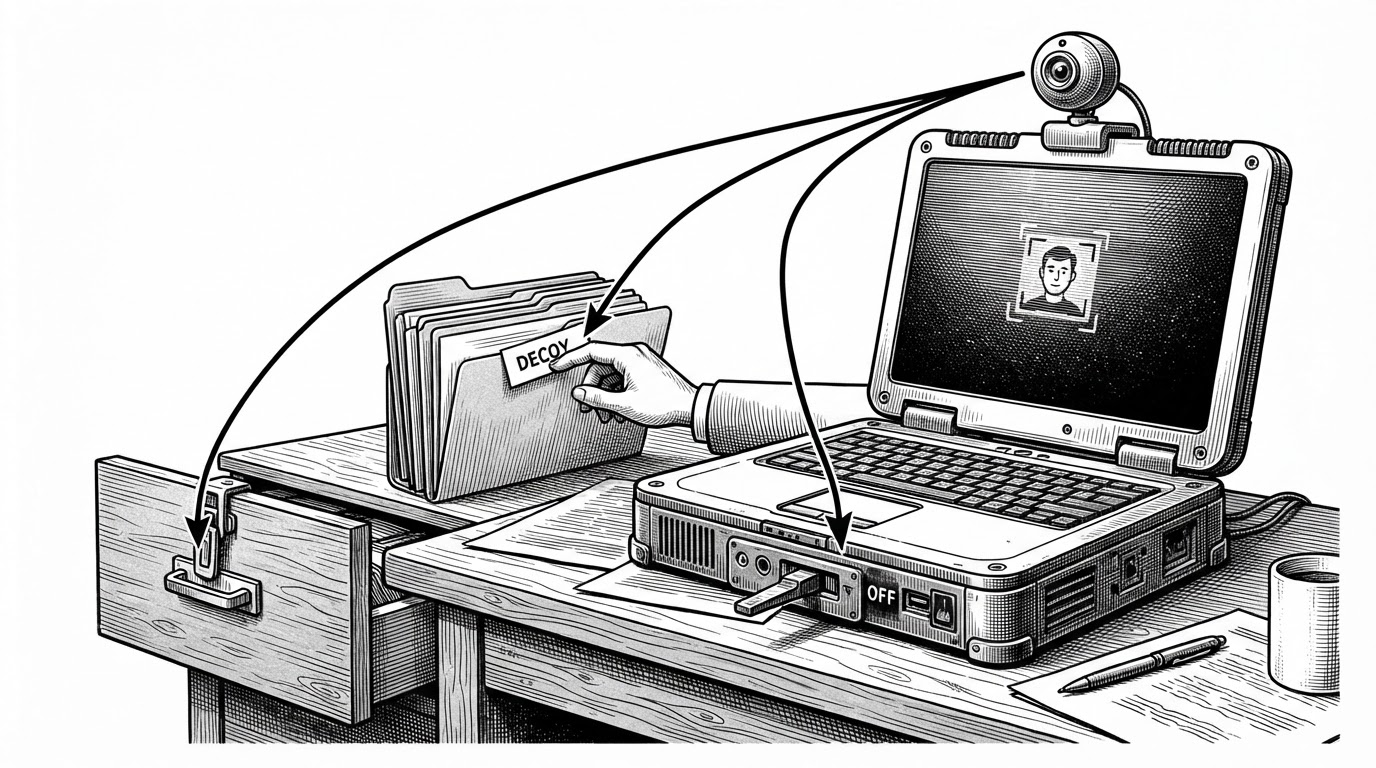
- AegisSecure treats face recognition as a trigger for action, not as a record of observation.
- Its real novelty is the response ladder: verify, encrypt, replace, alert, and optionally shut down.
- The project mixes strong cryptography with script-level control, which makes it powerful and fragile at the same time.
- It is best read as an early prototype for software-defined physical security at a workstation.
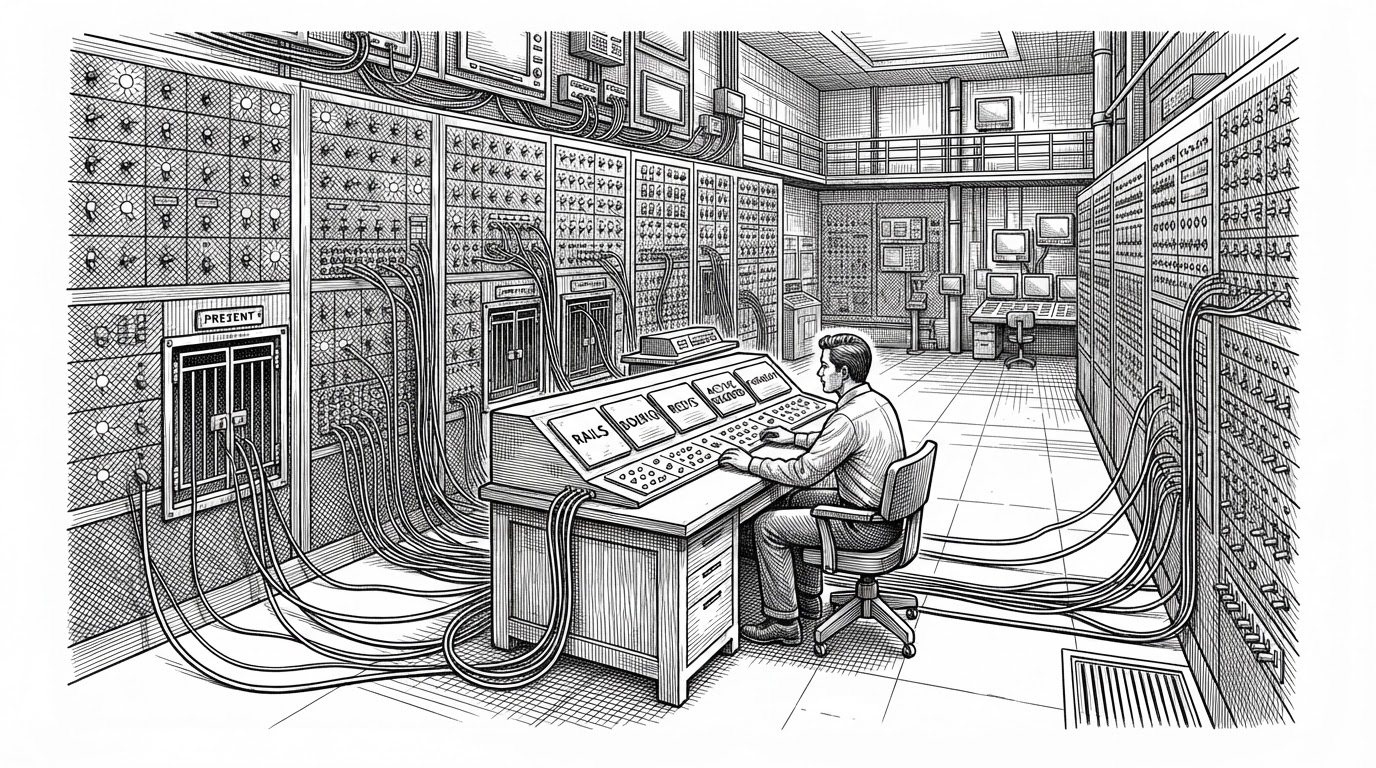
AegisSecure is most interesting when it stops being a camera app and starts acting like a policy engine. A face match can trigger file encryption, decoy deployment, email alerts, and even shutdown. That is a much sharper idea than “AI-powered surveillance.”
The webcam does not just watch. It acts.
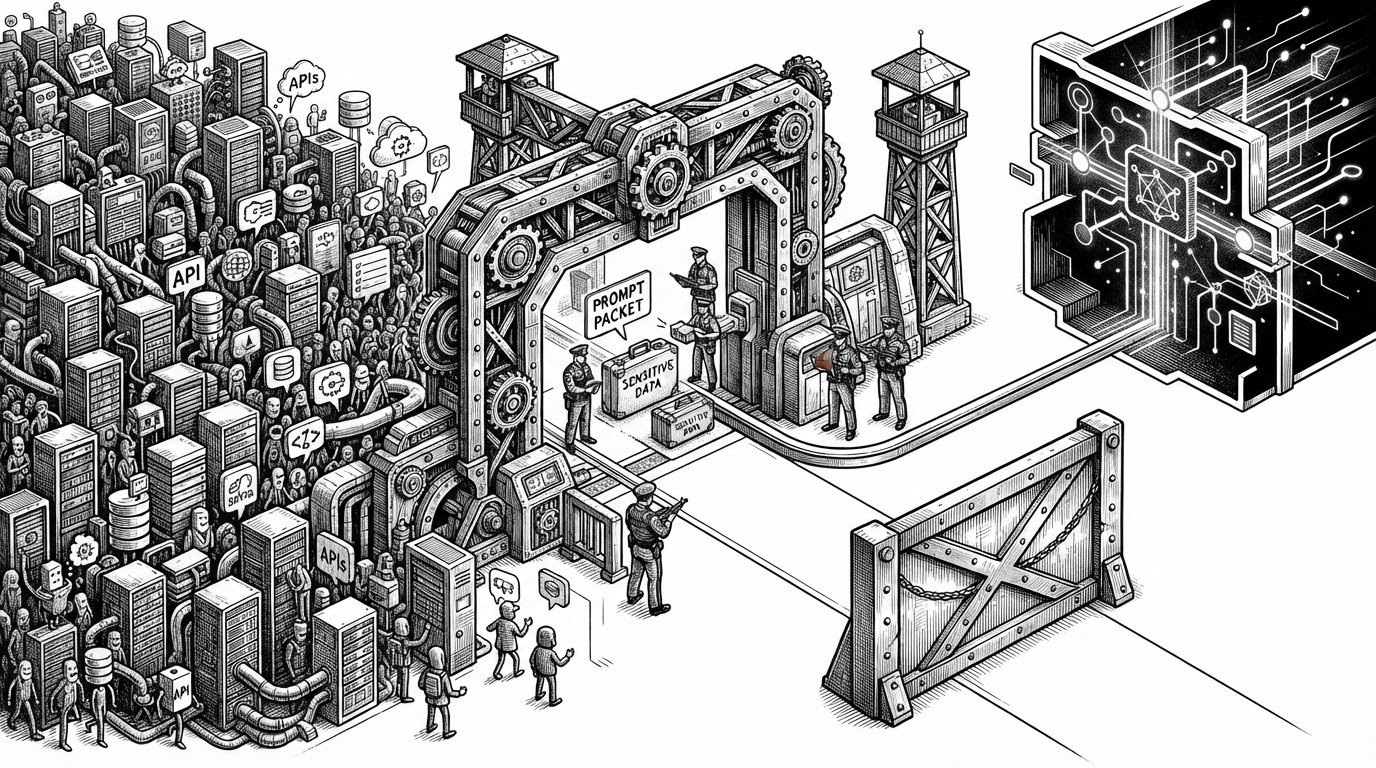
The repo’s core move is simple to describe and unusual in practice: it converts identity recognition into filesystem policy. If the system decides the person in front of the machine is not authorized, it does not merely annotate the event. It can lock down sensitive files, swap in fake ones, and raise the cost of staying put.
That makes the webcam feel less like a sensor and more like a sentry. The project’s public framing drifts a bit between phishing defense and physical workstation protection, but the code tells a clearer story. This is a local security boundary built around the camera, the disk, and the owner’s remote reach.
A face match becomes a policy decision
# Simplified from the repo's recognition path
if auth_frames >= AUTH_FRAMES_REQUIRED:
    authorize_user()
elif unauth_frames >= UNAUTH_FRAMES_REQUIRED:
    secure_real_file()
    deploy_fake_file()
    send_email_alert()
    maybe_shutdown()
The important detail is the temporal filter. AegisSecure does not trust a single frame. It accumulates evidence across frames before it decides whether someone is authorized or not. That reduces glitchy one-frame mistakes, which matters when a false alarm can start encryption or a shutdown path.
Under the hood, the pipeline is conventional in the best sense. Haar cascades handle detection. LBPH handles identity matching. Preprocessing keeps training and inference aligned, which is what makes the recognition loop behave like one system instead of two separate experiments.
The vault is the real story
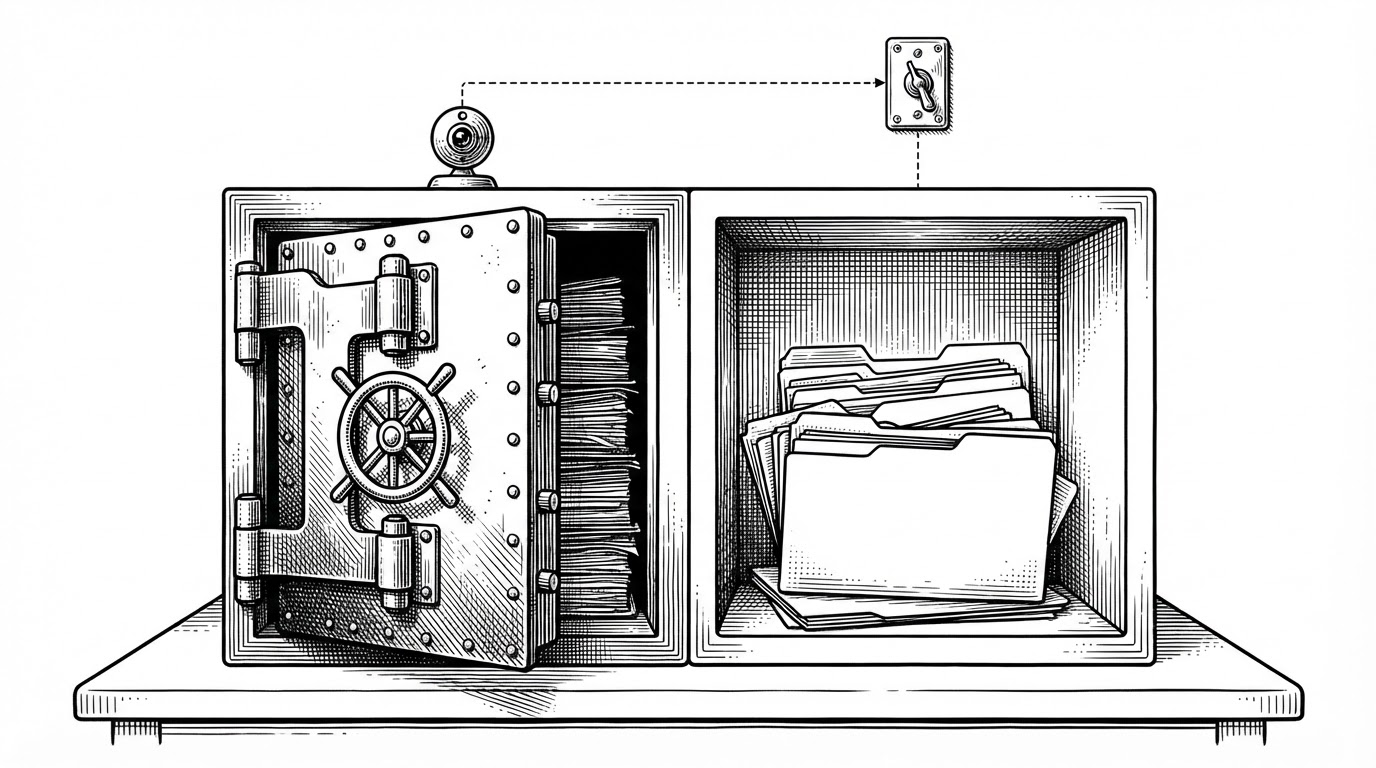
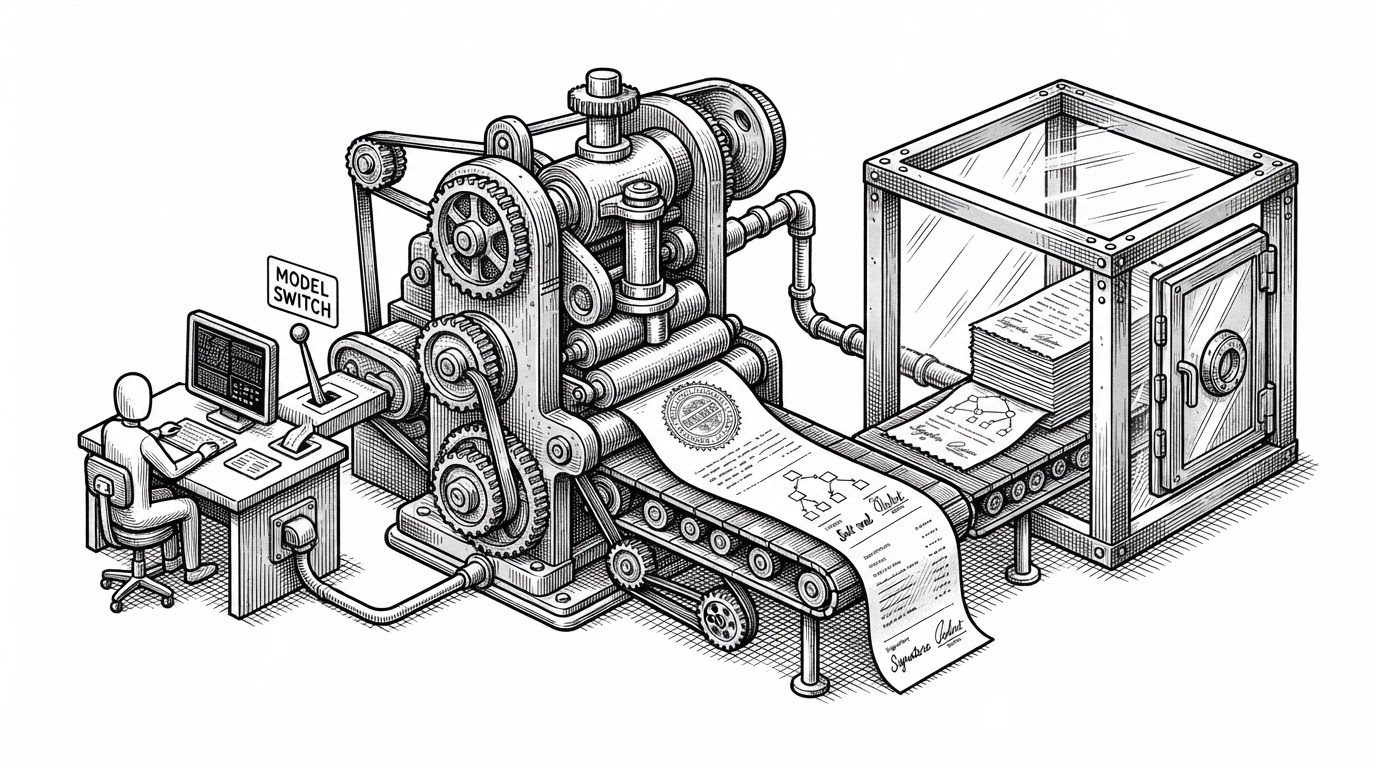
This is the repo’s sharpest idea. On an unauthorized trigger, `secure_real_file()` can encrypt sensitive data with AES-GCM and move it into `ai_guardian_vault/`. At the same time, decoy files can be deployed so the intruder sees something usable while the real asset is locked away.
That is not ordinary alerting. It is active containment. The system is trying to change what an attacker can reach, not just what the owner knows. In security terms, it moves from observation to intervention.
AegisSecure is an cybersecurity application designed to protect users from scam, phishing and Cyber attacks, providing better and smooth user experience.
The owner gets a second channel back in
The recovery path matters because containment without recovery is just a lockout. AegisSecure pairs its local response with a remote control channel built around Flask tokens, email buttons, and IMAP polling. If one channel fails, another can still carry the owner’s intent back to the machine.
That design is practical. A browser link can authorize a response from a phone. A mail thread can act as a fallback command surface. The system is trying to survive the exact condition it was built for: the owner being away from the desk.
Why this is different from normal security software
| Tool type | What it detects | What it does next | What the user still has to do | Where AegisSecure is different |
|---|---|---|---|---|
| Passive surveillance camera | Motion or faces | Logs or records | Review footage later | It can trigger file protection immediately |
| Standard alert tool | Suspicious activity | Sends a notification | Decide the next step | It can automate containment and shutdown |
| Conventional antivirus | Known malware | Quarantines or blocks files | Recover the system after the fact | It uses identity as the trigger, not a signature database |
| AegisSecure | Unauthorized presence at the workstation | Encrypts, decoys, alerts, and can stop the machine | Only chooses the policy and recovery path | It treats the webcam as an enforcement point |
That puts it closer to a control system than a dashboard. The webcam is only the input. The output is a sequence of defensive actions that reshapes the state of the machine.
The trade-off is power, not polish
The code also reads like an early-stage solo project, and that matters. Hardcoded paths show up. OS-level calls sit alongside strong cryptography. The result is effective on paper, but still bound tightly to the environment it was written for.
That tension is the whole story. AegisSecure is not polished enterprise software. It is a prototype for a more aggressive personal security boundary, one where a computer can defend itself when the right face does not appear.