unofficial-claude-code-prompt-playbook: Prompts as Infrastructure: Inside the Unofficial Claude Code Prompt Playbook
How reverse-engineering Anthropic's CLI agent reveals the shift from persona-based prompting to operating system-level instruction architecture.
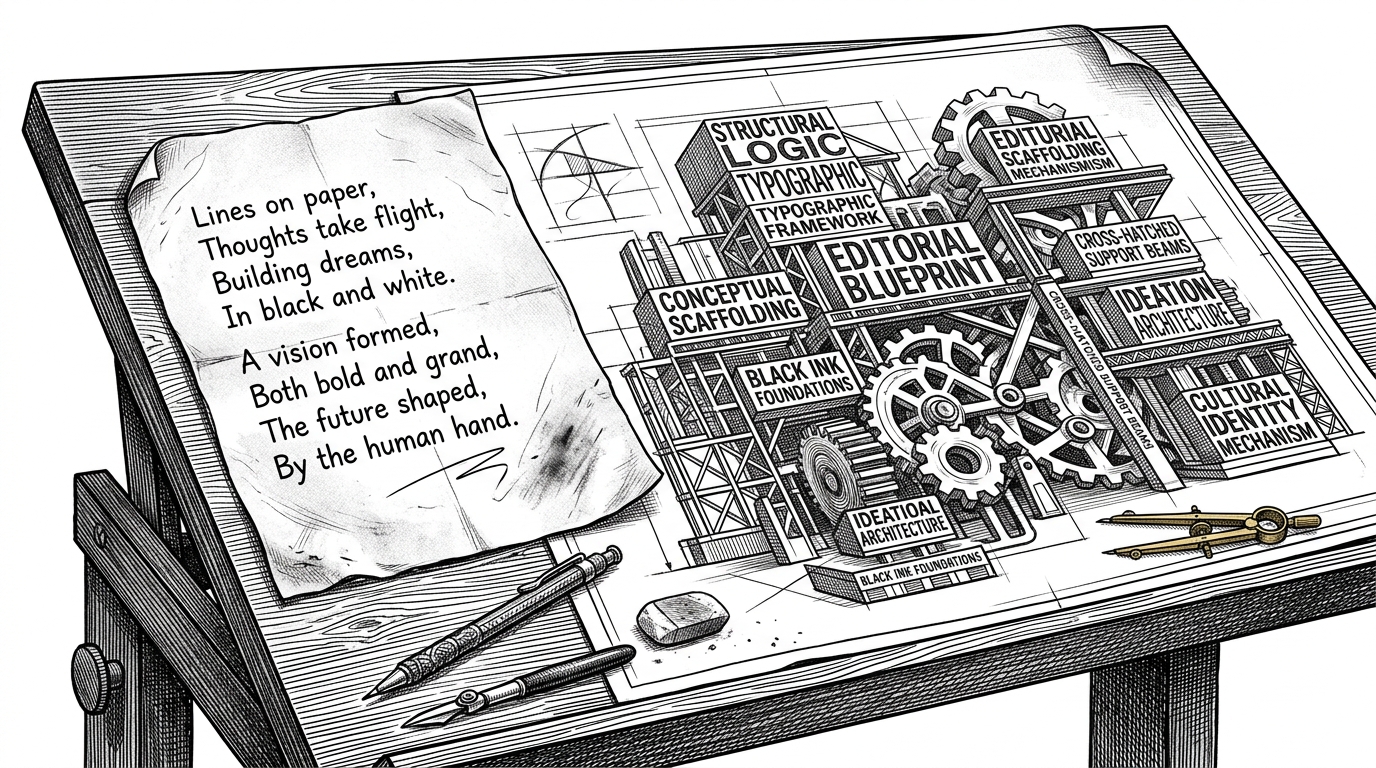
- Production LLM prompts function as operating systems rather than creative writing, utilizing layered policy stacks to manage memory, interrupts, and permissions.
- Separating massive static rules from dynamic runtime context guarantees high prompt cache hit rates, significantly reducing latency and operational costs.
- Defining strict user interface boundaries within the prompt prevents models from hallucinating non-existent UI elements or attempting unauthorized actions.
- Embedding anti-rationalization constraints directly into tool schemas pre-empts the model's instinct to make excuses when a tool fails.
The End of "You Are a Helpful Assistant"
For years, prompt engineering was treated as a dark art of creative writing. Developers coaxed models into compliance by asking them to adopt personas or "think step by step." The Unofficial Claude Code Prompt Playbook shatters this paradigm. By reverse-engineering the internal prompts of Anthropic's Claude Code CLI agent, this repository reveals that elite AI teams treat prompts as software infrastructure. They build highly structured, cache-optimized, fault-tolerant policy stacks that pre-empt AI failures and strictly define trust boundaries. The magic is no longer in the words. The magic is in the architecture.
I used ai to reverse-engineered anthropic’s claude code prompt architecture and turned it into a standalone playbook for building best in class LLM system prompts: layering, variable injection, trust boundaries, tool policy, verifier roles, memory, caching, and real templates.
The Cache-Optimized Policy Stack
Anthropic does not use a single monolithic system prompt. Instead, the playbook exposes a layered instruction architecture designed specifically for prompt caching. The system separates a massive "Static Policy Core" from a "Dynamic Runtime Tail." The static core contains high-level rules that never change, while the dynamic tail injects current state context like local directory data or git status. Because the massive static core remains unchanged across turns, it stays cached. This architectural split drastically reduces latency and token costs on every user interaction.
The Interface Contract
A critical vulnerability in agentic systems is the model hallucinating actions it cannot perform. The playbook highlights how Anthropic solves this by teaching the model the UI. The prompt explicitly defines what the model is allowed to see versus what is internal to the user's environment. By establishing strict trust boundaries and defining the exact semantics of system tags, the prompt creates a rigid interface contract. The model knows exactly where its jurisdiction ends.
Fault Containment and Anti-Rationalization
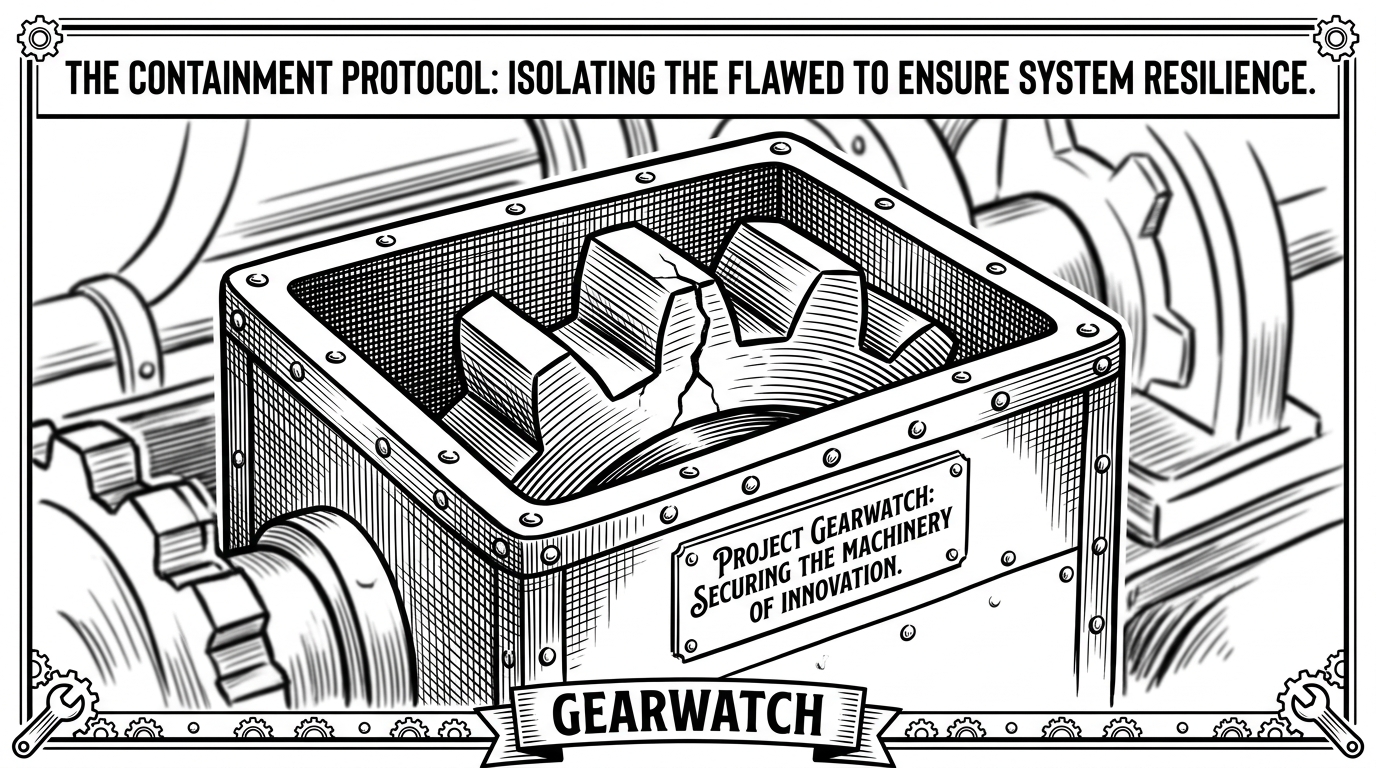
Global safety rules often fail gracefully. To combat this, the playbook details a localized fault containment strategy. Constraints are injected directly into individual tool schemas rather than relying on a single top-level directive. Furthermore, the architecture employs "anti-rationalization" rules. These rules explicitly forbid the LLM from making excuses or explaining why a tool failed. By anticipating the model's instinct to rationalize errors, the prompt forces the agent to immediately attempt an alternative execution path.
Prompt Writer vs. Prompt Architect
The Unofficial Claude Code Prompt Playbook marks a maturation point in AI engineering. It proves that building reliable agents requires leaving behind trial-and-error tweaking in favor of rigorous systems design. The transition from writing prompts to architecting policies is now a requirement for production-grade reliability.
| Legacy Prompting | Prompt Architecture |
|---|---|
| Persona-based ("You are an expert coder") | OS-based (Manages memory and interrupts) |
| Global rules in a monolithic text block | Localized rules injected into tool schemas |
| Trial-and-error optimization | Static/dynamic split for caching optimization |
| Relies on LLM "smartness" to recover | Anti-rationalization rules block excuses |