Engineering the Dialectic: Inside ljg-skill-roundtable
How a Claude Code skill uses pseudo-Lisp and ASCII matrices to force LLMs out of polite consensus and into rigorous philosophical debate.

思考一个「概念」时,如何快速先到达60分的位置? skill: https://t.co/PTdcjYwGat 我通常会用这个skill生成初步的信息文本,用十五分钟阅读理解吸收。 把这个理解当作起点,调用 ljg-roundtable 再看看不同学科视角的取景框。
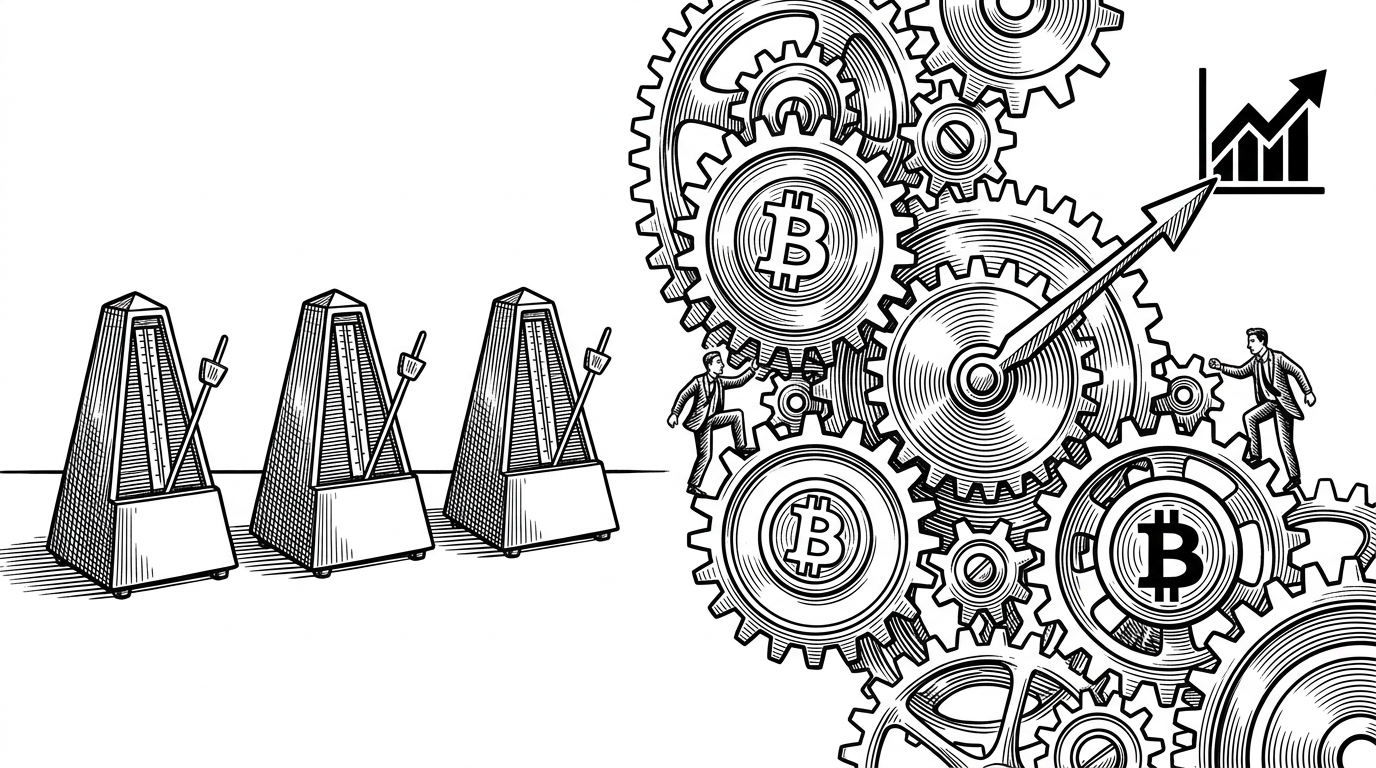
- Modern LLMs are tuned for polite consensus, which undermines their utility for rigorous problem-solving.
- The Roundtable skill overrides this behavior by acting as a pseudo-Lisp compiler for thought inside Claude Code.
- Forcing the AI to represent debate outcomes as ASCII matrices acts as a powerful dimensionality reduction technique.
- Packaging complex prompt architectures as installable CLI skills represents a major shift in developer workflows.
The Consensus Trap
Modern large language models suffer from a fundamental flaw when applied to high-level knowledge work. They are heavily tuned via RLHF to seek harmony, avoid conflict, and synthesize safe answers. When asked to analyze a complex problem, they default to polite agreement.
This 'agreeableness' is a failure mode for rigorous debate. The ljg-skill-roundtable project is a technical antidote to this consensus trap. It is a Claude Code skill explicitly designed to enforce sharp confrontation and dialectical friction.
Pseudo-Code as a Reasoning Anchor
The skill does not rely on standard conversational prompting. Instead, it utilizes a Lisp-like Domain Specific Language embedded within an Org-mode file. By defining components with strict properties, it forces the underlying LLM to maintain a rigid mental state of the debate's logical gaps.
(def-component 'moderator
  :goal 'truth-seeking
  :action 'synthesize-and-challenge
  :state 'last-core-contradiction)
This formal structure acts as a jailbreak against hallucination. It prevents the AI from losing the thread by forcing it through a programmatic flow of analysis before generating a response.
Dimensionality Reduction via ASCII
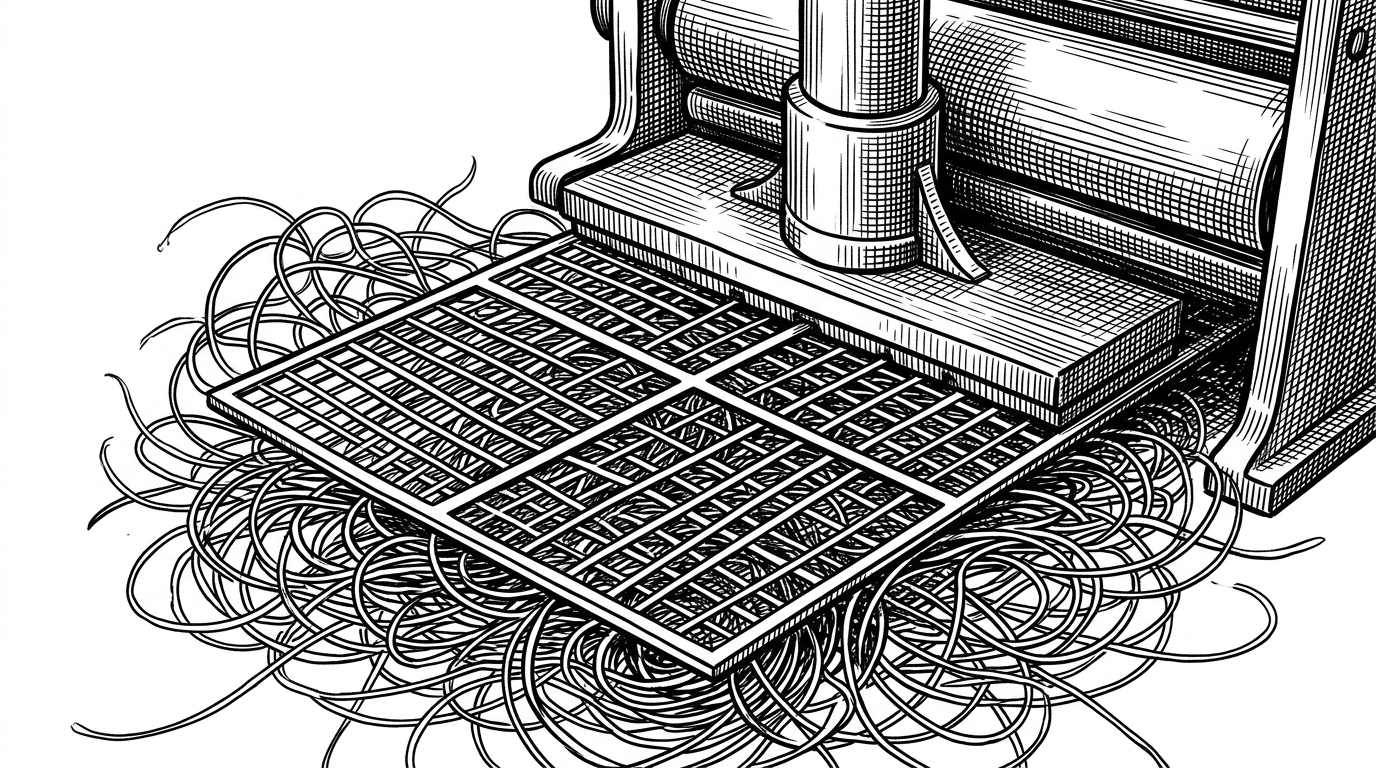
The most brilliant constraint in the project is visual. The skill forces the LLM to generate an ASCII chart to summarize the debate. To draw a 2x2 matrix, the AI must first identify the two most important axes of disagreement. This acts as a forced dimensionality reduction that vastly improves the LLM's synthesis capabilities.
The Age of the Terminal Skill
The competitive landscape of AI orchestration is shifting. While tools like OpenClaw and opendisc use complex multi-script orchestration to achieve consensus, ljg-skill-roundtable uses a single, highly structured DSL prompt to force continuous dialectical friction directly within the Claude CLI.
| Framework | Primary Goal | Architecture | Output Format |
|---|---|---|---|
| ljg-skill-roundtable | Truth via Dialectic | Single LLM Prompt (DSL) | Org-mode & ASCII |
| OpenClaw Roundtable | Consensus & Scoring | Multi-Agent Swarm | JSON |
| opendisc | Answer Refinement | Multi-Model CLI Loop | Markdown |