ljg-skill-xray-paper: The Paper Explainer That Refuses to Be Neutral
A Claude Code Skill that loads `soul.md` and `memory.md`, strips jargon to the bone, and turns academic papers into a personalized x-ray in Org-mode and ASCII.
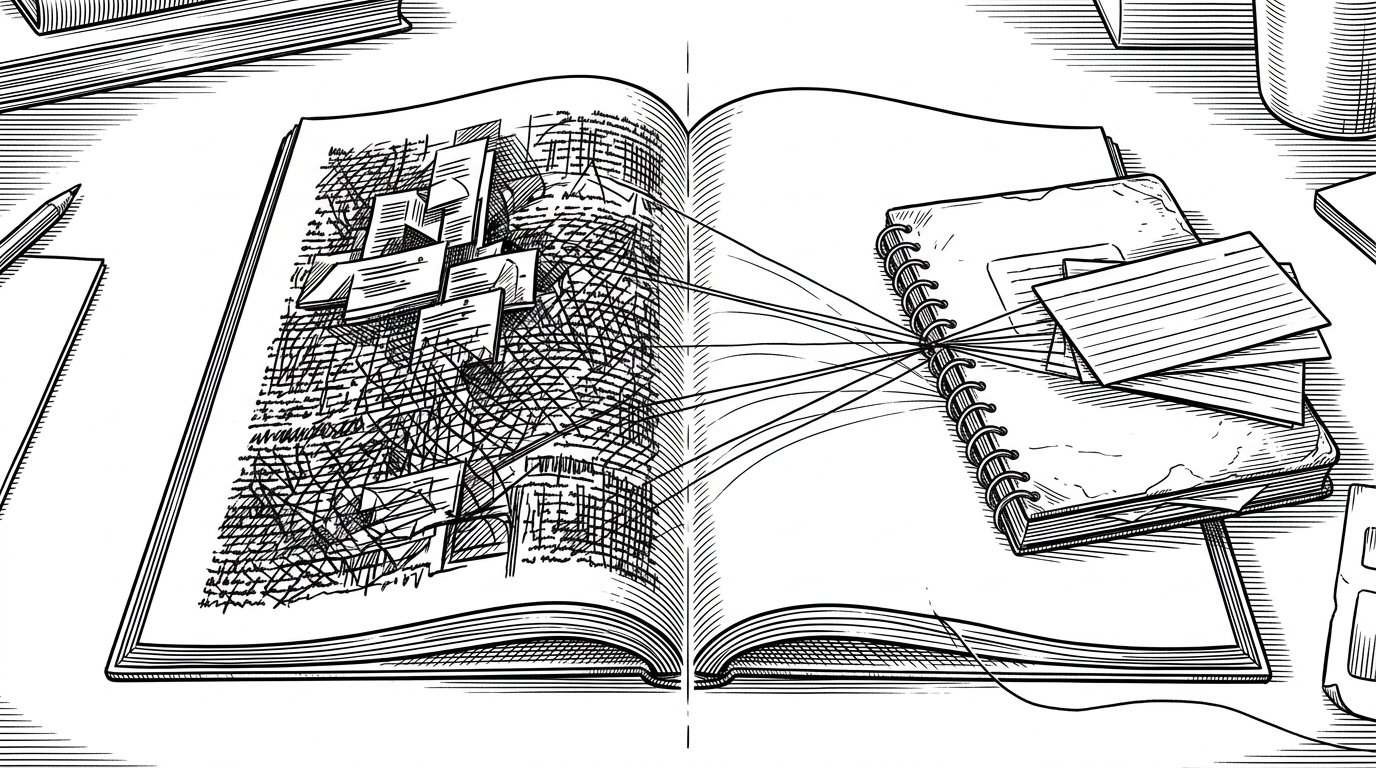

论文 X 光机 — 一个 Claude Code Skill,只做两件事:论文说了什么 + 对我意味着什么。
- ljg-skill-xray-paper treats paper reading as a collision between a paper's claims and a stored worldview, not as a neutral summary task.
- Loading `soul.md` and `memory.md` turns Claude Code into a personalized reasoning engine that shows what changed in the reader's mind.
- The repo's zero-jargon ladder and Org-mode output turn explanation into a disciplined progression from scene to mechanism to terminology.
- Its real edge is not polish, but a terminal-native workflow that keeps analysis portable, inspectable, and opinionated.
Most paper tools answer a familiar question: what does this paper say? `ljg-skill-xray-paper` asks a stranger, better one: what does it say relative to the rest of your brain? The output is not a neutral digest. It is a structured delta between a paper and a remembered worldview.
The strange power of `soul.md` and `memory.md`
The repository's most interesting move is simple. Before analysis begins, the skill reads `soul.md` and `memory.md`. That gives the paper a baseline to bump into. The result is not just what the paper says, but where it updates, contradicts, or sharpens the reader's prior model.

零术语规则:承重概念必须场景化(3 级渐进),去掉技术名字仍能理解
How the x-ray machine works
The pipeline is deliberately plain. Claude Code normalizes arXiv links to HTML, because structured HTML is easier to scrape than raw PDF layout. Then the skill extracts load-bearing concepts, explains them through a zero-jargon ladder, and emits an Org-mode report with ASCII sketches that still make sense in a terminal.
The interactive version matters because the logic is sequential. Hover a stage and the rest should dim. Click the collision node and the reader should see why that claim mattered. The point is to make the join between paper and memory feel like the central event, not a hidden implementation detail.
Zero jargon, but not zero depth
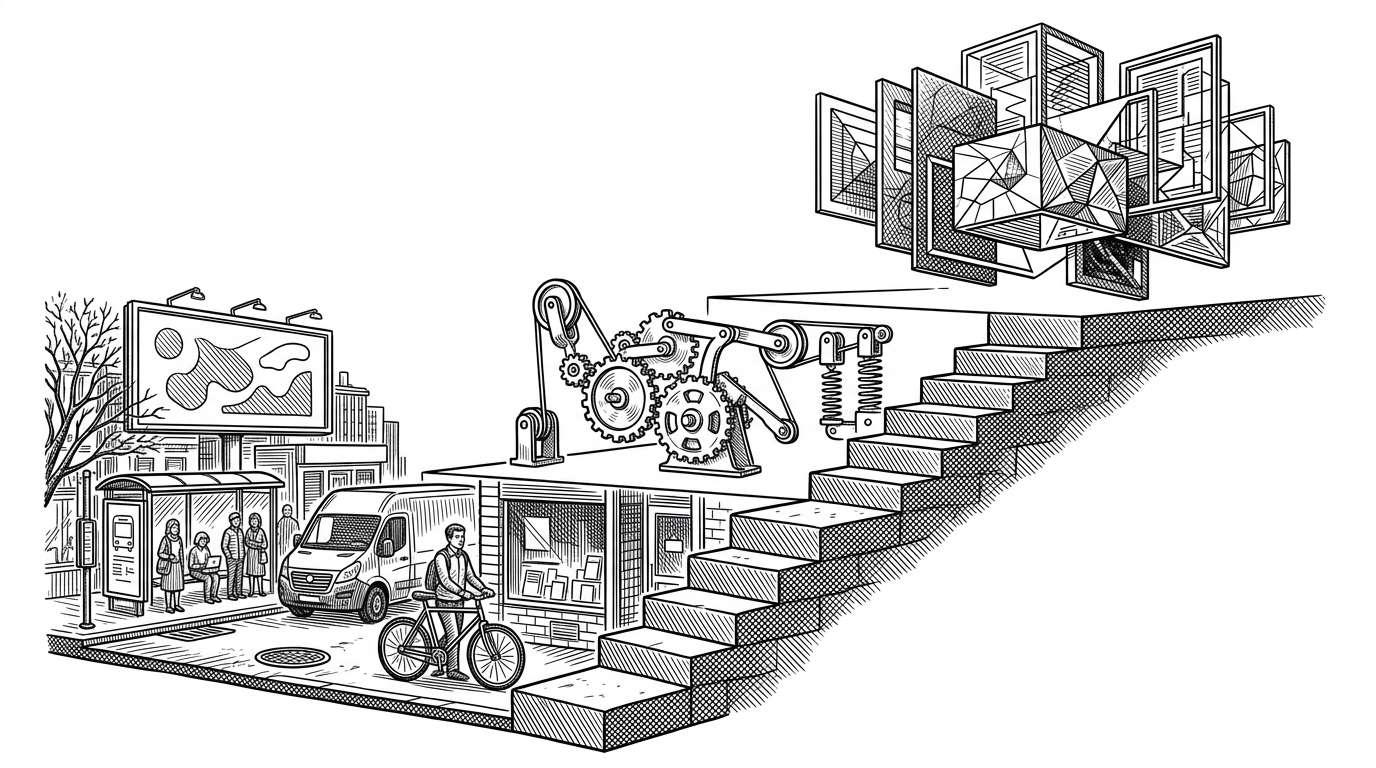
This is the skill's best editorial rule. It does not ban technical terms. It makes them earn their place. A concept should survive a plain-language scene, then a mechanism, then the technical label. That keeps explanation from collapsing into keyword worship.
* What the paper said
** Elevator pitch
** Load-bearing concepts
** Napkin sketch

* What it means to me
** Cognitive collisions
** Updated mental model
一句话压缩:电梯里跟外行朋友说的那句大白话 + 餐巾纸图
What it beats, and what it doesn't
The comparison is less about features than about epistemology. ChatGPT and Claude can summarize a paper. ChatPDF-style tools can extract it. Elicit and Scholarcy can organize research work. This repo is doing something narrower and stranger: it turns reading into a confrontation with context.
| Tool | What it gives you | What it misses | Best use |
|---|---|---|---|
| Generic LLM chat | Flexible answers from pasted text | Context is ad hoc and the output drifts toward summary | Quick questions and loose exploration |
| ChatPDF-style summarizer | Fast extraction from a document | Mostly compresses the paper itself | Skimming a single paper |
| Elicit or Scholarcy | Structured research workflows and literature helpers | Built around their own product flow, not your memory files | Broader literature review work |
| ljg-skill-xray-paper | An Org-mode x-ray against `soul.md` and `memory.md` | Requires a Claude Code workflow and a user who wants friction, not polish | Close reading that updates a worldview |
That is why the repo stands out. It is not trying to win the category of paper summarizers. It is trying to build a better habit. The habit is: read, compare, and then decide what changed in your own model.
Why this matters in Claude Code
This is a clean example of where terminal-native AI tools are headed. The skill is tiny, opinionated, and text-first. It sits beside code instead of replacing your workflow. That makes it useful in a way a glossy app cannot always match: the output stays portable, inspectable, and easy to remix.
For founders and product people, the lesson is sharper. You do not need a bigger interface to make an AI tool valuable. You need a stronger theory of use. `ljg-skill-xray-paper` has one.