Pawdroid/Free-servers: The GitHub Repo That Behaves Like a Proxy CDN
A single-maintainer, multilingual subscription hub turns raw GitHub files into a constantly refreshed distribution network for free proxy nodes, with trust, automation, and monetization all layered into the README.
- Pawdroid/Free-servers uses GitHub like a living distribution layer, not a conventional software repo.
- Its real product is freshness, localization, and trust signals wrapped around Base64 subscription files.
- The repository turns a free-node list into a global interface with language-specific entry points and a resilience story.
- The free layer also appears to feed a broader app and service funnel, which changes how the repo earns attention.
This is not really a codebase. It is a distribution machine. The repository’s value comes from how fast it can surface usable subscription data, how many languages it can speak, and how much trust it can project in a market where dead links are the norm.
That is why Pawdroid/Free-servers feels stranger than a typical open-source project. The README is the interface, the raw file is the payload, and the repo itself sits somewhere between a broadcast channel and a content delivery network.
The `sub` File Is the Product
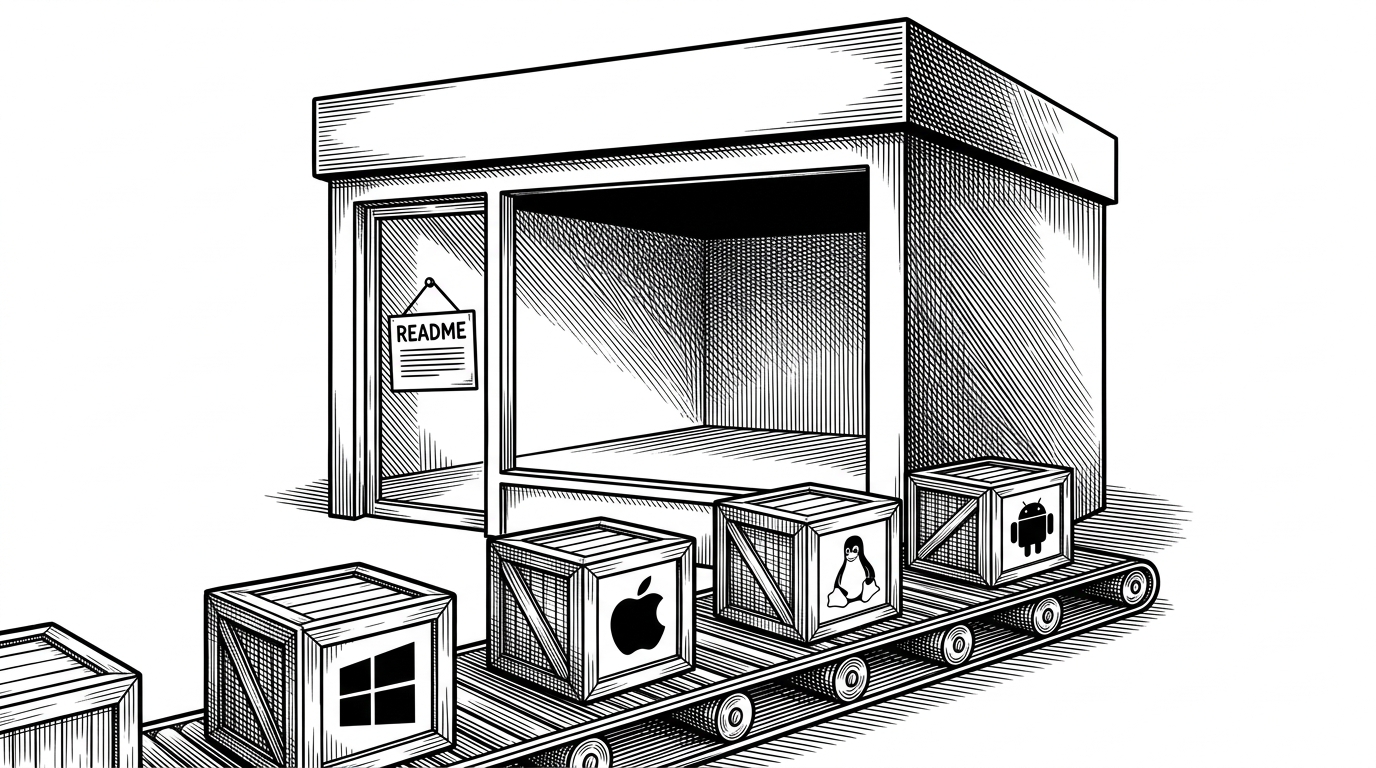
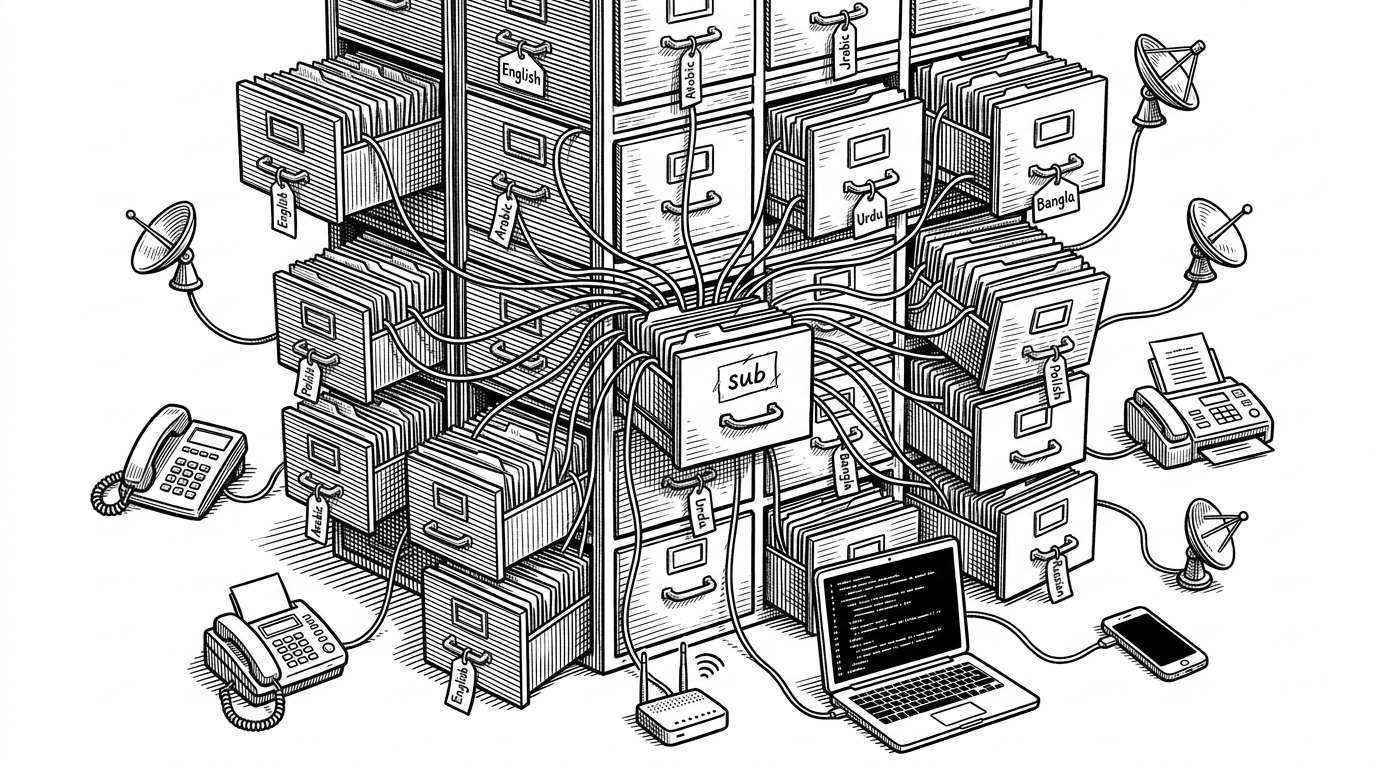
Strip away the branding and the system becomes clear. A client fetches a raw subscription file, decodes it locally, and turns the result into a usable list of proxy nodes. The repository does not need to ship much executable code because the entire trick lives in the shape, freshness, and availability of its data.
# shape of a subscription payload
c3M6Ly9OQUNJLmV4YW1wbGUuY29tOjQ0Mw==

# decoded locally by the client into entries like
ss://...
vmess://...
trojan://...
vless://...
That architecture is elegant and fragile at the same time. Elegant because GitHub’s raw file serving and edge distribution do a lot of the heavy lifting. Fragile because the whole model depends on links staying current, nodes remaining alive, and clients being able to decode the payload without friction.
Localization Turns a Data Dump Into a Global Interface
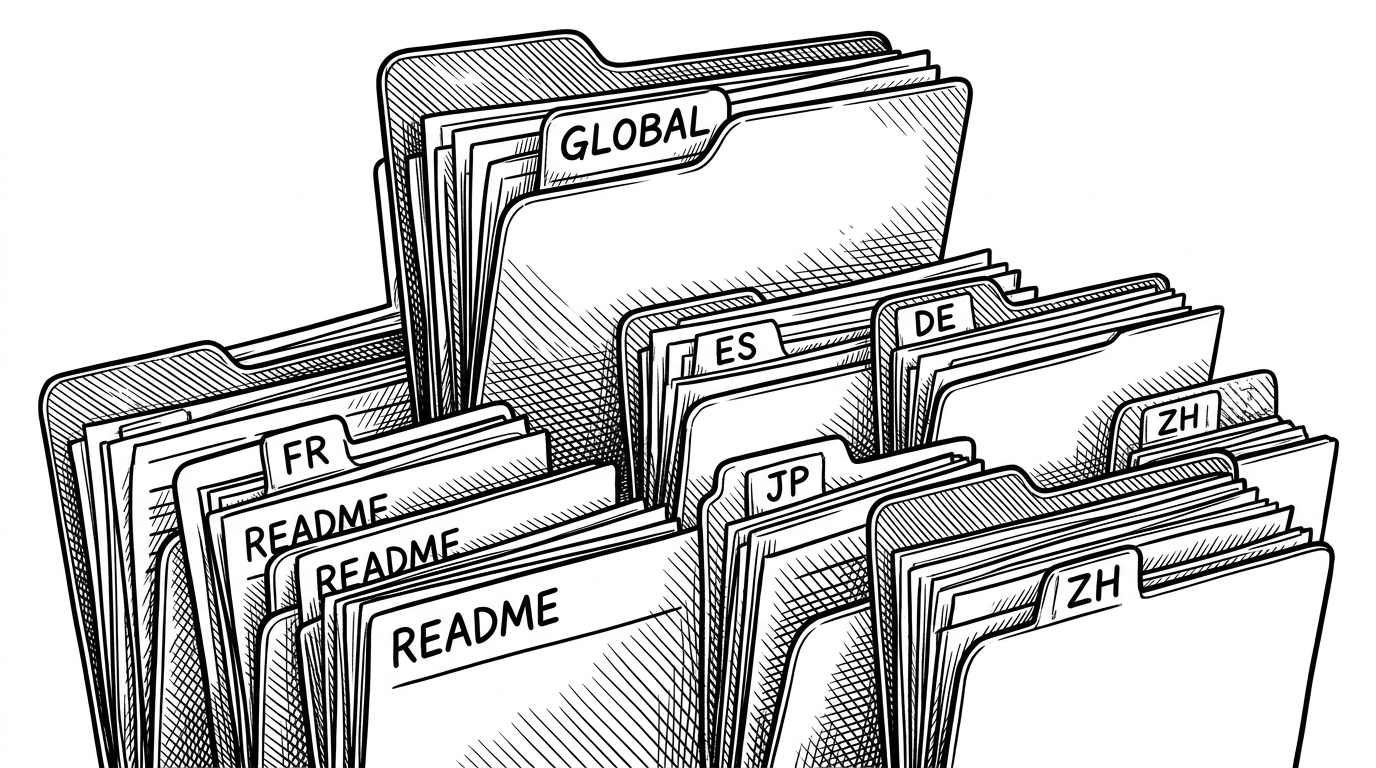
The interesting design choice is not just that the repo has multiple languages. It is that each language path behaves like its own entry point into the same underlying machine. That turns a blunt list of proxy data into a segmented experience for different user groups.
| Model | Update cadence | Trust signal | UX complexity | Reliability | Monetization | What it optimizes for |
|---|---|---|---|---|---|---|
| Typical free-node list repo | Irregular | Little beyond volume | Low | Often poor | None | Convenience with no curation |
| Pawdroid/Free-servers | Frequent, claimed every 6 hours | Manual testing claim, multilingual entry points | Medium | Variable but curated | App and service funnel | Freshness, reach, and low-friction access |
| Paid VPN service | Managed releases | Brand, billing, support | Low for users | Higher | Direct subscription revenue | Stability and support |
| Protocol-specific clients | Depends on the source feed | Client reputation and compatibility | Medium | Depends on configuration quality | Usually indirect | Protocol handling and usability |
This is where the project gets more sophisticated than a plain list. Localization is not decoration. It is a routing layer that helps non-technical users get to the right payload without thinking too hard about protocol details or repo structure.
Trust Is the Real Feature
That line does a lot of work. It signals recency, curation, and a human in the loop, which matters because free proxy ecosystems are often full of dead nodes and stale mirrors. Even if the pipeline is largely automated, the branding says: someone is watching.
For a user scanning a sea of unreliable lists, that claim is the product. The repository is not promising perfection. It is promising enough freshness and enough supervision to make a free node feel worth trying.
The Free Layer Feeds a Bigger Funnel
The README does more than publish nodes. It points readers toward ShadowShare, Pawdoll, and related tools, which suggests that the free list is also an acquisition surface. The public repo earns attention at the edge, then channels some of that attention into a more managed environment.
| Layer | User sees | System role | Business role |
|---|---|---|---|
| Free repository | Subscription files and README links | Distribution surface | Top of funnel |
| Client app | Imported nodes and routing controls | Execution environment | Retention layer |
| Managed service | Polished access and branded tooling | Product wrapper | Monetization layer |
That does not make the free layer fake. It makes it strategic. Free access builds reach, reach builds trust, and trust can be redirected toward software and services that are easier to support than a constantly changing public node list.
Why This Beats the Usual Free-Node Chaos
The closest alternatives are usually worse in one of four ways: they are less fresh, less localized, less compatible, or less credible. Forked repositories can copy the format, but they rarely match the update cadence or the trust story. Telegram dumps can be faster, but they are harder to navigate and easier to abandon.
| Option | Strength | Weakness | Best use |
|---|---|---|---|
| Pawdroid/Free-servers | Freshness plus multilingual routing | Unknown operators, variable stability | Quick access through common clients |
| Forked free-node repos | Easy to clone | Often stale or thinly maintained | Backup discovery |
| Telegram dumps | Fast sharing | Low structure and low durability | Ad hoc distribution |
| Paid VPNs | Predictable service | Cost | Sensitive or mission-critical use |
The real contrast is not free versus paid. It is managed freshness versus unmanaged chaos. This repository wins when users value quick availability and low friction more than long-term reliability.
The Limitations Are the Story Too
The same traits that make the repo useful also define its ceiling. Free nodes can disappear, performance can swing by region, and the operator behind each server is usually unknown. That is the trade-off built into the model, not a side effect.
So the project succeeds by living at the edge of trust. It is part CDN, part directory, part reputation system, and part funnel. The weirdness is the point: one maintainer, many languages, short-lived endpoints, and a README that quietly does the work of an entire product stack.