Linux Is a Compatibility Treaty, Not Just a Kernel
How <a href="https://github.com/torvalds/linux">torvalds/linux</a> uses ABI discipline, semantic tooling, and strict contribution rules to evolve the world’s most important codebase without breaking the world that depends on it.
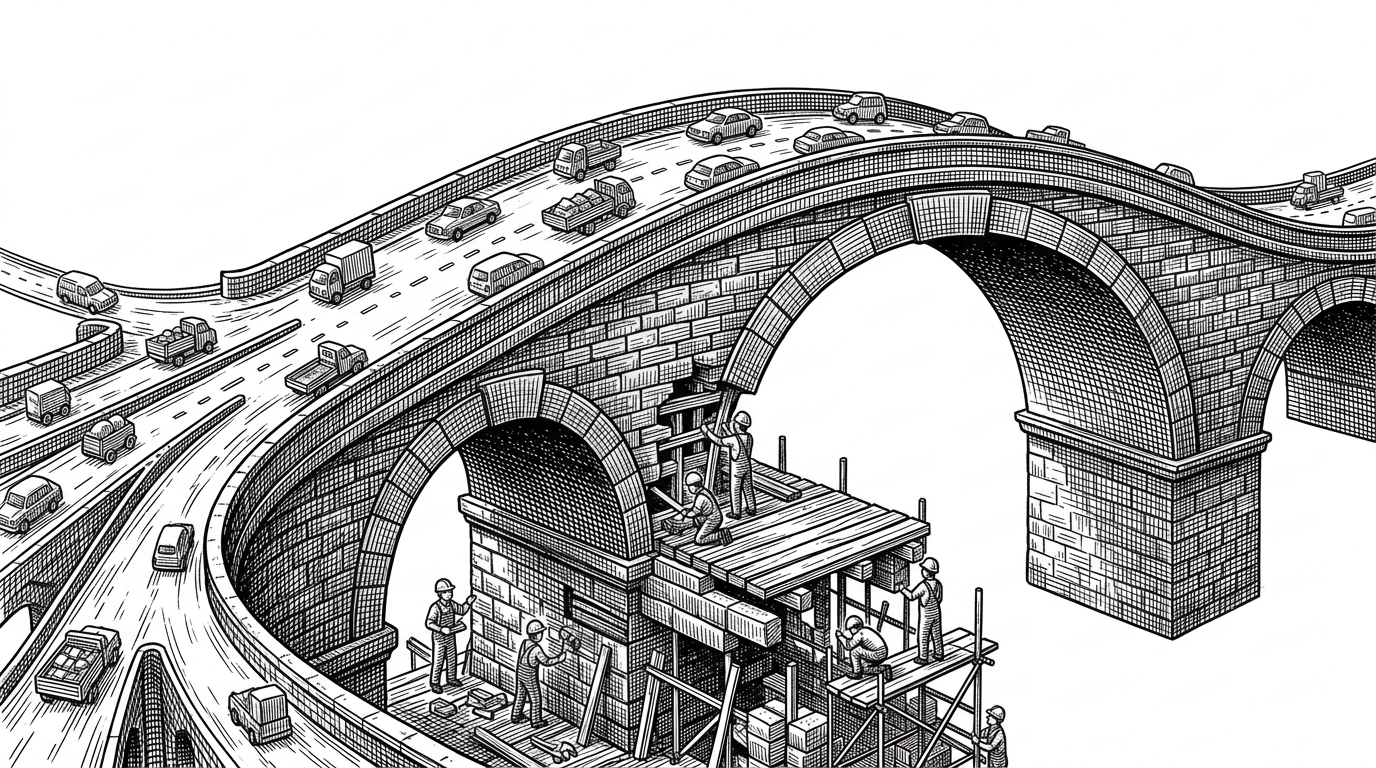
- Linux treats userspace compatibility as a hard contract, which lets the kernel change underneath without forcing the rest of the world to relearn its interfaces.
- Its real scale advantage comes from layered enforcement: ABI documentation, formatting rules, semantic patching, and review gates all keep change predictable.
- The project’s governance is human-first and mailing-list-first, with maintainers filtering work before it reaches Linus as the final integration point.
- Rust and AI policy both fit the same pattern: Linux accepts new tools only when they strengthen trust, provenance, and long-term maintainability.
The Promise That Never Gets Broken
Linux’s most important feature is not a driver, a scheduler, or a filesystem. It is the promise that userspace does not get casually broken. The kernel can evolve internally, but the interface seen by programs, tools, and system services has to remain trustworthy for years.
That is why the repository’s Documentation/ABI/ tree matters so much. It turns compatibility from a vague norm into a documented operating principle, with stable, testing, obsolete, and removed categories that tell contributors exactly where the boundary is.
This is why Linux can absorb constant churn without acting fragile. The kernel is conservative where the ecosystem depends on it, and permissive where internal implementation can improve.
| Dimension | Typical software project | Linux kernel |
|---|---|---|
| External contract | Often treated as negotiable | Protected as infrastructure |
| Internal implementation | May be exposed directly | Can change aggressively |
| Style enforcement | Helpful but optional | Automated and deeply rooted |
| Review model | Team-local | Subsystem maintainers plus Linus |
| Compatibility goal | Best effort | Never break userspace |
How the Kernel Freezes the Right Things
The point is not that Linux refuses change. It is that Linux makes the right things expensive to change. The ABI gets treated like a public treaty, while internal code is free to improve, refactor, and even be rewritten as long as the external behavior stays sound.
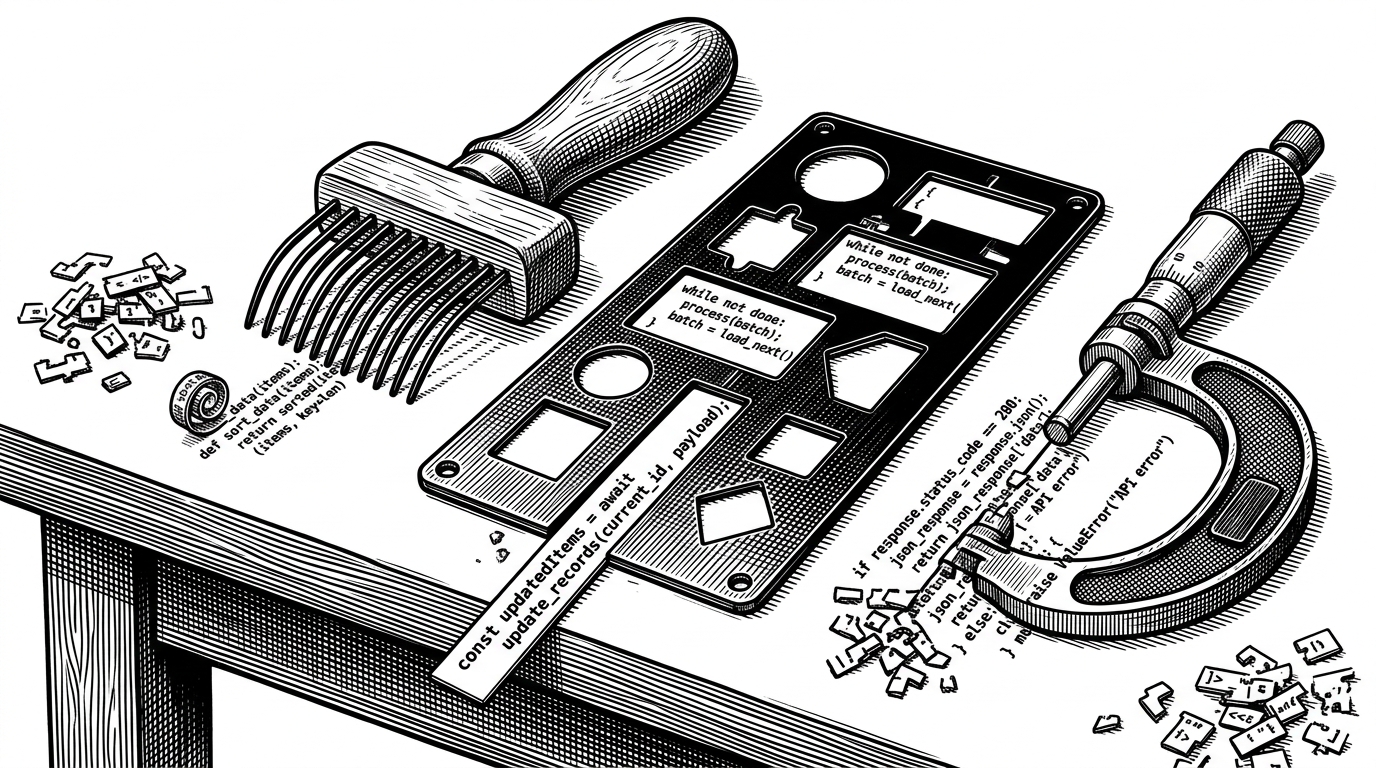
That discipline shows up all over the root of the repository. .clang-format, .editorconfig, and .cocciconfig are not cosmetic files. They are scale mechanisms for a codebase that has to stay legible across thousands of contributors and decades of accumulated decisions.
# Kbuild is the kernel's coordination layer
obj-y += kernel/ mm/ fs/ net/
obj-$(CONFIG_RUST) += rust/

ccflags-y += -Wall -Wextra
subdir-ccflags-y += -I$(srctree)/include

# Semantic patching and style checks sit outside the build graph,
# but they shape what gets accepted into it.
The kernel’s style is not an accident of history. It is actively maintained. The custom iterator macros, the strict tab policy, and the semantic patching workflow all preserve a house style that is unusually compatible with a very old codebase and a very modern contributor base.
Rust Is Not a Rewrite. It Is a Boundary
The addition of .rustfmt.toml and .clippy.toml is a signal. Linux is not replacing C wholesale. It is placing Rust at the edge, where memory safety and clearer invariants can reduce risk without forcing the kernel to become something else.
That boundary matters. The project is adopting a new language in a way that preserves the old contract: review is still serious, the ABI still rules, and new code still has to earn its place inside the institution.
I write very little code these days, and haven't for a long time. And when I do write code, the most common situation is that there's some discussion about some particular problem, and I make changes and send them out as a patch mainly as an explanation of a suggested solution.
That quote is the right lens for Rust in Linux. The project is not chasing novelty for its own sake. It is using a new tool where the old contract can absorb it.
Why AI Gets a Warning Label
The repository’s warning to AI assistants is not hostility. It is a reminder that provenance matters. The kernel’s social contract depends on traceable authorship, explicit licensing, and patches that can survive review without becoming legal or technical debt.
That is a very Linux response to automation. The project is happy to automate formatting, analysis, and bulk transformation. It is far less interested in letting a probabilistic assistant blur responsibility for code that sits in the critical path of global infrastructure.
| Question | Kernel answer |
|---|---|
| Can this tool reduce toil? | Yes, if it improves clarity or catches mistakes. |
| Can it weaken attribution or licensing certainty? | No. |
| Can it write code that lands without human review? | No. |
| Can it help prepare a patch for review? | Yes, if the author still owns it. |
That is why the AI policy, the DCO mindset, and the review culture fit together. Linux does not just want change. It wants accountable change.
A Global Project Run by Human Filters
Linux looks decentralized from the outside, but it is governed by a clear chain of trust. The MAINTAINERS file maps responsibility, .mailmap cleans up contributor identity across years of churn, and mailing lists remain the real arena where patches are discussed and shaped.
Linus Torvalds is not the sole coder in the story. He is the final integration point. As he has said, he writes very little code these days, and his job is mostly to explain solutions and keep the system moving.
I was special only because - and as long as - people trust me to do a good job. And that's exactly how it should be.
That is the governing logic of the project. Authority exists, but it is earned and bounded by trust, not mythology.
What This Repository Really Teaches
Linux is not a lesson in how to move fast. It is a lesson in how to stay usable while everything around you changes. Preserve the external contract. Automate the boring parts. Keep humans in charge where judgment matters.
That is why the kernel has lasted. Not because it is frozen. Because it knows what must stay still, and what must keep moving.