Cognee: The Knowledge Engine Trying to Give AI a Real Memory
How a Python-first project turns messy data into grounded graphs, hybrid retrieval, and a memory loop that can remember, reconcile, and improve.
- Cognee’s core idea is that AI memory should be a system with a lifecycle, not a static vector index.
- Its `remember`, `recall`, and `improve` loop turns retrieval into an ongoing consolidation process.
- Ontology grounding is the sharpest differentiator because it pushes extracted facts toward stable identity and shared meaning.
- The repo reads like a serious platform because the Python engine, Next.js frontend, and multi-database CI are built for heterogeneity, not a demo.
Why AI memory is still mostly a retrieval trick
Most LLM apps call vector search “memory” and stop there. That works until the system has to remember who a thing is, how it relates to something else, or whether a fact should be merged, separated, or updated later.
Cognee starts from a harder claim: memory is not just retrieval. It is structure, identity, and revision. That is a much bigger target than stuffing chunks into a nearest-neighbor index.
| Approach | What it optimizes for | What it misses |
|---|---|---|
| Vector-only RAG | Similarity search | Stable entities and relationships |
| Ad hoc prompt memory | Short-term context | Persistence and reconciliation |
| Cognee | Structured knowledge memory | Less simplicity than a plain search wrapper |

Cognee’s answer: remember, recall, improve
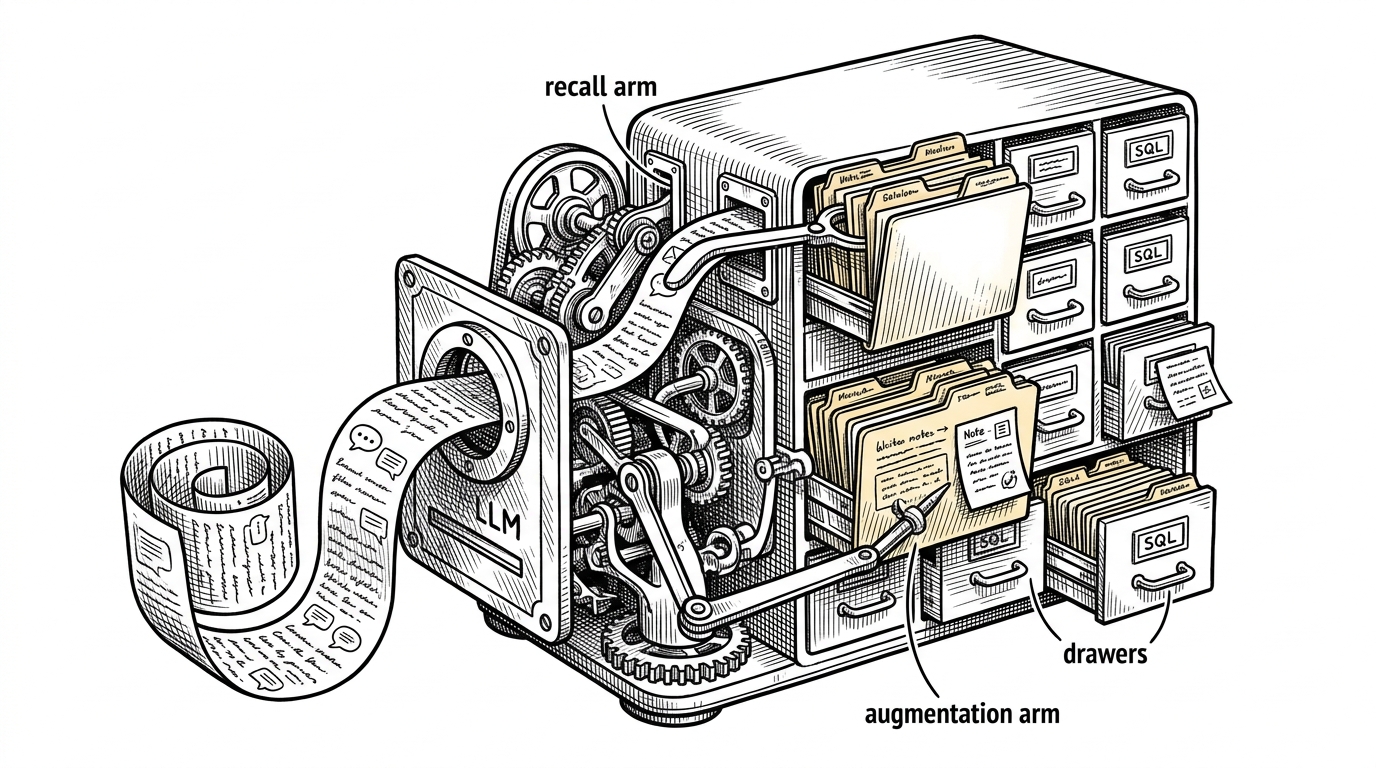
Cognee’s naming is unusually clear. remember ingests and structures data. recall retrieves it through the memory system. improve is the interesting part, because it implies the system can revisit stored knowledge and strengthen it over time.
LLMs don't remember context well—they can’t ingest your data and keep it in memory. This limitation leads to lacking interactions, a lack of accuracy, and the inability to connect your data sources cheaply because developers must include long, unmanaged context in every prompt.
That quote captures the project’s grievance, but the more important point is the remedy. Cognee is trying to make memory something you can build, not something you fake with prompt stuffing.
Cognify is the real engine
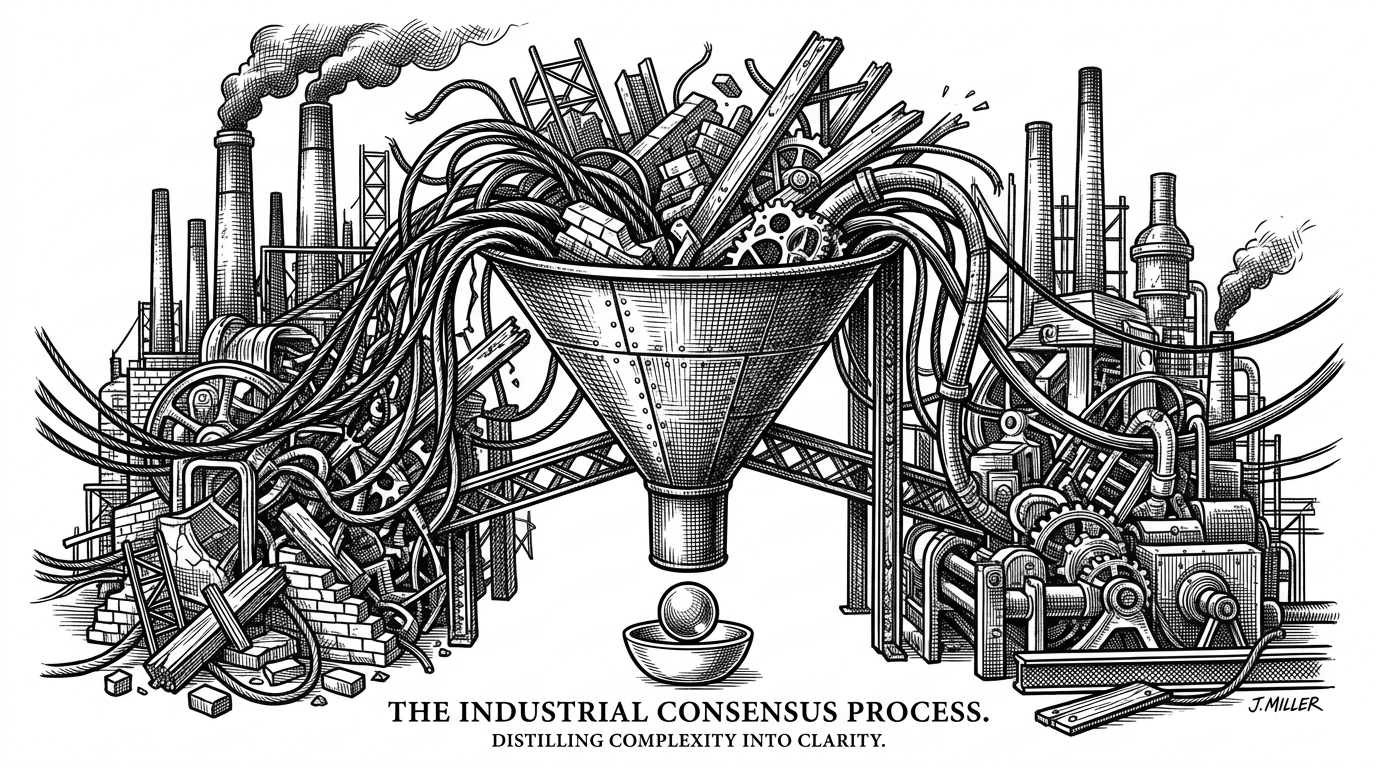
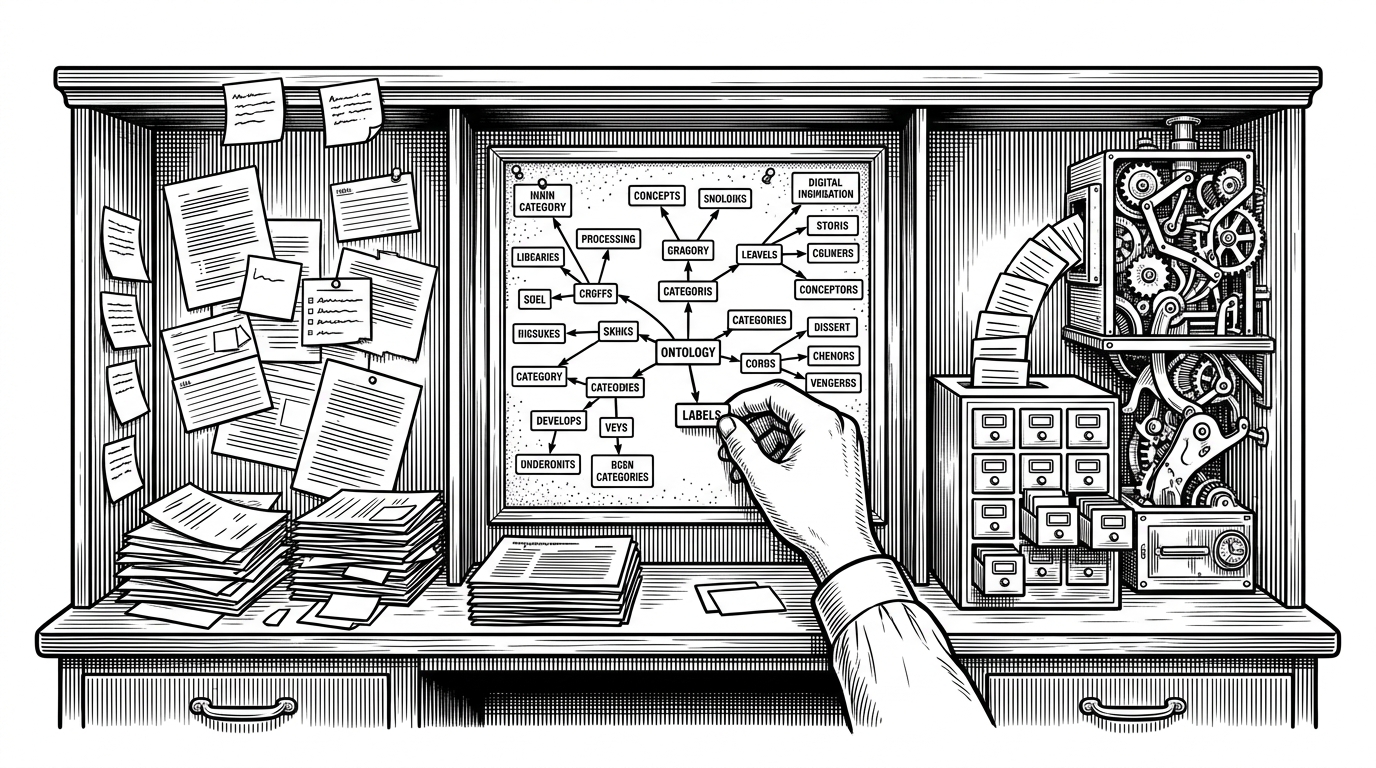
The technical center of gravity is cognify. It takes raw inputs, normalizes them, extracts entities and relationships, grounds them in an ontology, and builds graph structure that can sit beside vector and relational stores.
That matters because the output is not just a bag of embeddings. It is a shaped memory object with identity, links, and metadata that can be revisited later.
# Conceptual flow, not exact repo code
await cognee.remember(source_data)
results = await cognee.recall("What do we know about this person?")
await cognee.improve()
Why ontology grounding matters more than another vector store
This is the sharpest differentiator. Most systems are schema-light, which makes them easy to start and hard to trust. Once extraction gets messy, ambiguity spreads quickly.
Cognee tries to bind facts to a shared ontology so the system can unify, relate, or separate concepts with intent. That is how you get beyond similarity and toward consistency.
| Project | Primary goal | Memory model | Strength | Limitation relative to Cognee |
|---|---|---|---|---|
| LangChain | General LLM app assembly | Developer-defined and modular | Flexible orchestration | You assemble the memory story yourself |
| LlamaIndex | Indexing and retrieval for LLM apps | Strong ingestion and query pipelines | Great document plumbing | Less opinionated about long-lived memory structure |
| GraphRAG | Graph-enhanced retrieval | Knowledge graph assisted retrieval | Good for relationship-aware search | A technique more than a full memory engine |
| Cognee | Persistent AI memory | Hybrid graph, vector, and relational memory | Opinionated lifecycle for memory | Narrower scope than a broad framework |
The comparison is not about who has more features. It is about intent. LangChain gives you parts, LlamaIndex gives you powerful indexing, GraphRAG gives you a technique, and Cognee tries to be a memory engine with a defined lifecycle.
The stack behind the promise
The repo looks like a real platform because it is built like one. The core engine is Python-first, the frontend is a Next.js app, and the system leans on multiple data backends instead of pretending one store can solve everything.
That heterogeneity is the point. The project has to live across graph, vector, and relational layers, and it has to survive messy integration with real databases, real tasks, and real deployment environments.
The repo’s CI discipline matters here. A memory engine that touches many storage systems has to be boringly reliable. The workflows, packaging, and container setup are evidence that the maintainers understand the operational cost of the promise.
How Cognee compares to LangChain, LlamaIndex, and GraphRAG
If you want a blunt summary, Cognee is more opinionated than LangChain, more memory-centric than LlamaIndex, and more productized as a knowledge engine than GraphRAG. That makes it narrower, but also easier to reason about when memory itself is the product.
| Project | Best fit | Developer experience | Main trade-off |
|---|---|---|---|
| LangChain | Building custom LLM apps | Composable, broad, and familiar | You must design the memory layer yourself |
| LlamaIndex | Indexing and retrieval pipelines | Strong data ingestion ergonomics | Memory structure is still largely your job |
| GraphRAG | Graph-aware retrieval workflows | Useful for relationship-heavy search | Not a full memory platform |
| Cognee | Persistent agent memory | Opinionated and memory-first | Less general than a framework |
That is also why Cognee feels more like a system than a toolkit. It is making a claim about what memory should be, not just giving you primitives to improvise with.
Who is building this, and why it looks more serious than a demo
The public face of the project points to a small but committed team, with Vasilije Markovic as the clearest visible maintainer. The repository structure, frontend, and contributor depth all suggest this is a platform effort rather than a one-off experiment.
cognee has notion of nodesets which work similar to tags: https://docs.cognee.ai/core-concepts/node-sets. And also we have graphs per user now available. So, user permisions + graph filtering
That detail about nodesets and per-user graphs is telling. It suggests the team is already thinking about isolation, permissions, and multi-tenant memory, which are the kinds of problems that separate toy systems from real products.
Bottom line
Cognee is interesting because it asks a harder question than retrieval. How should an AI system store memory, reconcile conflicts, and improve what it knows over time? That is a better bet than yet another search wrapper.