hermes-agent: Hermes Agent: The Open-Source Agent That Actually Remembers
A deep look at Nous Research’s persistent, multi-platform agent framework, where memory is writable, skills are durable, and the interface is no longer tied to one machine.
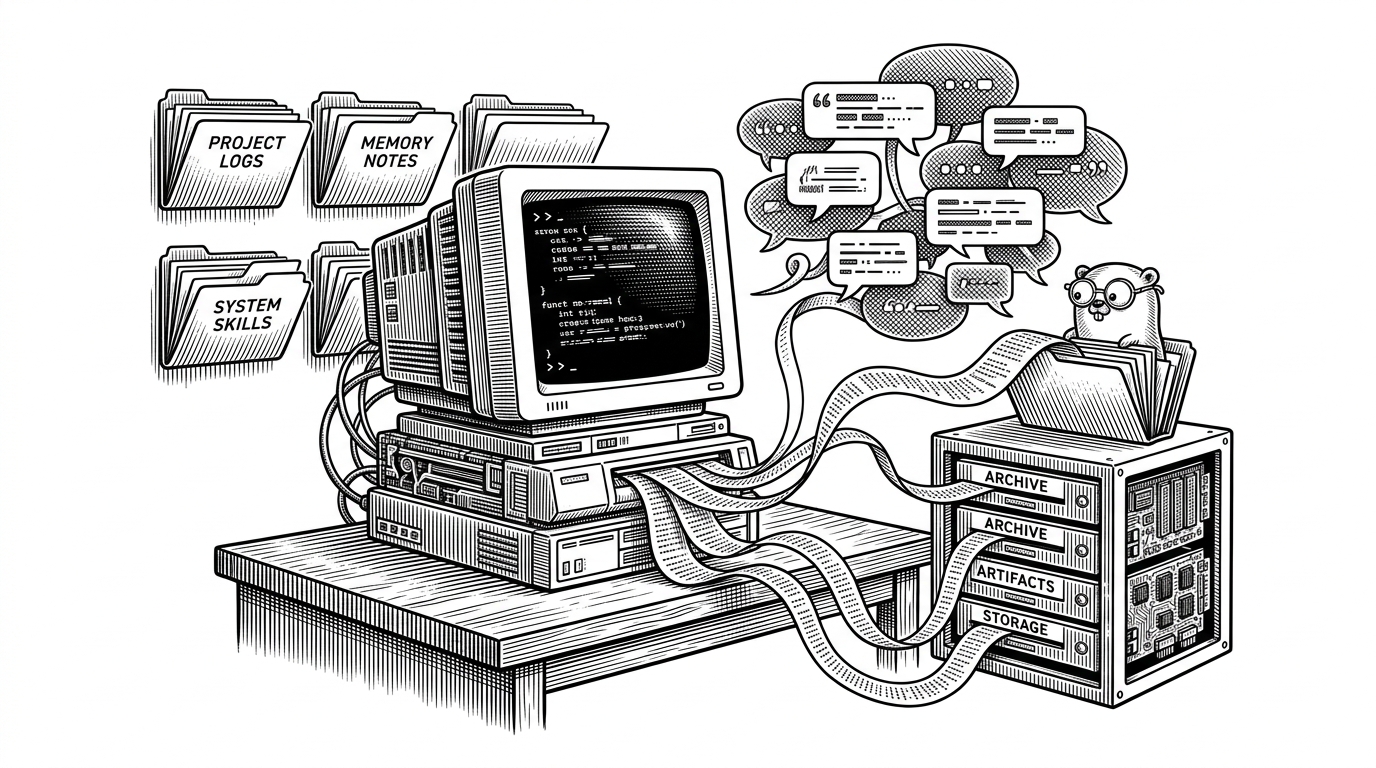
- Hermes Agent treats continuity as the core product, because it can turn experience into memory instead of starting from zero every session.
- Its memory system is intentionally writable, which makes recalled context, durable Markdown skills, and future behavior part of the same loop.
- The gateway design matters as much as the CLI, since the same agent identity can move across terminal and messaging interfaces without losing state.
- The architecture is less about raw capability than accumulation, which is what separates Hermes from stateless assistants and one-off agent demos.
Most agent tools are good at one thing: answering the current prompt. Hermes Agent is trying to do something harder, which is to make the next prompt smarter than the last one. That is why the most important part of the project is not its terminal UI or its model support. It is the loop that turns work into memory, and memory into future behavior.
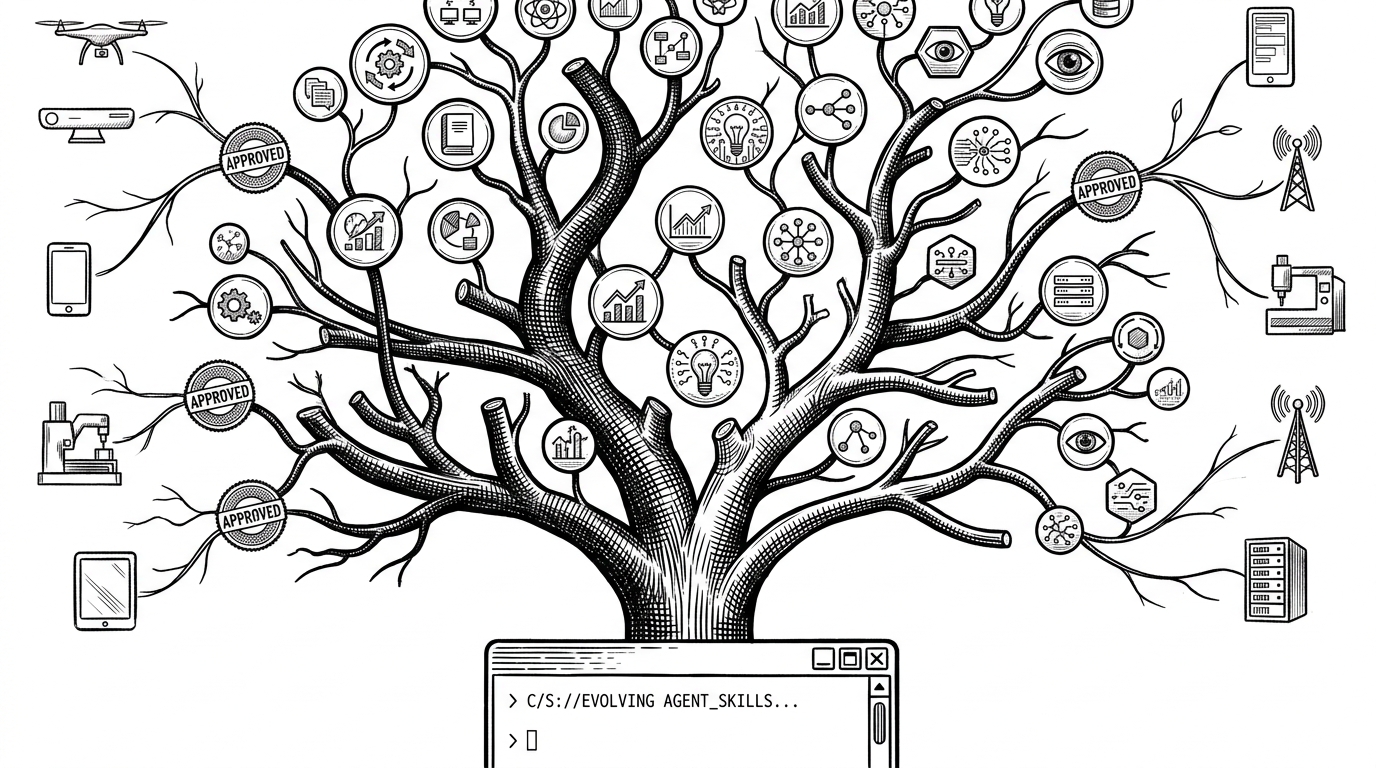
The agent that grows with you
The agent that does not forget
Hermes is easy to misread as another Claude Code-style CLI. That misses the point. The project is built around continuity across sessions, interfaces, and environments, so the agent is not just chatting or executing commands. It is accumulating a usable record of what it learned while doing the work.
The README’s own framing is blunt: "The agent that grows with you". That line is doing real product work. It points to a framework that aims to keep state, revise itself, and carry forward the useful parts of past tasks instead of throwing them away.

Memory is the product
The core idea in Hermes is not retrieval. Retrieval is easy to add. The harder move is write-back, where the agent decides what mattered, stores it, and makes that material available later. That changes the agent from a stateless conversational layer into a system that can accumulate practical judgment.
The repository’s memory layer uses a manager-provider pattern. That matters because it keeps the tool surface small. Instead of exposing a noisy pile of memory functions to the model, Hermes coordinates one builtin provider and at most one external provider, which reduces prompt clutter and gives the model a cleaner mental model of how memory works.
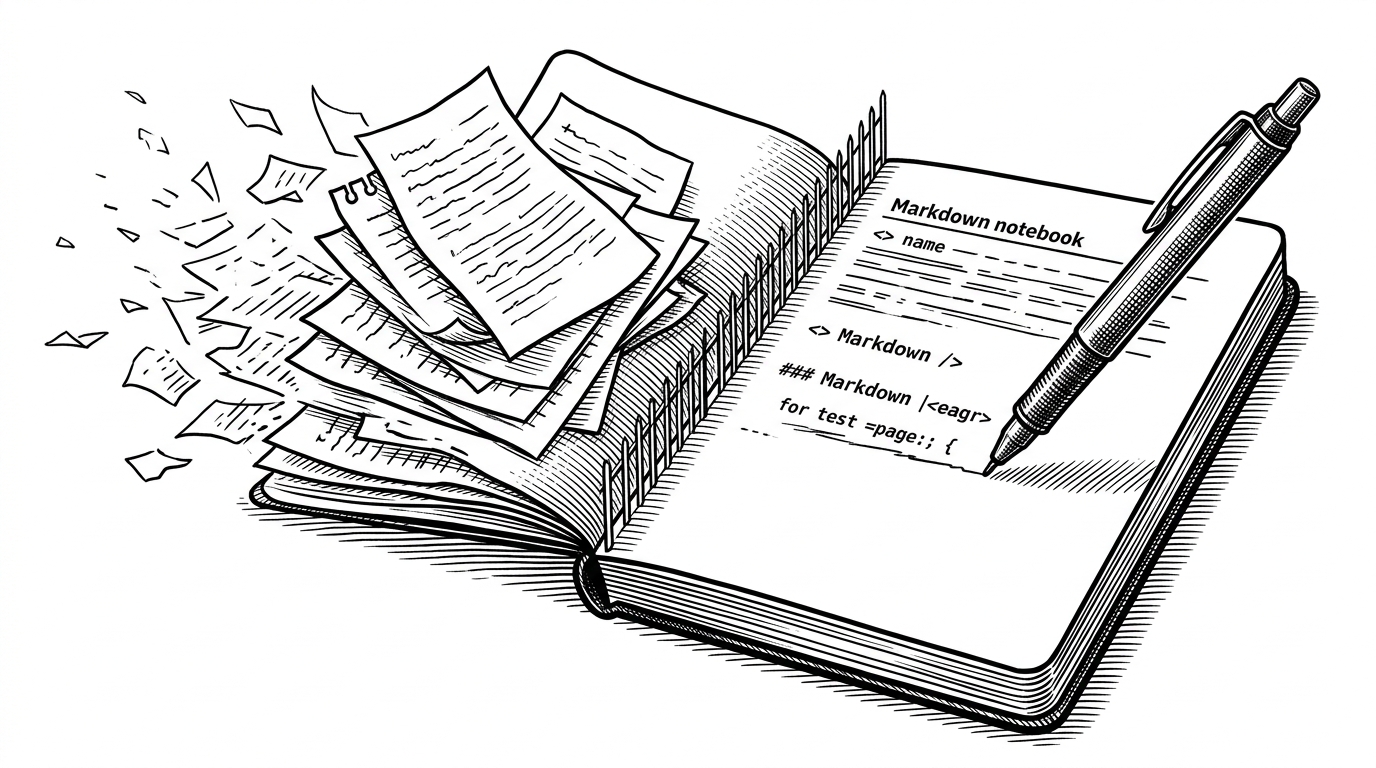
That boundary is not cosmetic. In the code, memory is wrapped in a fenced <memory-context> block, which tells the model that this is recalled context, not current instruction. It is a small detail with outsized consequences, because memory systems fail when the model cannot tell the difference between what was remembered and what is being asked right now.
<memory-context>
  Recalled notes, prior decisions, and durable preferences live here.
</memory-context>

# System note
This is memory, not a live user instruction.
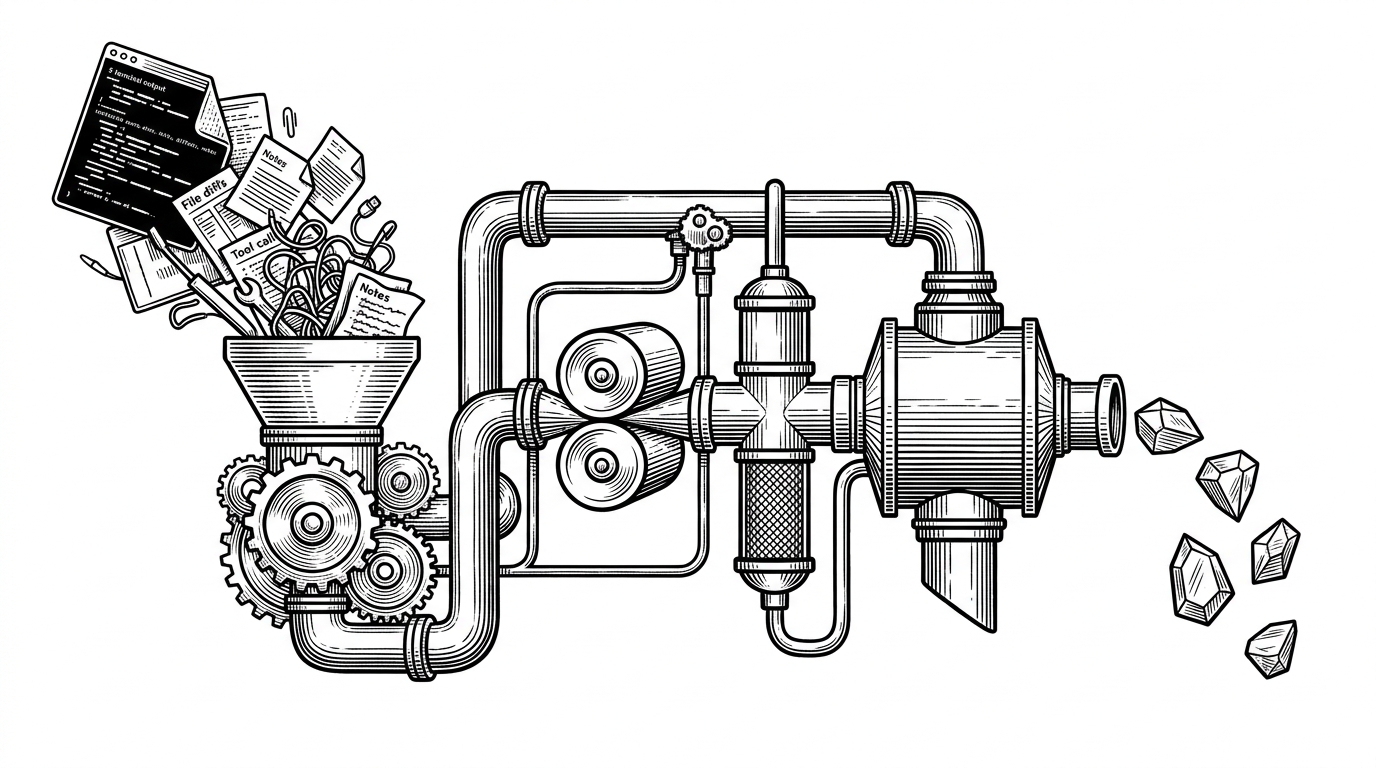
The other important piece is the write-back loop itself. Hermes can reflect on a turn, decide what should persist, and update its memory or Markdown skill files. That means the agent is not just retrieving knowledge. It is converting experience into reusable structure.
How the loop closes
- Live conversation starts the task and supplies the current goal.
- Memory recall pulls in relevant prior context and preferences.
- Task execution produces artifacts, outcomes, or code.
- Reflection and sync_turn decide what is worth keeping.
- Memory write-back stores the durable result.
- Skill generation or update turns repeated work into a reusable Markdown skill.
- Future retrieval makes the next session faster and more coherent.
Skills are files, not folklore
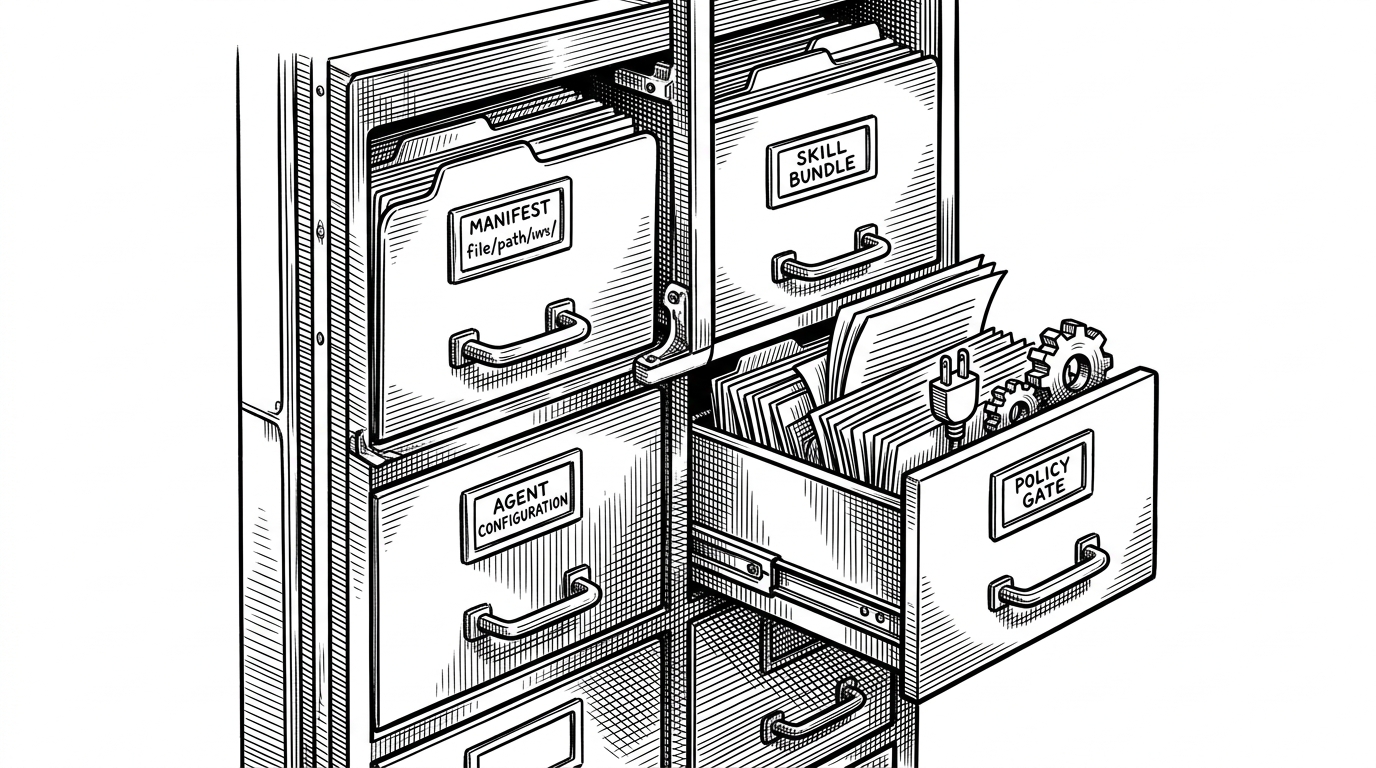
Hermes treats skills as visible artifacts, not hidden behavior. They live as Markdown files with YAML frontmatter, which means a human can inspect, edit, version, and move them around without guessing what the model learned. That is a stronger design than burying capability in opaque state.
The benefit is portability. If a skill is just a file, then it can be indexed, searched, shared, and reused across systems that understand the format. That is also why the project feels more like an operating layer than a single app.
---
name: debug-log-triage
summary: Triage noisy logs and extract likely root causes
---

# When to use
Use this skill when logs are high volume and the failure mode is unclear.

# Procedure
1. Identify the first error, not the loudest one.
2. Group repeated lines by symptom.
3. Capture the smallest reproducible chain.
4. Write a short summary for later reuse.
This is the practical payoff of the learning loop. Hermes can do a task, reflect on what it learned, and write back a skill that will matter the next time a similar problem shows up. In other words, it is trying to make repetition compound.
One agent, many doors
The gateway architecture is what makes the memory story more than a local trick. Hermes is not trapped inside a terminal. The same agent identity can continue through Telegram, Discord, Slack, Signal, WhatsApp, or the CLI, which means the memory layer has to survive interface changes without losing continuity.
That is a subtle but important product choice. Messaging-first access is not just convenience. It is what makes the agent feel persistent, because the user can come back from a different surface and still be talking to the same system with the same accumulated context.
| Project type | Memory model | Where it runs | How continuity works | Main trade-off |
|---|---|---|---|---|
| Hermes Agent | Writable memory plus durable Markdown skills | CLI, messaging apps, serverless and local environments | The same agent writes back what it learns and can retrieve it later | More moving parts, but continuity is built in |
| Claude Code-style CLI | Mostly session-centered context | Terminal | Continuity usually depends on the current workspace or session | Fast and focused, but less persistent across surfaces |
| Messaging-first agents | Conversation history with chat-native access | Slack, Discord, Telegram, Signal | The chat thread acts as the primary interface | Convenient access, but memory is often shallow or external |
| Traditional stateless assistants | Ephemeral prompt context | Anywhere the chat UI exists | Little or no durable user-specific accumulation | Simple to use, but every session starts near zero |
The safety layer around the prompt
A memory-rich agent also has to be paranoid. Hermes scans context content for prompt injection, invisible Unicode tricks, and hidden instructions in scraped material or local files. That matters because the more sources you let into the prompt, the more likely it is that one of them tries to steer the model in ways the user never intended.
The interesting part is that this protection is quiet. It is not a giant security product bolted on top. It is part of prompt assembly itself, which is where it belongs.
def _scan_context_content(text):
    if has_invisible_unicode(text):
        flag('unicode-hiding')
    if matches_ignore_previous_instructions(text):
        flag('instruction-injection')
    if matches_hidden_css(text):
        flag('web-scrape-trickery')
    return sanitized(text)
That approach is practical rather than theatrical. Hermes is treating local files and web content as untrusted inputs, which is exactly the right posture for an agent that can read, browse, and act on behalf of the user.
Why the architecture matters
Hermes is not just a smarter prompt wrapper. Its architecture is trying to solve deployment friction as well as cognitive friction. Nix, Docker, model adapters, and serverless backends like Daytona and Modal give it a wider operating envelope than a laptop-bound agent can usually claim.
That matters because a persistent agent is only useful if it can actually stay available. If the environment disappears, the memory story falls apart. Hermes is built to keep the environment and the memory layer stable enough that the agent can survive across tasks, machines, and interfaces.
The model layer is also deliberately flexible. The repo supports multiple providers and parser variants, which makes Hermes less dependent on a single vendor’s tool calling style. That is a real advantage in a field where model output formats are still messy and inconsistent.
Where Hermes sits in the agent landscape
Hermes is not trying to win by being the simplest agent framework. It is trying to win by being the one that remembers, persists, and travels. That places it in a different category from stateless assistants and even from many CLI-first tools that are excellent at short tasks but weak at continuity.
The comparison is clearest when you frame it as an argument about state. Claude Code-style tools optimize for a focused session. Messaging-native agents optimize for reach. Hermes is trying to unify those surfaces while keeping the state durable enough to matter.
It's the only agent with a built-in learning loop — it creates skills from experience, improves them during use, nudges itself to persist knowledge, searches its own past conversations, and builds a deepening model of who you are across sessions.
The bigger bet
The open-source bet here is not that agents need more features. It is that they need memory that can be inspected, edited, and trusted. Hermes takes the uncomfortable part seriously: it wants the system to improve by using itself, while keeping the artifacts human-readable enough that people can still understand what happened.
That makes the project feel less like a demo and more like infrastructure. If it works as intended, the agent stops being a disposable helper and becomes a persistent operator that accumulates institutional knowledge. That is a much bigger claim than better chat.