agentmemory: The Memory Engine That Lets Coding Agents Forget the Right Things
A deep dive into the pipeline that captures tool use, compresses it into durable lessons, and keeps AI coding agents stateful across sessions, branches, and tools.
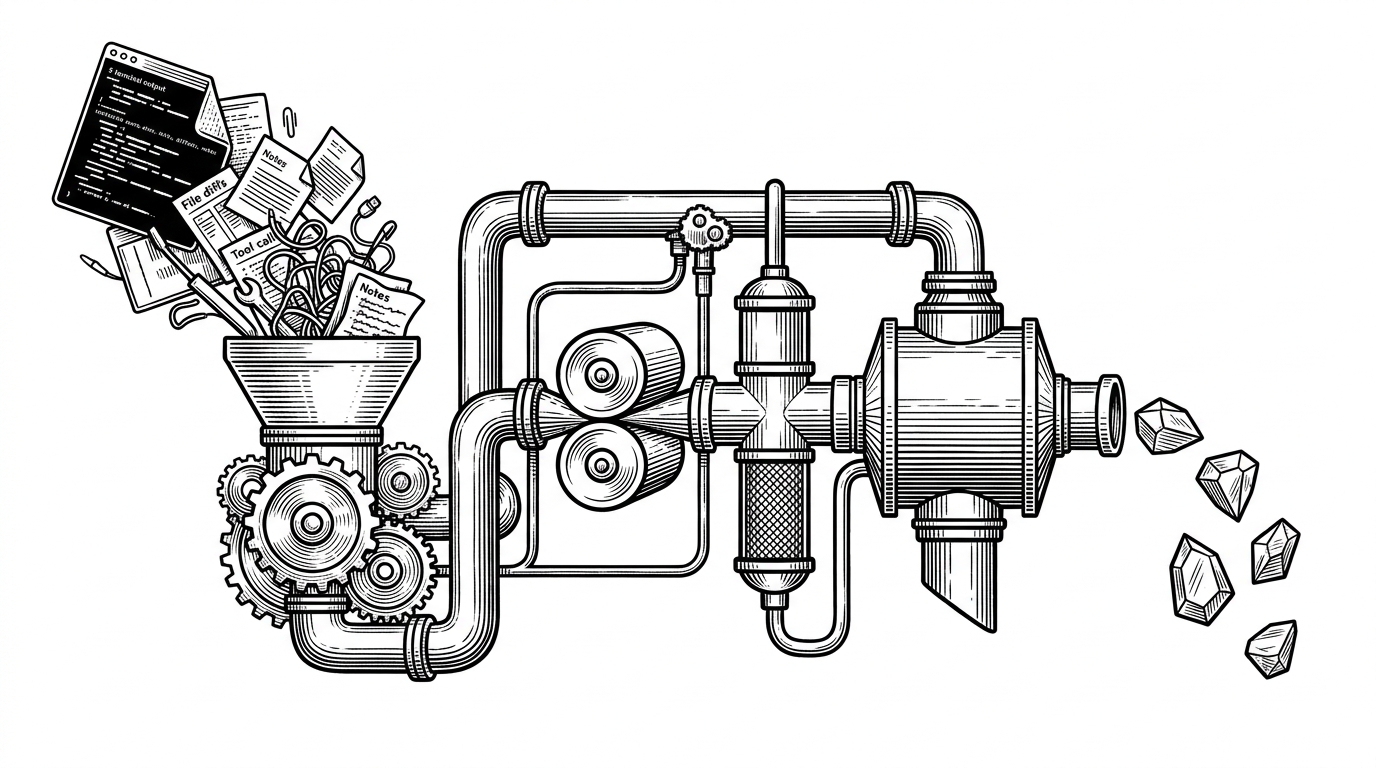
- agentmemory treats memory as a pipeline of compression, crystallization, and retrieval, not a dump of chat history.
- Its real differentiator is context control, because it tries to remember what still applies and forget what no longer should.
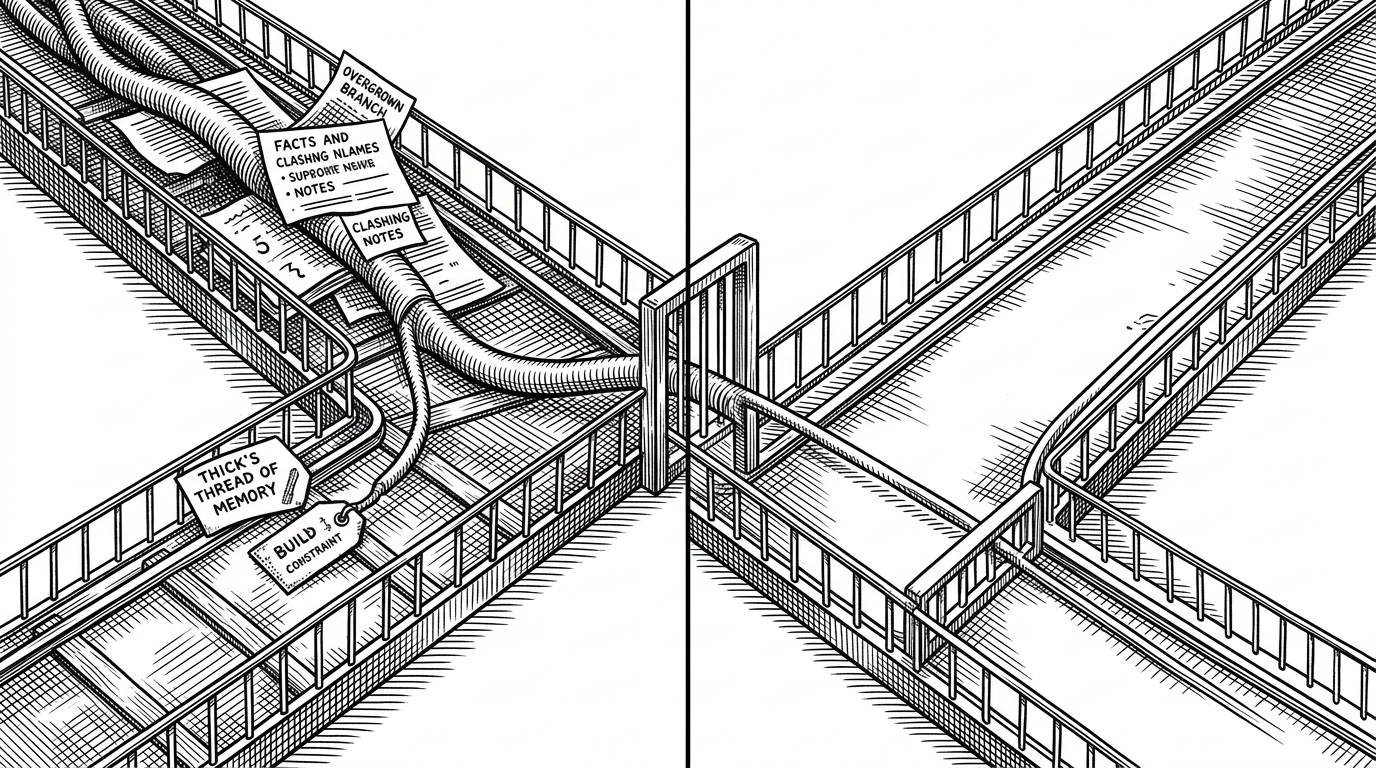
- Branch-aware filtering makes the system feel built for codebases, where the same fact can be true on one branch and harmful on another.
- MCP turns the project into a shared memory service that multiple coding agents can use without locking into one runtime.
From chat logs to lessons
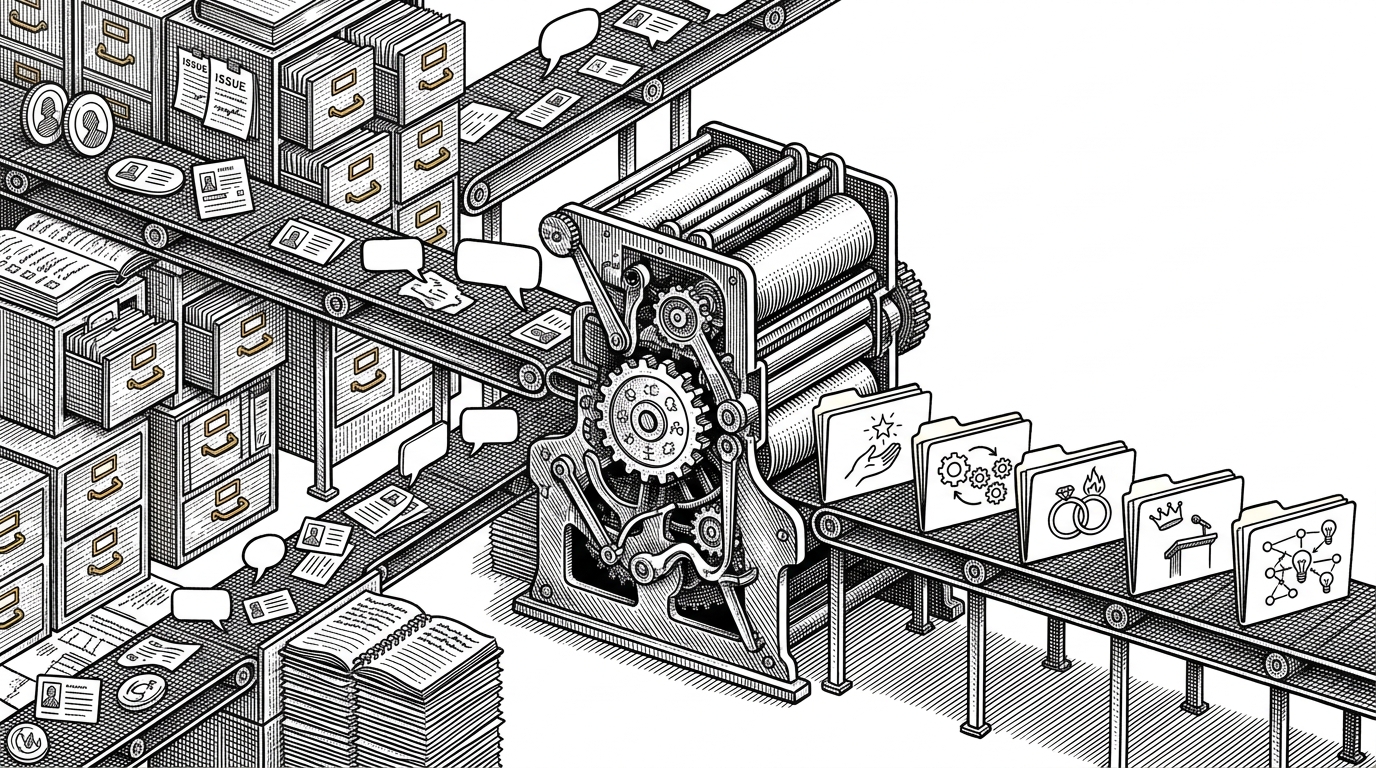
The easiest way to misunderstand agentmemory is to think it is another place to stash agent transcripts. It is doing something narrower and smarter. It takes the noisy exhaust of coding work and tries to turn it into lessons that survive the next session.
That shift matters because coding agents do not mainly fail from lack of storage. They fail from context pollution. They keep too much, forget too fast, or drag the wrong detail into the wrong branch.
Built-in memory (CLAUDE.md, .cursorrules) caps out at 200 lines and goes stale. agentmemory fixes this. It silently captures what your agent does, compresses it into searchable memory, and injects the right context when the next session starts.
Why coding agents need long-term memory
If you use coding agents seriously, you know the ritual. The first few minutes go to re-explaining the stack, the repo conventions, the last failed attempt, and the one subtle constraint that never seems to make it into the model’s context window. The work starts by rebuilding a memory the machine should have kept.
agentmemory is aimed at that exact pain. It is not trying to make the model omniscient. It is trying to make the agent less forgetful about the facts that matter most in a codebase: file histories, build constraints, branch-specific decisions, and tool outcomes.
| Memory approach | What it keeps | Main weakness |
|---|---|---|
| Static files like CLAUDE.md | Manually curated reminders | Go stale fast and cap out in size |
| Manual memory APIs | Selected facts you choose to save | Requires discipline and extra calls |
| agentmemory | Captured tool traces, lessons, and relations | Needs a pipeline to decide what stays relevant |
The pipeline: observe, compress, crystallize
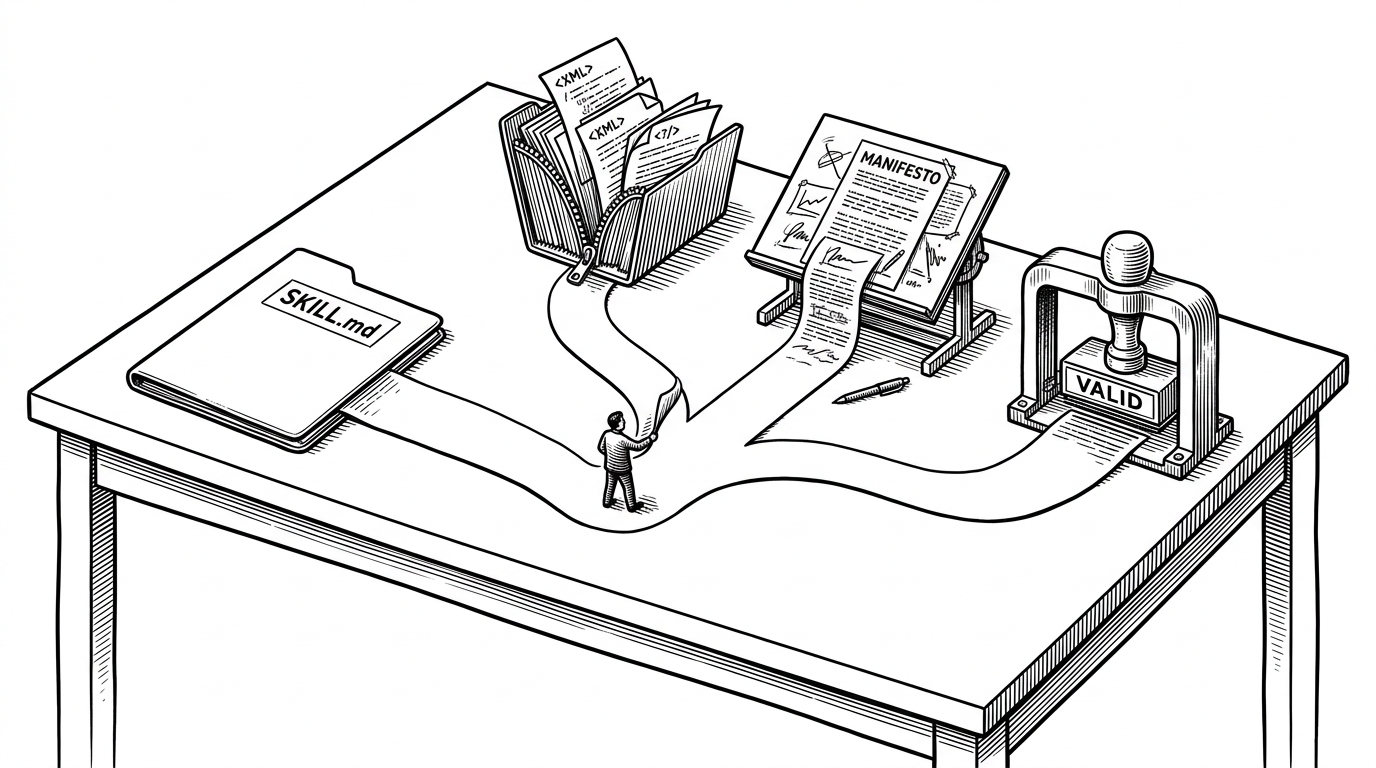
The best way to read the codebase is as a memory metabolism. Raw observations come in from hooks and tool calls. They are compressed to strip noise. Then they are crystallized into higher-level memory forms that are actually useful later.
The repository’s structure reflects that idea. There are functions for observing, compressing, consolidating, graphing, and relating memory. That is a strong signal. The project is not optimizing a single retrieval call. It is managing the life cycle of a memory from first sight to eventual eviction.
 branch-aware filtering prevents stale facts from crossing into the wrong context." data-prompt="Create an editorial illustration rendered entirely in black ink on a pure white background. The image depicts a close-up of two Git branches as parallel tracks made of fine mechanical railings. On the left branch, a thick thread of memory carries a lesson about a Node version requirement, with a small stamped tag that suggests a build constraint. On the right branch, the track remains clean and mostly empty. Between them sits a narrow gate and filter mechanism that catches the left branch’s memory thread before it can cross over. The composition is split into two halves. The left side depicts an overgrown branch with accumulated facts and a few clashing notes. The right side depicts a clean branch with only the relevant memory thread allowed through. A clear visual contrast. The artist uses tightly packed crosshatching lines layered at different angles to build up shadow and form, with clean open areas of white for highlights. The line work has the quality of a classic metal engraving, precise and deliberate, with varied line weights where bold contour lines define shapes and finer interior lines create tonal depth. The overall style evokes vintage newspaper editorial illustrations from The Economist or Wall Street Journal. No color, no gradients, no grey fills. Only black lines on white. The background MUST be pure white #FFFFFF. No paper texture, no cream, no off-white, no noise, no grain. Perfectly clean flat white background." loading="lazy">
How it avoids context pollution
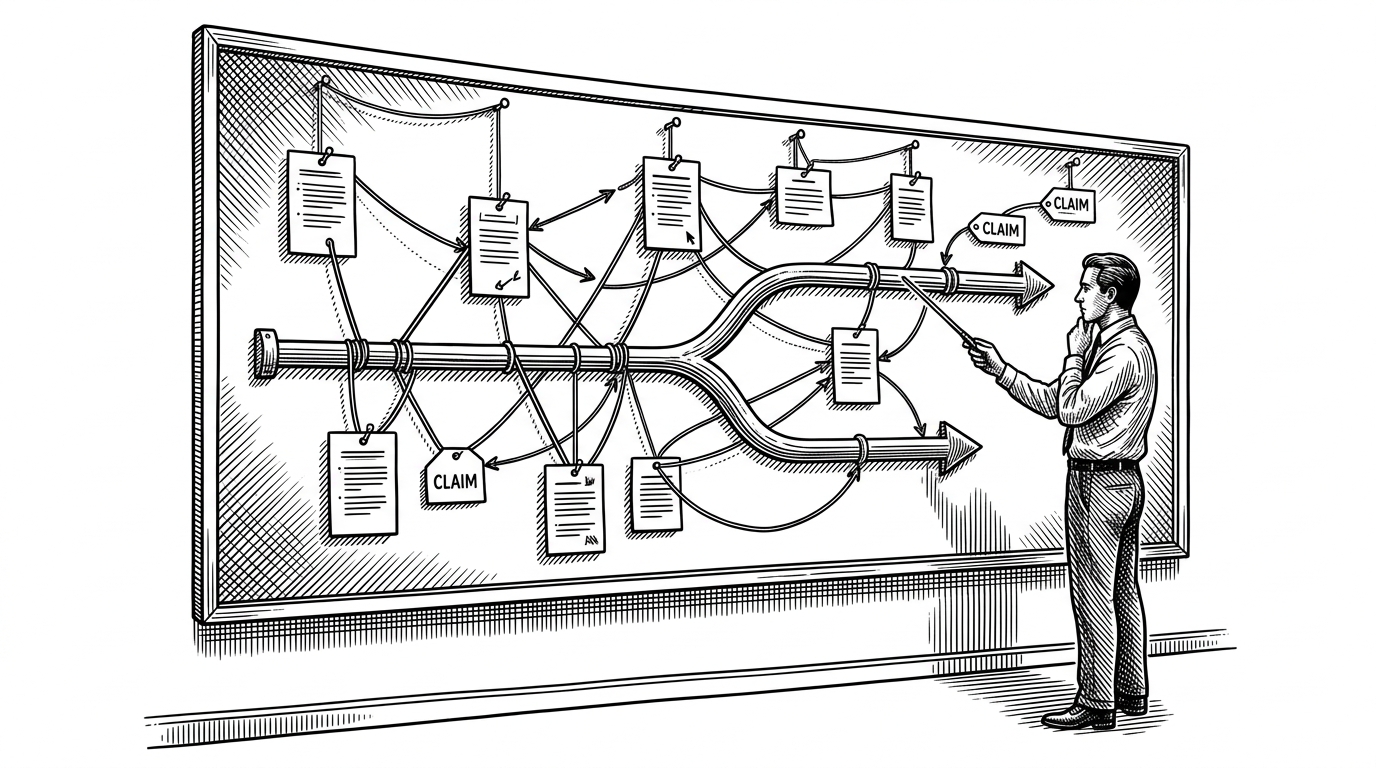
This is where the project gets serious. It is not just keeping memories. It is judging them. The system uses branch awareness, supersession, contradiction handling, TTL expiry, and importance-based eviction to decide what still deserves to be in circulation.
That is a different philosophy from simple retrieval. Retrieval says, “Can I find the thing?” agentmemory asks, “Should this thing still apply here?” For code, that second question is the one that saves time.
Every coding agent forgets everything when the session ends. You waste the first 5 minutes of every session re-explaining your stack. agentmemory runs in the background and eliminates that entirely.
The hybrid search stack also fits the problem well. BM25 catches exact file names, symbols, and constraints. Vector search catches semantic similarity. The graph layer adds relationships like supersedes and contradicts, which is exactly what a coding memory needs when the same project evolves over time.
Why MCP is the right interface
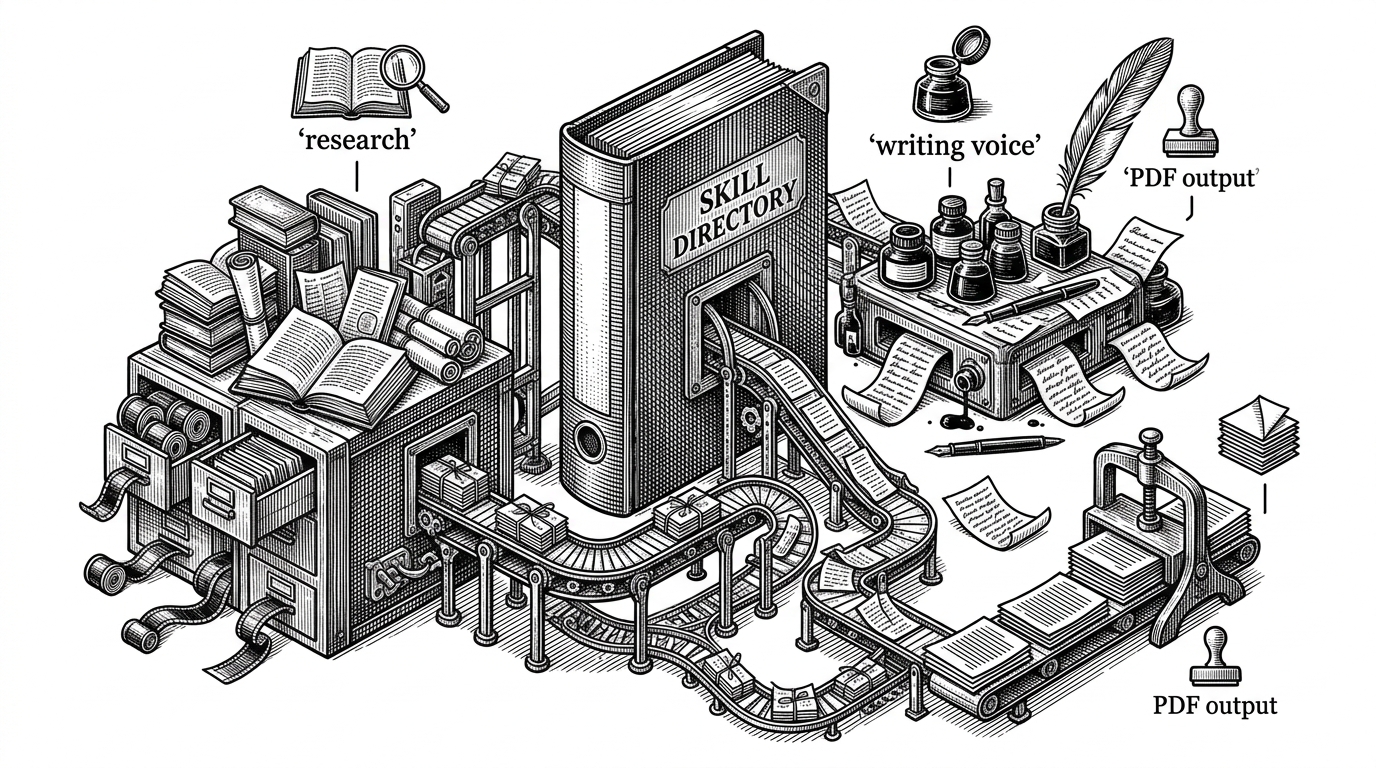
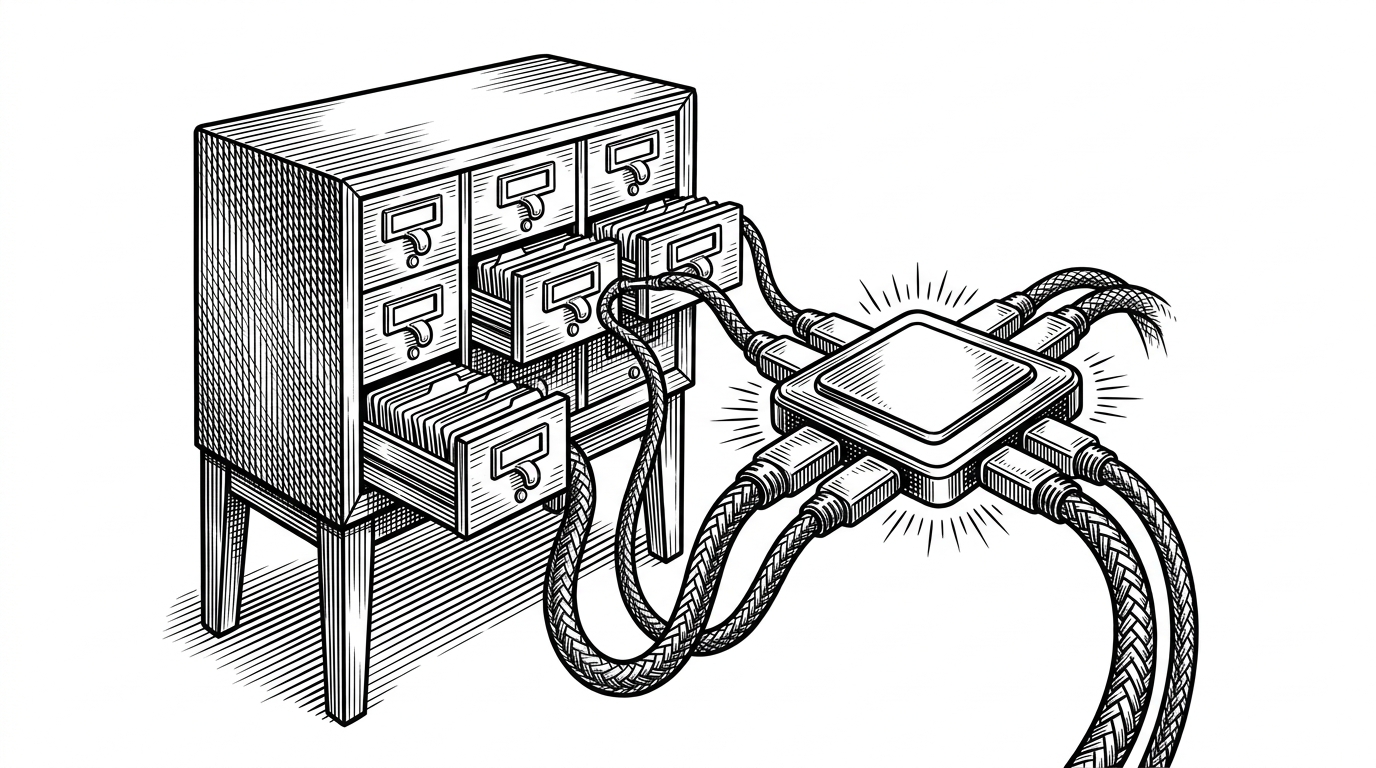
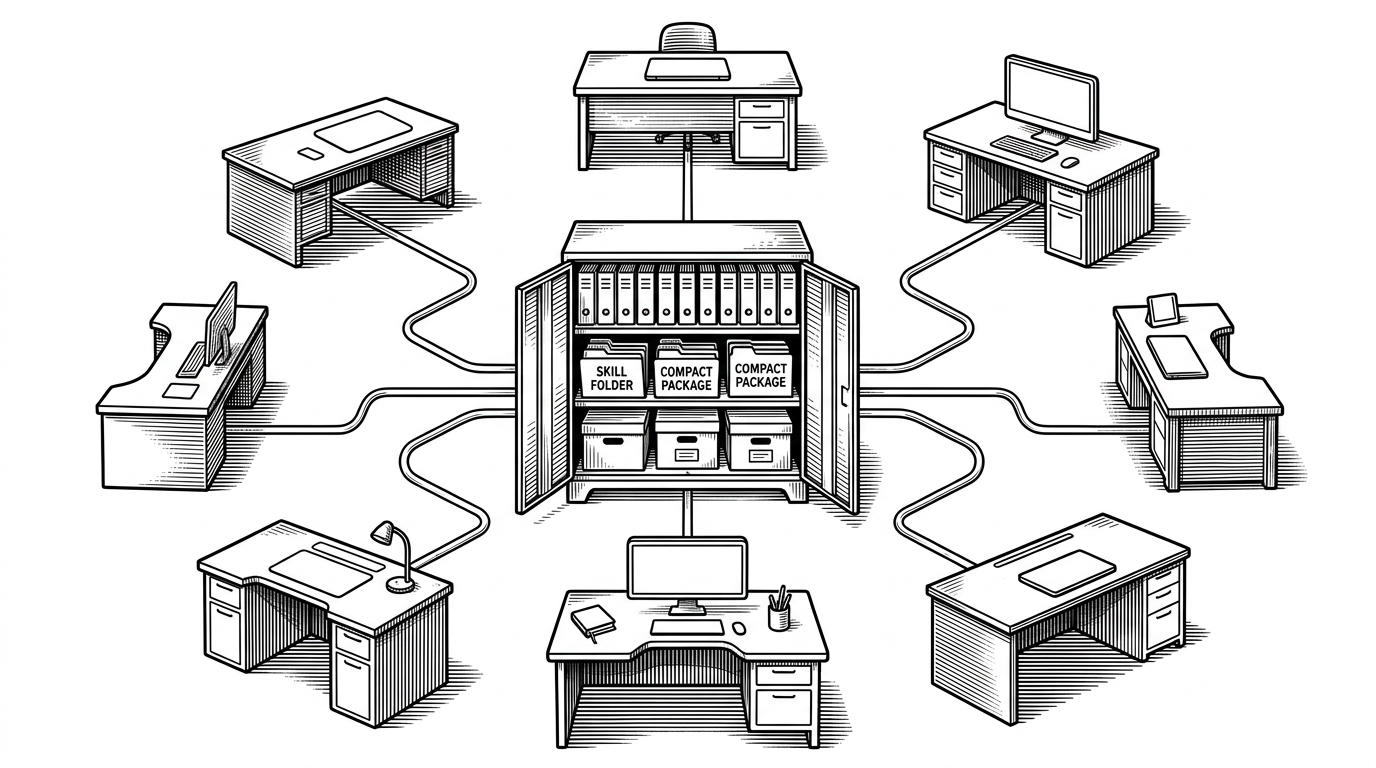
MCP is the distribution strategy. It lets Claude Code, Cursor, Gemini CLI, OpenCode, and other clients speak to the same memory service. That matters because the memory should follow the work, not the UI.
This is also where agentmemory becomes more than a library. A library would sit inside one toolchain. An MCP server can serve a whole ecosystem. That makes the memory reusable across agents, which is exactly what teams want when their workflow spans more than one interface.
{
  "tools": [
    "memory_save",
    "memory_recall",
    "memory_graph",
    "memory_consolidate"
  ],
  "clients": [
    "Claude Code",
    "Cursor",
    "Gemini CLI",
    "OpenCode"
  ]
}
Local-first, low-friction, surprisingly serious
The local-first story is not a side note. It is one reason this project feels adoptable. The stack leans on local persistence, local embeddings, and no required external database. That lowers setup friction and keeps sensitive code work on the machine where it belongs.
The repo also signals maturity in the way serious infrastructure projects do. There is a benchmark suite, a viewer for watching memory build in real time, and a large test surface. That does not make the idea better by itself, but it does make the implementation easier to trust.
| Dimension | agentmemory | mem0 | Letta / MemGPT | Built-in memory files |
|---|---|---|---|---|
| Capture style | Auto-capture via hooks | Manual add calls | Runtime-managed | Manual editing |
| Search | BM25, vector, graph | Vector, graph | Vector-centric archival | Context load only |
| Framework lock-in | Low | Low | High | Per tool |
| Local-first | Yes | Usually not | Depends on setup | Yes |
| Best fit | Coding workflows across agents | General memory API | Full agent runtime | Small hand-curated notes |
The strategic position is clear. agentmemory is not trying to be a full agent runtime. It is not just a memory API either. It sits in the middle as a local, protocol-friendly memory engine for coding work.
What the comparison really says
Against mem0, the difference is not only auto-capture versus manual capture. It is the willingness to treat memory as a living structure with relations, eviction, and branch scope. Against Letta, the difference is looseness. agentmemory does not ask you to buy into a whole runtime.
Against built-in files, the argument is scale and hygiene. Static notes are useful until they become stale. A memory engine can keep growing without forcing the user to curate every fact by hand.