KKKKhazix/khazix-skills Turns Prompts Into an Operating System for AI Work
A look inside the repo that packages research workflows, writing style, and output formatting into reusable Skills that agents can execute, not just read.
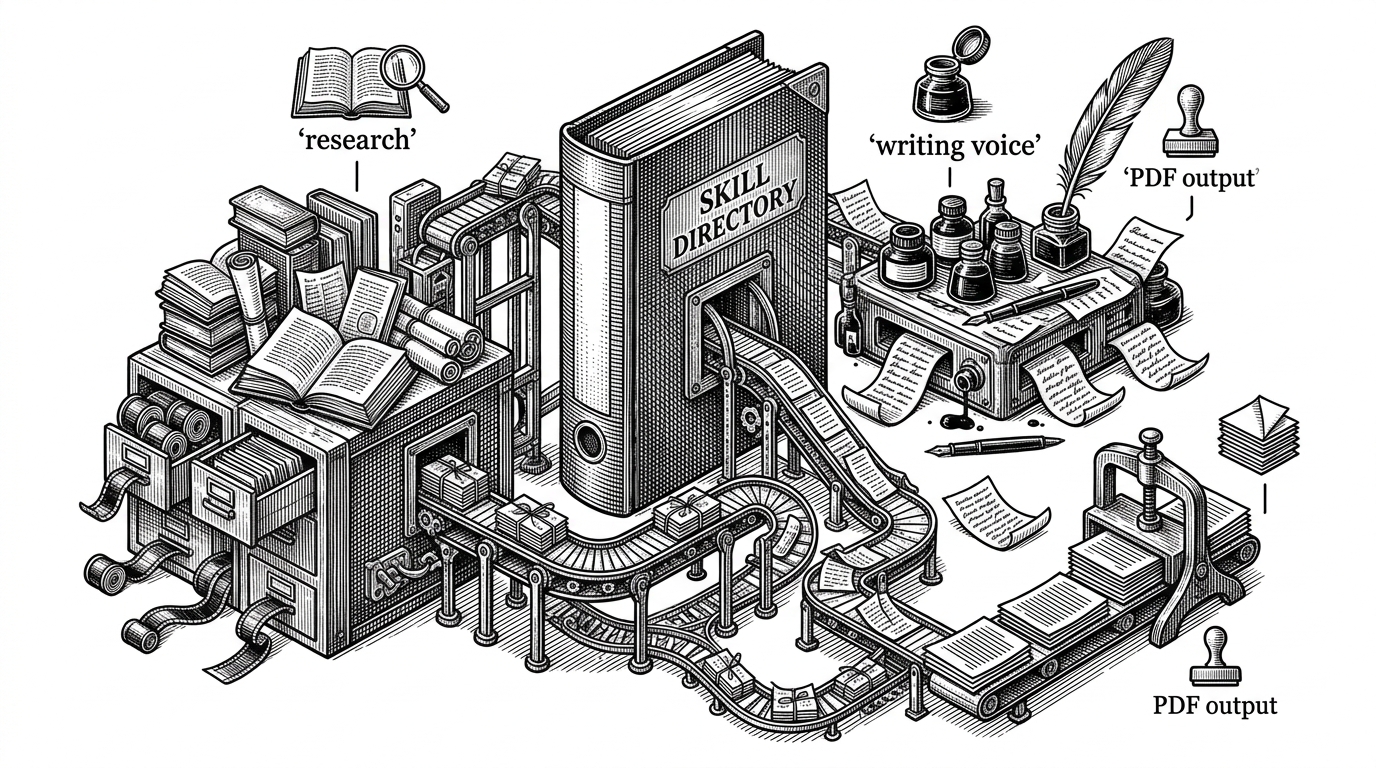
- khazix-skills argues that AI quality comes from a packaged workflow, not a clever prompt.
- The repo splits the problem into two different engines, one for research and one for voice.
- Its strongest idea is structural: skills, schemas, scripts, and formatting rules work together as a portable system.
- The project replaces improvisation with repeatable methodology, while staying opinionated enough to preserve a recognizable output.
The surprise in KKKKhazix/khazix-skills is not that it has good prompts. It is that it treats research, tone, structure, and final delivery as separate parts of one machine. That is a very different claim from “here are some useful prompts.”
The repo is built around a simple bet: the best AI work comes from reusable process, not one-off cleverness. That shows up immediately in the way it splits into skills, prompts, scripts, and schema, each doing one job instead of trying to do everything.
The Prompt Was Never the Point
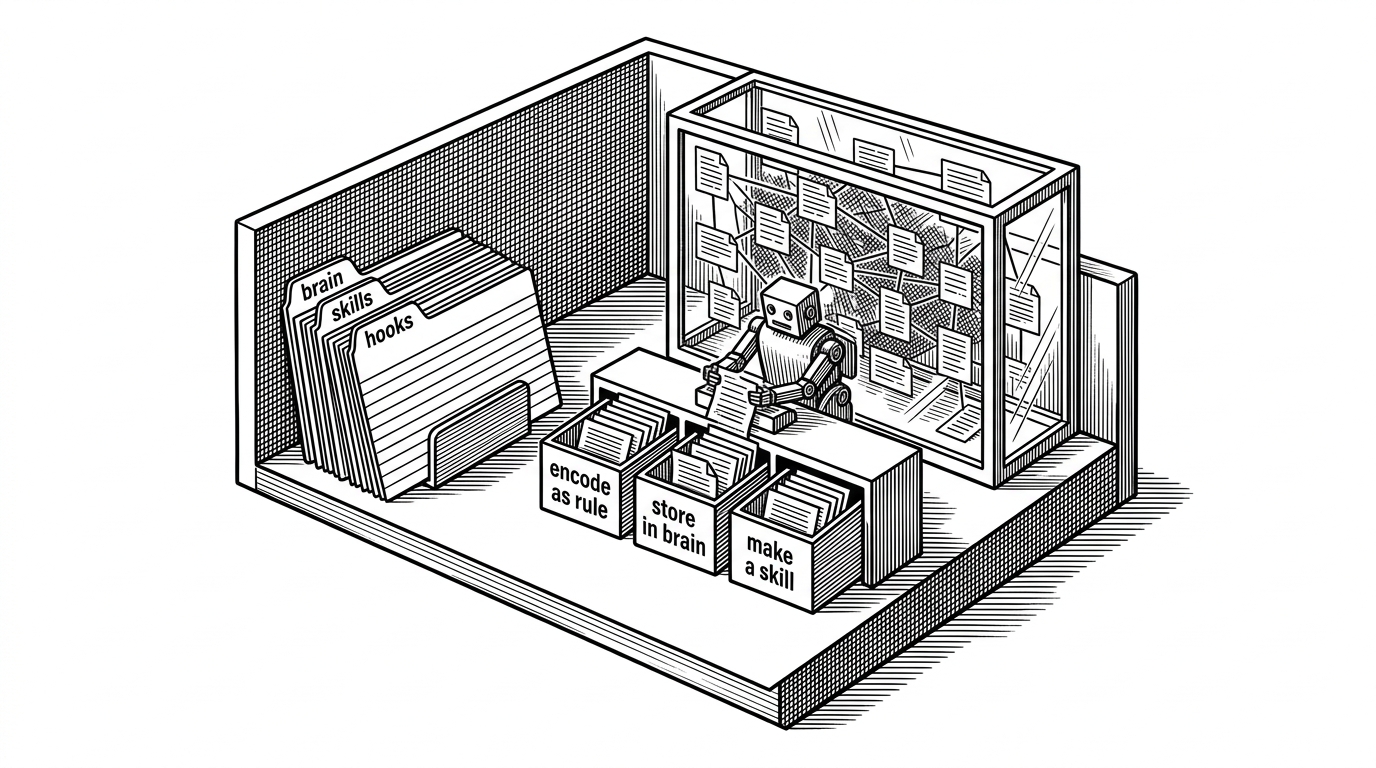
The opening idea is easy to miss if you scan the repository like a prompt library. This is not a bag of strings to paste into chat. It is a portable operating system for agentic work, with each skill encoding a method that can be loaded, executed, and reused.
That matters because it changes the unit of value. A prompt is a sentence. A skill is a workflow. Once you see that distinction, the repo’s structure starts to make sense.
两种东西,一个目的:把我积累的方法论变成可复用的工具。
Two Skills, Two Jobs: Research and Voice
The most revealing modules are hv-analysis and khazix-writer. One is a research engine. The other is a style engine. Together they show the repo’s real ambition: solve both epistemology and expression.
hv-analysis defines how to investigate a topic. khazix-writer defines how to sound like a person instead of a generic model. That combination is the point. It is not enough to know what is true if the output still reads like machine sludge.
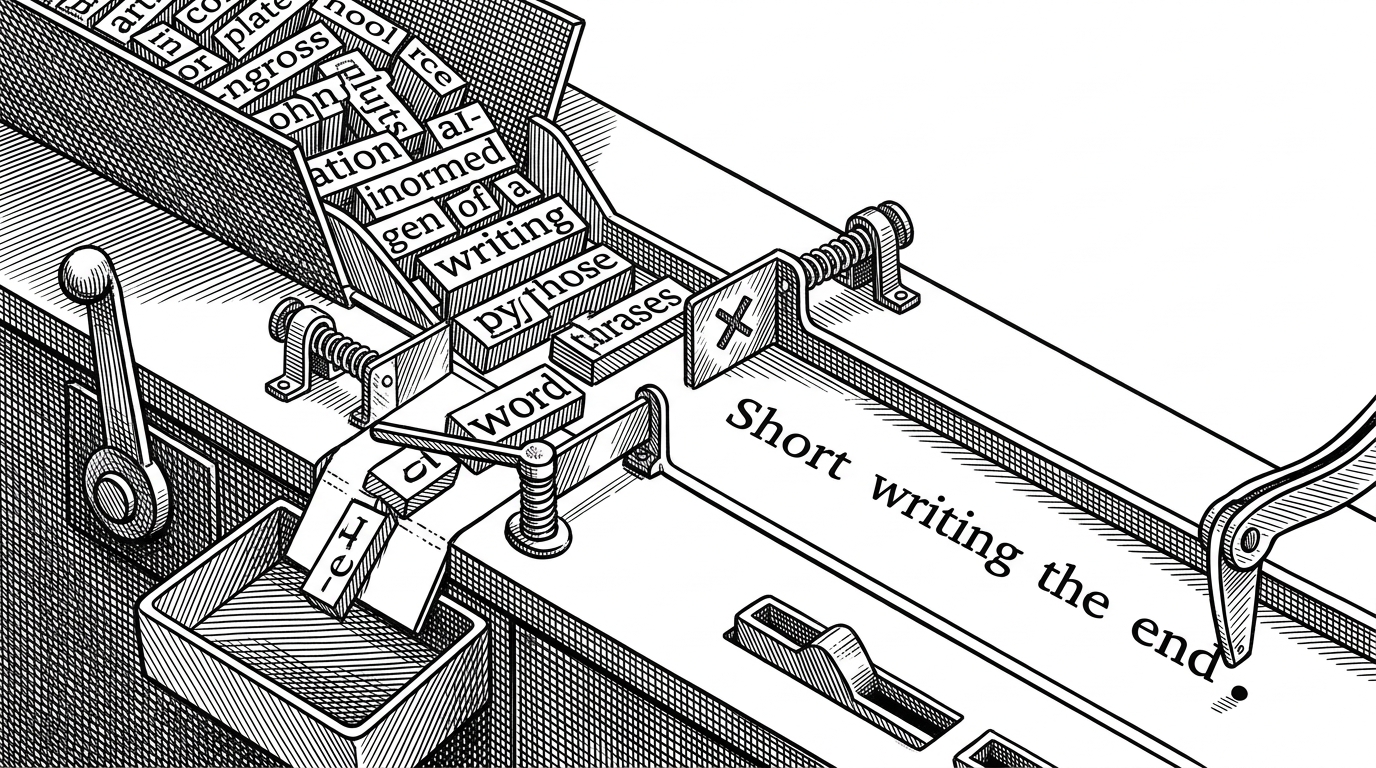
The style system is unusually strict. It bans familiar filler phrases, discourages formulaic transitions, and even constrains punctuation. That sounds limiting, but the effect is the opposite: the output gets more breathable because the model has fewer lazy moves available.
How hv-analysis Thinks in Parallel
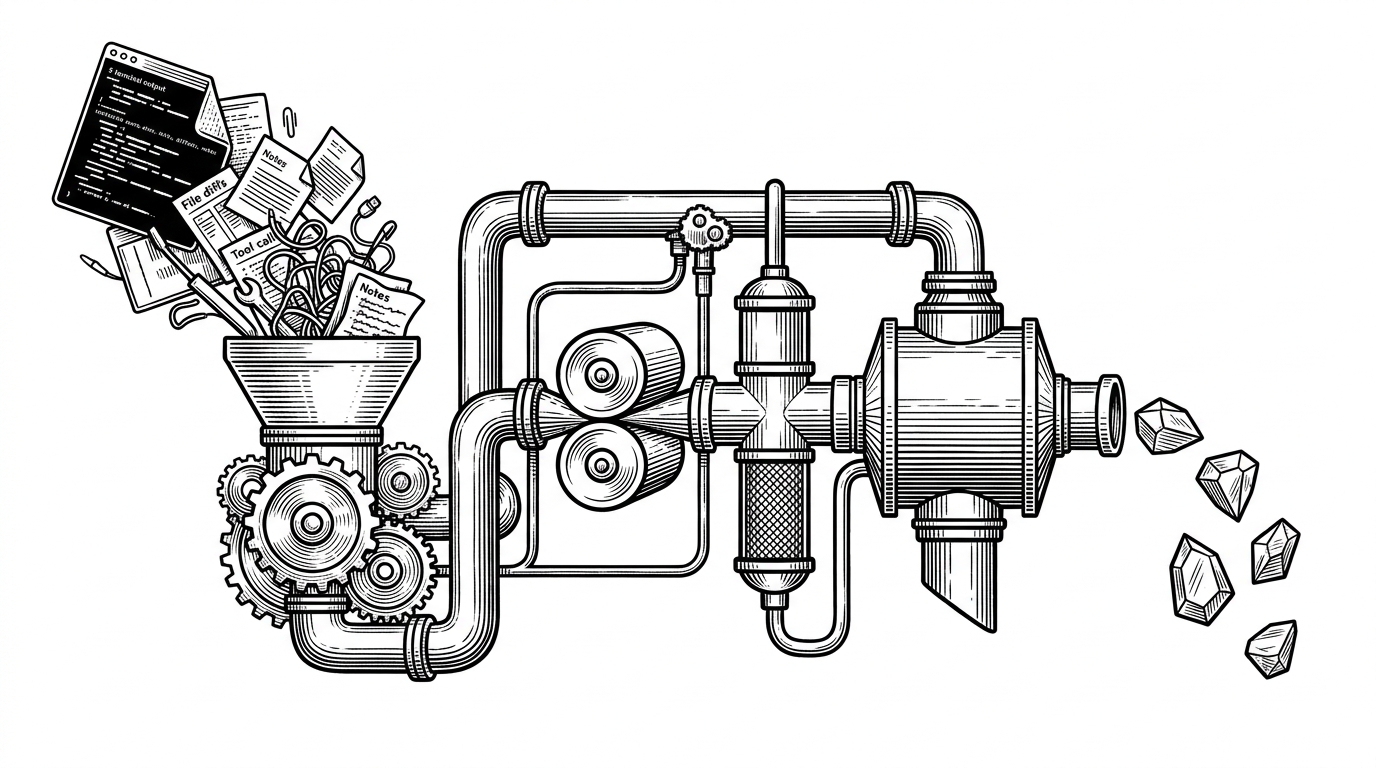
The research skill is the clearest proof that this repo is about methodology. It starts by splitting a topic into multiple concurrent investigations, then ranks sources, then synthesizes the results into a report. That is not a prompt trick. It is an architecture.
The interesting bit is the separation of labor. One branch scans history, another scans competition, another checks source quality, another pulls academic material. The skill does not trust a single search pass to tell the whole story. It forces breadth first, then synthesis.
| Source class | Role in the workflow | Why it matters |
|---|---|---|
| Official sources | Primary evidence | They anchor the report in direct intent and product reality. |
| Original reporting | Context and interpretation | They add detail without flattening the topic into marketing copy. |
| Aggregators | Secondary reference | They fill gaps, but they sit lower in the hierarchy. |
| Academic sources | Technical grounding | They help the workflow avoid shallow claims. |
That hierarchy is the thesis in miniature. The skill is not just “search the web.” It is “search with preference, then merge with judgment.”
Why the Schema Matters
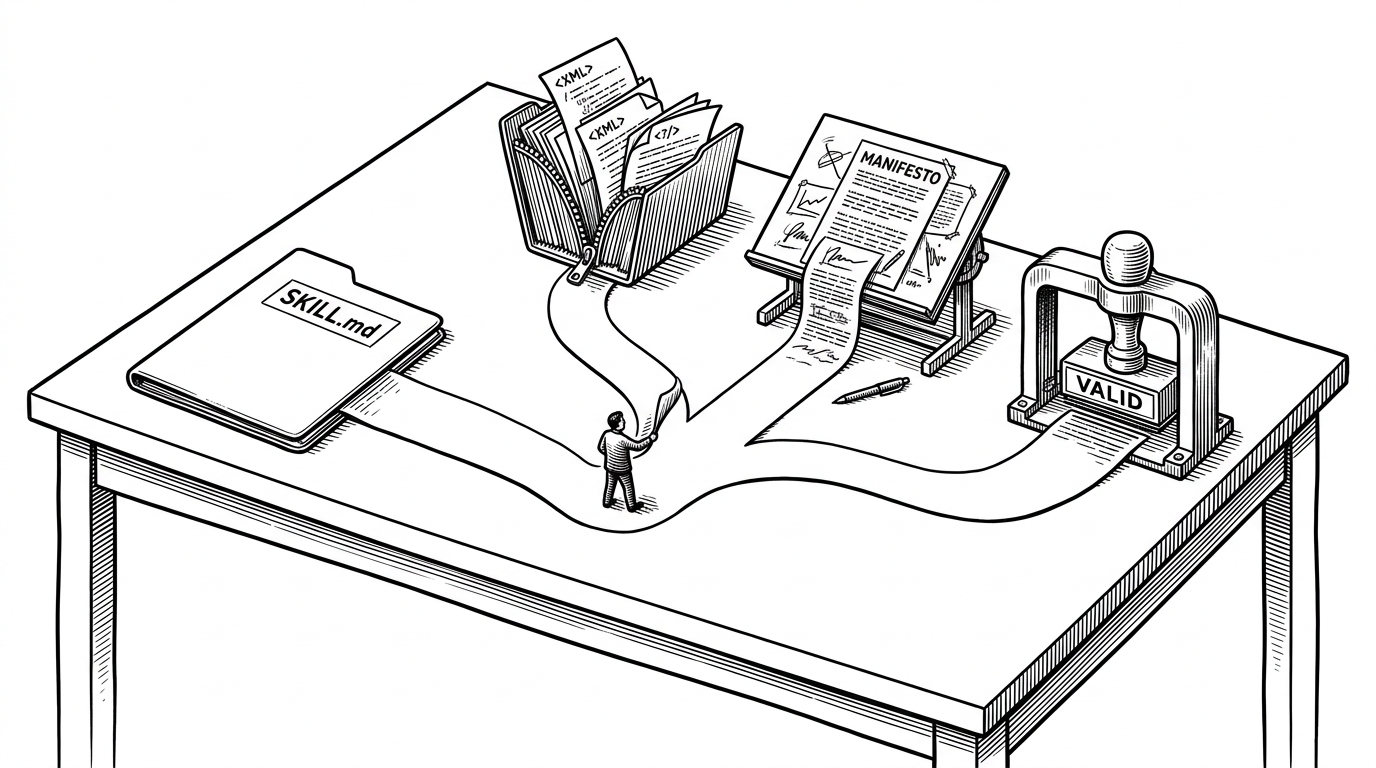
The repo’s hidden leverage is the schema. Once outputs have a structured shape, the system becomes easier to compose, validate, and reuse. A style guide is useful. A schema makes it operational.
That is what separates a craft note from a toolchain. The schema turns fuzzy research into data that downstream steps can depend on. In other words, taste becomes machine-friendly without losing its opinionated edge.
{
  "sections": [
    "origin",
    "key_nodes",
    "competitive_matrix",
    "cross_insights"
  ],
  "output": "markdown + pdf"
}
The Last Mile Is PDF
The `md_to_pdf.py` script shows that the project cares about the final artifact, not just the drafting process. Hardcoded CSS, cover page logic, and CJK font handling all point to the same idea: presentation is part of quality, not an afterthought.
That matters because many AI workflows stop at a text blob. This repo keeps going until the result looks like something a person would hand over. The emphasis on PDF output is a clue that the author is building for delivery, not experimentation.
What It Replaces, and What It Does Not
Compared with LangChain, AutoGPT, or OpenAI’s managed assistants, khazix-skills is narrower and more opinionated. It does not try to be the universal framework. It tries to be a portable pack of reusable methods.
| Project | Primary purpose | How it is used | Strength | Limitation | Best fit |
|---|---|---|---|---|---|
| khazix-skills | Reusable agent workflows | Load skills or prompts directly | Highly opinionated and portable | Less general-purpose | Research and writing systems with a fixed house style |
| LangChain | LLM application framework | Programmatic composition | Flexible and broad | Requires more engineering | Building custom agent apps |
| AutoGPT | Autonomous agent behavior | Goal-driven agent loops | Good for autonomy experiments | Less focused on craft | Exploratory agent systems |
| OpenAI Assistants API | Managed agent tools | Proprietary hosted setup | Convenient and integrated | Closed ecosystem | Teams that want managed infrastructure |
That is the right lens. This repo is not competing to be the biggest framework. It is competing to be the sharpest expression of a specific workflow.
The Real Bet
The real argument here is that the future of agentic work will look less like giant prompts and more like small, composable skill packs. Those packs will encode process, tone, source hierarchy, and output format as artifacts that can move between systems.
That is what makes khazix-skills worth studying. It is not just a repository of instructions. It is a compact theory of how humans can package judgment so machines can reuse it.