Beyond the Prompt: How vara-skills Turns AI Agents into Protocol Experts
The Gear Foundation is replacing traditional documentation with a machine-readable "Skill Pack" that orchestrates the entire dApp lifecycle.
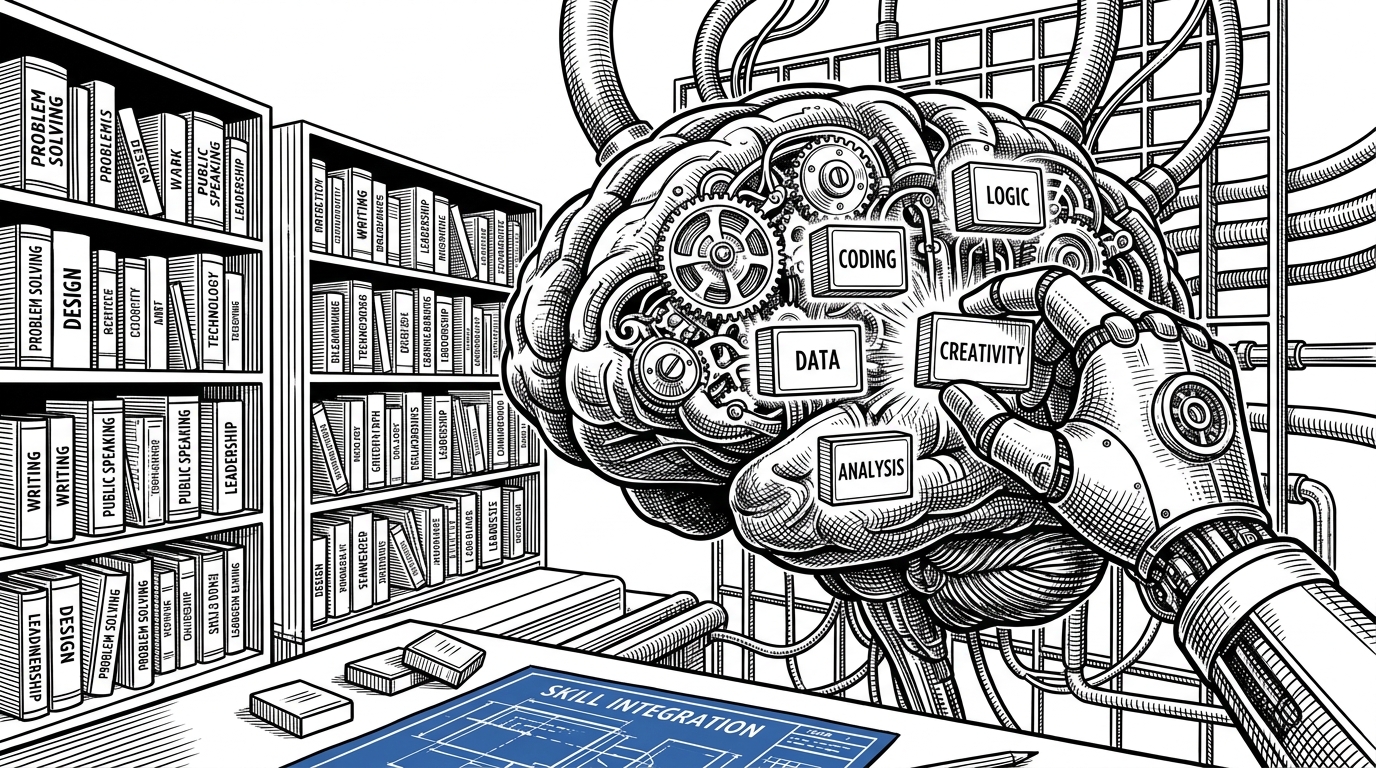

It is designed to help coding agents start from the right builder workflow, then pull the narrow Gear and Sails knowledge they need without depending on sibling repos or machine-local notes.
- The vara-skills framework replaces standard documentation with machine-readable instructions injected directly into an AI agent's context window.
- A planning-first constraint prevents agents from writing code until they generate a verified specification and task plan.
- Intent-based routing through a central skill file prevents context bloat by directing agents to specific protocol modules.
- Automated scripts translate raw compiler errors into structured JSON to create a deterministic feedback loop for autonomous troubleshooting.
The End of the Cowboy Coder Agent
The era of pointing a general-purpose AI at a codebase and hoping for the best is ending. When dealing with specialized environments like the Gear Protocol, generalist LLMs hallucinate. They confidently invent APIs, ignore execution constraints, and produce code that fails to compile.
The Gear Foundation built vara-skills to solve this exact problem. It is not a software library. It is an instructional framework designed specifically to be injected into the context windows of agents like Claude Code or Codex.
The repository forbids the AI from coding until it has generated a machine-readable specification and task plan. This planning-first constraint forces the agent to think before it types.
Routing Intent, Not Keywords
Traditional documentation relies on human search. This new paradigm relies on intent-based routing. The repository is structured around a central SKILL.md file that acts as a traffic cop for the AI.
Instead of loading an entire repository into its context window, the agent navigates a decision tree. If a user asks to rework architecture, the router securely funnels the agent into the sails-architecture module. This prevents context bloat and keeps the AI focused on the immediate task.
Encoding the Physics of the Chain
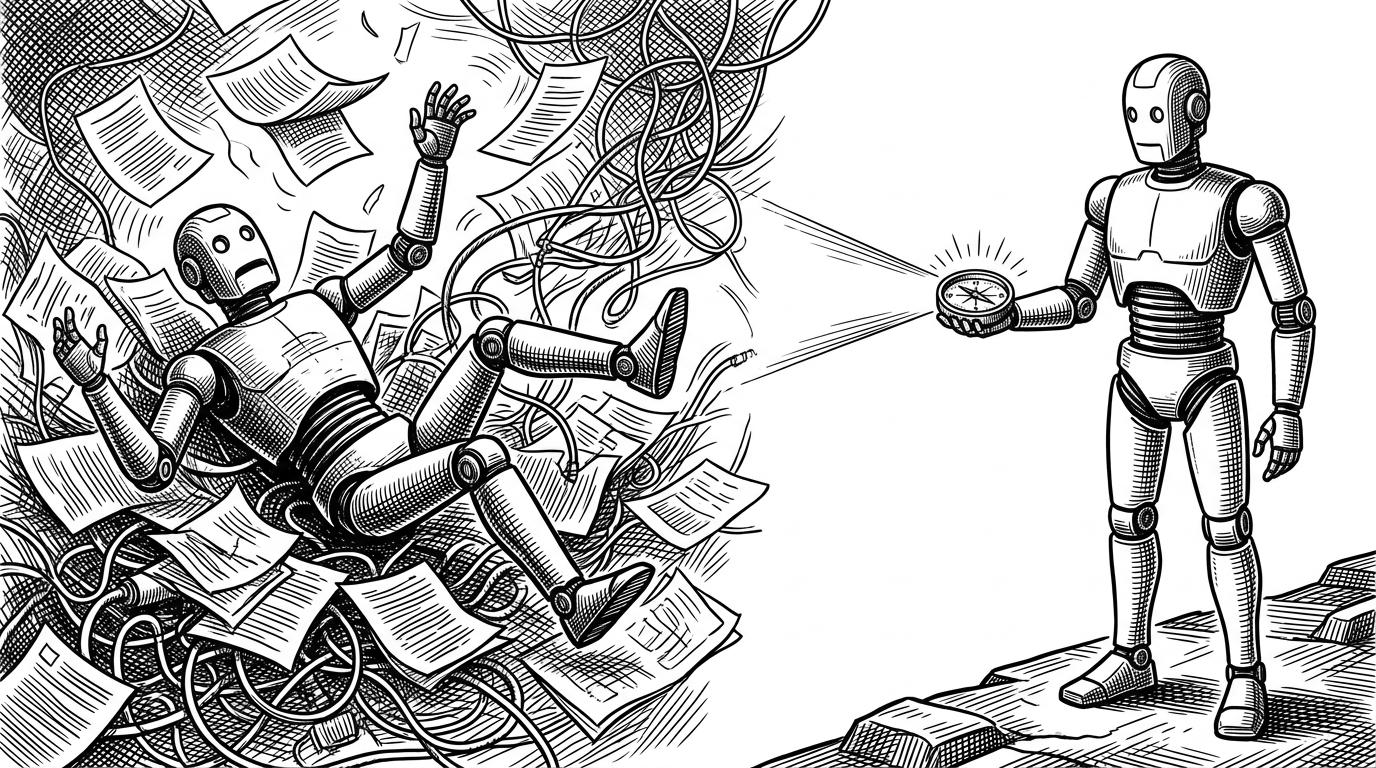
Smart contract development on the Gear Protocol differs fundamentally from the Ethereum Virtual Machine. State changes in Gear only commit if execution finishes without panicking. Generalist models do not inherently know this.
The references/ directory acts as the physics engine for the AI. It explains Gear-specific concepts like gas reservations and delayed messages, ensuring the agent respects the platform's execution model.
| Concept | Generic LLM Assumption | Gear/Sails Reality |
|---|---|---|
| Recurring Tasks | External cron jobs or keepers | Delayed self-messages |
| State Commits | Line-by-line execution | Block-based with panic rollbacks |
| Gas Management | Paid by external caller | Dynamic gas reservations for async callbacks |
Closing the Loop with Structured Feedback
The most fragile part of AI-assisted coding is the feedback loop. When a test fails, compiling the terminal noise into actionable insight is difficult for a machine.
The repository uses Python scripts to translate raw compiler errors into structured JSON. This gives the agent a deterministic Red-Green testing loop. It reads the exact failure, consults the skill pack, and corrects the implementation without human intervention.
The current public catalog is provisional and is expected to change as the eval suite identifies which candidate skills actually create uplift.
Every niche protocol will eventually need to ship a skills folder instead of a GitBook. The shift from human-readable tutorials to machine-executable skill packs marks the next phase of developer experience.