anthropics/skills: The Tiny Spec That Turns Claude Into a Specialist
How a folder, a SKILL.md, and disciplined scripts let Anthropic ship on-demand expertise without flooding the context window.
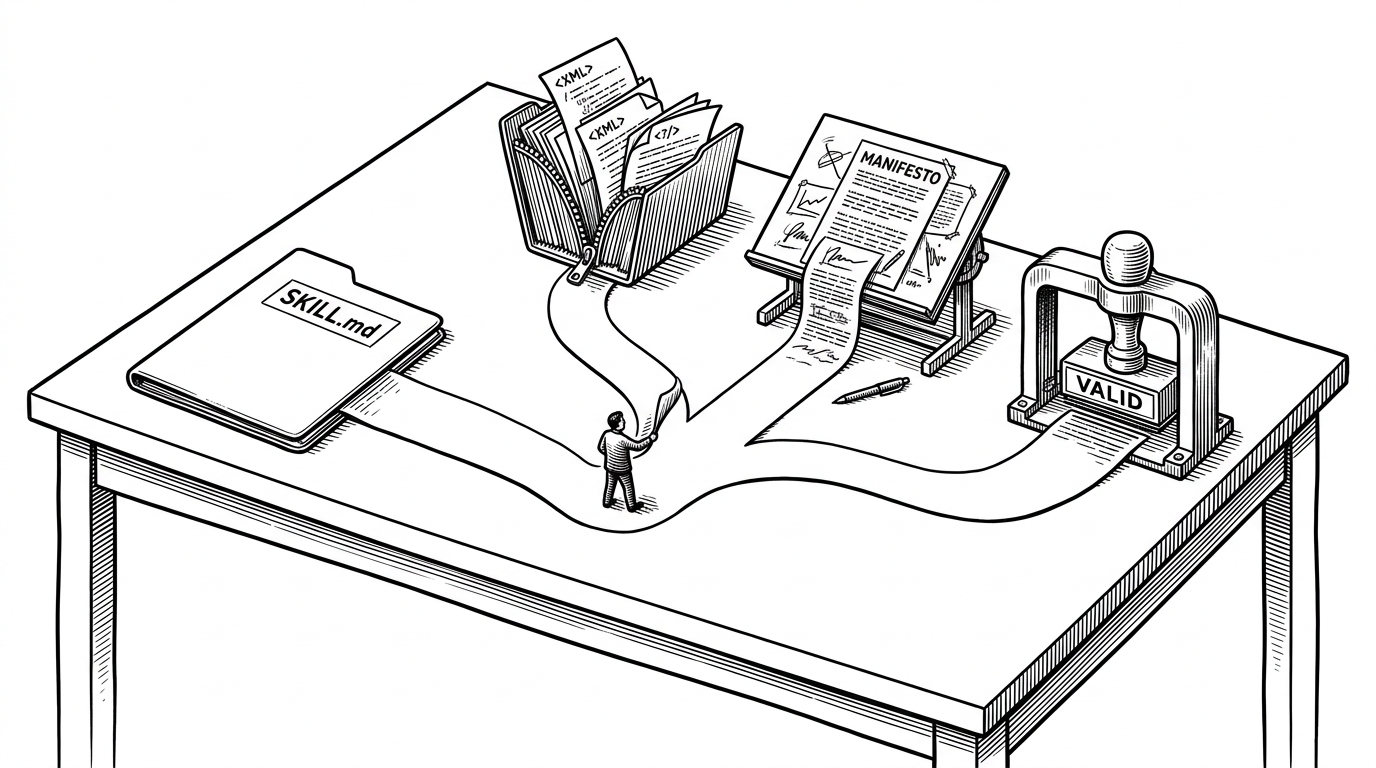
- skills is a packaging format for expertise, not just a prompt folder.
- Progressive disclosure is the real breakthrough because it keeps context lean until a task becomes relevant.
- The docx pipeline proves the repo is production infrastructure, not prompt theater.
- The standard matters because it sits between tool access and full agent behavior.
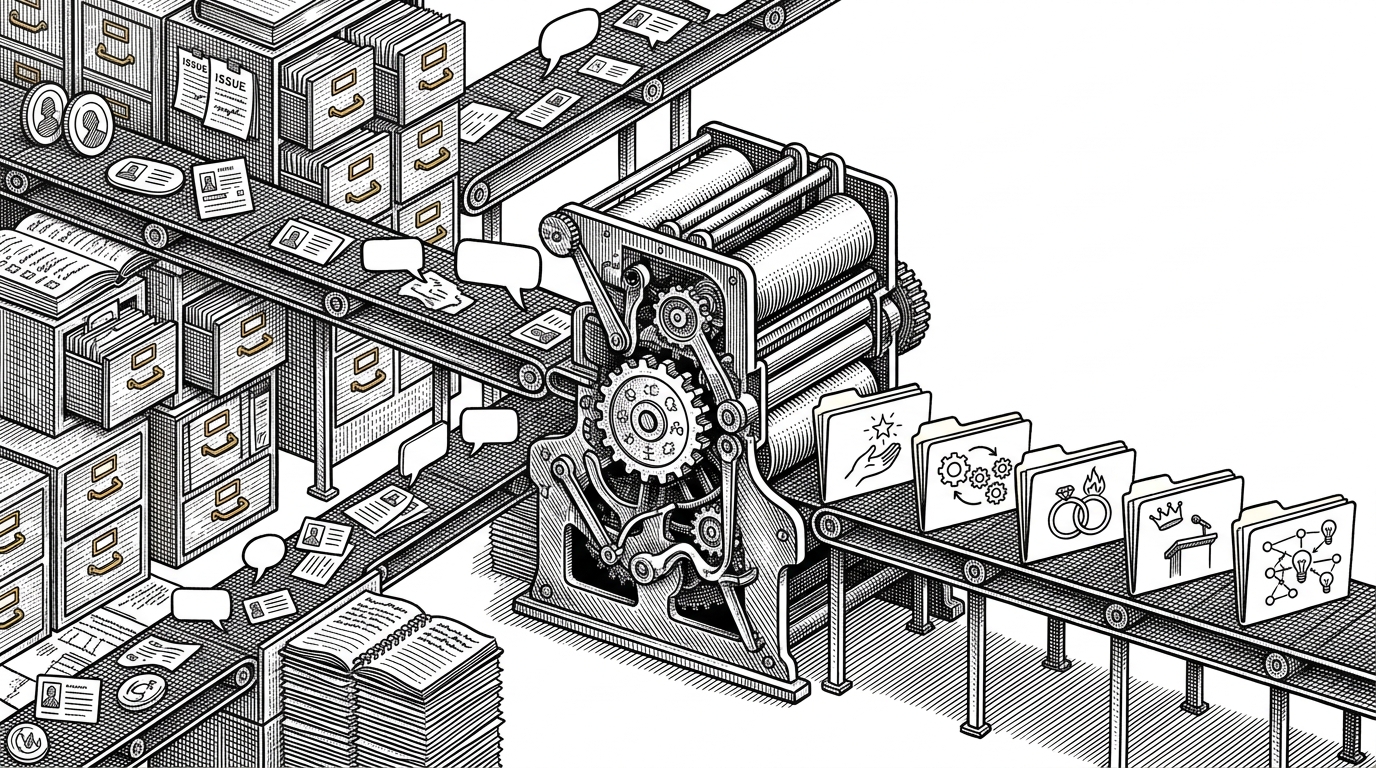
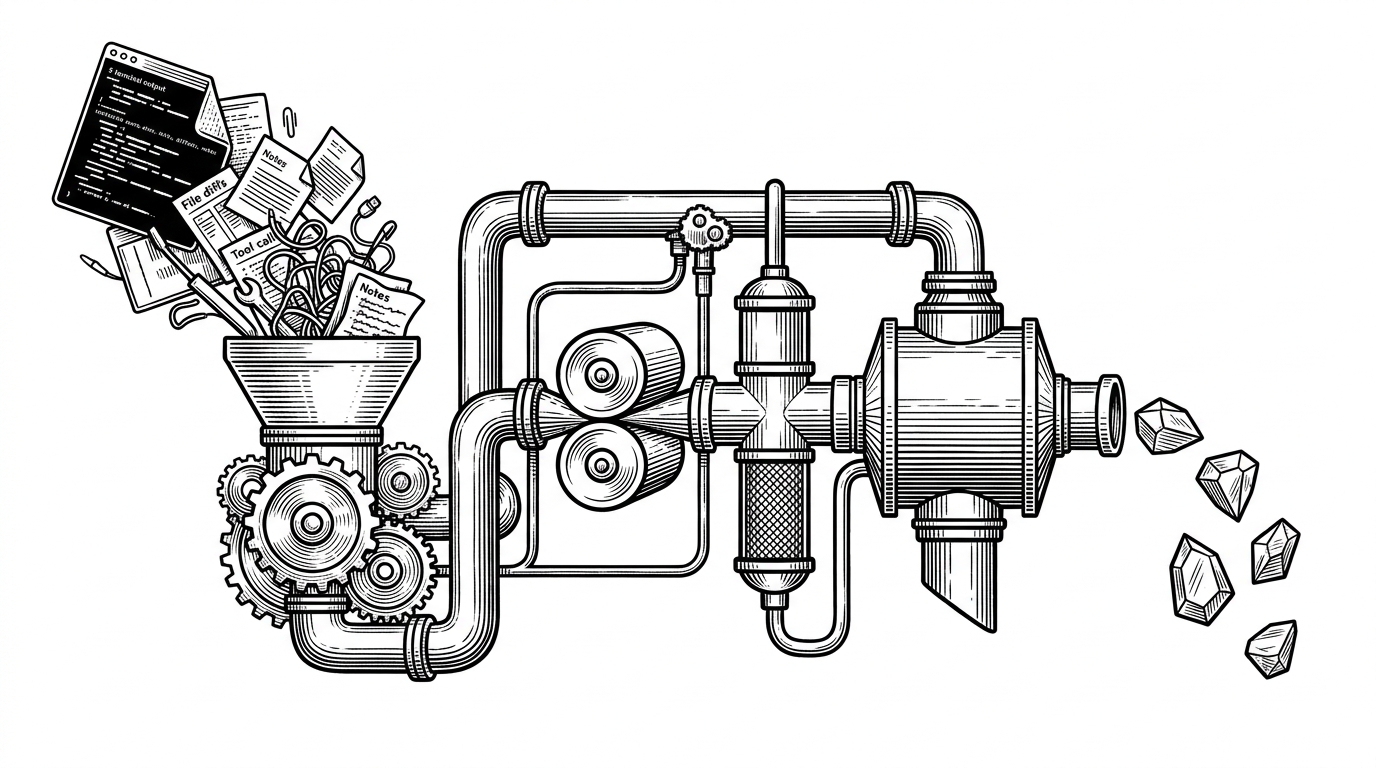
Most agent systems fail the same way: they either load too much and drown in context, or load too little and improvise badly. anthropics/skills is interesting because it refuses that tradeoff. It gives Claude just enough metadata to decide what matters, then loads the full procedural stack only when the task calls for it.
The trick is not more context. It is better loading
That is the real idea in this repo. A skill starts as a small declaration, usually a folder with a SKILL.md file, and only becomes “real” to the model when relevance is established. The gain is not simply elegance. It is that a general-purpose agent can behave like a specialist without carrying every specialization in its active prompt.
deliciously tiny specification,
SKILL.md is the smallest useful unit of capability
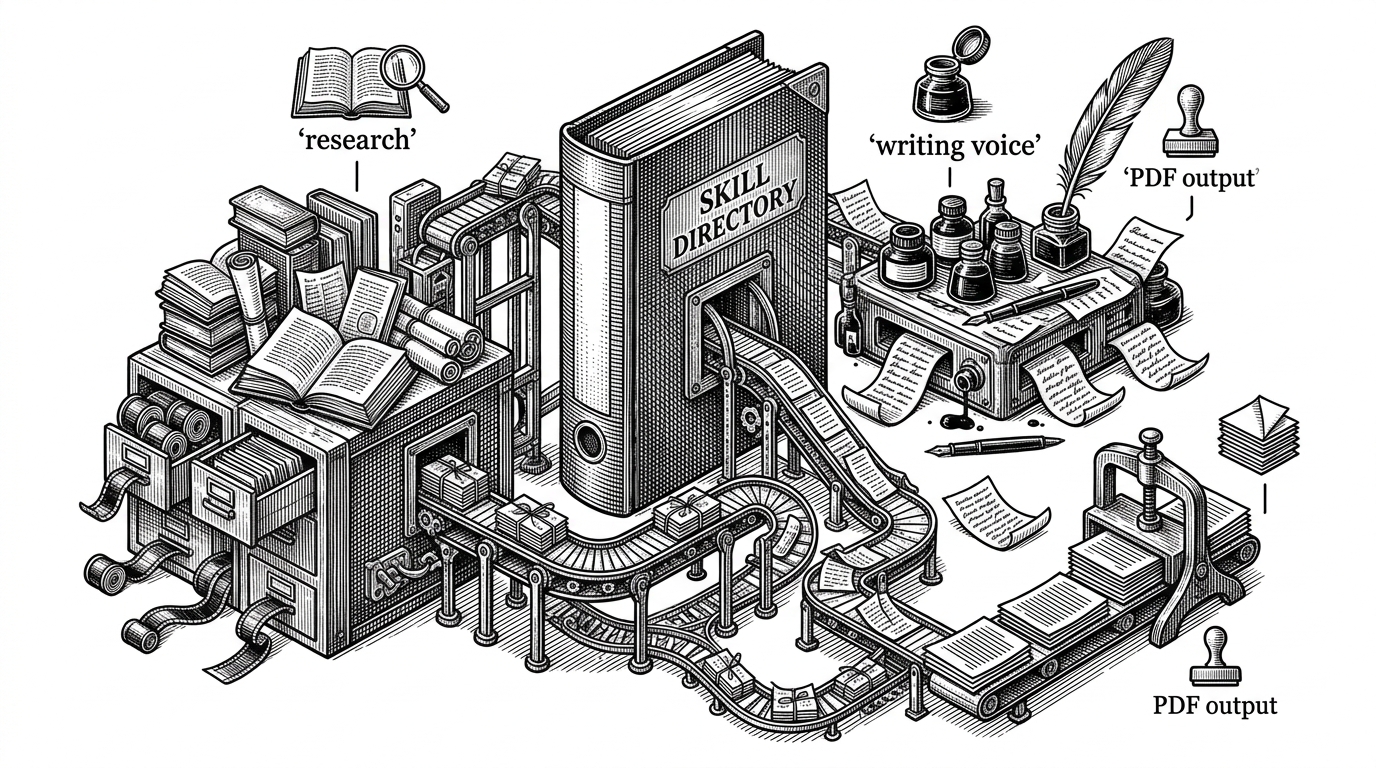
The format is almost aggressively simple. A skill is a directory, a metadata layer, and then a markdown instruction file that can point to scripts and resources. That simplicity matters because it lowers the cost of authoring skills and lowers the cost of adoption for tool makers. There is no runtime to ship, no server to stand up, and no framework tax to pay.
The design also forces discipline. A skill is not a giant blob of instructions competing for attention with every other project rule. It is a modular contract: here is what this capability does, here is when to use it, and here are the files or scripts that make it reliable.
The document stack is where the repo proves itself
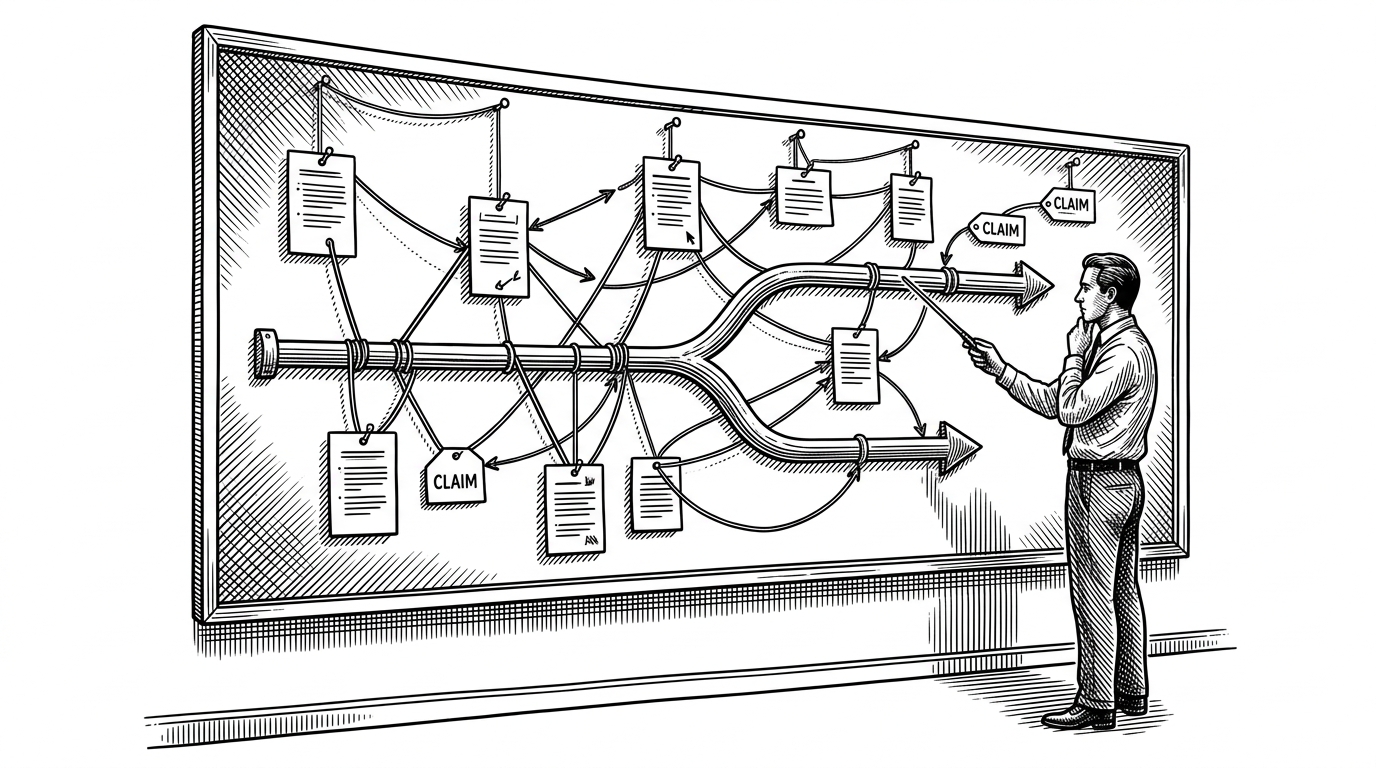
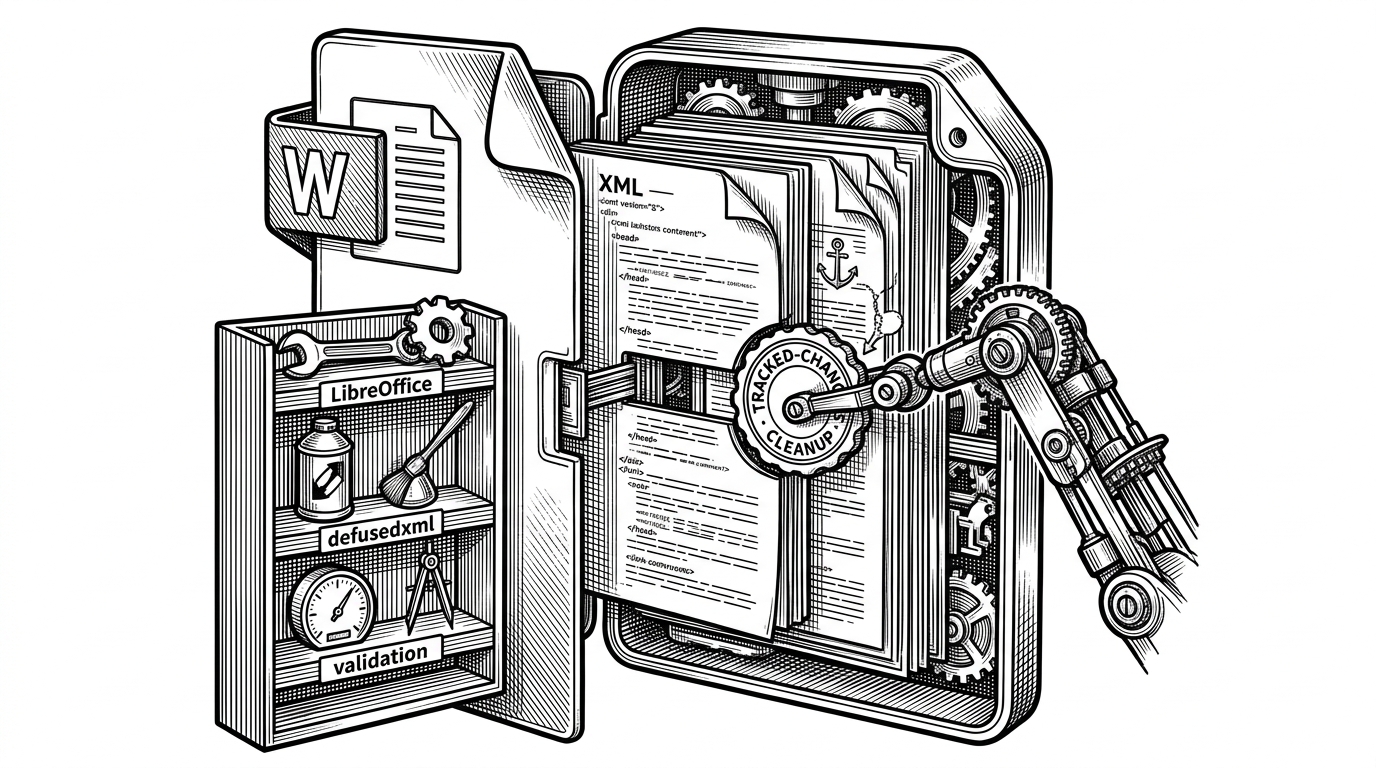
The strongest evidence that this is real infrastructure lives in the document skills, especially docx. This repo treats a Word file as a structured system, not a blob. It unpacks OOXML, edits XML safely, manages comments and tracked changes, validates the result, and repacks the archive so the output still opens cleanly in the real world.
SKILL.md
├── metadata: name, description
├── instructions: when and how to use the skill
├── scripts/
│   ├── unpack OOXML
│   ├── edit XML safely
│   ├── accept tracked changes
│   └── validate output
└── resources/
└── supporting files used only when the skill is activated| Layer | What it solves | What gets loaded first | Strength | Weakness | Best use case |
|---|---|---|---|---|---|
| Agent Skills | How the agent should work | Metadata only | Modular procedural knowledge | Depends on good skill design | Specialized workflows |
| MCP | What the agent can access | Server and tool schema | Structured external access | Does not teach process | Tool and data integration |
| Bound tools or plugins | Point solutions for one task | Everything upfront | Direct and explicit | Scales poorly in context | Small fixed workflows |
| Project instruction files | Local conventions and norms | One large blob | Easy to discover | No modular loading | Single-project guidance |
The creative skills show the other side of the same idea
The repo is not only about document automation. Skills like algorithmic-art show a different pattern: first establish intent, then generate. That extra philosophical step is the interesting move. It tries to make the model commit to a creative posture before it starts producing code or imagery.
That matters because a lot of LLM outputs fail from vagueness, not from lack of capability. The skill format is trying to make the model behave like a craftsperson with a brief, not a generator with an empty canvas.
Why this is bigger than a repo
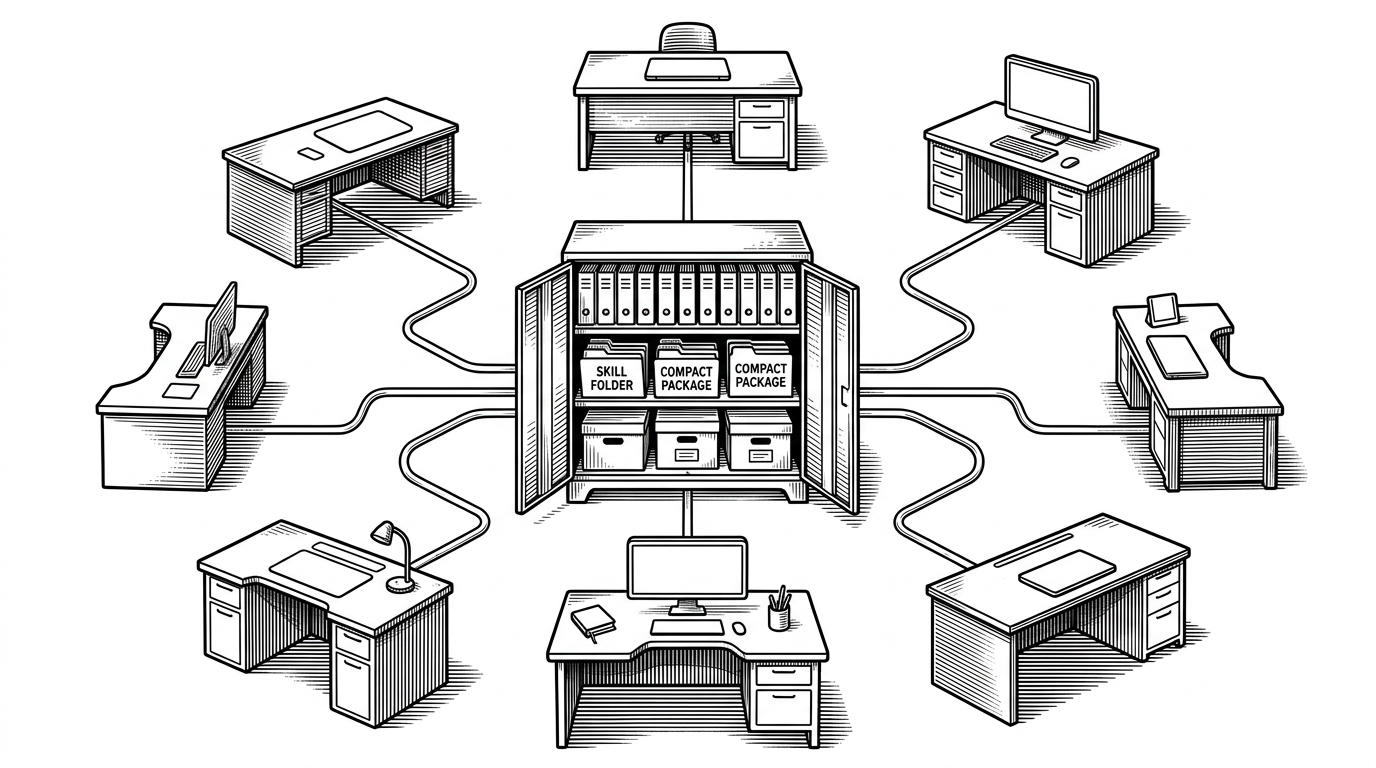
This project is really a portability layer for expertise. A skill written once can move across tools that understand the same spec, which creates a network effect for authors and users. That also explains why the comparison with MCP keeps coming up. MCP is about access. Skills are about procedure.
That distinction is the architecture story. An agent can use MCP to reach a filesystem or a remote service, but still need a skill to know how to work inside that environment. In practice, the two layers fit together. One opens the door. The other teaches the agent how to operate the room.
The tradeoff is power with supply-chain risk
The same portability that makes skills compelling also makes them risky. A skill runs with the permissions of the agent that loads it, so trust becomes part of the product surface. Anthropic’s own guidance is explicit here: install only from trusted sources and audit unfamiliar skills before use.
That is the price of composability. A tiny spec can spread fast because it is easy to implement and easy to share. But once a skill can carry scripts, resources, and external calls, the ecosystem needs better review habits than a markdown file alone can provide.
| Risk | Why it appears | What to check |
|---|---|---|
| Malicious or sloppy skill code | Skills can bundle scripts and network calls | Dependencies, shell commands, and external URLs |
| Context pollution | Bad skills restate obvious knowledge | Whether the skill adds procedural value |
| Unexpected side effects | Skills may write files or modify documents | Filesystem scope and validation steps |