awesome-persona-distill-skills: `awesome-persona-skills`: The Open-Source Machine That Turns Human Traces into Agent Skills
A curated list, submission workflow, and validation pipeline that treats persona extraction as a repeatable engineering problem, not a pile of prompts.
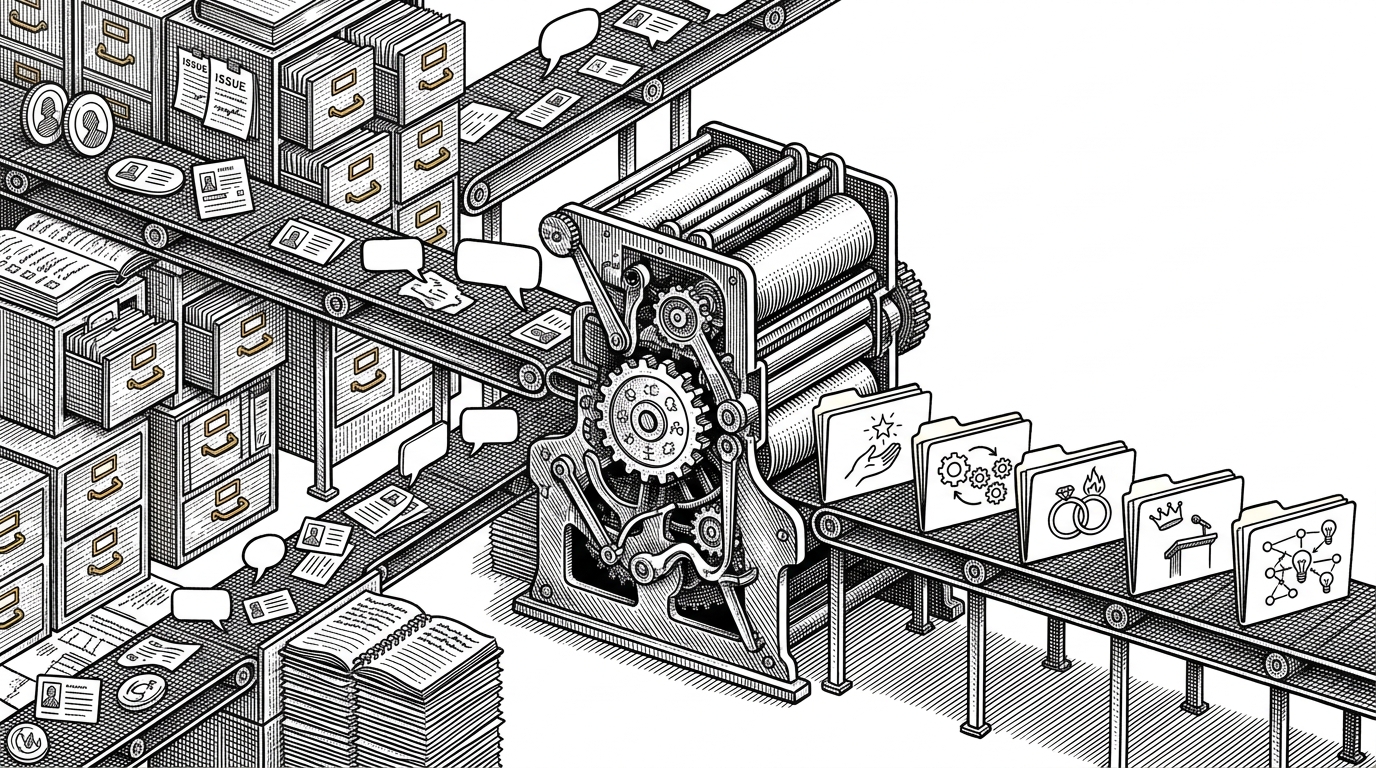
- This repository turns persona curation into a controlled submission pipeline, so the maintainer edits policy more than individual rows.
- Its real thesis is that human traces can be organized as reusable agent skills without losing editorial discipline.
- The bilingual README sync and automated sorting treat consistency as a build constraint, not a promise.
- The project is compelling because it sits between useful memory systems and the uncomfortable simulation of people.
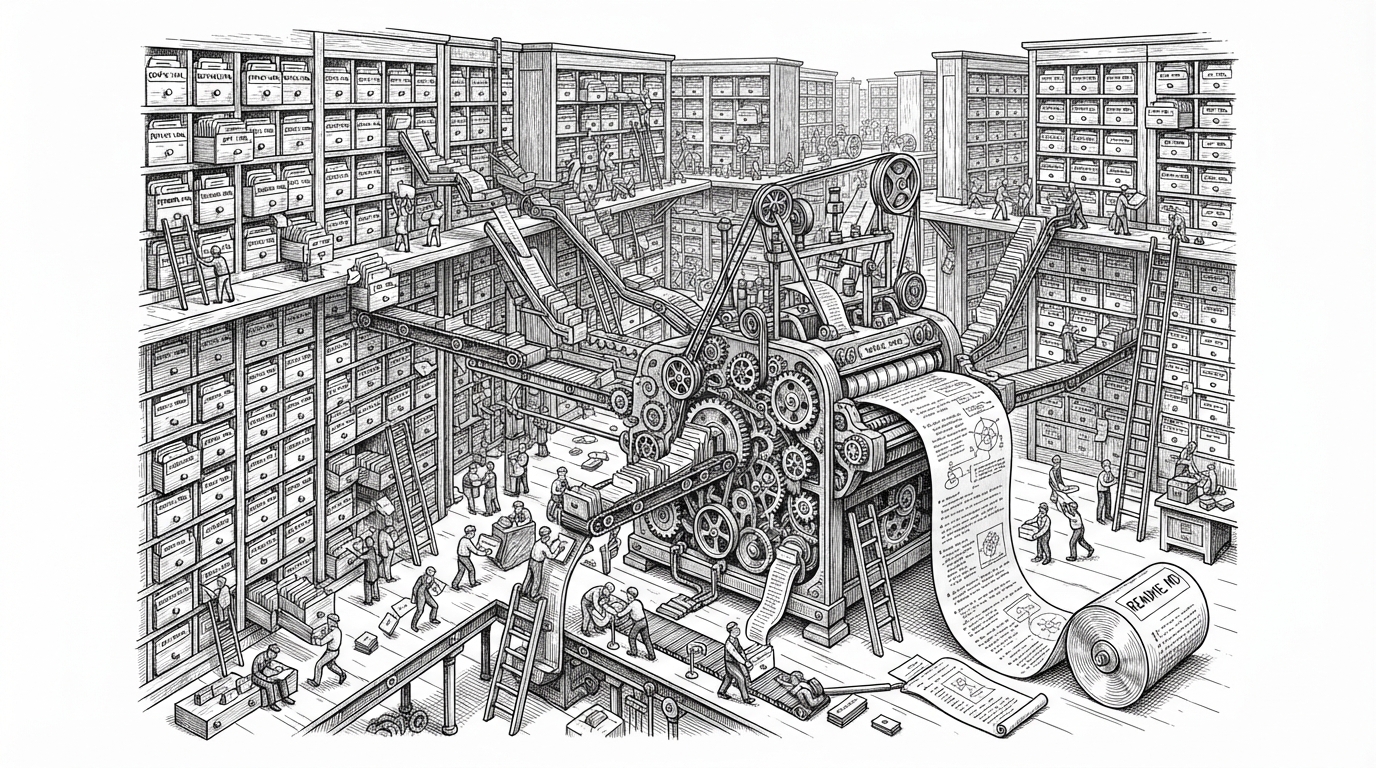
Most awesome lists are glorified bookmarks. This one behaves more like a small publishing system. A submission enters through an issue form, approved entries become a PR, and the READMEs stay aligned by automation rather than goodwill.
The list that behaves like a product pipeline
That is the surprise. The repository is not only cataloging persona skills, it is enforcing how they get admitted, ordered, and mirrored across languages. In the background, scripts parse submission bodies, map them to categories, and rebuild sections in alphabetical order by repo slug.
Persona distillation is the real taxonomy
万物皆可 skill,人生处处是蒸馏。
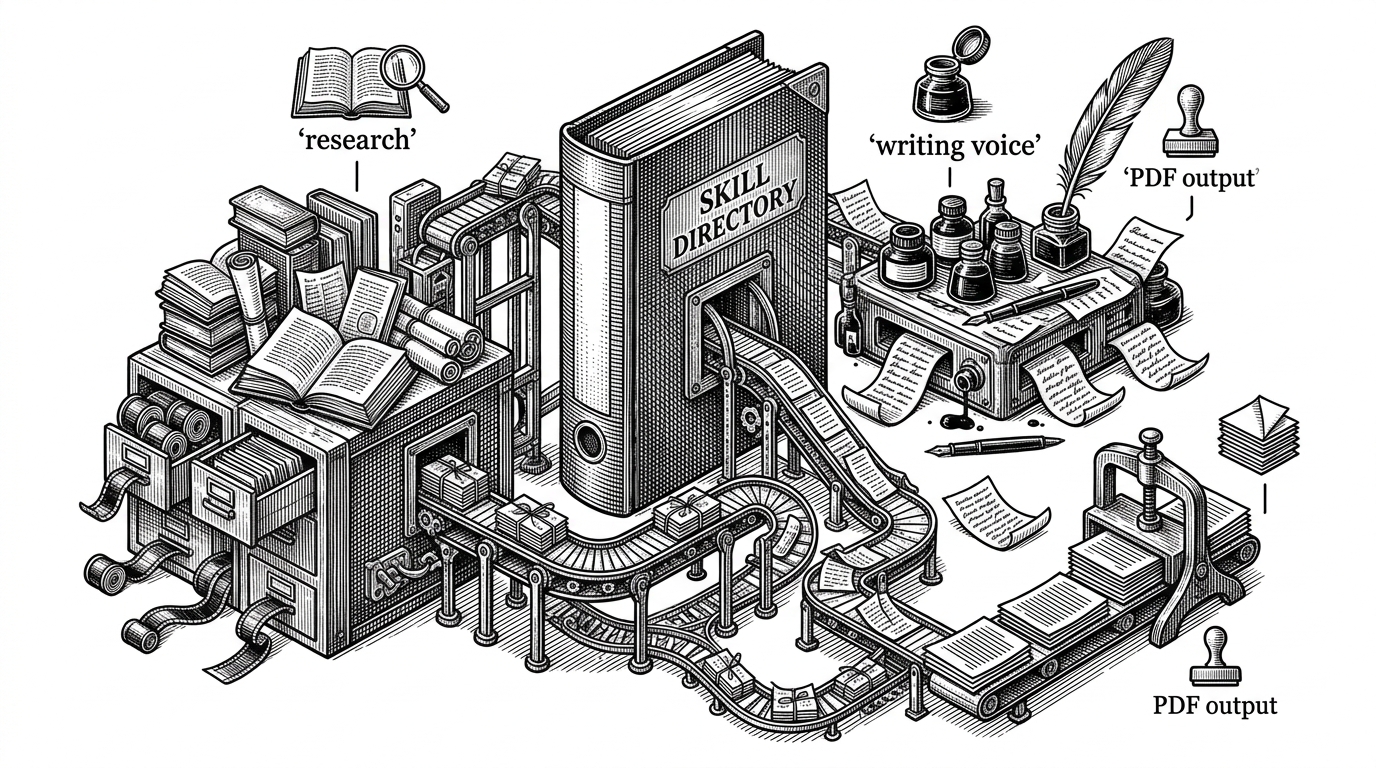
The organizing idea is not generic AI capability. It is persona distillation: self skills, boss skills, ex-partner skills, family memory, public figures, and methodological operating systems. The taxonomy makes a sharp claim that source material matters as much as the model.
That is why the list feels more opinionated than a normal skills directory. It is not trying to be exhaustive. It is trying to define what counts as a valid input to an agent identity.
How the automation keeps the list editorial, not chaotic
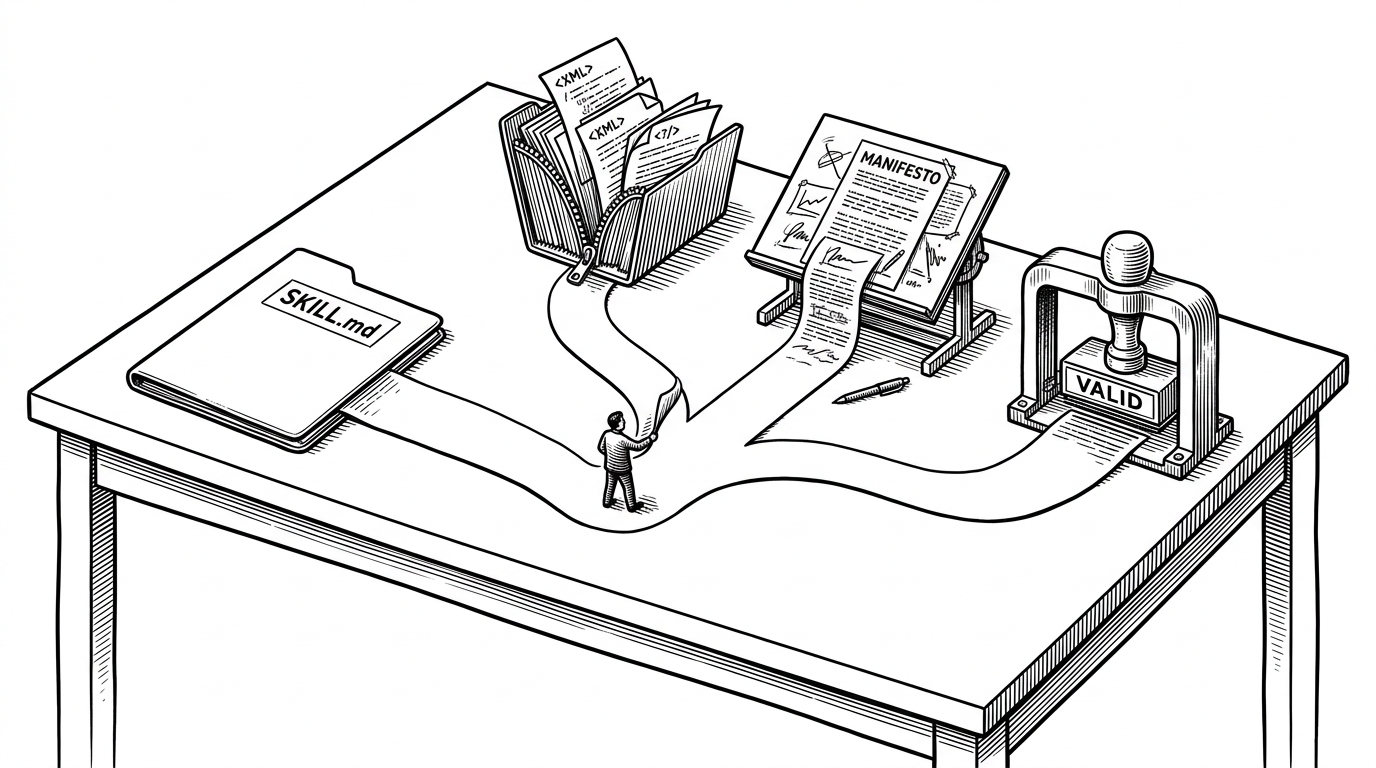
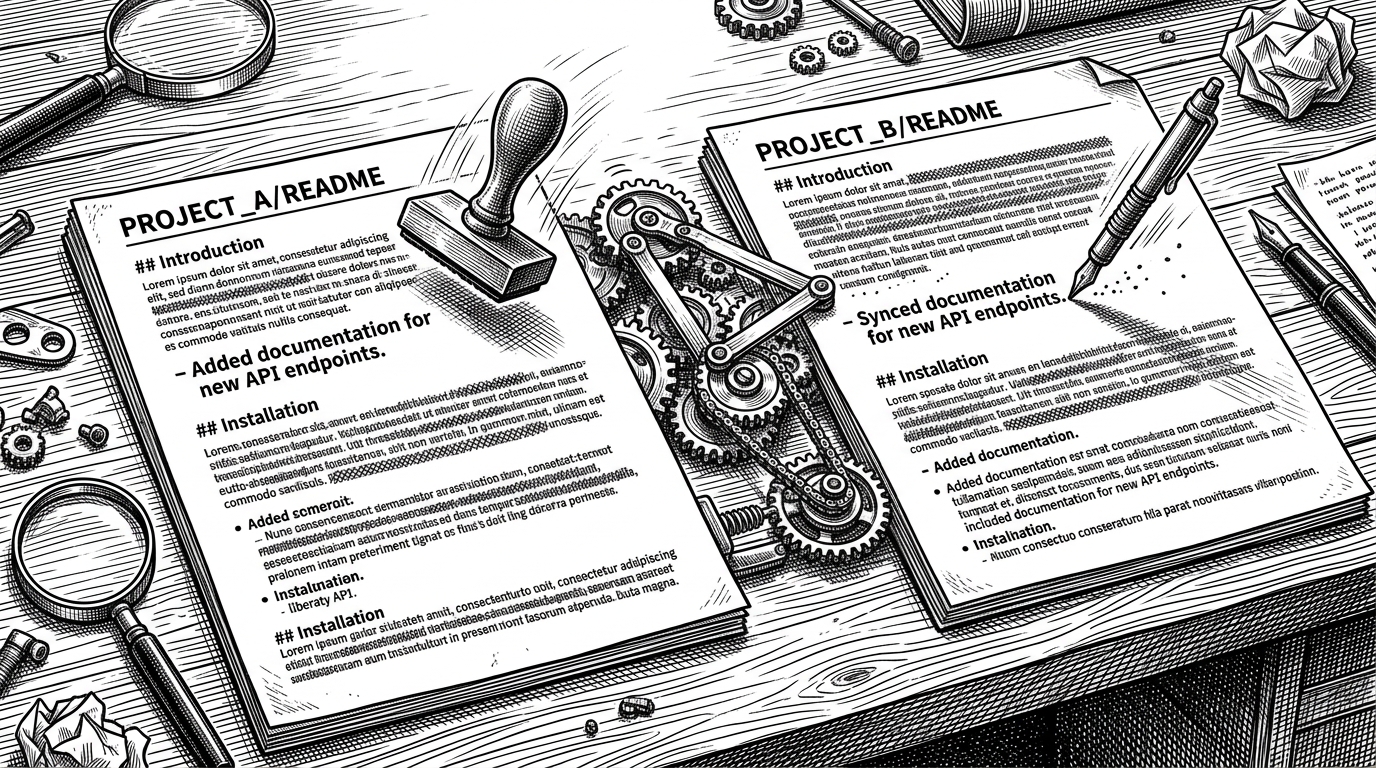
The heart of the repo is the submission automation script. It reads structured issue text, identifies the category, rebuilds the target section, and writes both language versions in sync. The result is a list that can accept community input without losing editorial shape.
// Conceptual flow from the repo's automation layer
const submission = parseSubmissionIssueBody(issueBody);
const category = CATEGORY_DEFINITIONS[submission.category];
const section = rebuildSection(existingEntries, submission);
const updatedReadme = updateReadmeSection(readme, category, section);
const updatedEnglish = updateReadmeSection(readmeEn, category, section);
validateRepositoryContent(updatedReadme, updatedEnglish);
Two choices matter. First, sorting is strict and mechanical, which prevents popularity from becoming placement. Second, parity checks make the English and Chinese READMEs behave like one document split across two files.
| Generic skill directory | This repo |
|---|---|
| Collects tools by breadth and trend | Collects persona skills around a single thesis |
| Relies on manual PR discipline | Automates submission, insertion, and synchronization |
| Lets curation drift over time | Fails fast when the bilingual copies diverge |
| Treats source material as optional | Treats source material as the whole point |
Why this beats a generic skills directory
Compared with broad agent-skill collections or runtime platforms, this repo is narrower and stronger. It is not trying to run agents. It is deciding what a persona skill even is, then enforcing that definition at the repository level.
That makes it closer to editorial infrastructure than a link farm. The content is opinionated, but the workflow is what gives the opinion teeth.
将冰冷的离别化为温暖的 Skill
That line captures the project’s edge and its risk. It offers a system for preserving voice, habits, and memory. It also asks how far a repo should go when it begins cataloging people as reusable inputs.
The uncomfortable question
This is where the project stops being cute. Persona skills can be practical, tender, and creative. They can also become reductive, invasive, or flattering in ways that blur consent and authenticity.
The repository does not answer that debate, but it makes the stakes visible. It shows how easily a cultural object can become an automation system, and how quickly an automation system can start shaping identity itself.