openclaw-optimization-guide: The Cure for Agent Dementia: Inside OpenClaw Optimization Guide
How a tiered memory architecture and biological sleep cycles turn stateless chatbots into production-grade autonomous systems for pennies.

Make your OpenClaw AI agent faster, smarter, and cheaper. Speed optimization, memory architecture, context management, model selection, and one-shot development guide.
- The OpenClaw Optimization Guide replaces linear chat logs with claim-based atomic markdown files to prevent context bloat.
- A scheduled 'autoDream' sleep cycle forces agents to consolidate fragmented notes into Maps of Content.
- A preflight memory bridge injects institutional knowledge into sub-agents before they begin coding tasks.
- Tiered model routing slashes API bills by shifting trivial tasks to smaller models while reserving premium models for complex reasoning.
The Context Window Trap
Most developers run AI agents as glorified, stateless chatbots. This leads to two fatal flaws in production. The first is 'Agent Dementia', where the model gets confused as the context window fills up. The second is API bankruptcy. Appending endless conversation logs to the context window inevitably leads to hallucination and massive API bills.
REM Sleep for AI
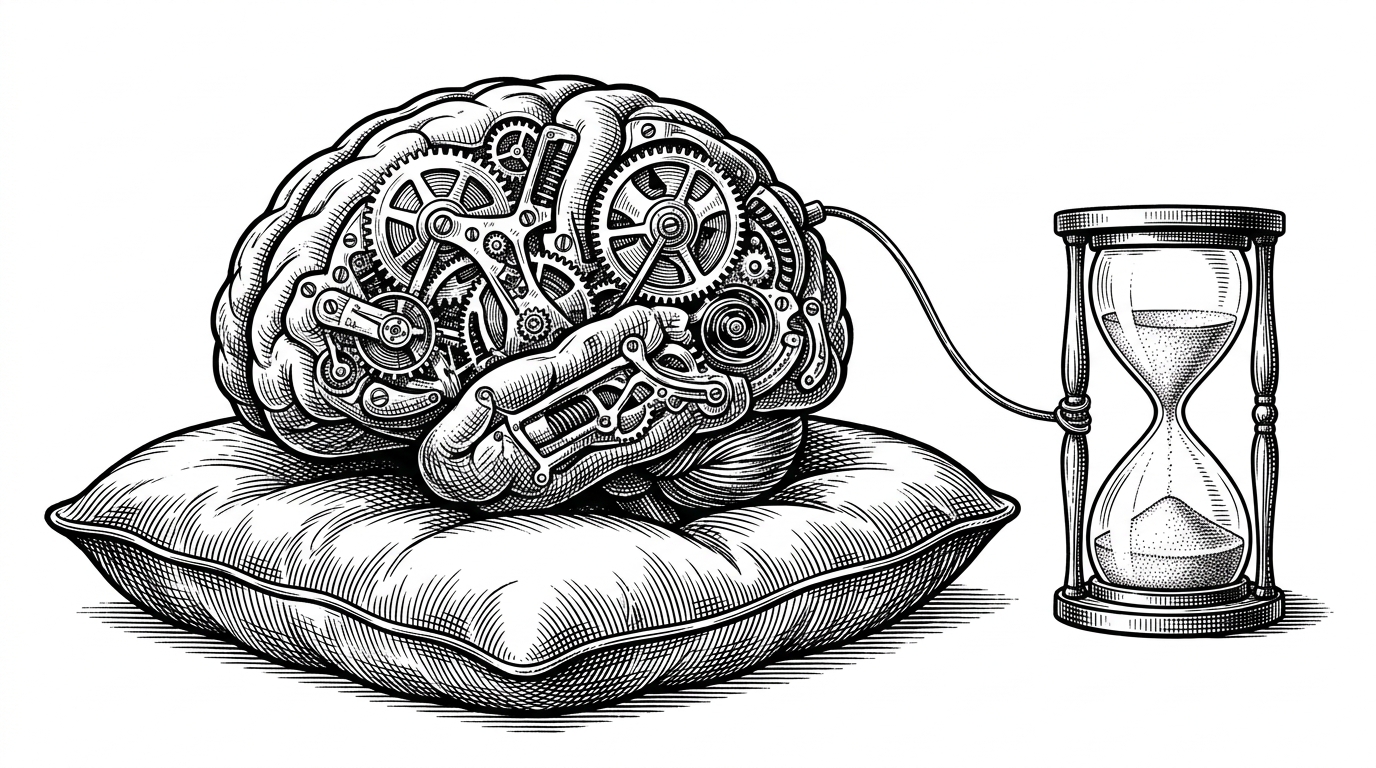
The repository introduces the autoDream pattern. This acts as a biological sleep cycle for agents. It uses a three-gate trigger based on time, session count, and user urgency. When triggered, the system forces the agent to pause, review its fragmented notes, and consolidate them into Maps of Content. This mimics human memory consolidation during REM sleep.
Claim-Based Memory
The system intercepts chat logs, strips untrusted metadata, and uses a fast model to generate atomic, actionable markdown files instead of date-based transcripts. The filename itself becomes the knowledge. This allows the LLM to scan a directory and understand the state of the world just by reading the file tree, significantly saving tokens.
The Amnesiac Sub-Agent Problem
Multi-agent workflows often suffer from amnesiac sub-agents. The Memory Bridge solves this. Before a sub-agent is spawned, a preflight script performs a multi-angle search of the main agent's vault and writes a targeted context file into the working directory. This ensures the sub-agent inherits institutional knowledge without needing the full history of the main session.
The Zero-Dollar Production Stack
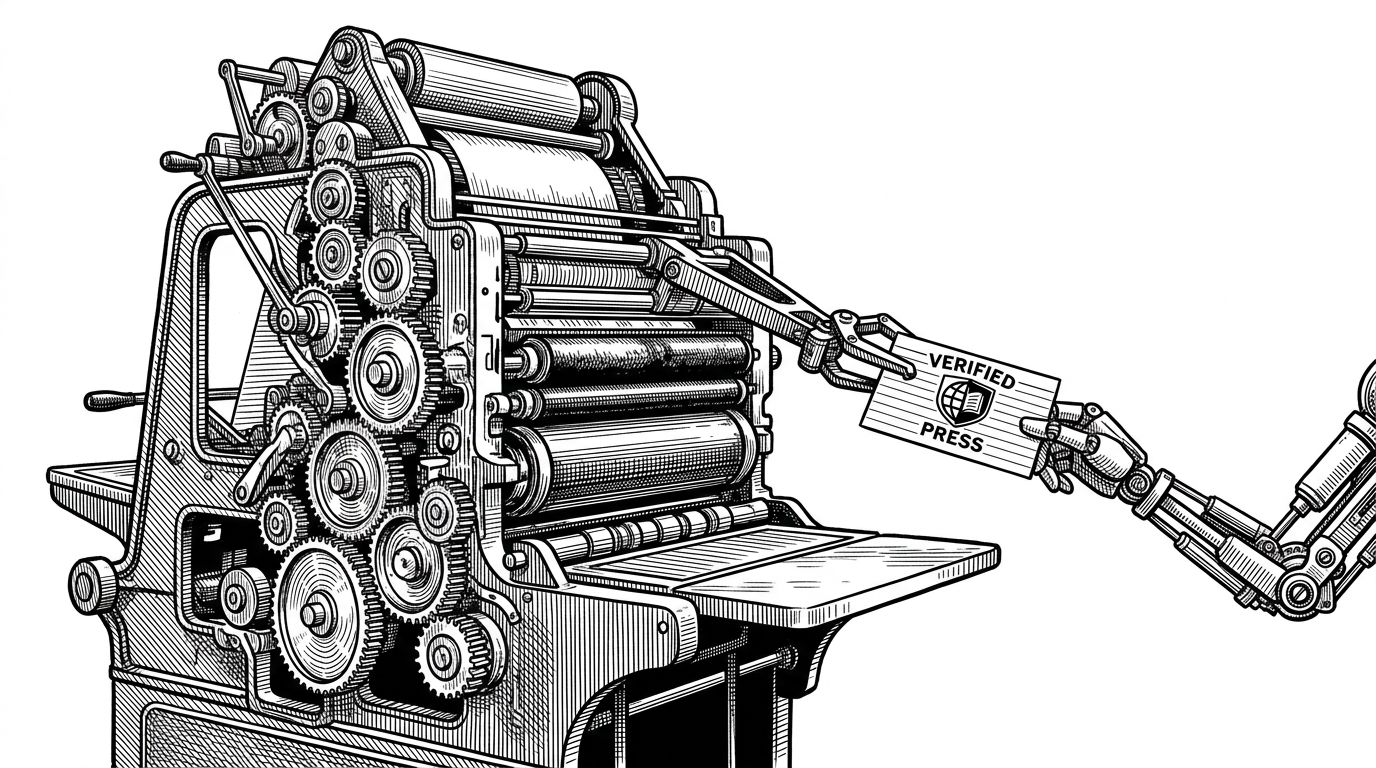
The guide outlines a tiered model routing strategy. Moving trivial tasks to smaller models and local Ollama embeddings reduces API costs drastically while preserving premium models for complex reasoning. This approach permanently drops operational costs.
| Feature | Standard Setup | Optimized Setup |
|---|---|---|
| Memory Strategy | Date-based logs | Claim-based atomic markdown |
| Knowledge Retrieval | Flat Vector Search | Graph RAG with Wiki-links |
| Sub-Agent Context | Blank slate | Preflight Context Injection |
| Cost Profile | Single Premium Model | Tiered Routing |