ExamplePress: The WordPress Meta-Framework That Treats Your Site Like a Fleet, Not a Theme
A router-first, zero-build, self-updating architecture that splits WordPress into Kernel, Foundation, and App layers for teams that need control more than convenience.
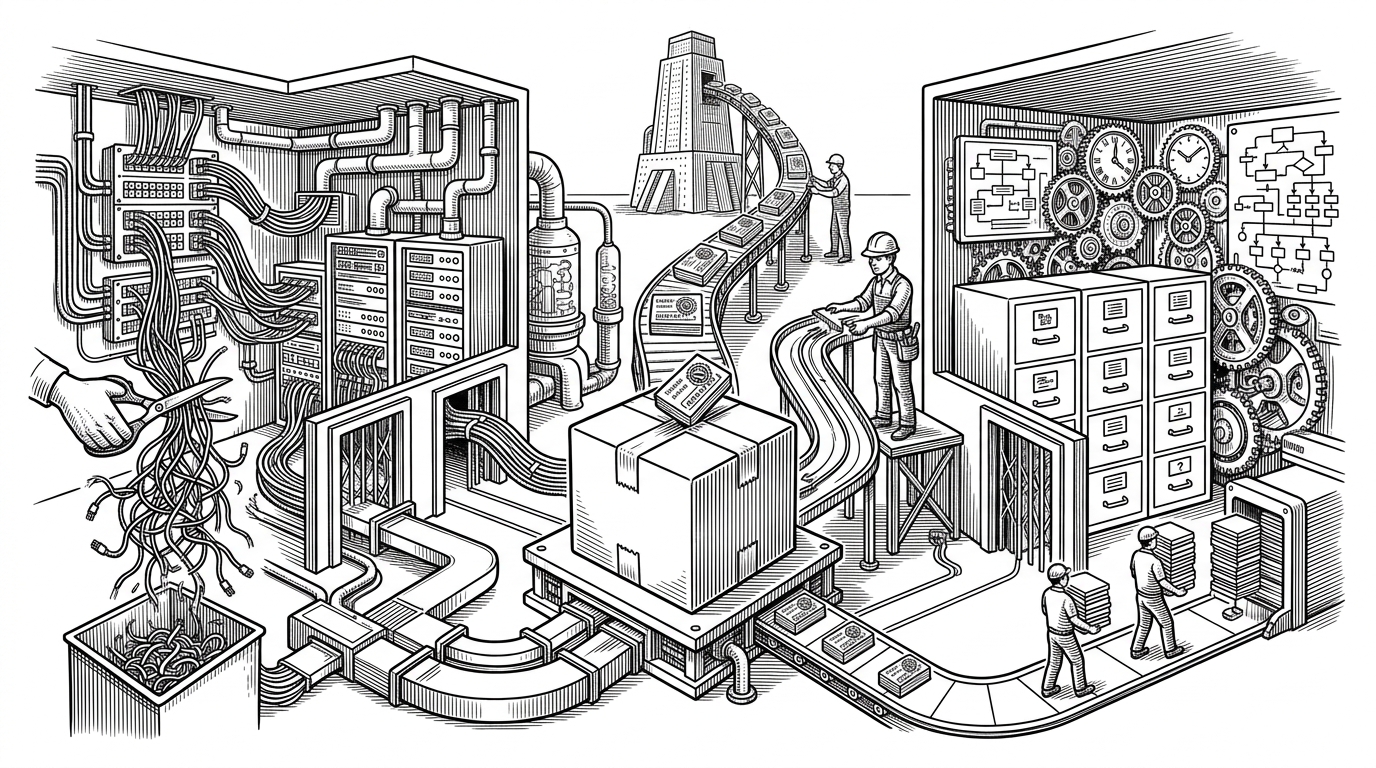
- ExamplePress is interesting because it tries to make WordPress governable, not prettier.
- Its real move is the split between Kernel, Foundation, and App, which separates updates, routing, and business logic.
- The zero-build block approach cuts out much of the front-end tooling tax that WordPress teams have learned to tolerate.
- The project’s strongest comparison is not another theme, but a managed platform with update discipline and explicit routes.
WordPress, but Governed
Most WordPress projects do not fail because WordPress is weak. They fail because the stack turns into a negotiation between theme code, plugin sprawl, and one-off fixes nobody wants to own twice. ExamplePress attacks that drift directly: it tries to turn a site into something you can operate, version, route, and update with intent.
That is the real reversal here. ExamplePress is not chasing the usual WordPress promise of more flexibility. It is narrowing the surface area so teams can build fleets of sites without inheriting child-theme chaos or update anxiety.
The Three-Layer Split: Kernel, Foundation, App
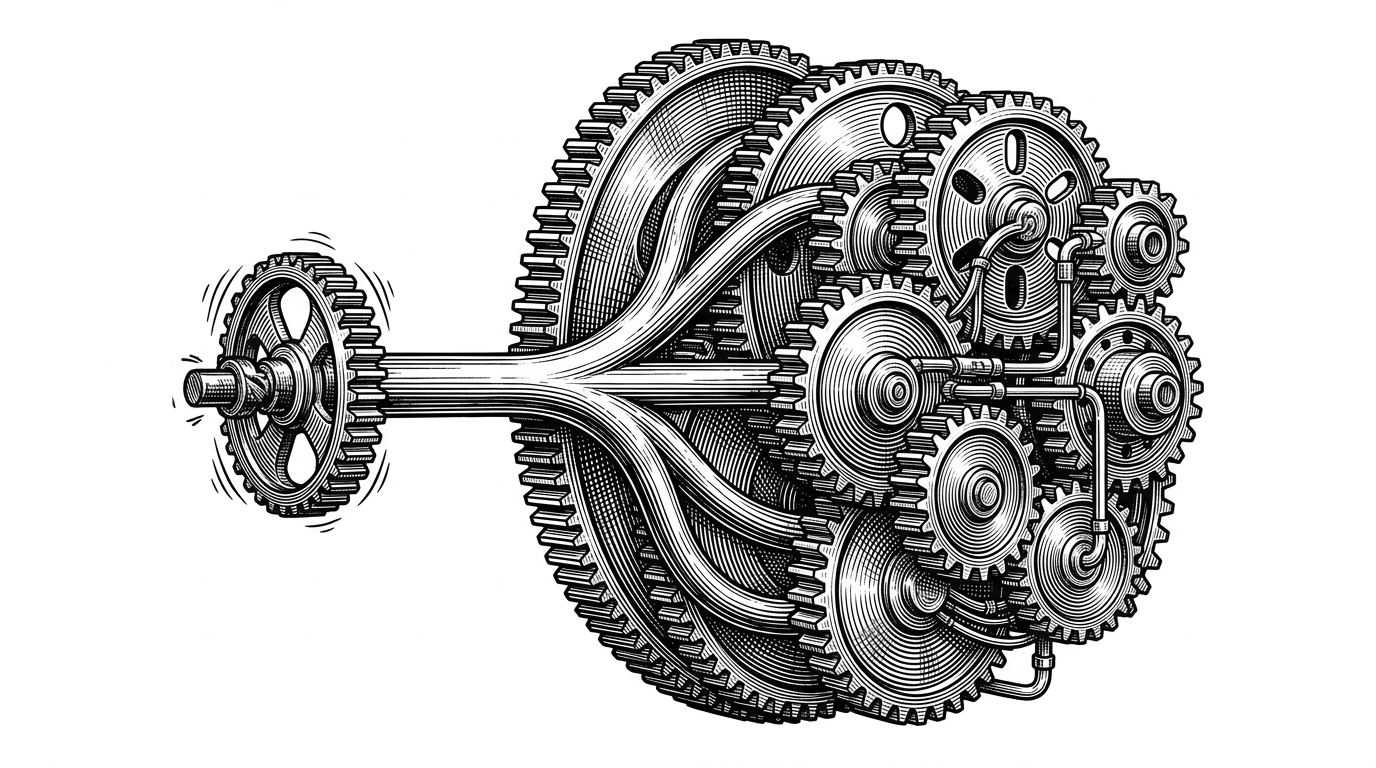
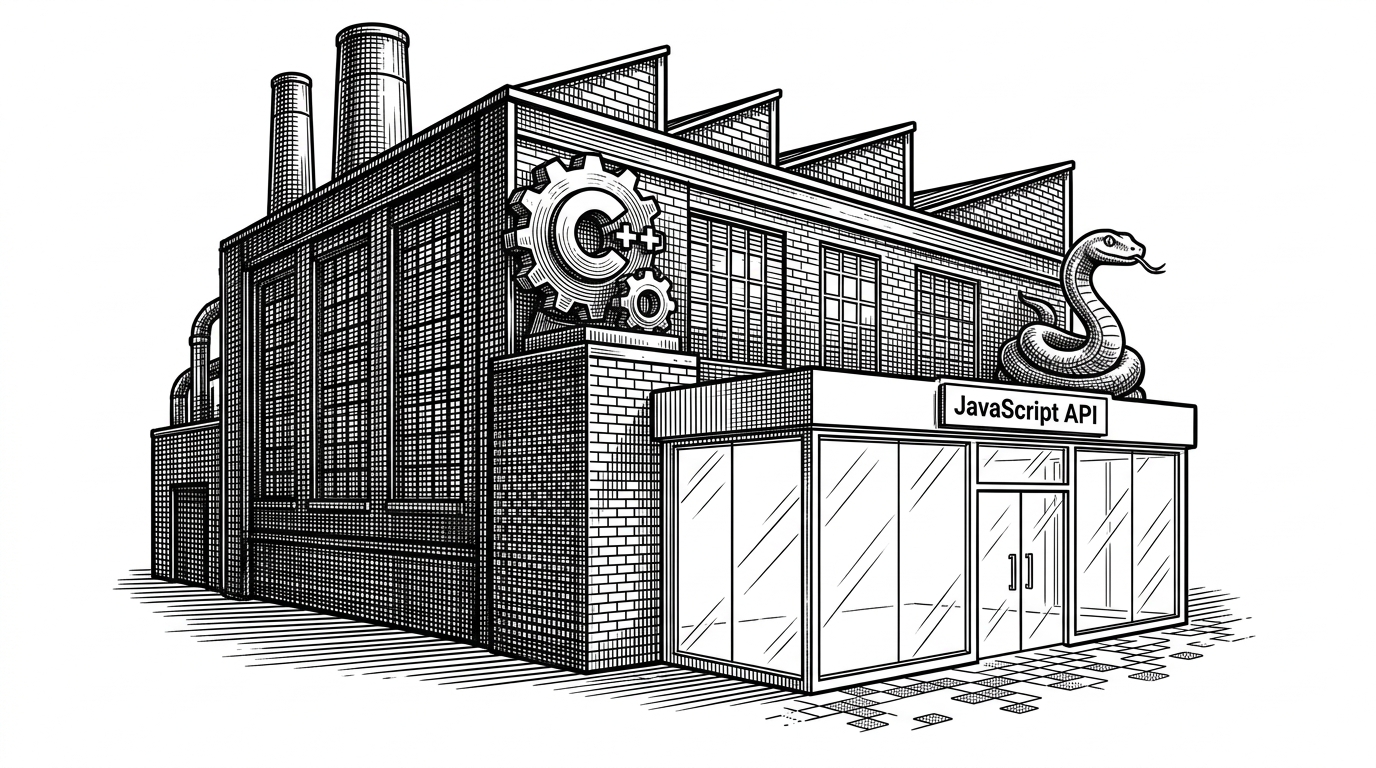
ExamplePress is built around a clean separation of responsibilities. The Kernel, implemented as a must-use plugin, handles bootstrapping and self-updates. The Foundation replaces the usual theme chaos with a router-first layer. The App layer holds project-specific business logic, blocks, and routes.
That split matters because it makes the stack legible. When a route misbehaves, you are not hunting through a theme that also acts like an app server, a component library, and a junk drawer. You know which layer owns the problem.
| Layer | Job | Why it matters |
|---|---|---|
| Kernel | Bootstraps WordPress and manages self-updates | Keeps the platform stable before project code loads |
| Foundation | Owns routing and site behavior | Replaces template hierarchy guesswork with explicit paths |
| App | Holds business logic, blocks, and project routes | Lets site features ship without leaking into the theme |
Why the Kernel Matters More Than the Theme
The most opinionated part of ExamplePress is not visual. It is operational. By making the Kernel a must-use plugin, the project puts its control plane in the earliest possible loading path, then uses that layer to manage Foundation lifecycle with version pinning, integrity checks, and update automation.
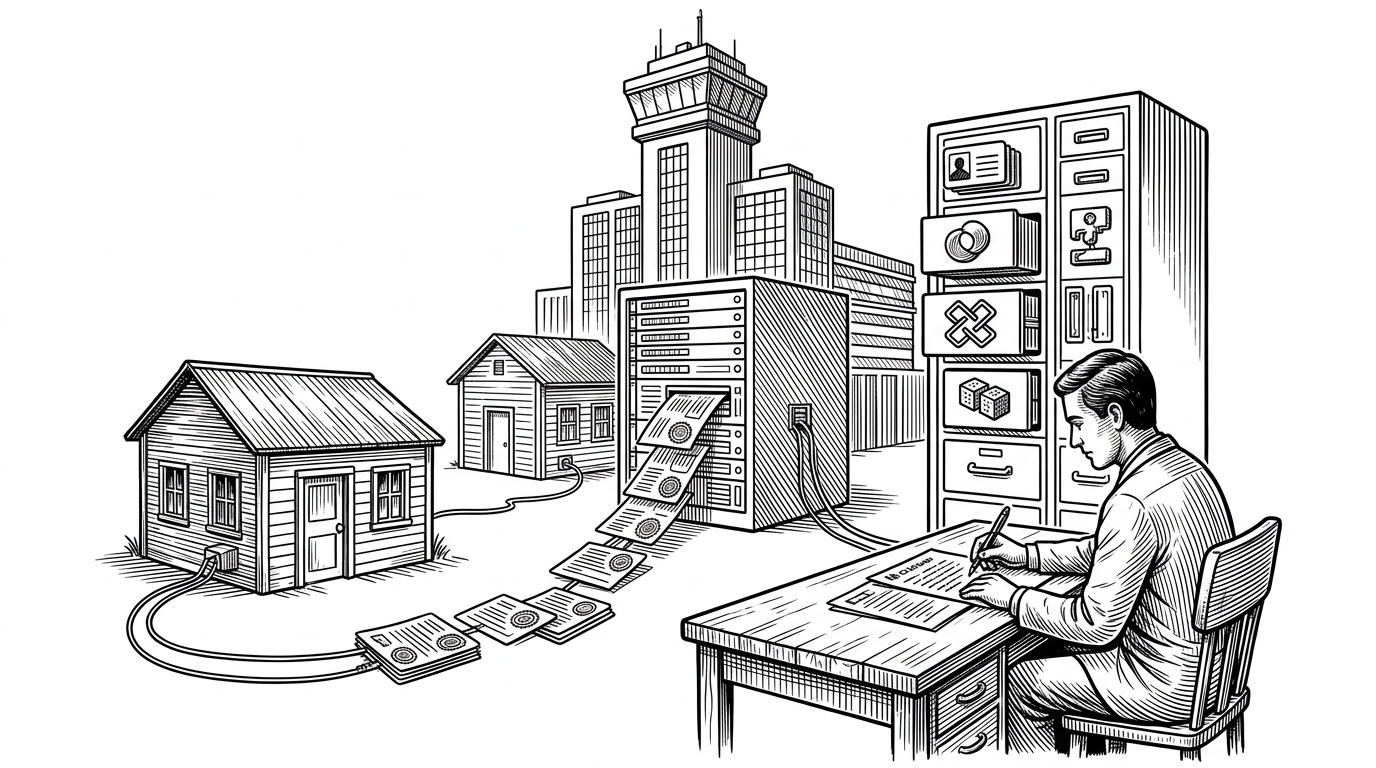
The update story is practical rather than flashy. WP-Cron checks for new releases, GitHub Releases supplies the package, SHA-256 validation gates installation, and the system can reinstall or pin a known good version. That is a much stronger model than hoping a theme update will behave nicely inside a live site.
Operationally, the win is containment. If a project app breaks, the kernel and foundation can stay intact. That is the difference between a site you can reason about and a site that only works when nobody touches it.
The Router-First Foundation
Standard WordPress development often starts with the template hierarchy and works backward from there. ExamplePress reverses that order. The Foundation layer declares routes first, then uses them to decide what the site does, instead of letting page templates quietly accumulate control over behavior.
That shift is easy to miss and hard to overstate. Route clarity improves debugging, but it also changes how teams think. A site stops being a pile of templates that happen to render pages and starts behaving like a defined application with known entry points.
In practice, that means less ambiguity. You do not wonder whether a page is being shaped by an archive template, a page template, a plugin hook, or some custom condition buried in a function file. The router is the source of truth.
Zero-Build Blocks Without the Front-End Tooling Tax
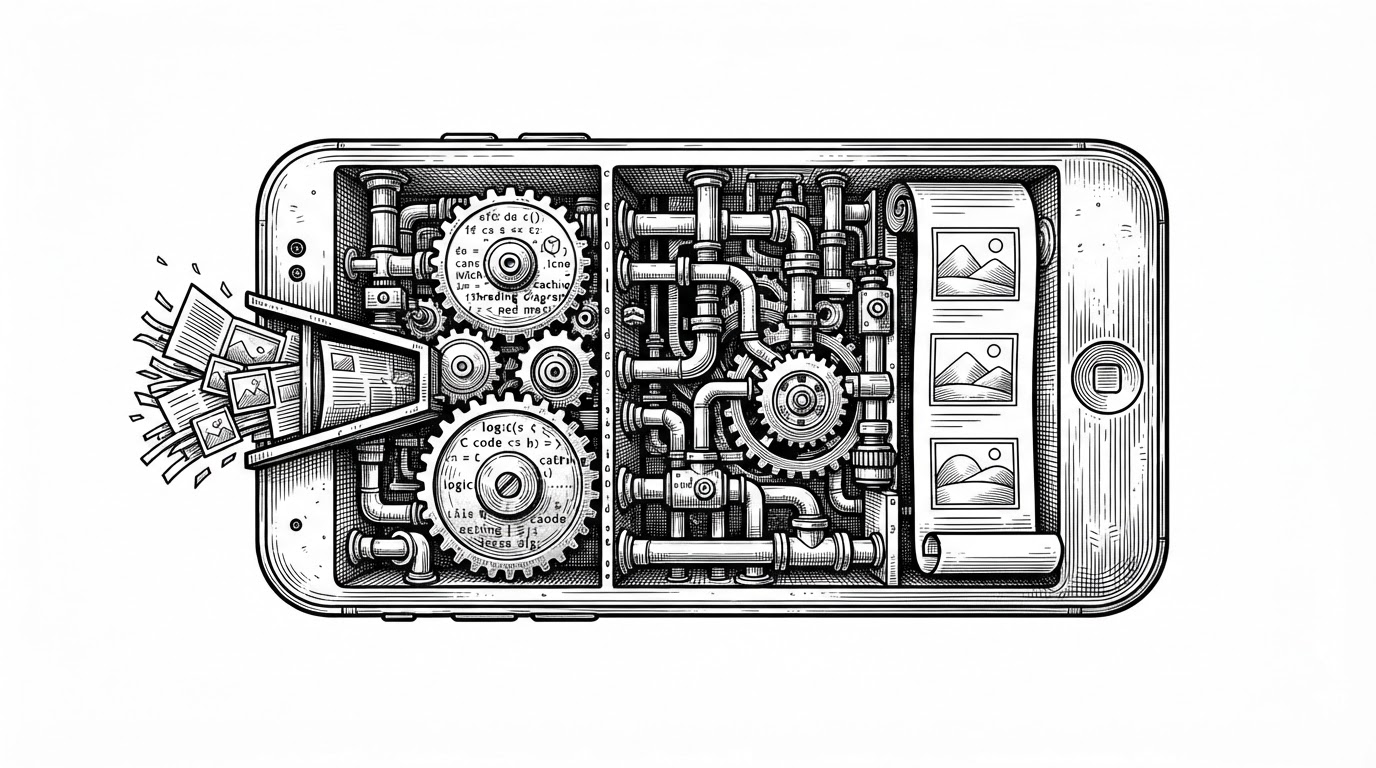
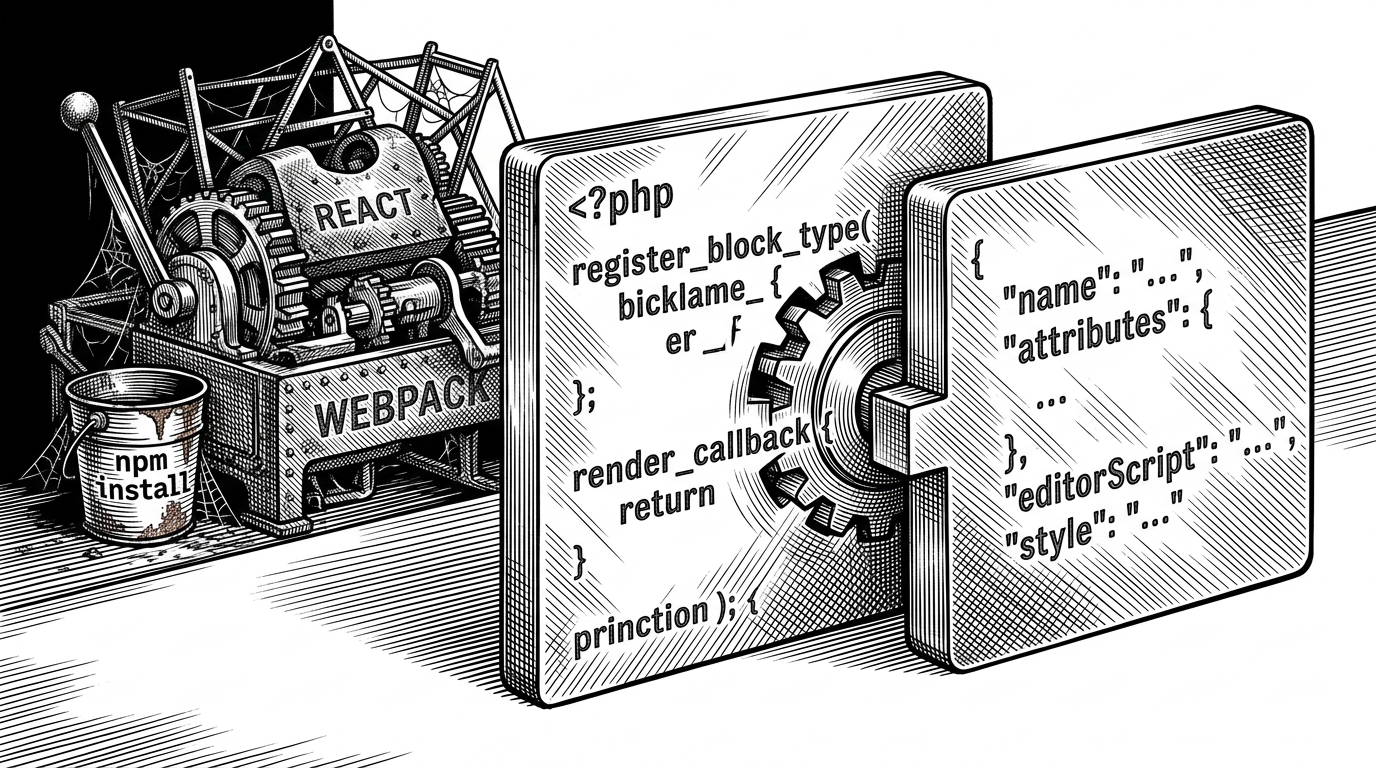
The mid-article surprise is how aggressively ExamplePress avoids the usual Gutenberg tooling path. Instead of forcing every block through a React and Webpack workflow, it leans on Blockstudio so blocks can be built with PHP and JSON. For PHP-first teams, that is not a minor convenience. It is a different development economy.
The appeal is not nostalgia. It is reduction. Fewer moving parts means simpler CI, less frontend build machinery, and fewer reasons for a block edit to require a separate JavaScript mental model. When the project says zero-build, it is really saying the block system should not demand its own ecosystem tax.
That is why the comparison lands. ExamplePress is not anti-modern. It is anti-overhead where the overhead does not buy enough.
Apps as Deployable Business Logic
ExamplePress treats an App as plugin-based project logic, which is a useful inversion. The App layer can own custom blocks, routes, and business behavior without bleeding into the Foundation. That keeps application concerns local and makes the platform feel distributable across multiple sites.
This is where the fleet mindset shows up. If you are responsible for more than one WordPress install, you care less about whether a theme is elegant in the abstract and more about whether a business feature can ship, update, and roll back without surprising the rest of the stack. ExamplePress is optimized for that problem.
The result is a cleaner division between platform and project. The platform stabilizes. The project changes.
How It Compares to Standard WordPress and Headless Alternatives
ExamplePress does not replace the whole WordPress universe. It carves out a specific niche: disciplined, fleet-scale WordPress where routing, updates, and feature delivery need to be controlled centrally. That puts it in a different category from both classic theme stacks and fully headless builds.
| Approach | Routing | Updates | Blocks | Operational model |
|---|---|---|---|---|
| Classic WordPress themes | Template hierarchy decides too much | Mostly manual and theme-centric | Often mixed with frontend tooling | Site-by-site improvisation |
| Headless or JS-first stacks | Explicit by design | Separate deployment pipeline | Usually tied to modern frontend tooling | Split across multiple systems |
| ExamplePress | Router-first and explicit | Kernel-managed with validation and pinning | PHP and JSON via zero-build blocks | Platform-style fleet control |
The important distinction is not that ExamplePress is universally better. It is that it solves a very specific pain: managing WordPress as a controlled environment instead of a loose collection of pages and plugins. If that is your world, the architecture makes immediate sense.