vibecode-pro-max-kit: The Operating System That Keeps AI Coders From Forgetting the Plot
A spec-driven harness that splits research, planning, execution, and review into enforced phases, so AI agents can work like a real engineering team instead of a very fast autocomplete.
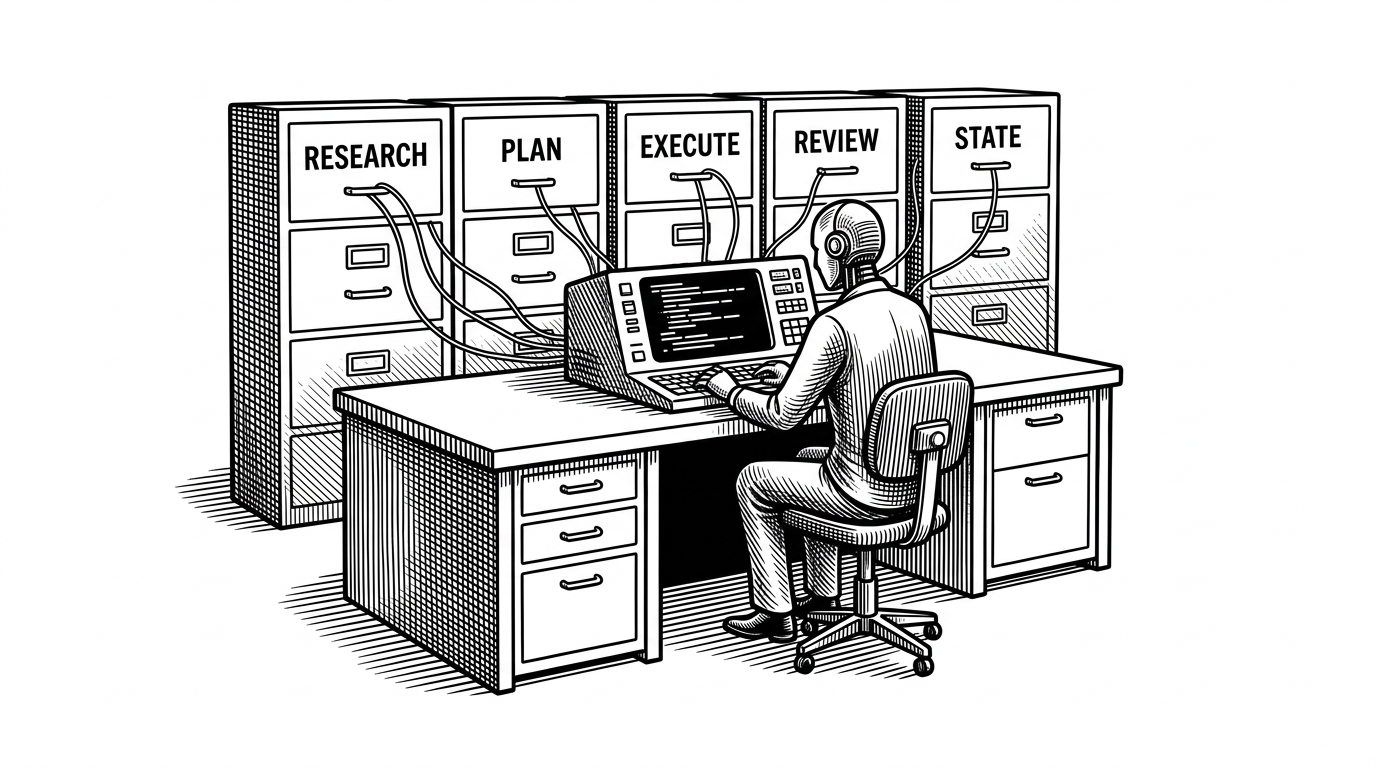

Your AI forgets. This remembers. Spec-driven coding harness for vibecoders, product owners, CEOs and real builders — self-improving context memory, 12 agents, 32 skills. Kills context rot, ships features, not spaghetti. Claude Code & Codex. Any stack.
- vibecode-pro-max-kit treats context rot as a systems problem, not a prompting problem.
- RIPER-5 turns AI coding into a gated workflow where each phase can block the next until the work is ready.
- The hooks are the real control plane, because they enforce permissions, persistence, and sequencing at the tool level.
- Markdown files become live project memory, which makes the whole system portable, inspectable, and git-trackable.
Most AI coding tools are optimized for speed. This repo is optimized for continuity. That is why it feels less like a prompt pack and more like an operating system for a very opinionated engineering team.
The real product is memory
The project starts from a familiar failure mode: the model can be brilliant at first contact and sloppy three steps later. It remembers just enough to be dangerous, then drifts into premature coding, half-finished ideas, and scope creep. vibecode-pro-max-kit answers that with persistence, not cleverness.
That quote gets at the whole pitch. The repo does not sell a smarter model. It sells a system that can keep a project coherent long enough to matter.
RIPER-5 turns coding into a workflow, not a chat
The backbone is RIPER-5: Research, Innovate, Plan, Execute, Review and Update. That sounds procedural because it is. The point is to force the model through the same sequence a disciplined team would follow, instead of letting it jump from vague intent to edits.
| Mode | What it optimizes for | What it risks | What the kit adds |
|---|---|---|---|
| Plain chat with an AI coder | Speed and improvisation | Context rot, scope drift, early coding | Enforced phases and persistent memory |
| RIPER-5 workflow | Sequencing and review | More setup, less spontaneity | A repeatable path from research to shipping |
| Manual senior-engineer process | Judgment and discipline | Human bottlenecks | Automation of the boring parts of process control |
The comparison matters because the repo is not trying to replace AI IDEs. It is wrapping them in a process that makes them less likely to act like a clever intern on espresso.
The hooks are the real middleware
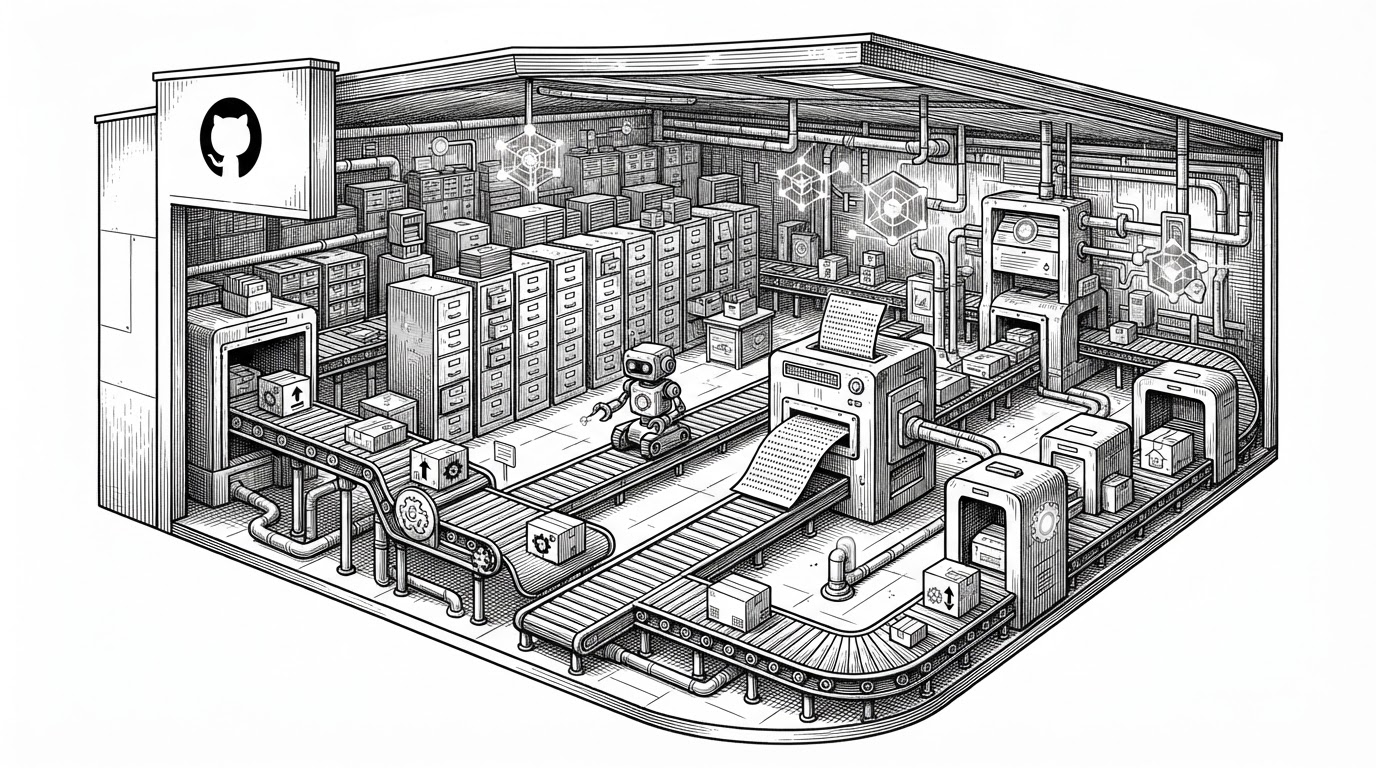
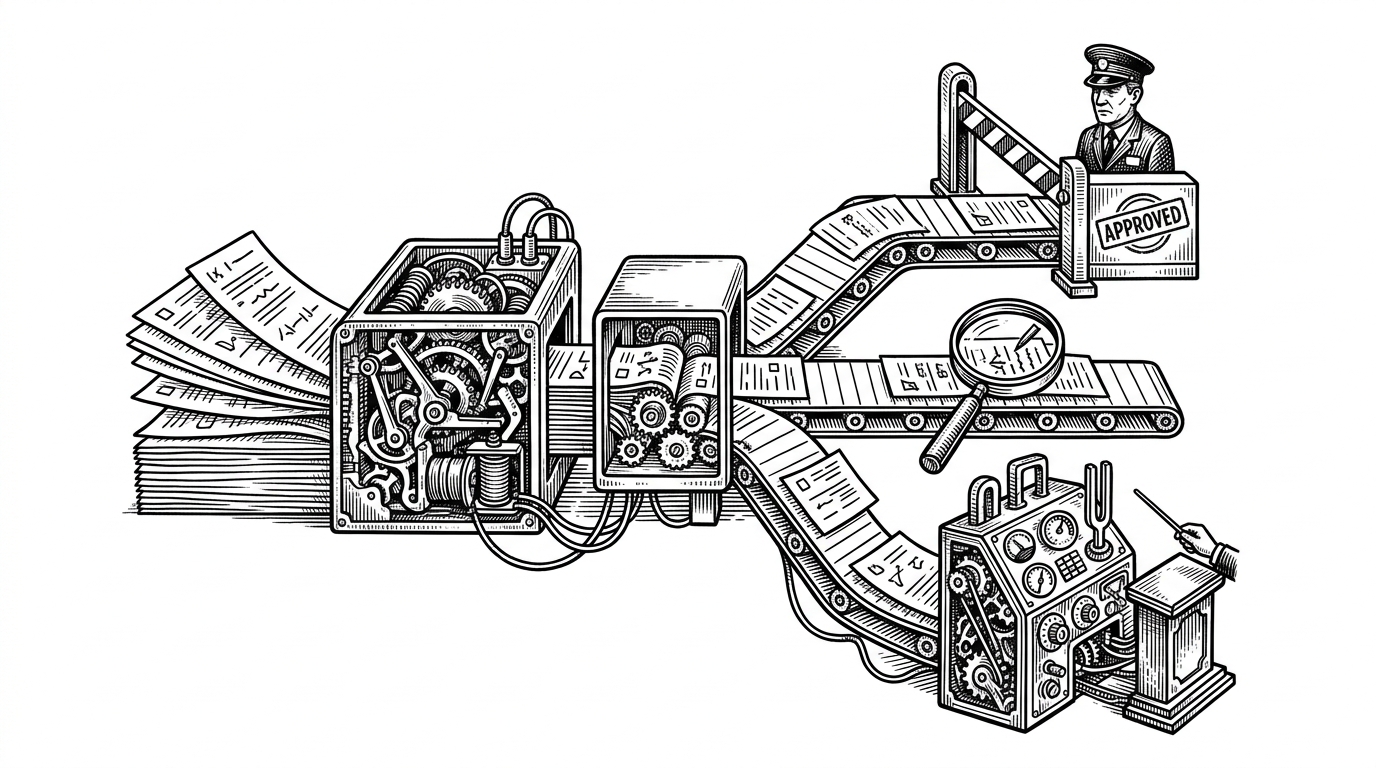
The most interesting files live under .claude/hooks. That is where the repo stops being a collection of prompts and becomes middleware. Hooks intercept tool usage, block risky actions, persist state, and keep the session aligned with the current phase.
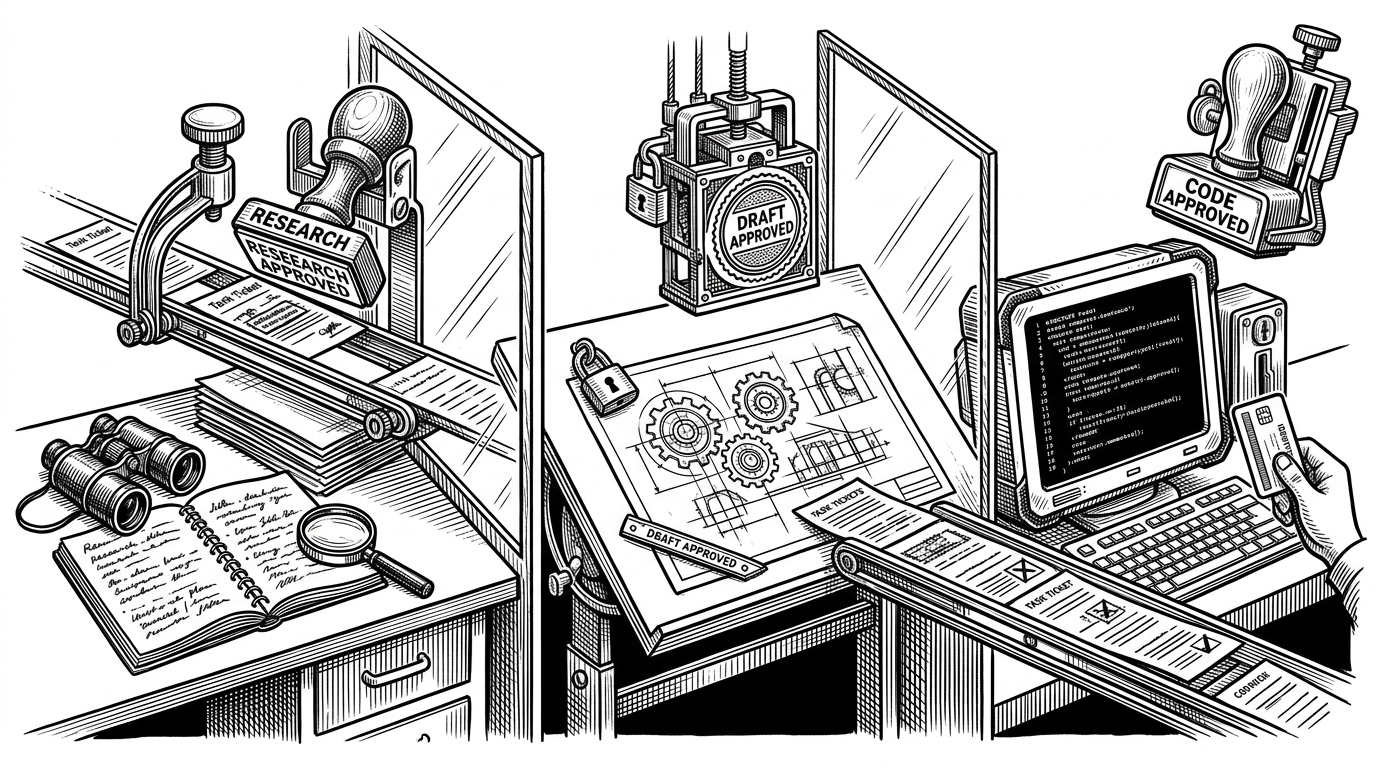
{
  "hooks": {
    "session-init": "detect project, warm state",
    "research-agent": "read-only tools",
    "plan-agent": "write specs only",
    "execute-agent": "write code only after plan verification",
    "review-update": "reconcile context and persist memory"
  }
}
That is the real trick. The repo is using the filesystem and hook layer the way an operating system uses syscalls: not to inspire behavior, but to constrain it.
Agents are separated by permission, not just prompt
The agent lineup is not just a roster of personalities. Each one has a job boundary that can be enforced. The research agent is read-only. The plan agent writes plans, not code. The execute agent is allowed to edit, but only after the plan is verified.
| Agent | Allowed behavior | Blocked behavior | Why it matters |
|---|---|---|---|
| Research | Gather facts and inspect code | Edit files or jump to implementation | Prevents premature solutions |
| Plan | Write specs and task breakdowns | Modify application code | Keeps intent stable before execution |
| Execute | Change code after verification | Rewrite the plan on the fly | Protects the team from scope drift |
| Review/Update | Reconcile changes and refresh context | Treat the previous steps as disposable | Turns finished work into durable memory |
That separation is stricter than a lot of teams are in practice. It works because the rules are executable, not aspirational. The repo assumes the model will be eager, then builds guardrails for that eagerness.
Markdown becomes a memory system
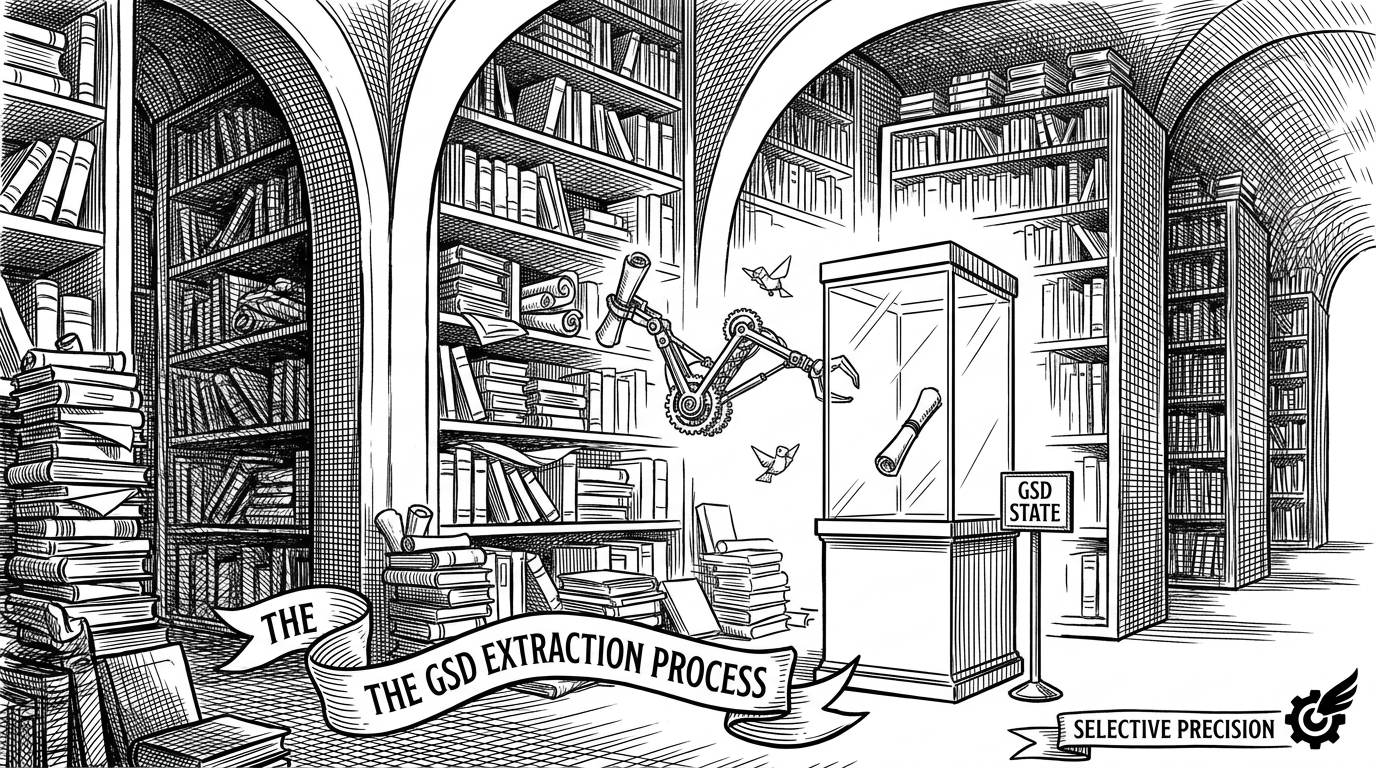
The process/ directory is the other half of the design. It is where plans, context, and outcomes live as plain Markdown files. That makes memory portable, human-readable, and versioned in git.
This is a small design choice with big consequences. When state is buried inside a chat window, it disappears. When state is stored as files, it can be reviewed, diffed, reused, and repaired.
Why this beats a plain AI IDE for serious work
Cursor, Claude Code, Windsurf, and the rest all solve the same basic problem: make code generation feel immediate. This repo solves a different problem: make the work survive contact with time.
| Approach | Strength | Weakness | Best use |
|---|---|---|---|
| AI IDE alone | Fast iteration inside one session | Weak long-term memory and process discipline | Local exploration and quick edits |
| Paid vibe-coding kit | Opinionated workflow and polish | Usually still centered on convenience | Teams that want a packaged experience |
| vibecode-pro-max-kit | Permissions, phase locks, and durable state | More setup and more ceremony | Serious multi-step work that must not drift |
That tradeoff is the whole story. More structure buys more durability. Less improvisation buys fewer surprises. For real projects, those are often the same thing.
The uncomfortable implication
The repo points to a bigger truth about AI coding. Model capability matters, but workflow design may matter more once the task gets large. If the agent cannot remember the plot, then the plot has to live somewhere else.
vibecode-pro-max-kit is one answer: make memory explicit, make permissions real, and make process harder to skip than to follow. That is not flashy. It is how software gets finished.