BohemiaInteractive/CWR Is What Happens When a 2001 Engine Gets a 2026 Brain
Bohemia’s Cold War Assault remaster is not a code dump. It is a carefully modernized C++20 engine, with staged AI updates, hardened parsers, and a release model built for modders, ports, and forks.
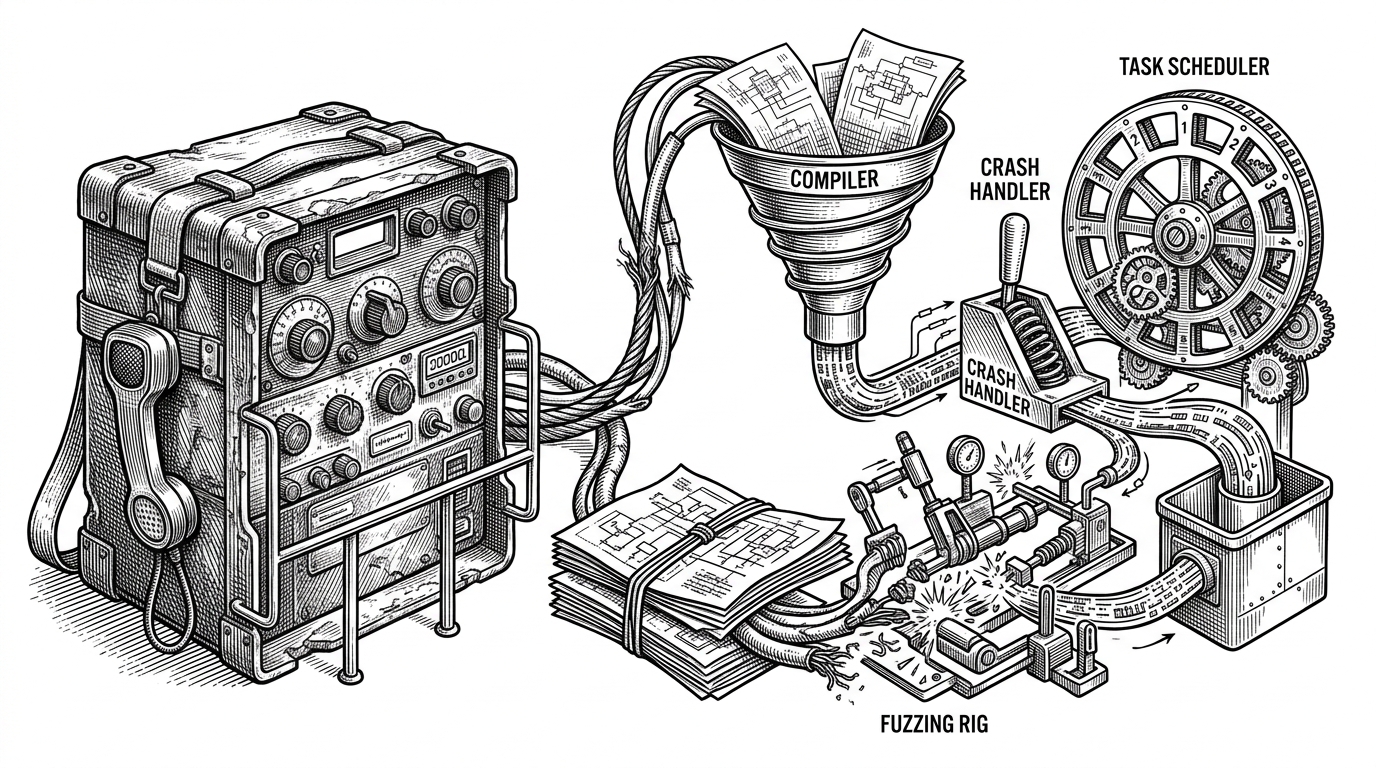
- BohemiaInteractive/CWR is a legacy engine release that behaves like a modern platform, not a nostalgia project.
- The repo’s real signal is its discipline: C++20, CMake, crash handling, fuzzers, and a clean app-to-engine boundary.
- The AI scheduler shows how the team preserved tactical complexity while avoiding frame spikes through staggered expensive updates.
- The open-source boundary is intentional, with the engine open and the assets closed, which makes the project forkable without pretending it is fully free software.
The first thing that stands out in BohemiaInteractive/CWR is not the age of the code. It is the way the repo refuses to behave like a museum piece. A 2001 tactical sim engine shows up with C++20, CMake, Clang, fuzzers, and a release shape that looks designed for people who might actually build on it.
That is the useful tension here. Bohemia did not just publish source. It preserved the engine’s technical DNA while upgrading the habits around it, which is why the repo feels closer to a maintained platform than an archival drop.
What Bohemia actually released
The repository is not a single monolith. It splits the project into application shells, engine code, tools, fuzzers, and third-party dependencies, which makes the layout immediately legible to anyone who has ever had to support a real codebase.
| Surface | Typical legacy source drop | BohemiaInteractive/CWR |
|---|---|---|
| Build system | Ad hoc or project-file dependent | CMake with Clang and vcpkg-oriented dependency management |
| Code organization | Game logic mixed with platform glue | Clear split between app layer and engine core |
| Hardening | Often absent | Fuzzers for legacy formats such as PBO, SQF, and PAA |
| Runtime support | Usually one platform, one compiler era | Modernized C++20 code with Windows and Linux support |
| Forkability | Source available, but rough to use | Buildable, structured, and intended for community study and ports |
The seam that matters: app shell versus engine core
The most revealing files are the boring ones. `WinMain.cpp`, `GameApplication.cpp`, and `GameBase.cpp` show a deliberate boundary between platform entry points and the engine runtime. That matters because it lets the old game logic survive while the startup, crash handling, and configuration layers get rebuilt around it.
// Simplified shape of the startup path
int WinMain(...) {
    Poseidon::Foundation::InstallCrashHandler();
    GameApplication app;
    return app.Run();
}

// The app layer synchronizes legacy globals with newer config objects
bool GameApplication::InitializeGraphicsEngine();
That startup sequence tells you what Bohemia values first: stability. Crash handling lands at the edge of execution, before the rest of the game has a chance to do anything interesting. Then the app wrapper hands off into the engine, where legacy assumptions can be managed instead of left to leak everywhere.

The real headline is in the AI scheduler
The AI system is the most interesting technical clue in the whole repo. Instead of treating every group as if it deserves a full expensive decision on every frame, the engine staggers the heavy work across time. That keeps tactical behavior intact without letting the simulation collapse into frame spikes.
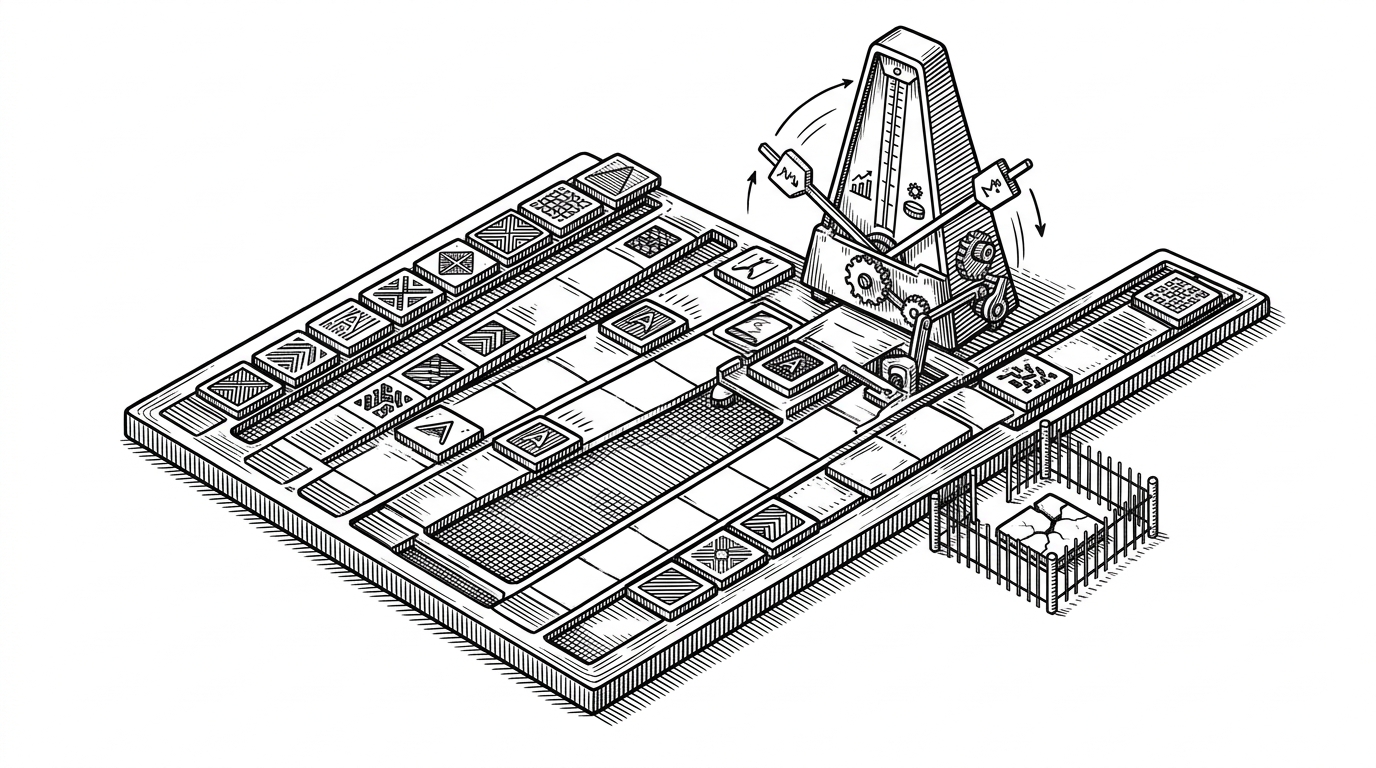
The point is not that the engine is clever for the sake of it. The point is that the codebase still carries the load of a large tactical simulation, and Bohemia preserved the old design pressure while modernizing the scheduling around it. That is a rare kind of respect for legacy.
Why fuzzers in a game engine matter
The fuzzer suite is not decorative. It is the clearest sign that Bohemia treats its legacy formats as attack surfaces. PBO, SQF, PAA, and other custom files are exactly the kind of inputs that can rot quietly until someone feeds them bad data.
| Input surface | Risk if neglected | What the repo does |
|---|---|---|
| PBO archives | Malformed archives can crash parsers or hide payloads | Adds fuzz targets to stress archive handling |
| SQF scripts | Legacy script syntax can become a parser liability | Tests the scripting surface as a hostile input stream |
| PAA images | Old asset formats are easy to underspecify | Exercises image parsing instead of trusting it |
| Engine startup | A fragile boot path amplifies every bug | Installs crash handling before the game does real work |
That matters because this is a game engine that lives in a mod ecosystem. Once a community can build, fork, and package content around the engine, parser safety stops being a theoretical concern and becomes maintenance.
Open engine, closed assets, forkable future
The licensing split is the political center of the release. The engine is open. The assets are not. That boundary preserves the brand and the product identity, while still giving the community something real to study, build, and port.
| Question | Engine source | Game assets |
|---|---|---|
| Open? | Yes, under the repo’s software license terms | No, separate licensing applies |
| Forkable? | Yes, with community rename constraints | No, not as a free asset drop |
| Build value? | High, because the runtime is modernized | High only when paired with official data |
| Community use | Ports, fixes, tooling, research | Modding and packaging within the asset license |
That is why the release feels unusually practical. It is not pretending to be a total liberation of the game. It is giving the community a usable engine while keeping the commercial and trademark boundaries intact.
What this release says about preserving old software
The lesson is bigger than one tactical shooter. If you want other people to study old software, you cannot just expose the files. You have to build enough structure around the source that it can survive contact with modern tooling, modern threat models, and modern contributors.
BohemiaInteractive/CWR does that well. It treats preservation as an engineering problem, not a sentimental one. That is why the repo reads less like a relic and more like a bridge.