`samantha-install-7z-dll`: Turning 7-Zip Into an Embeddable DLL
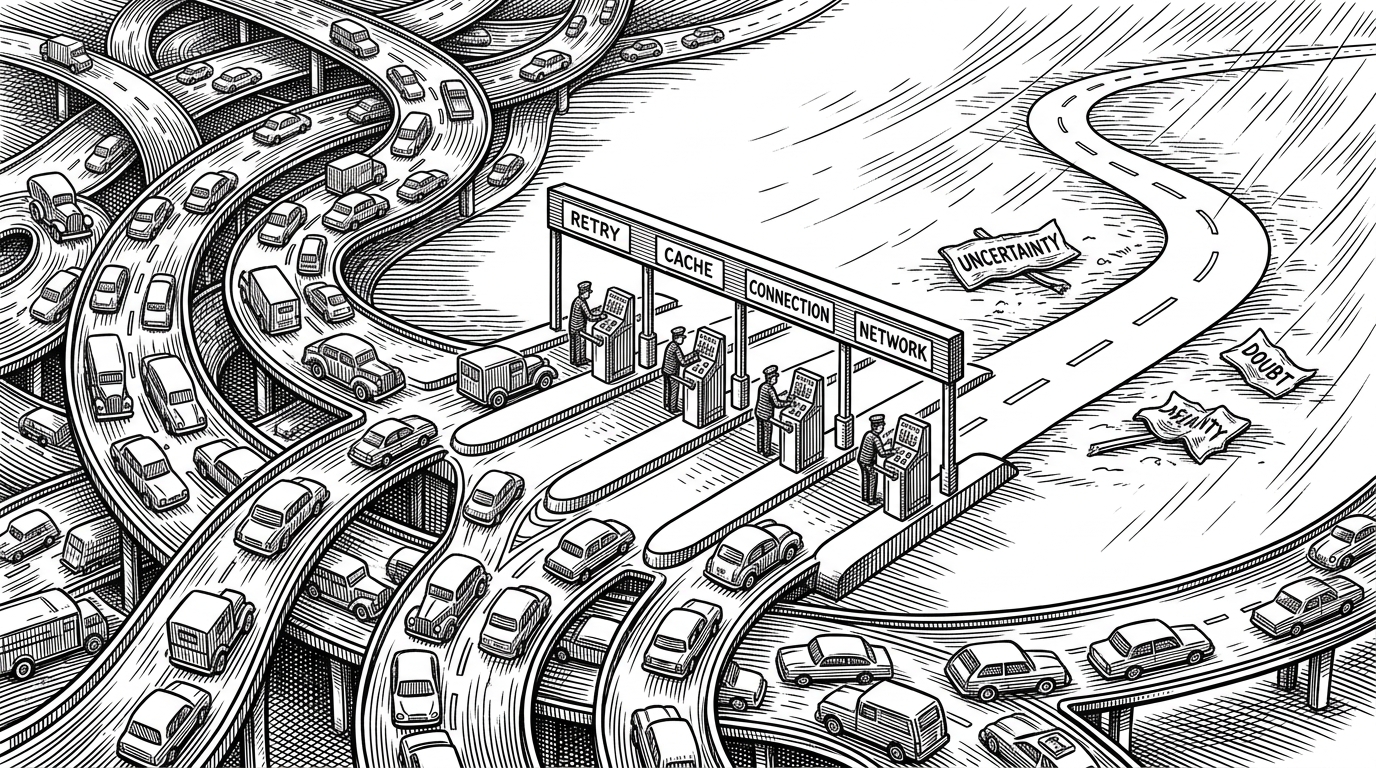
A deep dive into the archive engine that reads its own compressed metadata, routes bytes through callbacks, and makes a progress bar tell the truth.
- The real bottleneck in 7z extraction is not decoding bytes, it is explaining progress when later files depend on earlier decompression.
- This repo keeps the 7-Zip engine intact and narrows it into a DLL-shaped surface for embedding.
- The important plumbing lives in callbacks, folder streams, and metadata switches that keep CRC and empty files honest.
- It is a pragmatic fork, not a rewrite, which is exactly why it inherits both 7-Zip's power and its complexity.
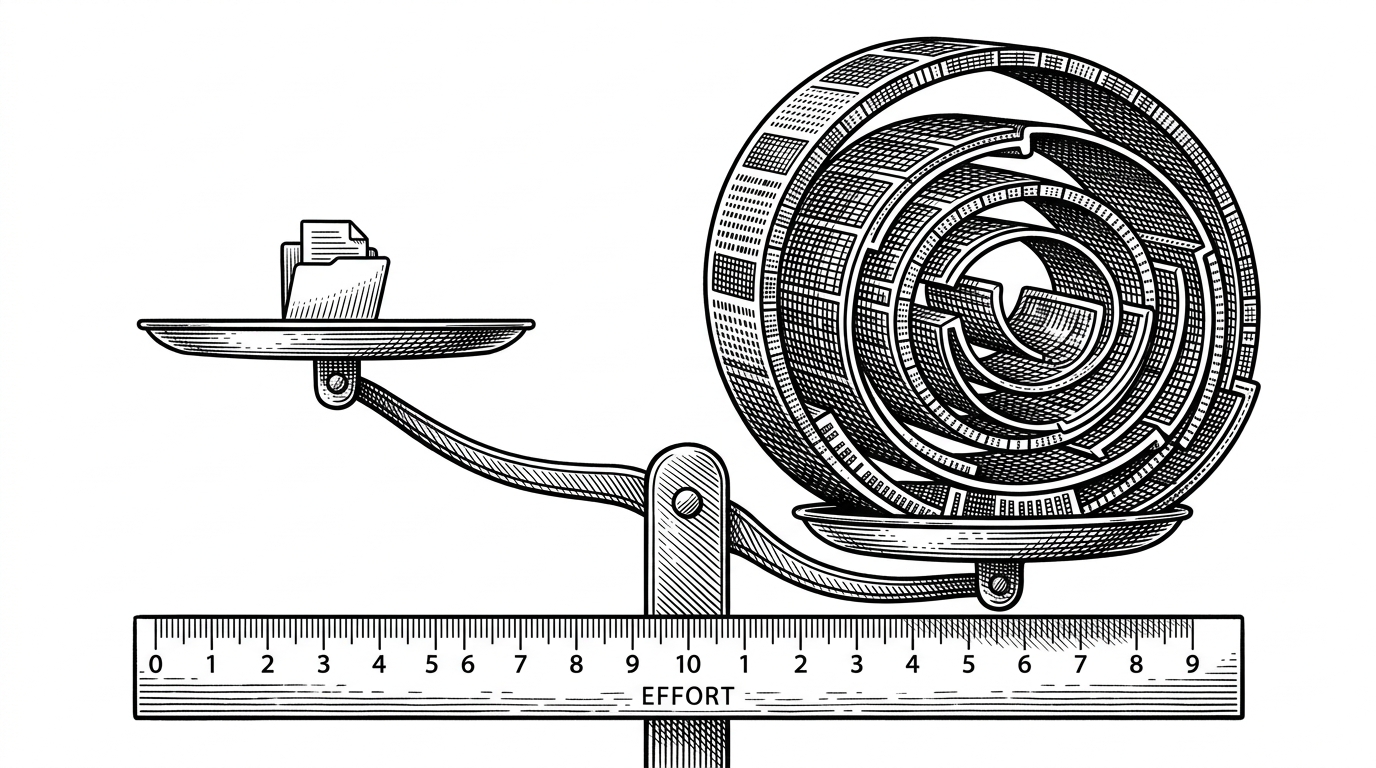
7z extraction looks like a file copy job until a solid archive forces the engine to do arithmetic. A tiny file at the end of the block can require megabytes of earlier decompression, so the progress bar is really reporting work, not file count. That single fact explains most of this repo's design.
A progress bar that has to do math
In a normal archive, the caller can estimate progress by counting files or bytes. In a solid 7z archive, that shortcut lies. The handler has to walk folders, estimate unpacked work, and keep `fromProgress` and `toProgress` honest even when the decompressor jumps across boundaries.
What this repo changes
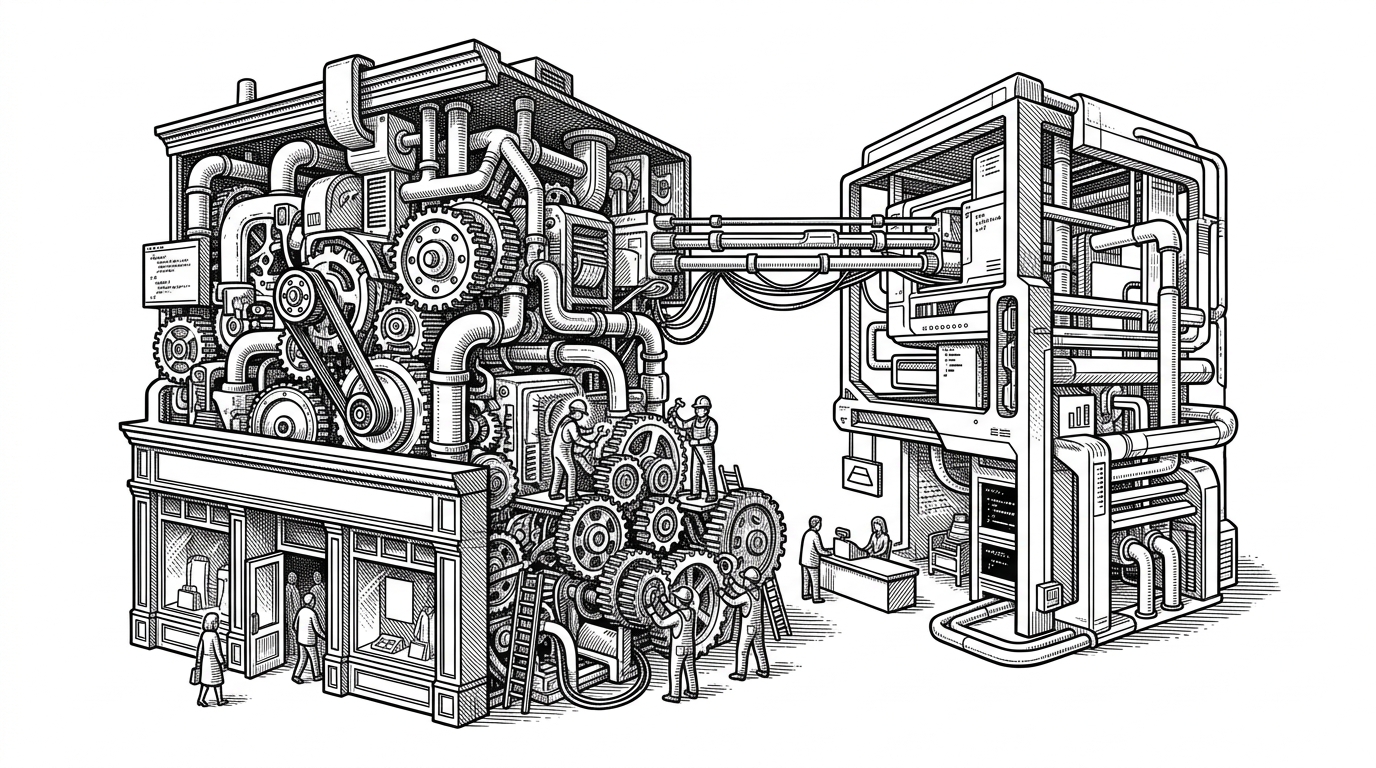
The repo is a surgical wrapper around 7-Zip 22.01. It keeps the original archive machinery in `7zSrc`, but replaces the console-centric entry point with a class-based DLL interface that can be called from another Windows application. The goal is not to make 7-Zip simple. The goal is to make it embeddable without pretending the engine is any less serious.
Inside the archive engine
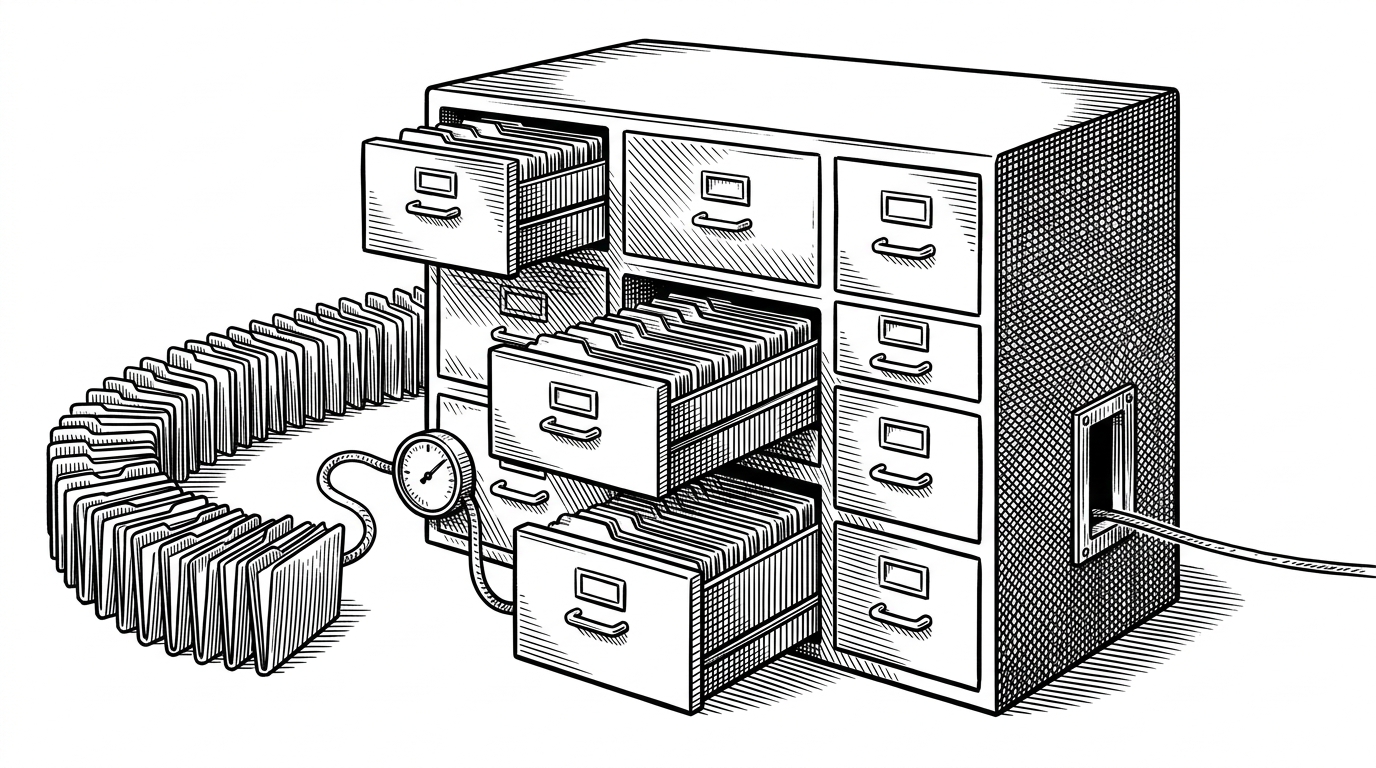
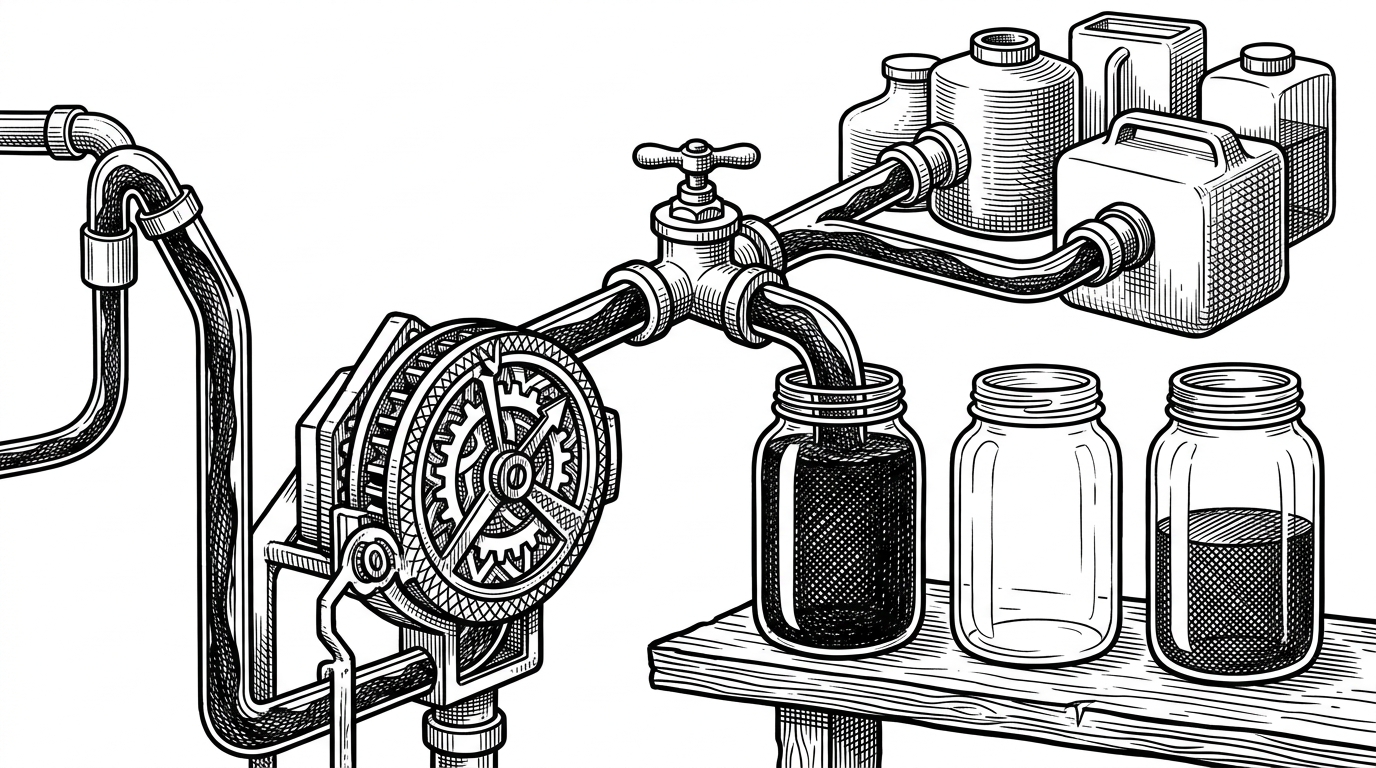
The core classes tell the story. `CHandler` owns the archive database in `CDbEx`, asks for properties like method and solid status, and then drives extraction. `CFolderOutStream` receives decompressed bytes one folder at a time, routes them to `IArchiveExtractCallback`, and updates CRCs as it writes. Empty files still need to exist in the model, even when they never pass through the byte stream.
The parser side is just as careful. `CStreamSwitch` lets `7zIn.cpp` hop between compressed header streams without losing state, and `ReadNumberSpec` decodes 7z's variable-length integers one bit pattern at a time. That is what a mature archive format looks like from the inside: metadata can be compressed, and the parser has to be ready for that.
Why the wrapper matters
| What looks simple | What the engine actually does | Why the DLL wrapper matters |
|---|---|---|
| Extract one file | May require unpacking earlier solid data first | Progress has to be folder-aware. |
| Read metadata once | Headers can be stored in compressed streams | CStreamSwitch keeps parsing state alive. |
| Write bytes to disk | Bytes arrive through callbacks with CRC checks | CFolderOutStream keeps output honest. |
| Embed a library | Legacy COM-like interfaces still shape the API | The wrapper narrows the surface without rewriting the core. |
The implementation style is old-school on purpose. It uses COM-like macros such as `MY_UNKNOWN_IMP1`, avoids external dependencies, and leans on the Windows API directly. That buys a narrow integration surface and keeps the code portable within Windows environments, but it also preserves the dense, C-style C++ that made 7-Zip both powerful and intimidating.
This is the trade-off of the project. You get a proven decompression engine wrapped in a friendlier DLL surface, but you still inherit the same architectural gravity that has always made 7-Zip hard to reason about at a glance. The repo feels like a targeted utility from a single maintainer, which usually means fewer abstractions, faster decisions, and a bigger burden on whoever has to read the code next.