The Illusion of Zero Latency: Unpacking frankensearch
How a Rust-based hybrid engine uses structured concurrency and a two-tier progressive pipeline to eliminate retrieval bottlenecks for local agents.
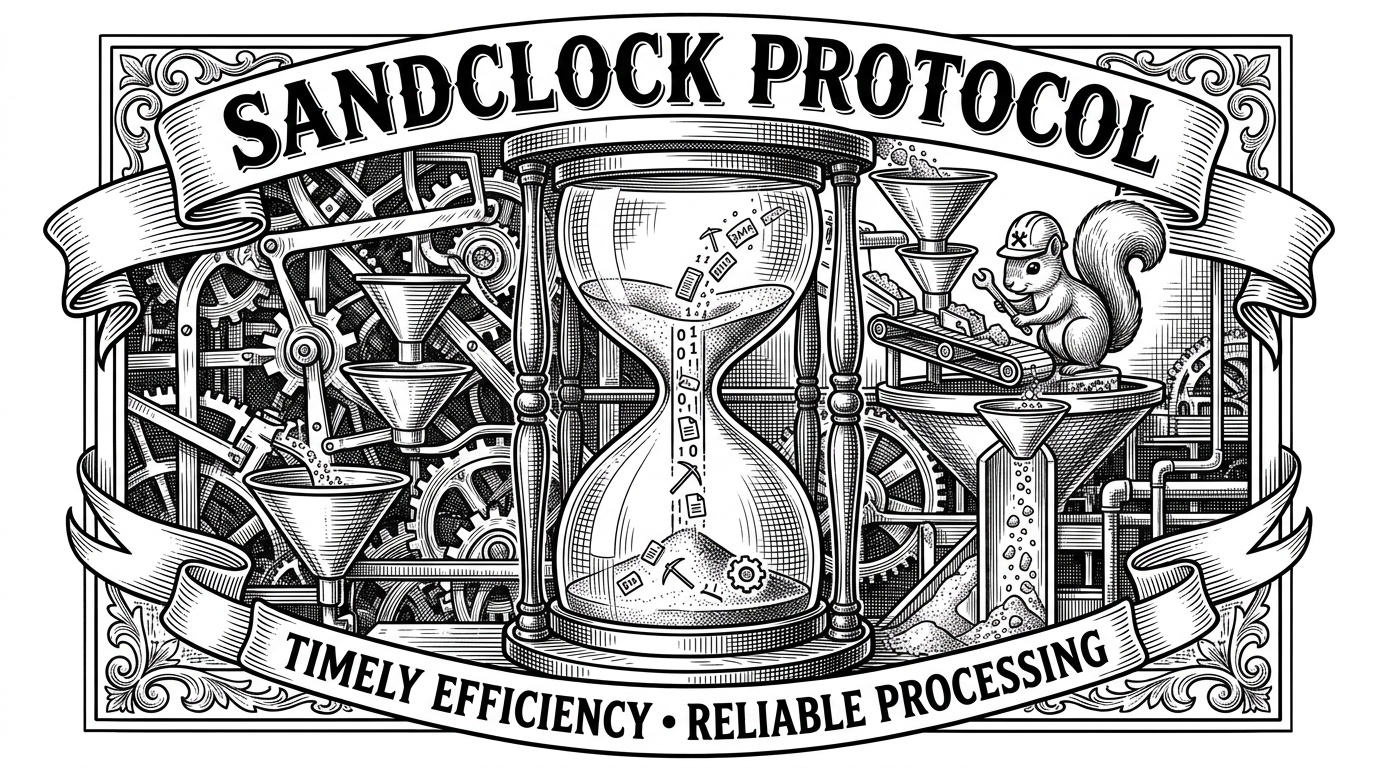

Two-tier hybrid search for Rust: sub-millisecond initial results via potion-128M, quality-refined rankings in 150ms via MiniLM-L6-v2. Combines lexical (Tantivy BM25) and semantic (vector cosine) search with Reciprocal Rank Fusion. Progressive iterator API, f16 SIMD vector index, feature-gated compilation.
- Frankensearch eliminates perceived latency by streaming a fast lexical and small-vector result in 12 milliseconds while computing a heavier semantic payload in the background.
- A Bayesian decision plane acts as an active circuit breaker, dynamically skipping the heavy refinement phase if system resources are constrained.
- The architecture abandons standard Rust asynchronous runtimes in favor of structured concurrency to ensure immediate, clean task cancellation.
- Operating as a deterministic database disguised as a CLI, it provides rigid file reproducibility and Write-Ahead Logging for autonomous agents.
The 12-Millisecond Illusion
Local artificial intelligence usually forces a harsh compromise. Developers must choose between fast but context-blind lexical search or intelligent but sluggish semantic retrieval. Frankensearch refuses to make this choice. It delivers both by treating search as a progressive streaming problem rather than a single blocking transaction.
When a query executes, the engine streams a Phase 0 result to the user in under 12 milliseconds. It achieves this using Tantivy BM25 for keyword matching alongside a lightweight potion-128M model. Simultaneously, it spins up a heavier MiniLM-L6-v2 transformer model in the background. Roughly 150 milliseconds later, the engine silently upgrades the ranking with a refined semantic payload.
Search as a Decision Problem
The system does not blindly run both tiers on every query. It operates a sophisticated Decision Plane based on an expected-loss model. This plane constantly evaluates a loss vector that balances search quality against latency and resource cost.
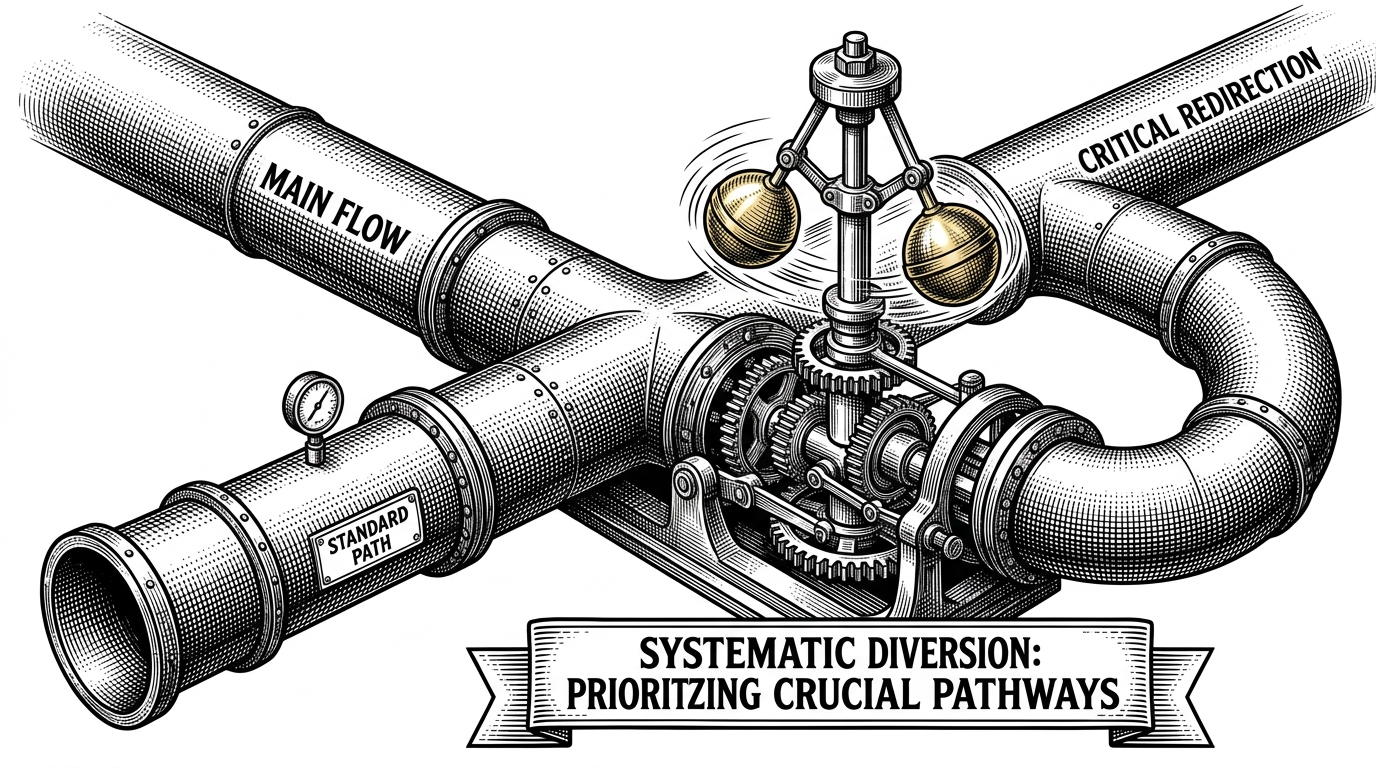
If the local machine's CPU is pegged or the battery is dying, the decision context trips a circuit breaker. It skips the heavy refinement phase entirely, falling back to the fast tier to preserve system service level objectives. It handles noisy neighbor problems in local environments gracefully.
Ditching Tokio for Structured Concurrency
To make progressive cancellation work, the heavy vector math must be instantly droppable if the user types a new keystroke. Standard Rust asynchronous runtimes like tokio make this messy. Tasks can leak, block the thread, or leave resources dangling.
The author built and integrated asupersync, a capability-based structured concurrency runtime. Every async task takes a context reference. This allows brutal but clean cancellation. When the user modifies a query, the heavy embedding task is dropped immediately without leaving phantom processes behind.

| Feature | Standard Async (Tokio) | Structured Concurrency (asupersync) |
|---|---|---|
| Cancellation Propagation | Requires manual select! macros and token passing | Automatic via context dropping |
| Resource Cleanup | Prone to leaking if tasks detach | Guaranteed hierarchical teardown |
| State Tracking | Global or thread-local storage | Explicit capability injection via context |
A Database Disguised as a CLI
Most command-line search tools are stateless. Frankensearch operates more like a distributed systems node. It uses Write-Ahead Logging for durability and f16 SIMD acceleration for vector math to squeeze maximum performance from local hardware.
It employs a complex four-level deterministic tie-breaking strategy. Results are sorted by Reciprocal Rank Fusion score, then source overlap, then raw lexical score, and finally lexicographic ID. This strict determinism is no accident. It is built to be the highly reliable, predictable eyes for large language model agents navigating local filesystems.
Result: responsive first answers plus better final ranking without blocking the UI.