The Terminal That Reads Itself: Inside NTM
How a Go-based orchestrator reverse-engineers AI CLI outputs to manage parallel coding swarms in tmux.
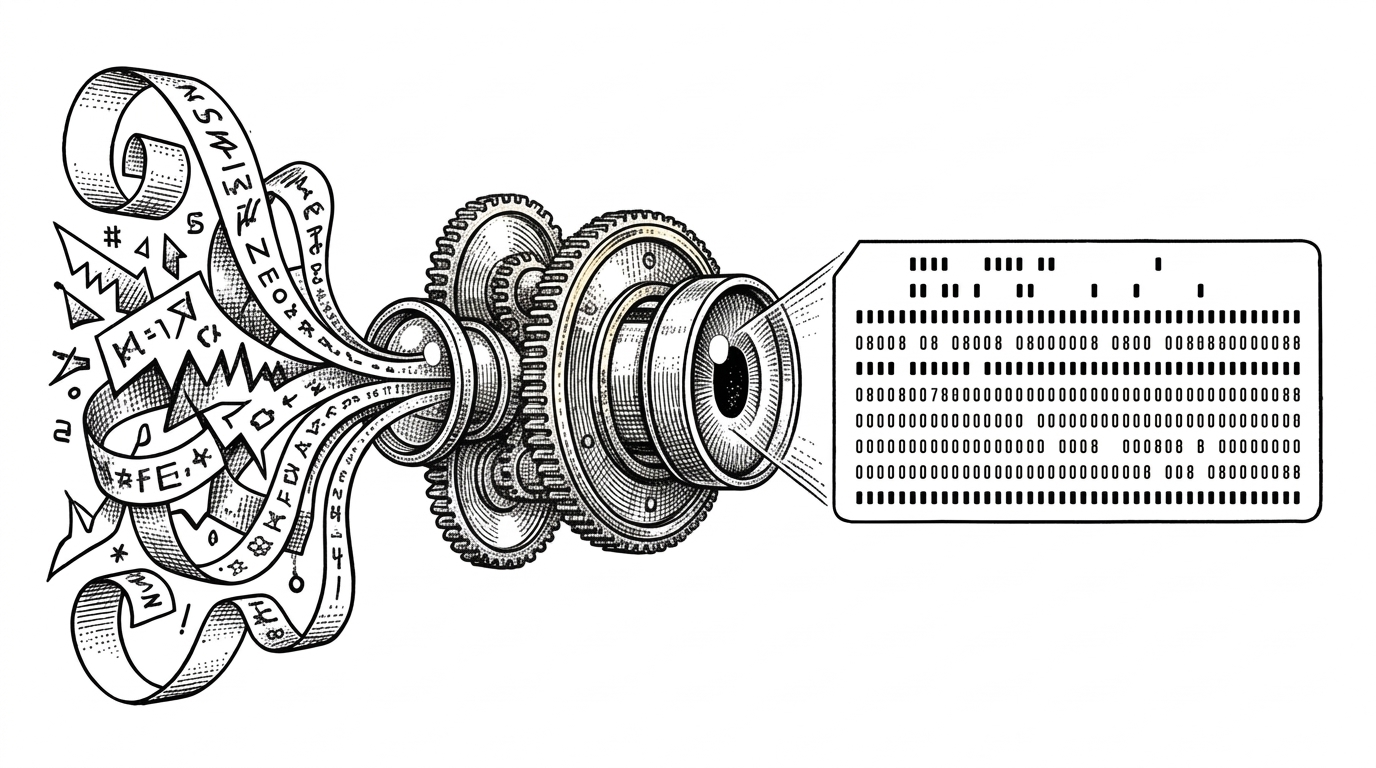
- NTM uses heuristic pattern matching to translate unstructured terminal outputs into actionable machine states.
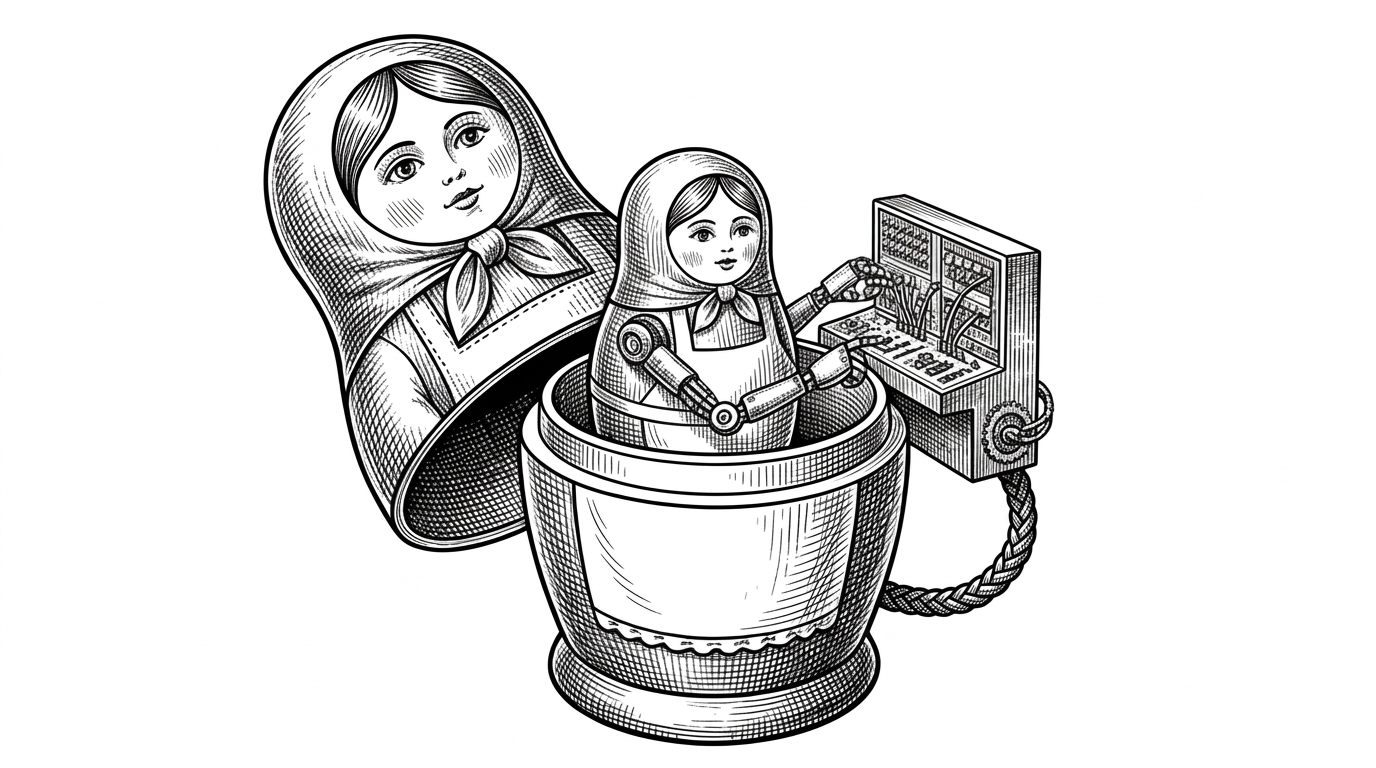
- Robot Mode exposes tmux session data through a JSON API to allow agents to recursively manage their own peers.
- The system prevents file collisions by isolating parallel agents within dedicated Git worktrees.
- Sticky routing ensures task continuity by directing related file edits to the same agent context.
The Blindness of the Command Line
AI coding tools like Claude Code and Codex were built for humans. They emit animated spinners, ANSI colors, and conversational quirks. This creates a problem for automation.
If you pipe an AI CLI into a standard terminal multiplexer, the orchestrator is blind. It has no idea if the agent is working, rate-limited, or stuck waiting for a prompt. NTM (Named Tmux Manager) solves this by reverse-engineering the human interface for machine consumption.
A powerful tmux session management tool for orchestrating multiple AI coding agents in parallel.
The Heuristic State Machine
NTM gives the system eyes through patterns.go. This file acts as a regex engine that strips ANSI codes and uses pattern frequency analysis. It determines if an agent is in a "Thinking," "Stalled," or "Rate Limited" state.
Instead of guessing, the parser assigns confidence scores to terminal stream chunks. It looks for structural patterns rather than exact vocabulary.
// Example of structural spinner detection
var ccSpinnerActivePatterns = []*regexp.Regexp{
    regexp.MustCompile(`\S+…\s+\(\d+s\)`),
}Recursive Orchestration: The Robot Mode
Because NTM knows the exact state of the terminal, it can expose that state via a JSON API. This architectural pivot is called Robot Mode.
NTM projects the tmux state into a queryable SQLite database. By exposing --robot-* flags, an AI agent running inside a pane can query the status of its peers or spawn new workers to parallelize its own tasks.
Preventing Swarm Collisions
Parallel agents inevitably try to edit the same files. NTM introduces Git worktrees for strict isolation.
Each agent receives its own isolated file system view. NTM uses "Sticky Routing" to maintain context affinity, ensuring tasks related to specific files are routed to the agent that already has them in its context window.
The Orchestration Landscape
The AI orchestration space splits between passive monitoring and active control. NTM focuses on active, command-palette-driven tiling logic.
| Project | Primary Function | State Inference | Isolation |
|---|---|---|---|
| NTM | Active Orchestration | Heuristic Parsing | Git Worktrees |
| Codirigent | Desktop Workspace | Native OS Events | Shared Directory |
| TmuxCC | Passive Monitoring | Heuristic Parsing | None |
| tcmux | CLI Viewer | Basic Regex | None |
Sources: