react-pebble-editor: The Brute-Force Solution to the Monaco Editor Problem
How a specialized smart contract language bypassed modern bundling headaches by reverting to a classic AMD injection strategy.
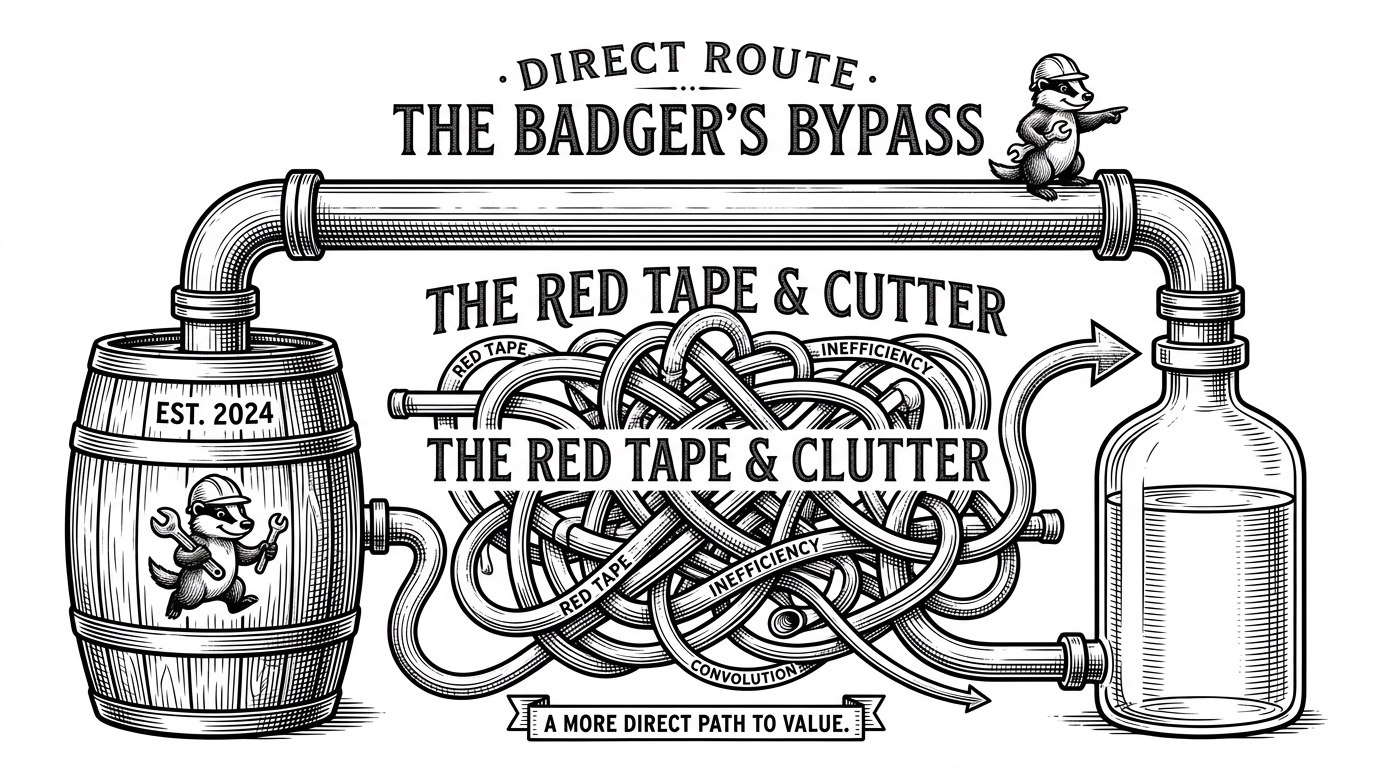
- Integrating Monaco into modern React apps often fails because standard ESM bundlers struggle with its web workers.
- The react-pebble-editor project bypasses module resolution entirely by physically copying pre-built assets to the public folder and using a legacy AMD loader.
- This brute-force approach guarantees worker availability for the custom Pebble smart contract language.
- Using an imperative layout method inside a React forwardRef provides a reliable escape hatch for Monaco's notorious resizing issues.
The Web Worker Wall
Every React developer who has tried to build an in-browser IDE has hit the Monaco web worker wall. Microsoft's Monaco Editor is the powerhouse behind VS Code. It is also notoriously hostile to modern ECMAScript Module (ESM) bundlers. Standard tools like Webpack and Vite struggle to resolve its web workers, leading to silent failures, missing assets, and massive configuration bloat. Teams often spend days configuring plugins just to get a basic text area to render.
The Brute-Force AMD Bypass
Instead of fighting the modern toolchain, Harmonic Labs decided to ignore it. The defining architectural choice of `react-pebble-editor` is its reversion to a classic Asynchronous Module Definition (AMD) injection strategy. Rather than relying on a Vite worker plugin to resolve dependencies at build time, the team wrote a script to physically copy the pre-built `/vs` directory into the application's public folder.
export default defineConfig({
  plugins: [
    react(),
    {
      name: 'copy-monaco',
      writeBundle() {
        fs.copySync(
          'node_modules/@harmoniclabs/monaco-editor/out/monaco-editor/dev/vs',
          'dist/vs'
        );
      }
    }
  ]
});
At runtime, a dynamic `monaco-loader.tsx` utility checks for `window.require`. If the AMD loader is missing, it injects a raw script tag into the DOM, forcing the browser to fetch the core editor scripts and workers synchronously from the public directory. It is a brute-force solution, but it guarantees the editor will boot.
| Feature | ESM Bundler Approach | AMD Copy Approach |
|---|---|---|
| Worker Configuration | Complex Webpack/Vite plugins required | Zero config, standard pathing |
| Build Time | Slower due to AST parsing | Instant file copy |
| Runtime Loading | Synchronous module graph | Asynchronous script injection |
Teaching the Browser to Speak Pebble
This aggressive workaround was necessary because `react-pebble-editor` is not a generic text box. It is a purpose-built environment for Pebble, a specialized smart contract language for the Cardano blockchain. Pebble relies heavily on domain-specific concepts like Unspent Transaction Output (UTXO) models, Minting contexts, and Spending contexts.

To make this readable for developers and auditors, the project ships a custom Monaco theme called `pebble-dark`. This theme registers custom syntax rules that map blockchain logic to specific color tokens, turning raw transaction scripts into legible, highlighted syntax.
The Imperative Escape Hatch
Even after the editor loads, React's declarative rendering model clashes with Monaco's imperative DOM manipulation. If a parent container changes size (like a sidebar toggling open), Monaco often fails to resize, leaving ugly blank spaces. The `PebbleEditor` component solves this by exposing an imperative escape hatch.
Using React's `forwardRef` and `useImperativeHandle`, the component exposes a manual `layout()` method. This allows the parent application to explicitly command the editor to recalculate its dimensions, acknowledging that sometimes, brute force is the only way to tame a complex third-party system.